Hubble Captures Dwarf Galaxy 23 Million Light-Years Away
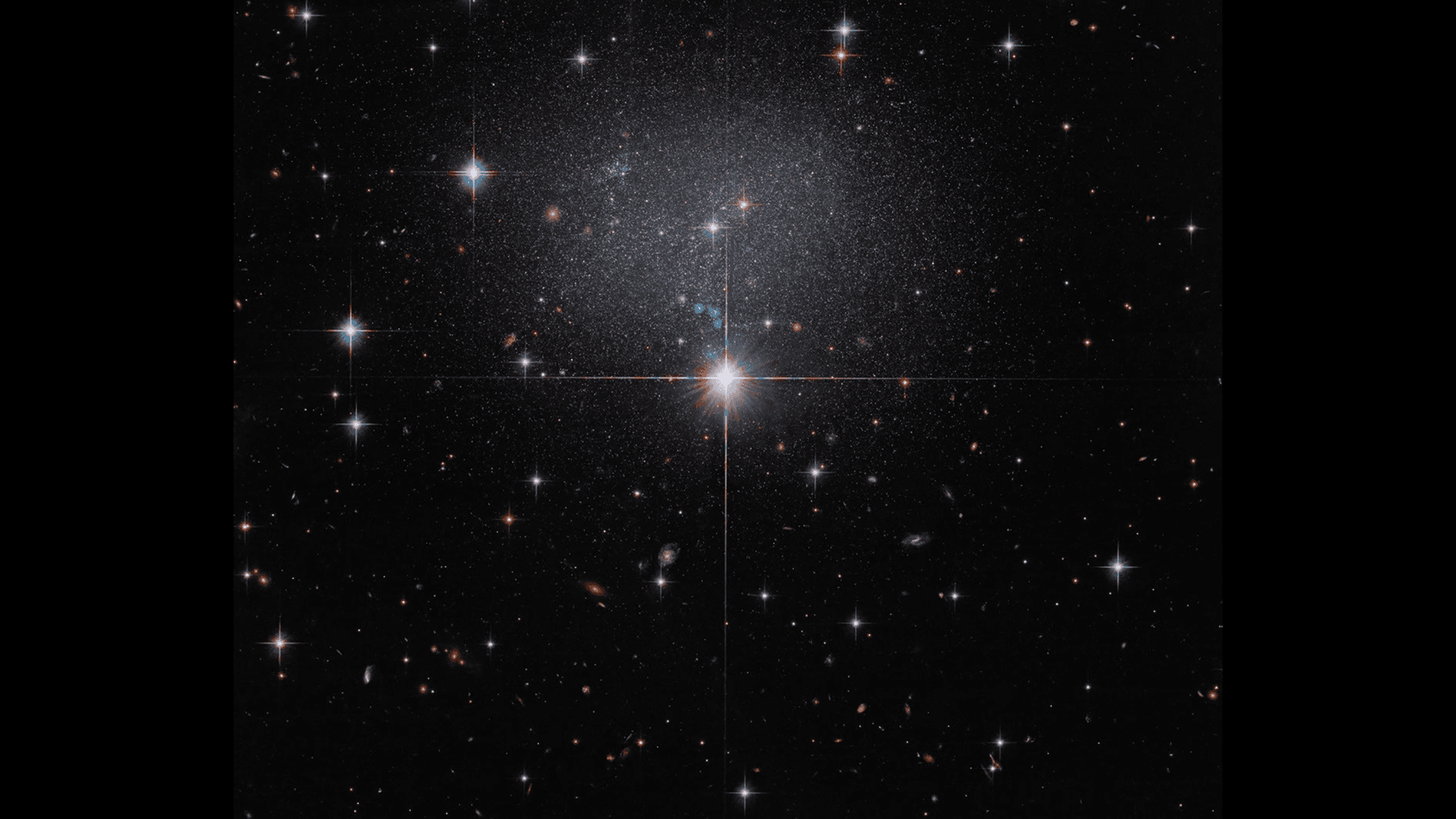
NASA's Hubble Space Telescope has photographed ESO 490-017, a faint irregular dwarf galaxy in the Canis Major constellation. The image reveals the galaxy's swarm of stars while also capturing distant galaxies scattered in the cosmic background, part of ongoing research into how galaxies move through the universe.

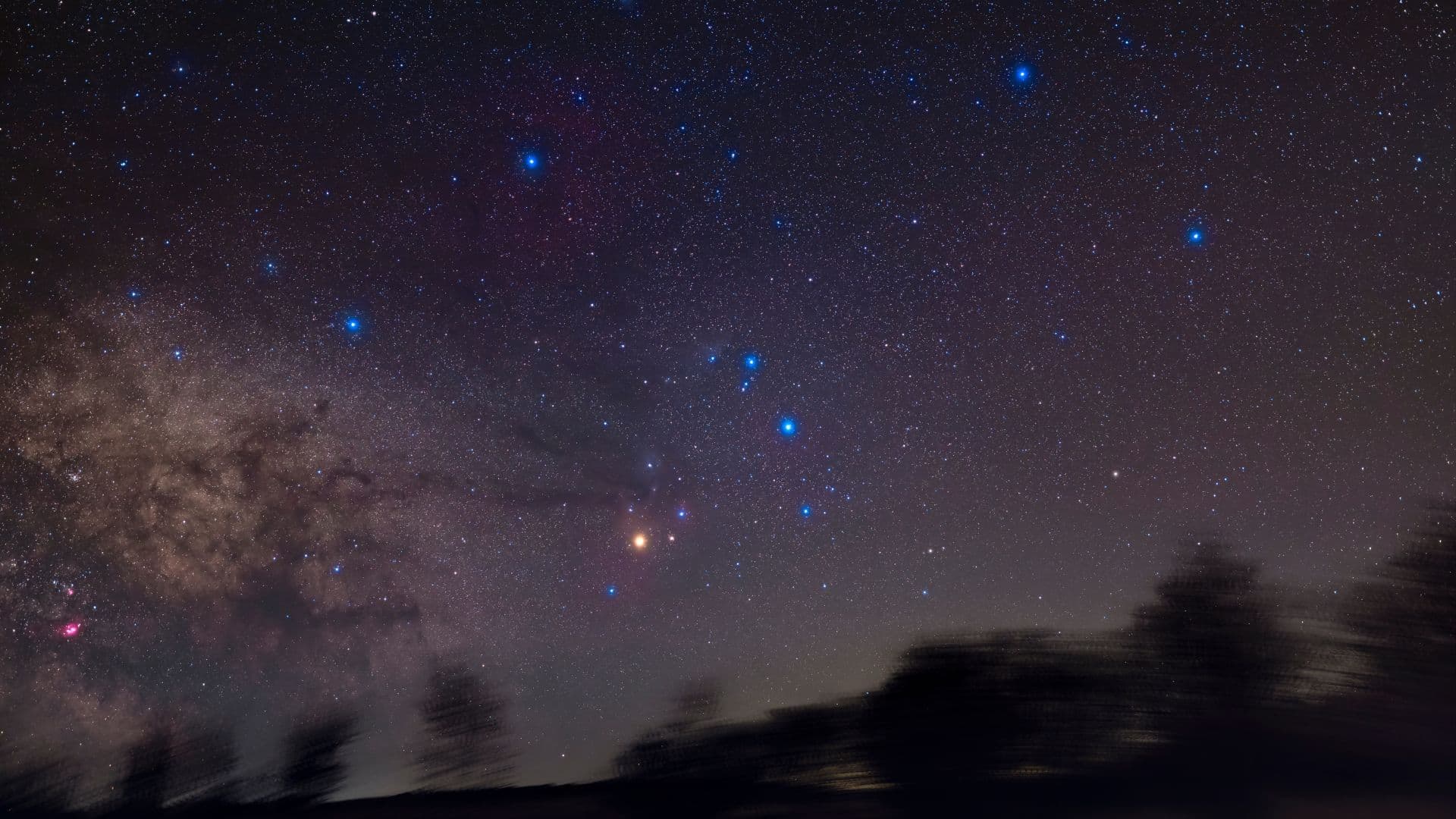
June 2026 New Moon Brings Mercury, Venus, Jupiter Alignment
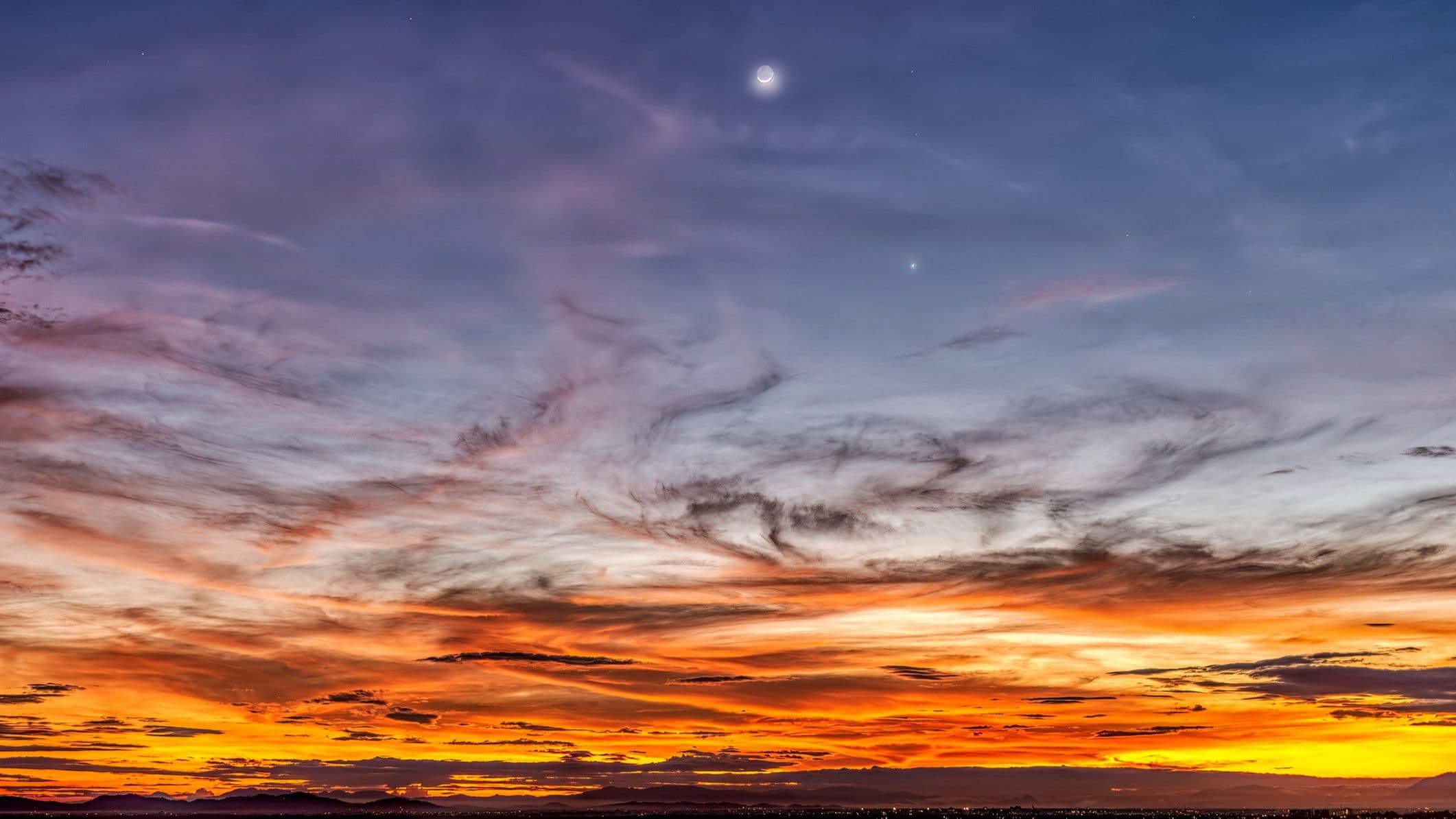
The new moon on June 14, 2026 creates ideal dark-sky conditions for viewing a rare planetary lineup. Mercury, Venus, and Jupiter will form a striking diagonal formation above the western horizon at sunset, with Mercury reaching its best evening visibility of the year.

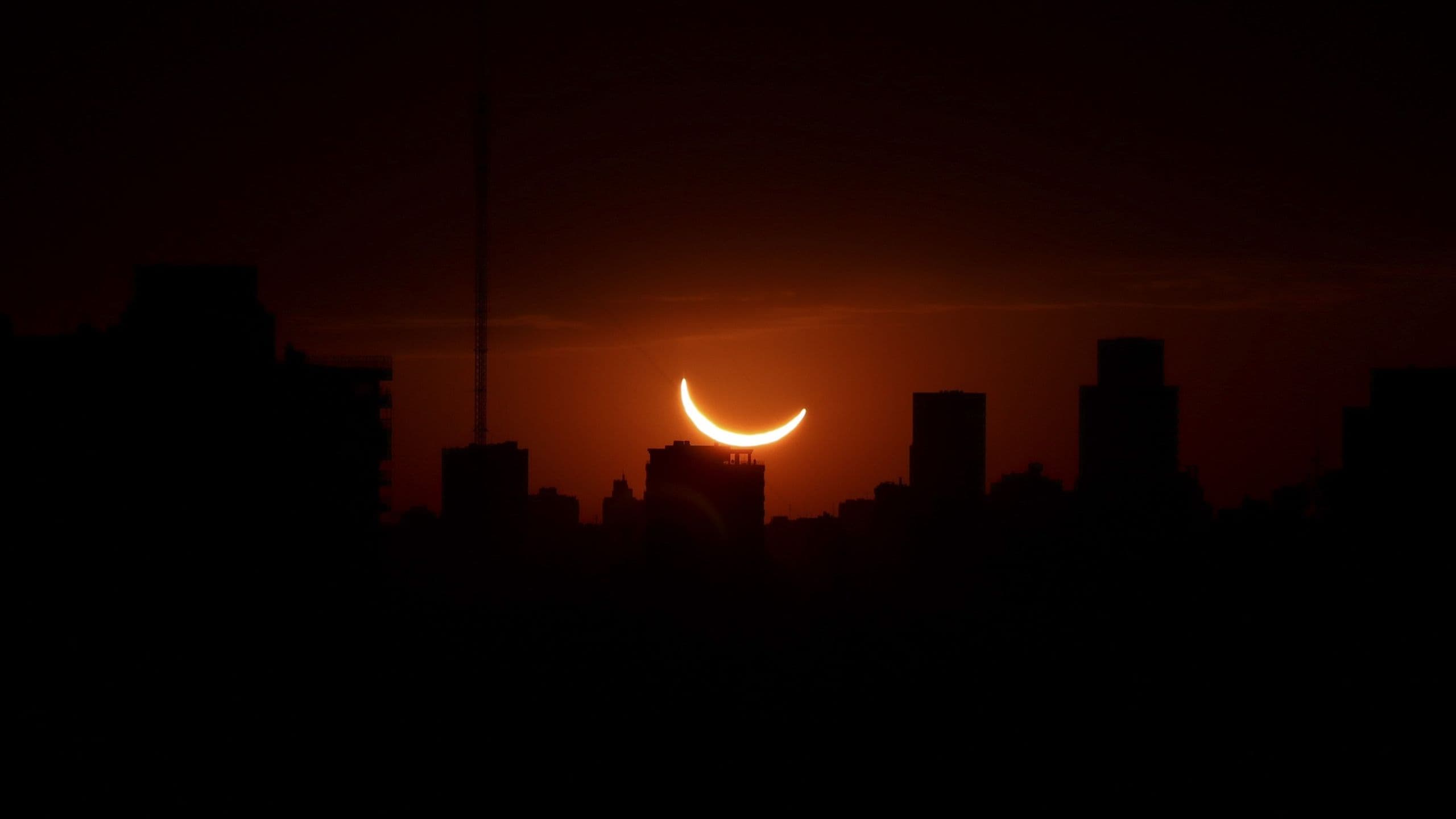
2026 Solar Eclipse Will Set Over Europe: Where to Watch
On August 12, 2026, a total solar eclipse will cross Greenland, Iceland, and Spain. The event occurs minutes before sunset in Spain, creating a rare chance to see the sun's corona against dusk colors. Millions across Europe and Northwest Africa will witness a deep partial eclipse.

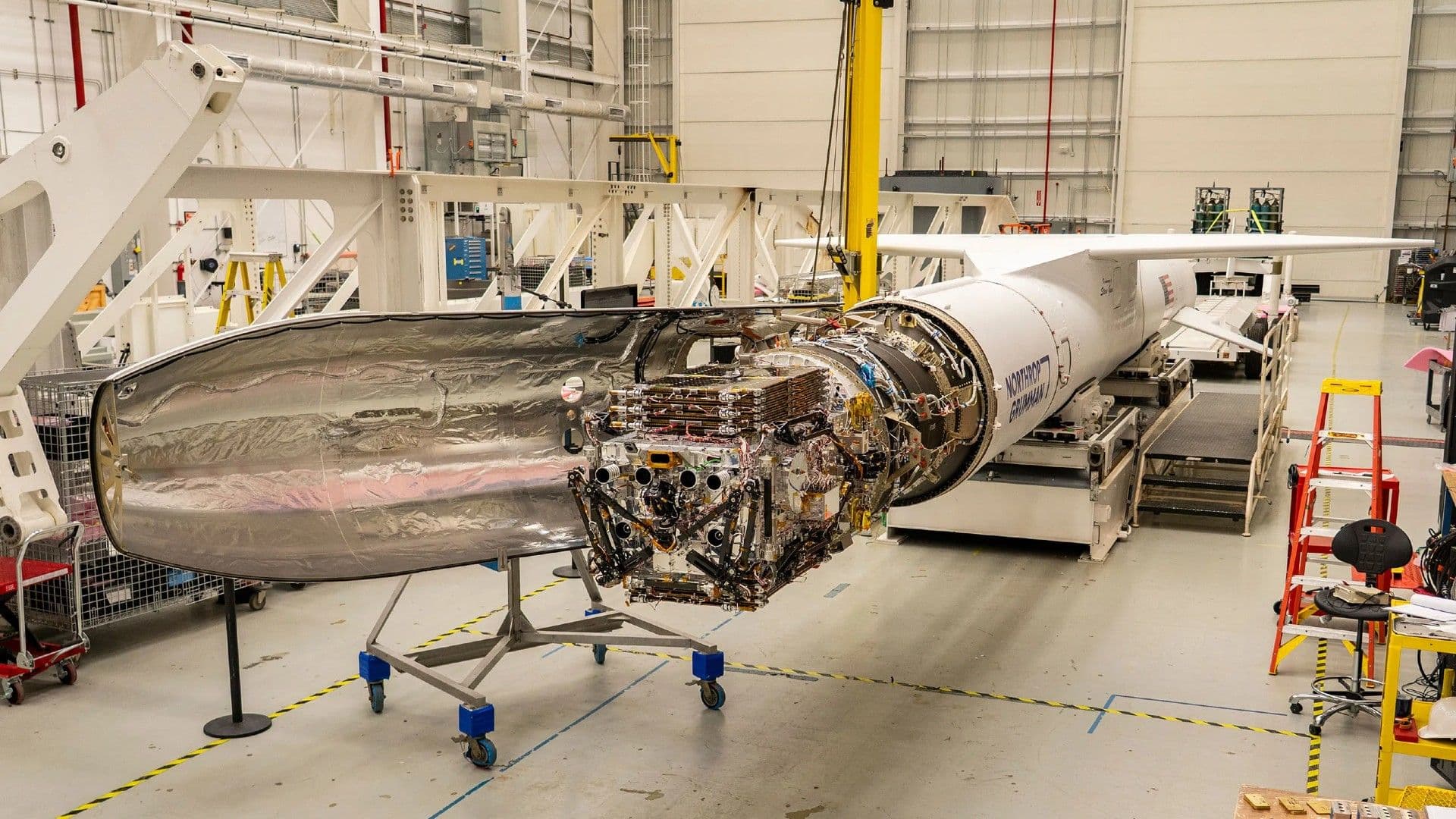
NASA Fast-Tracks Air-Launched Rocket to Save $500M Telescope
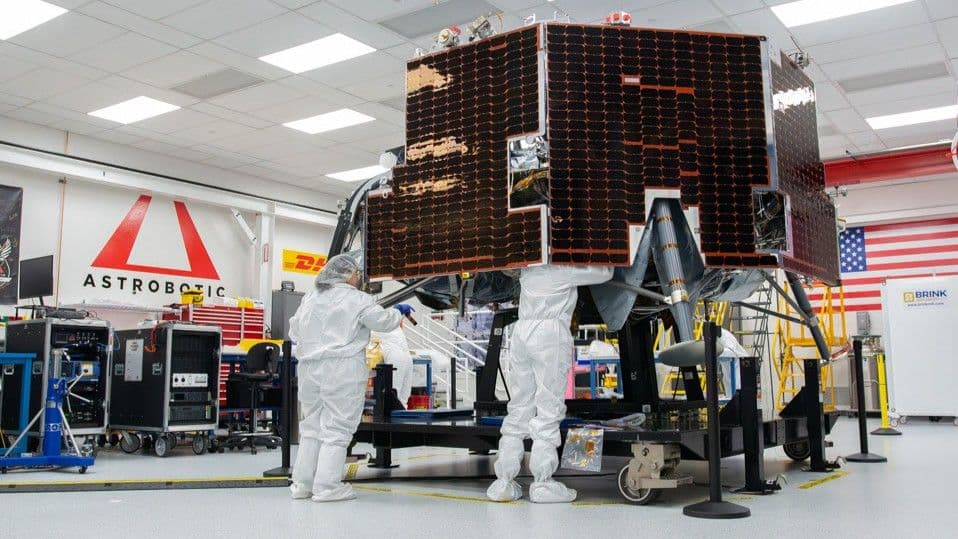
NASA is racing to rescue its Neil Gehrels Swift Observatory before the 21-year-old gamma-ray telescope burns up in Earth's atmosphere. The mission will use Katalyst Space's LINK satellite, launched from a Pegasus XL air-launched rocket, to boost Swift back to a stable orbit.

SpaceX Launches 24 Starlink Satellites Hours Before Historic IPO
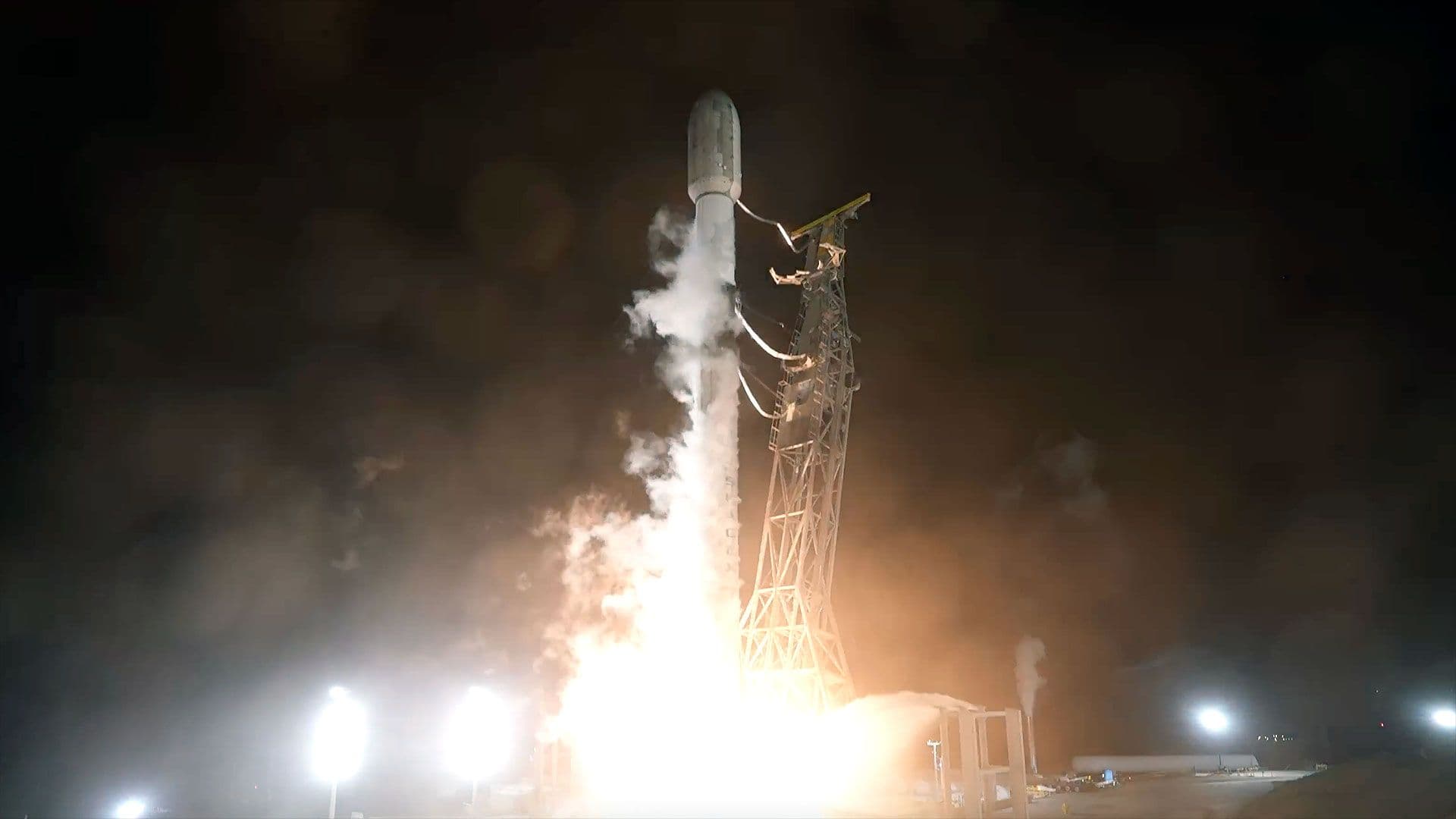
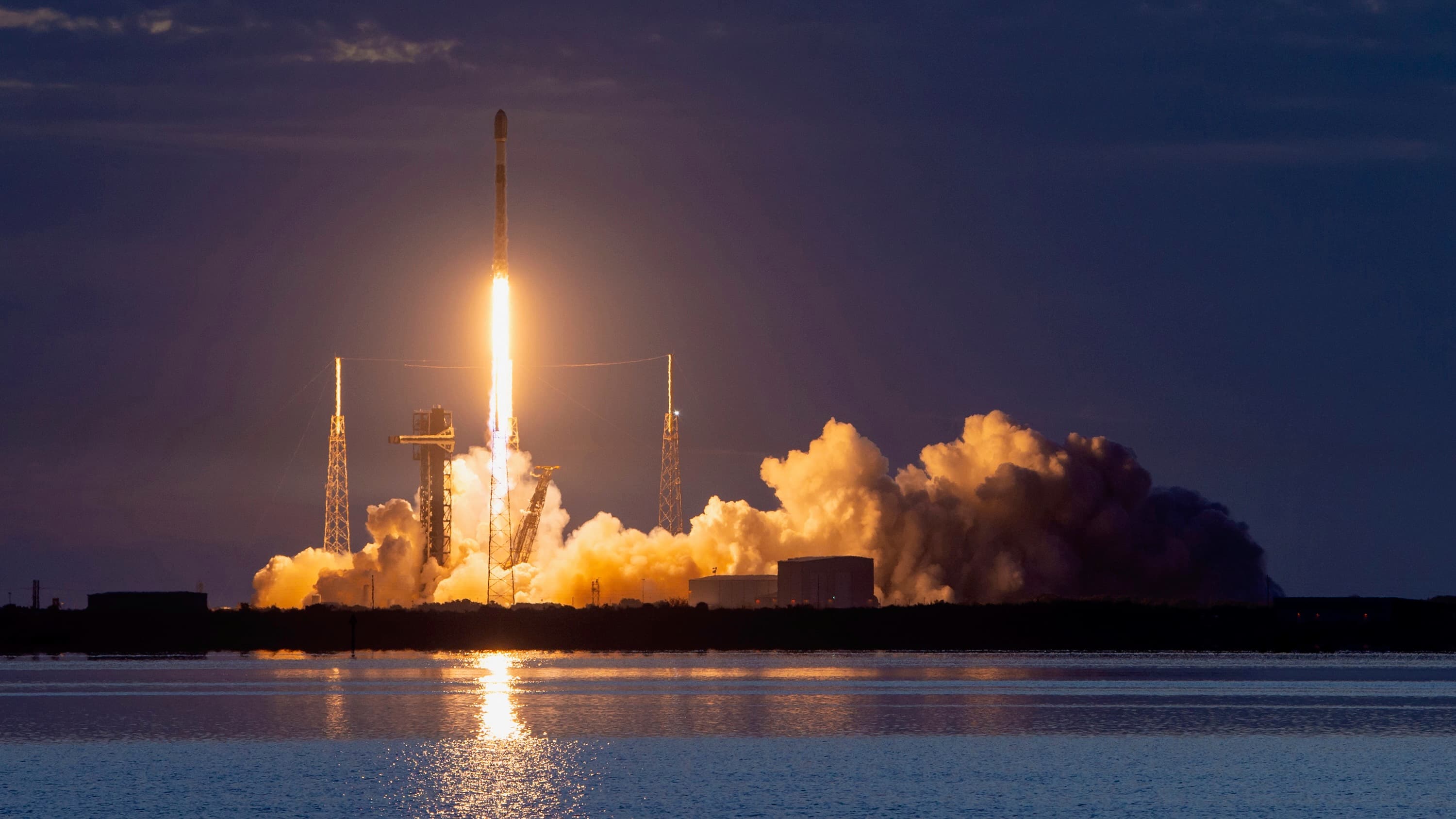
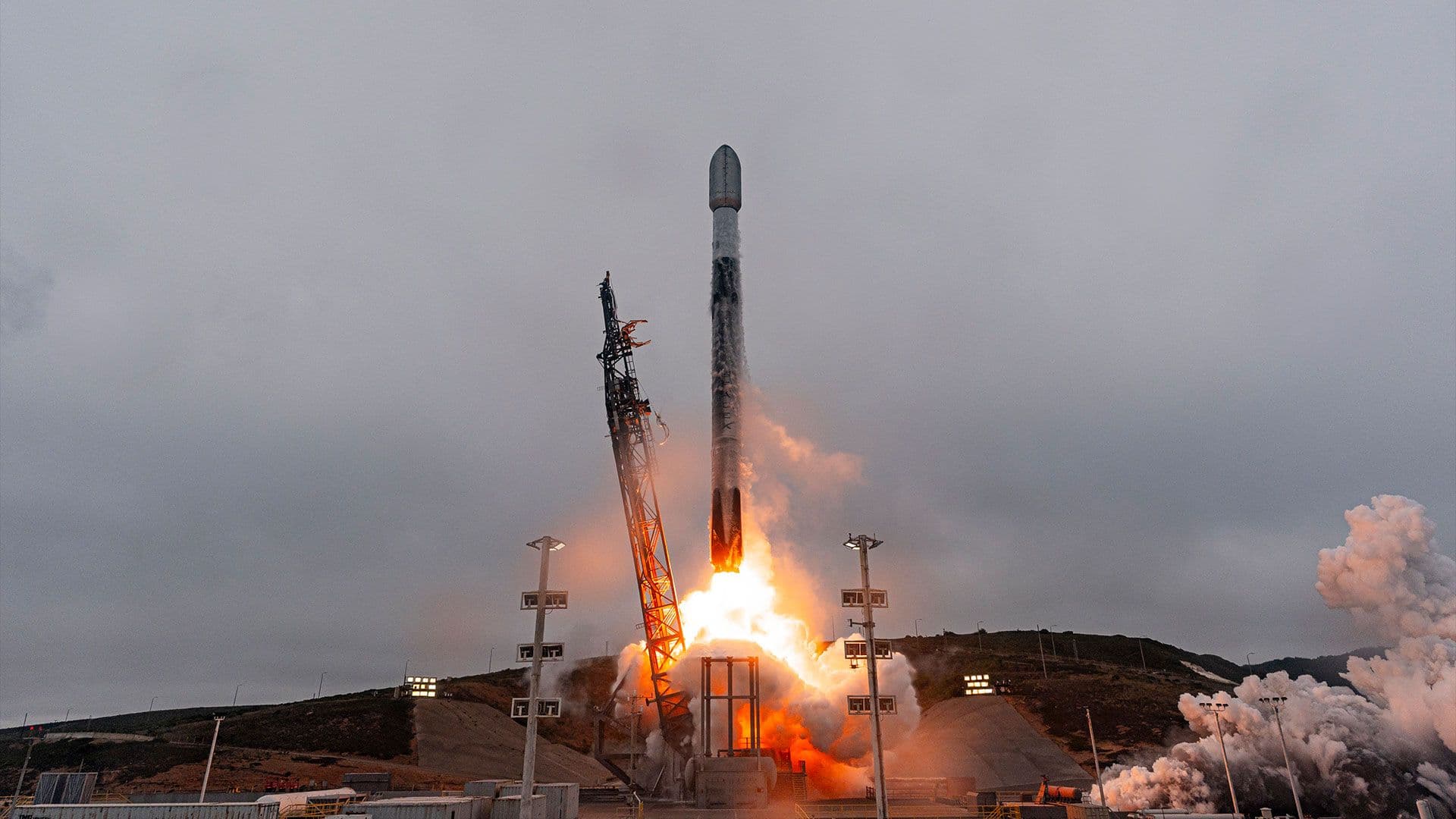
SpaceX sent 24 Starlink satellites into orbit from Vandenberg Space Force Base on June 11, pushing the constellation past 10,600 satellites. The launch came just one day before the company's anticipated NASDAQ debut at a $1.78 trillion valuation.

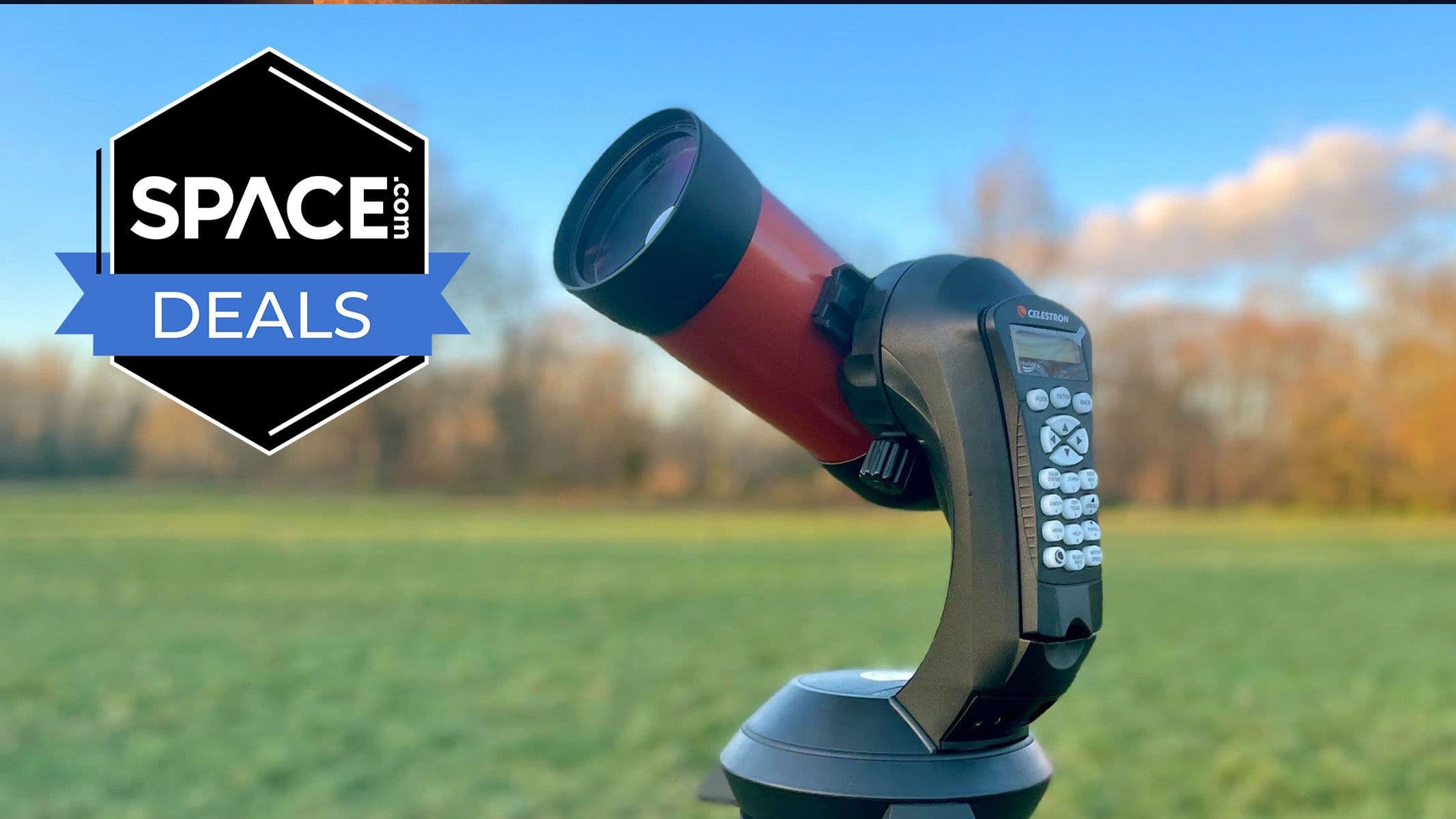
Celestron NexStar 4SE Drops to $649: Best Beginner Telescope
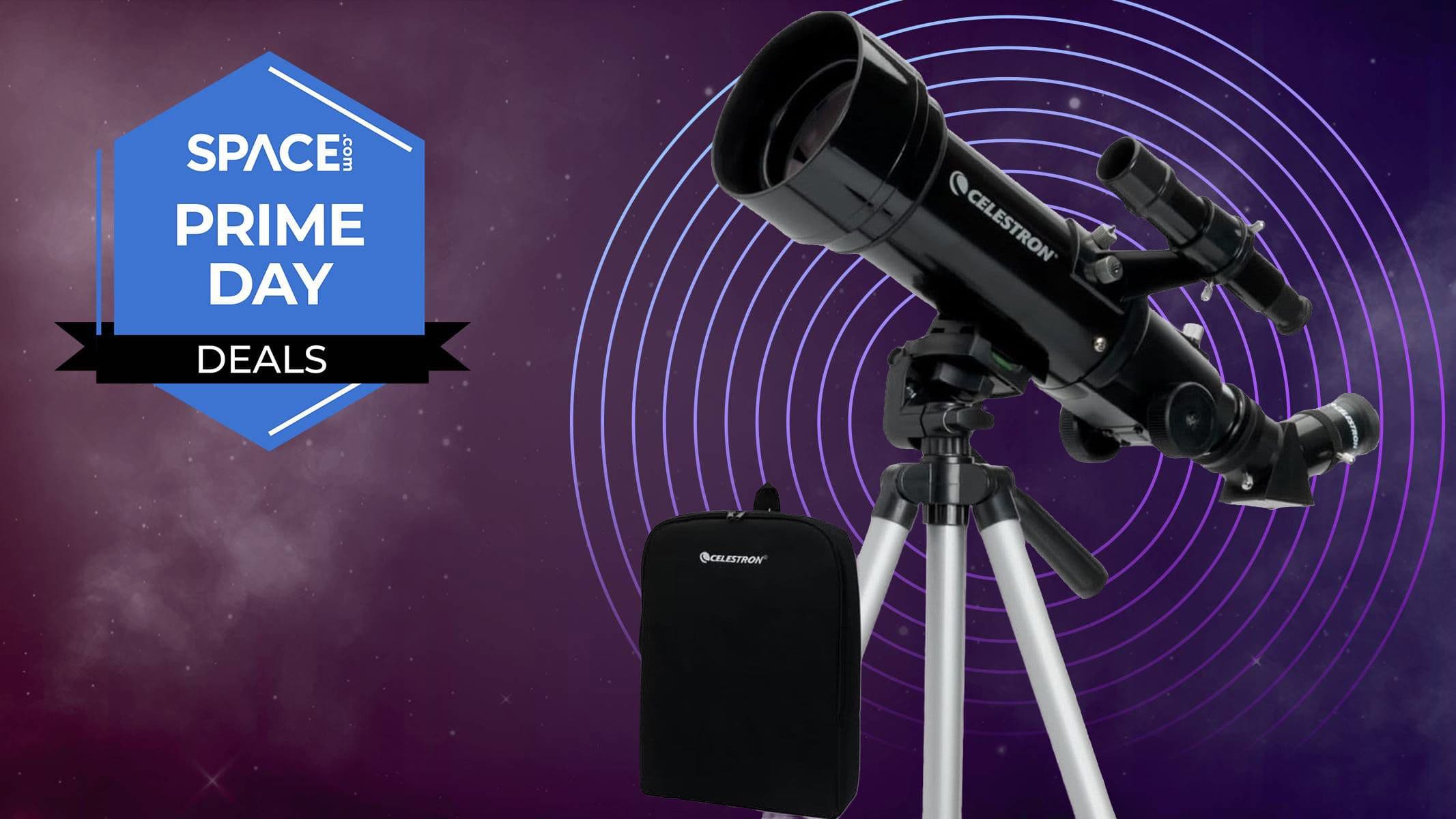
Amazon's pre-Prime Day sale cuts $100 off the Celestron NexStar 4SE, a computerized telescope that Space.com rates as their top pick for beginners. The 4-inch Maksutov-Cassegrain design offers sharp planetary views in a portable package with GoTo object tracking.

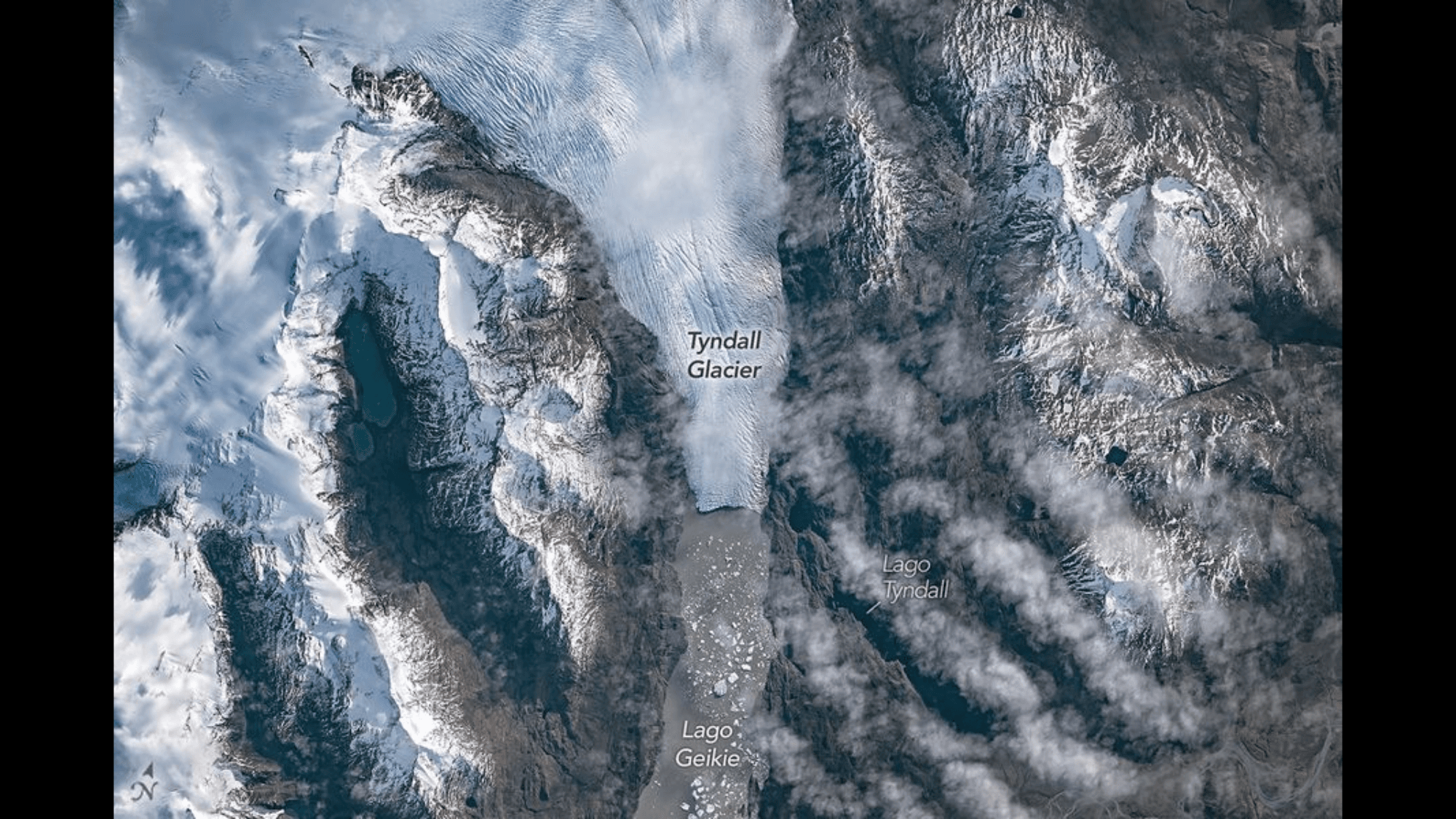
ISS Astronauts Capture Tyndall Glacier Crumbling Into Lake
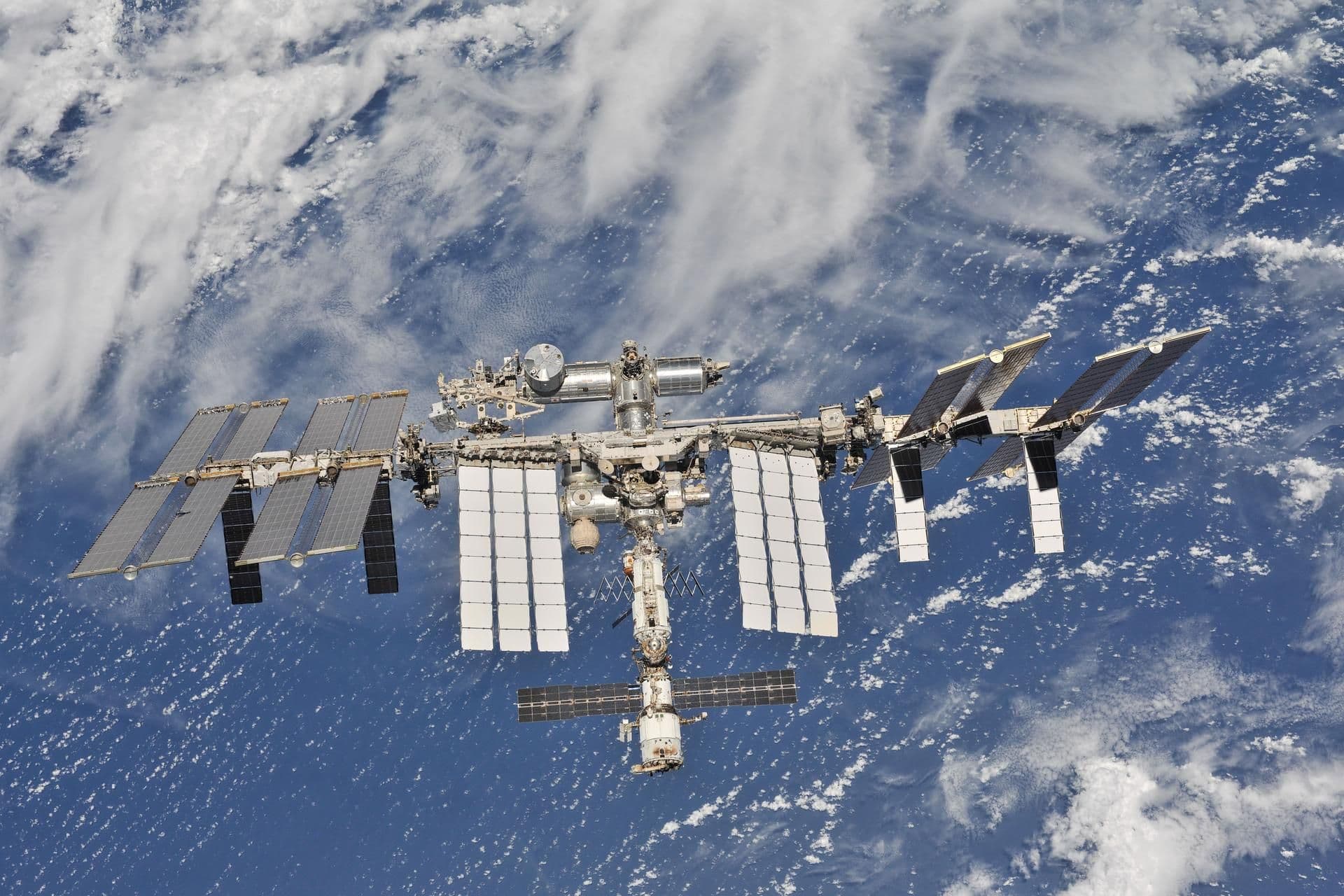
A photograph taken from the International Space Station shows ice fragments breaking off Chile's Tyndall Glacier and floating into Lago Geikie. The glacier has retreated 2.2 kilometers in just four years, part of a 150-year decline now accelerating due to climate change.