Key Takeaways
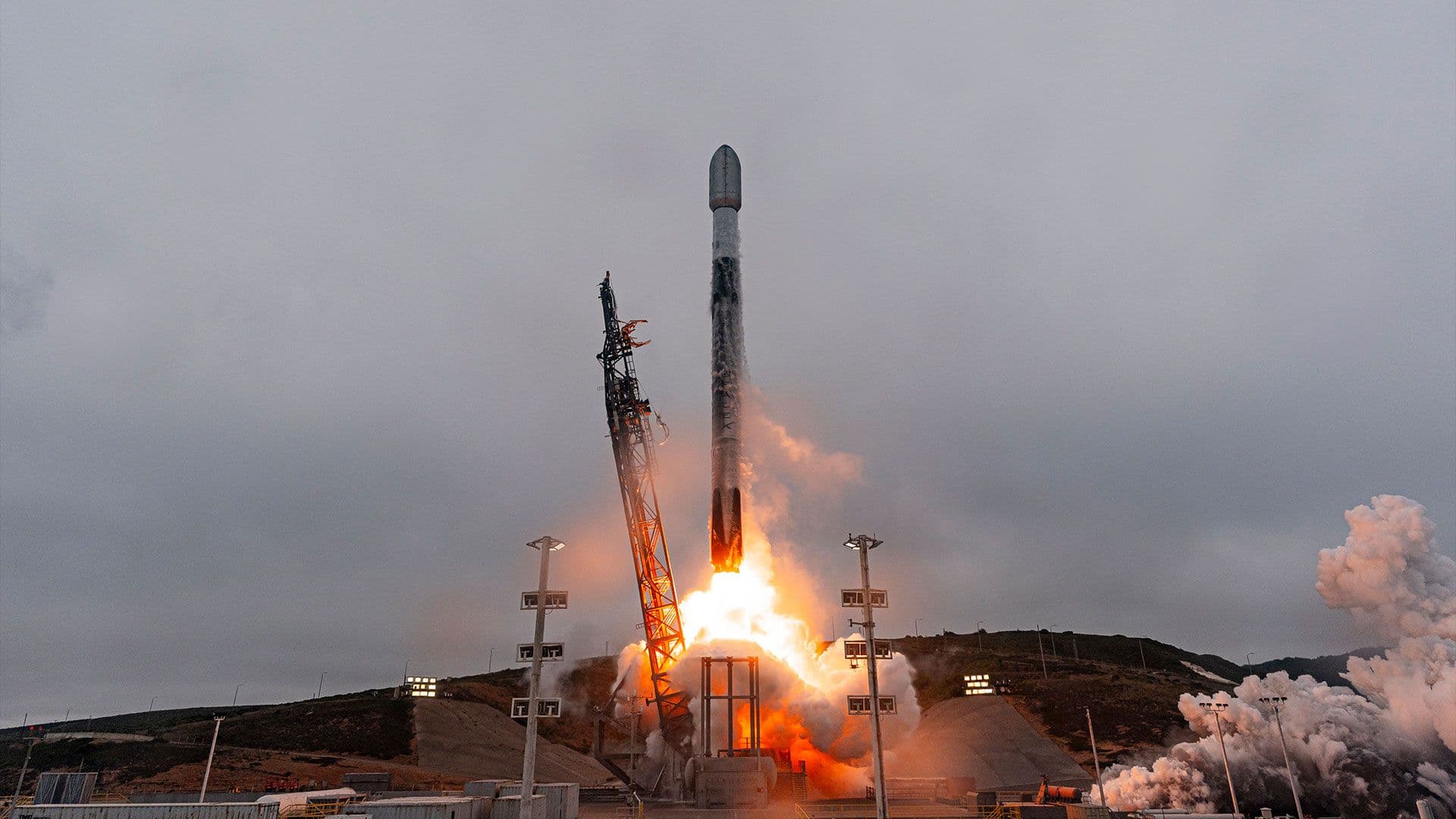
- SpaceX completed its first Starlink mission since going public on June 12, deploying 24 satellites to orbit
- The IPO valued SpaceX at $1.77 trillion, making it the largest public offering in history
- The Starlink constellation now exceeds 10,660 active satellites providing global broadband
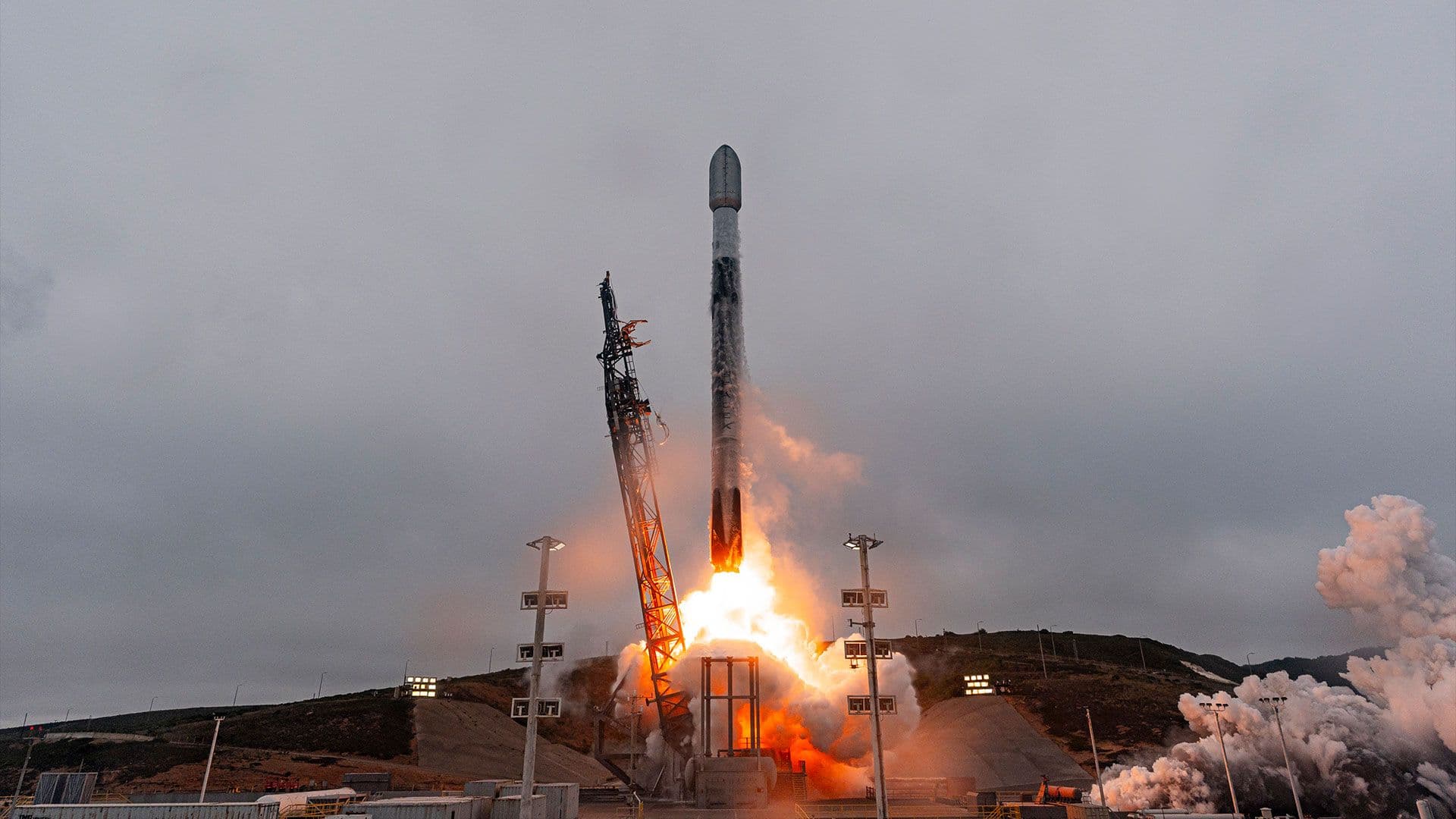
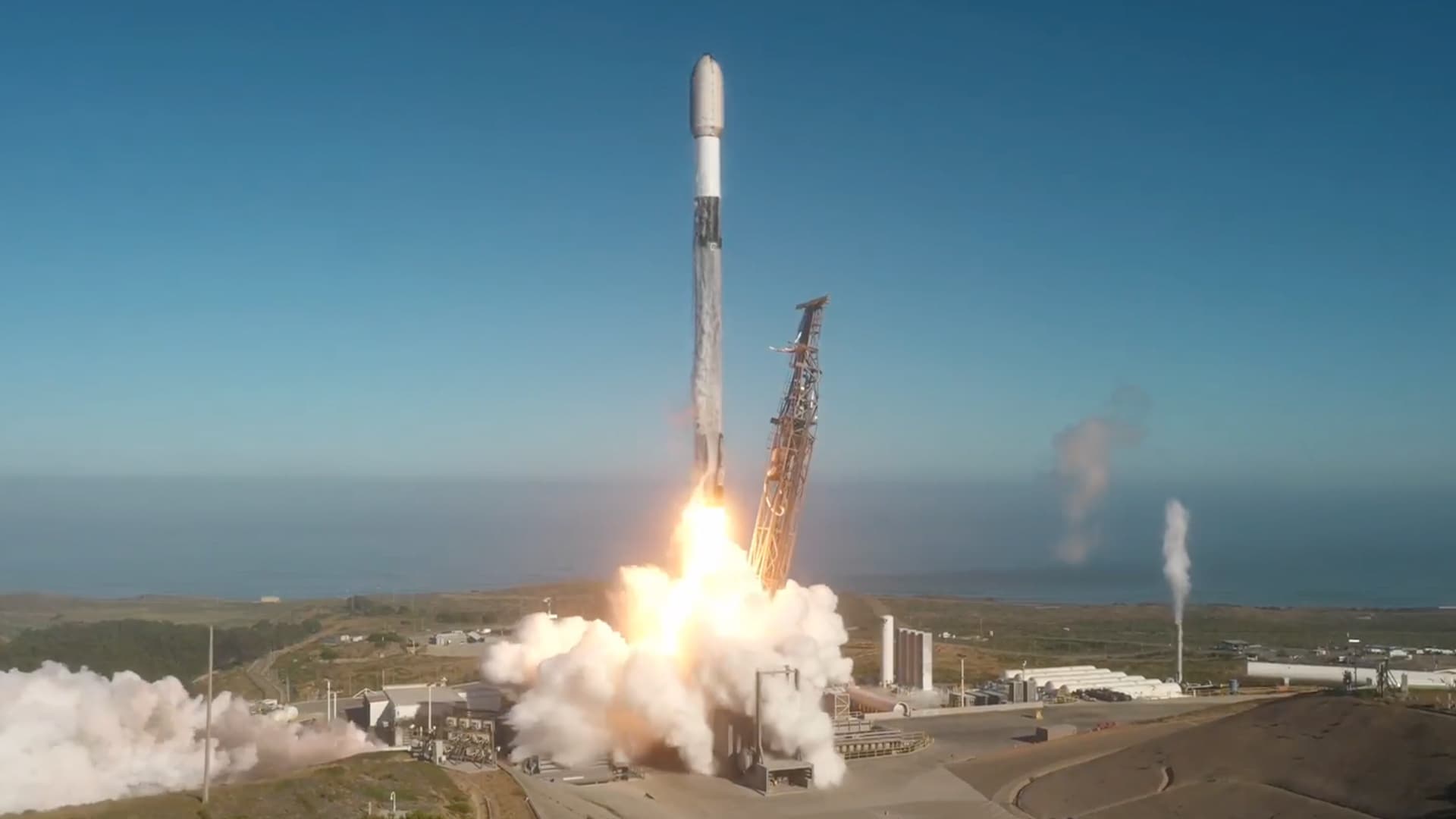
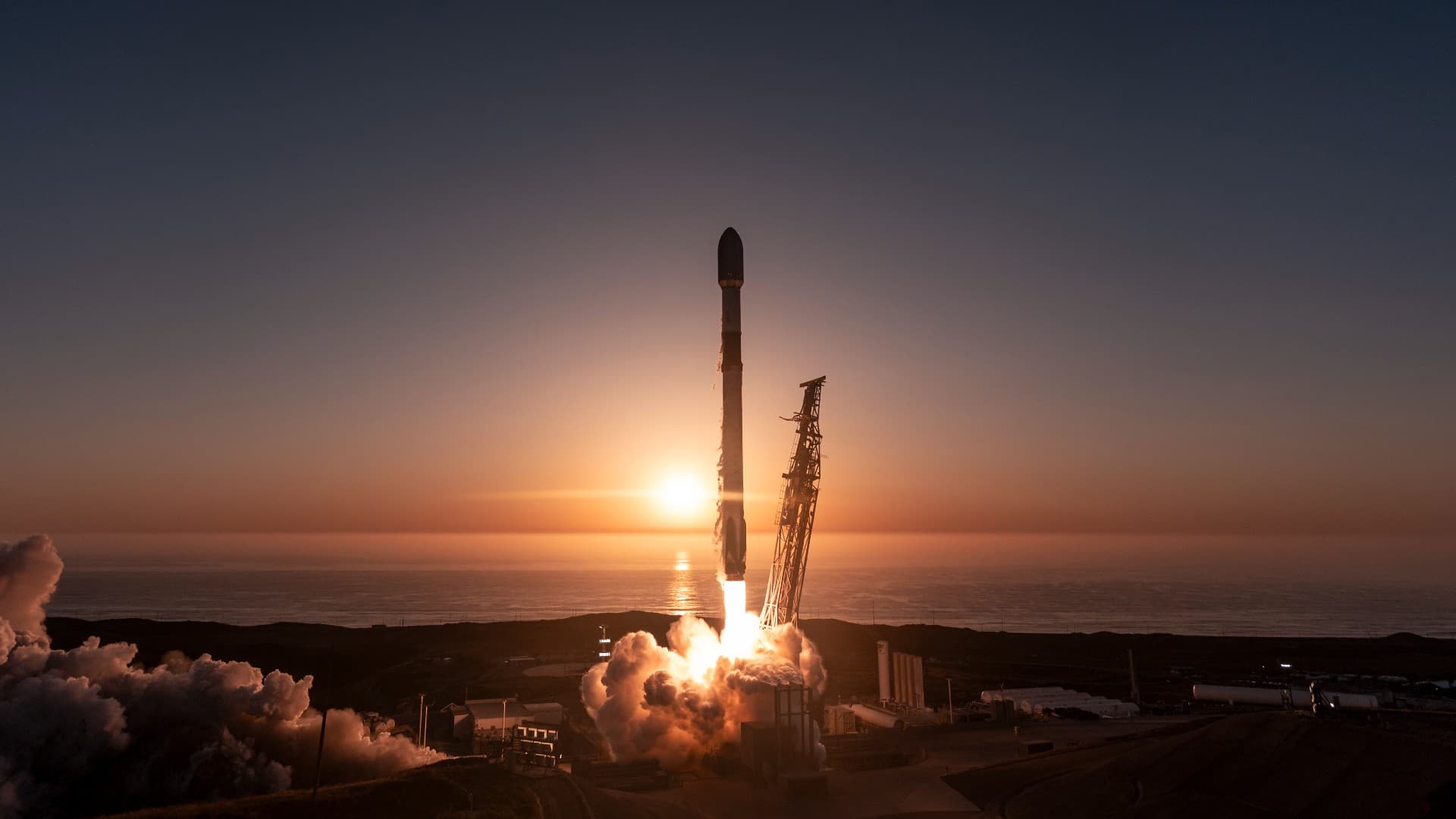
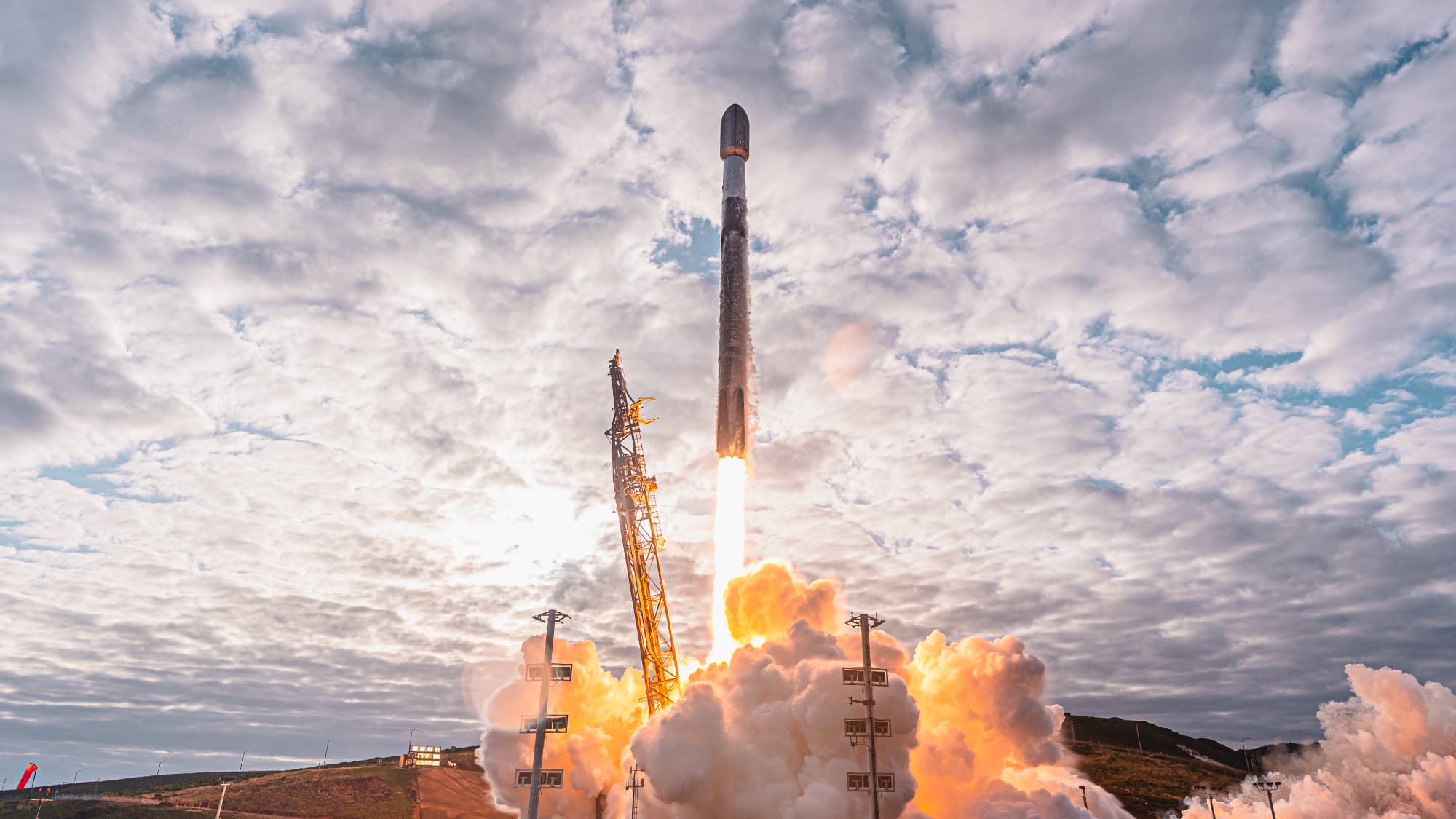
SpaceX launched 24 Starlink satellites on Monday, June 15, completing its first mission since becoming a publicly traded company three days earlier. The Falcon 9 lifted off from Vandenberg Space Force Base in California at 11:34 a.m. EDT, with the company confirming successful satellite deployment about an hour later.
The launch came as SpaceX stock continued its post-IPO climb. Trading under the ticker SPCX on the Nasdaq, shares were above $180 at the time of the mission, representing a jump of roughly 20 percentage points from the opening price on Friday.
What happened during the launch?
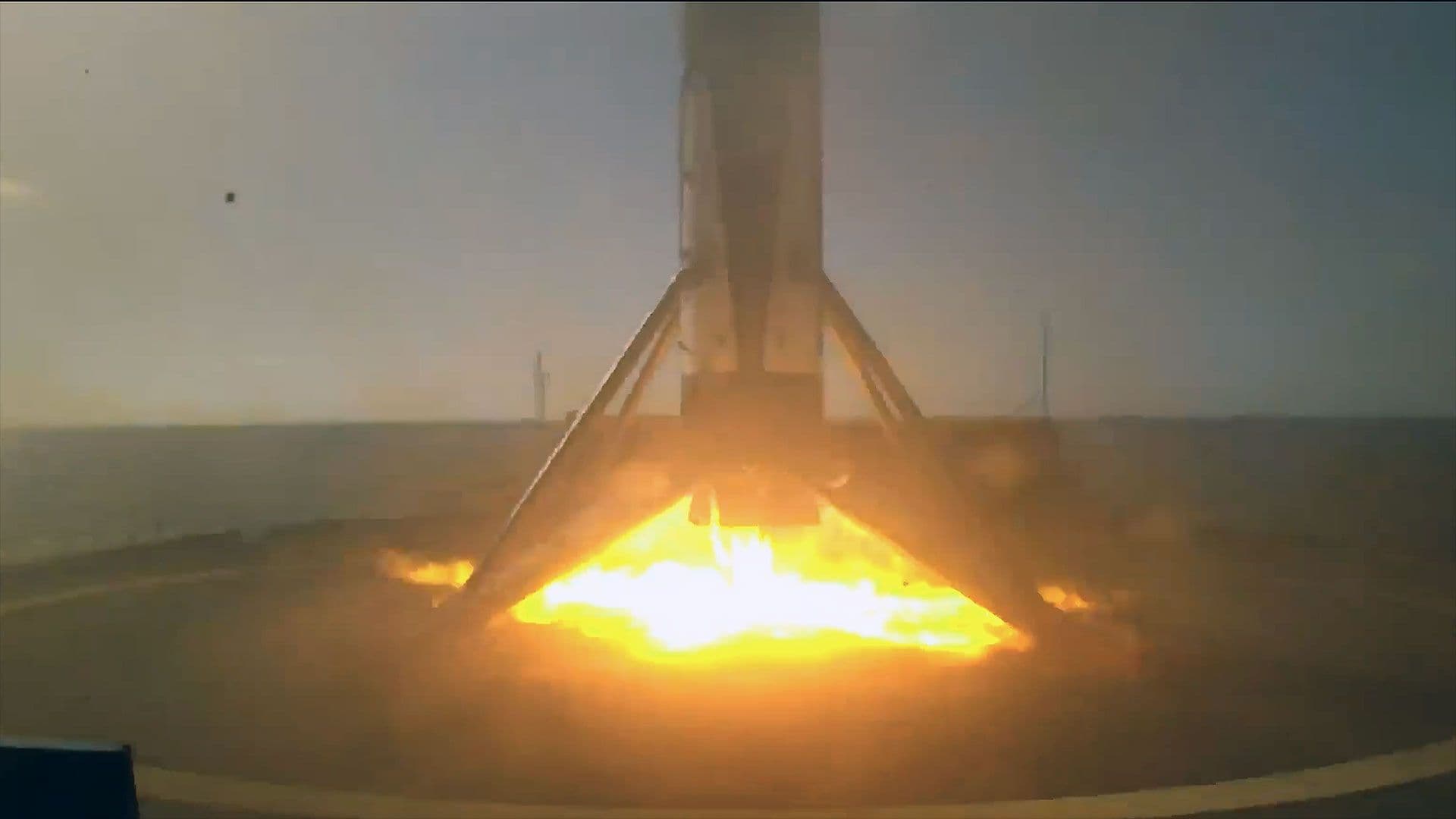
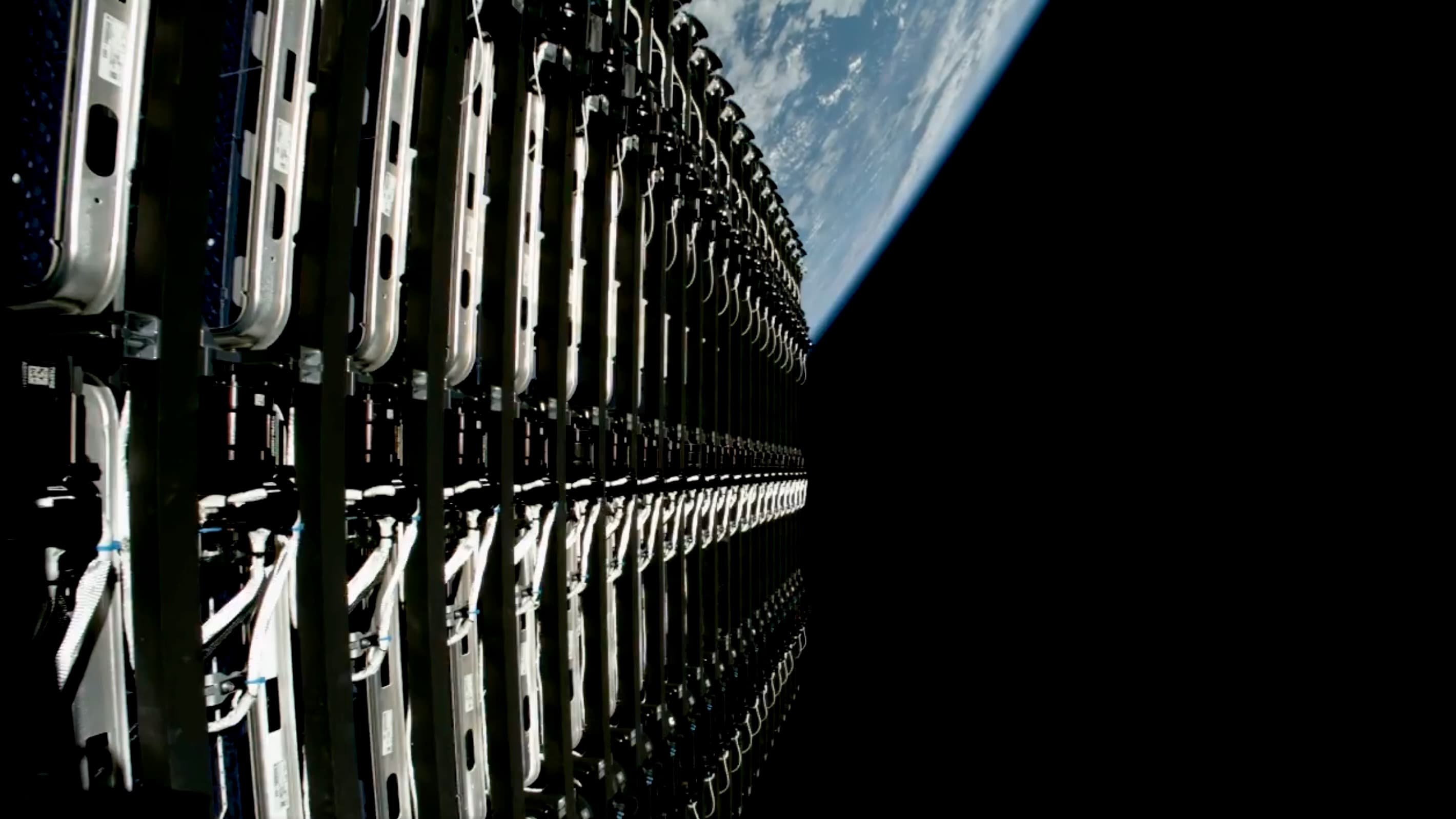
Booster B1093, the Falcon 9's first stage, landed on the drone ship Of Course I Still Love You in the Pacific Ocean about 8.5 minutes after liftoff. This was the booster's 14th flight, continuing SpaceX's strategy of aggressive reuse. The 24 satellites, designated Group 17-54, joined the Starlink megaconstellation.
According to satellite tracker Jonathan McDowell, the deployment raised the active Starlink count to 10,660 units. The network now provides broadband internet globally, powers inflight wifi for several airlines, and enables direct cell-to-satellite access for select mobile providers.
Monday's mission was SpaceX's 69th Falcon 9 flight of 2026. More than 80% of those launches have been dedicated to Starlink, underscoring how central the satellite internet business has become to the company's operations.
How big was the SpaceX IPO?
The initial public offering on June 12 was the largest in history. SpaceX raised $85.7 billion and entered the market with a valuation of $1.77 trillion. By Monday, estimates put the company's market cap at approximately $2.8 trillion.
The offering made founder and CEO Elon Musk the world's first trillionaire. More than 4,400 current and former SpaceX employees are estimated to have become millionaires through the stock distribution.
What does public scrutiny mean for SpaceX operations?
As a private company, SpaceX could operate with minimal disclosure. That changes now. Quarterly earnings reports, shareholder meetings, and SEC filings will expose the company's finances in ways they never have been before.
Gwynne Shotwell, SpaceX's President and COO, framed the transition optimistically. "Today we aren't just launching satellites; we are accelerating the future of global connectivity, now with the backing of our public shareholders," she said.
Discussion on Reddit and Hacker News has been less uniformly bullish. Some investors are debating whether the $2.8 trillion valuation can be sustained by actual revenue. SpaceX's income comes primarily from two streams: launch services for government and commercial clients, and Starlink subscriptions. The latter has scaled rapidly but faces competition from Amazon's Project Kuiper and regulatory friction in several countries.
Why Starlink dominates the launch manifest
With over 80% of Falcon 9 missions in 2026 dedicated to Starlink, SpaceX is effectively its own biggest customer. This vertical integration is unusual. Most launch providers depend heavily on external contracts. SpaceX has built a scenario where demand for its rockets is largely self-generated.
The constellation now exceeds 10,600 active satellites. That number will keep climbing. SpaceX holds FCC approval for up to 12,000 first-generation satellites and has filed for authorization of 30,000 more under its second-generation plans.
Another high-stakes commercial space mission scheduled for this year
What's next for SPCX investors?
The first earnings call will be the real test. Investors will want clarity on Starlink subscriber growth, launch contract margins, and the Starship development timeline. The company's integration of xAI adds another variable. How much SpaceX is spending on AI infrastructure, and whether that spending will translate to revenue, remains opaque.
For now, the market is voting with optimism. Whether that optimism survives contact with quarterly disclosures is the open question.

Logicity's Take
SpaceX's valuation assumes Starlink becomes critical global infrastructure, not just a broadband alternative. That's a bet on regulatory cooperation across dozens of countries and on subscriber growth in markets where the service isn't yet legal or affordable. The IPO gives SpaceX capital to press that bet harder, but it also invites scrutiny the company has never faced. Musk's other ventures have stumbled under public-market pressure. Whether SpaceX is different will be clear within a few quarters.
Frequently Asked Questions
What is SpaceX's stock ticker symbol?
SpaceX trades on the Nasdaq under the ticker symbol SPCX, following its June 12, 2026 IPO.
How many Starlink satellites are currently in orbit?
As of June 15, 2026, there are 10,660 active Starlink satellites in low Earth orbit.
What was SpaceX's IPO valuation?
SpaceX was valued at $1.77 trillion at its initial public offering, making it the largest IPO in history.
How many SpaceX employees became millionaires from the IPO?
More than 4,400 current and former SpaceX employees are estimated to have become millionaires through the stock distribution.
Need Help Implementing This?
Looking to track space industry developments or analyze public market implications for your portfolio? Contact Logicity's research team for tailored briefings on emerging space infrastructure investments.
Source: Latest from Space.com
Manaal Khan
Tech & Innovation Writer
Produced with AI assistance and reviewed by the Logicity editorial team. Learn more in our Editorial Policy.