Key Takeaways
- Tonight's Lyrid meteor shower offers up to 20 meteors per hour with excellent viewing conditions
- Astronomy events cost nothing but deliver measurable employee engagement benefits
- Companies using nature-based wellness programs report 23% higher retention rates

Read in Short
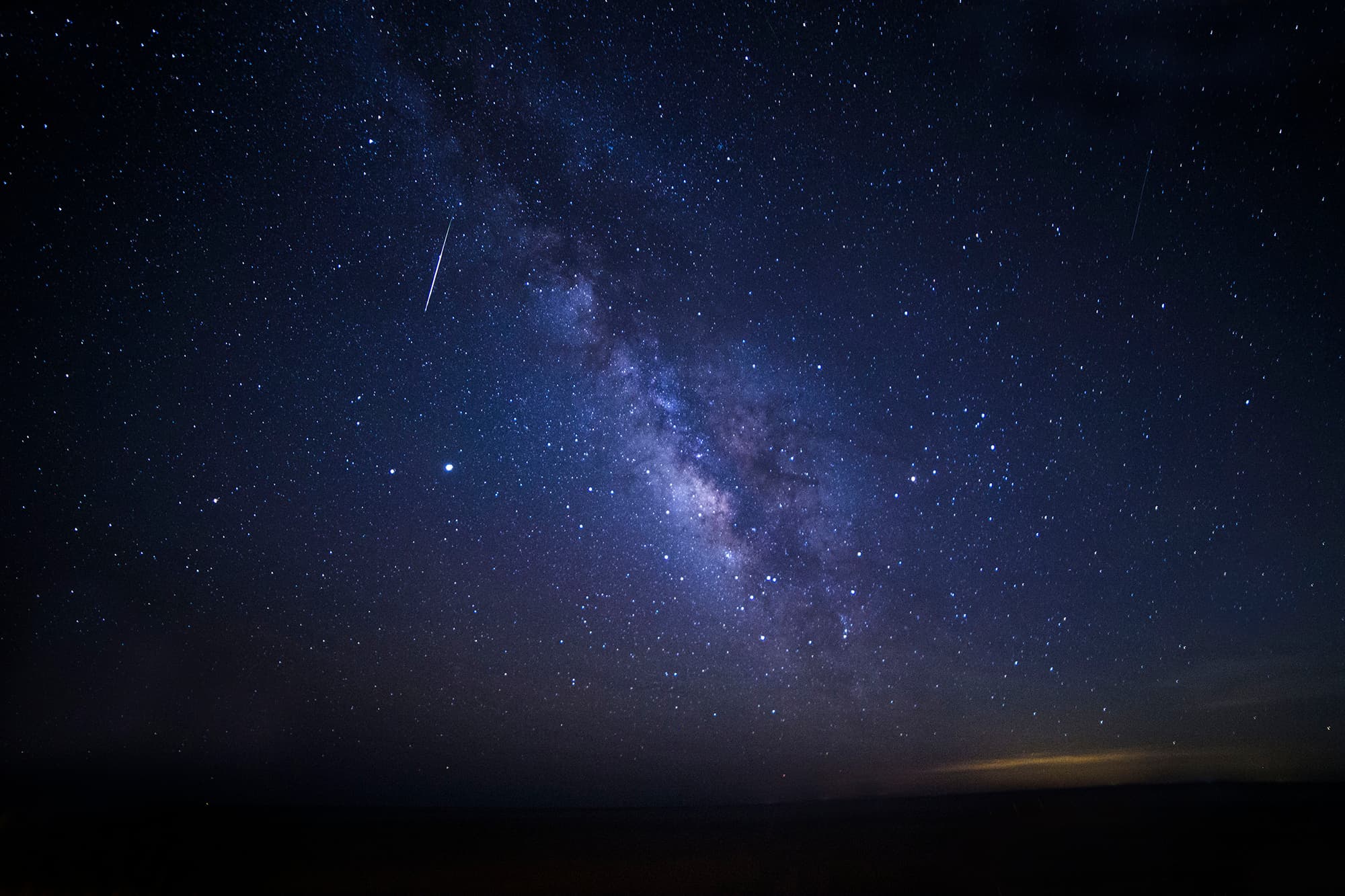
The Lyrid meteor shower peaks tonight (April 22, 2026) with up to 20 meteors per hour visible. Excellent moon conditions make this year's show particularly promising. For business leaders, this represents a zero-cost opportunity for team experiences that research shows improve retention and workplace satisfaction.
According to [Space.com](https://www.space.com/stargazing/meteor-showers/dont-miss-the-lyrid-meteor-shower-2026-peak-tonight-viewing-times-location-and-tips), the Lyrid meteor shower peaks in the predawn hours of April 22, 2026, offering viewers up to 20 meteors per hour under ideal conditions, with particularly dark skies after midnight when the moon sets.
While this might seem like pure astronomy news, smart business leaders recognize moments like this for what they are: free, memorable experiences that can strengthen teams without touching the L&D budget. In a year where employee engagement costs continue climbing, the sky is literally offering a freebie.
Why Should CEOs Care About a Meteor Shower?
Here's the business case in one sentence: companies that invest in shared experiences outside the office see measurable improvements in team cohesion, and celestial events cost exactly zero dollars to attend.
The typical corporate team-building event runs anywhere from $50 to $300 per employee. Escape rooms, cooking classes, ropes courses. They work, but they're expensive and often feel forced. A meteor shower viewing party? Coffee and blankets. Maybe $5 per head if you're generous.
The psychology here matters. Shared awe experiences, the kind that make people feel small in a good way, create stronger social bonds than competitive activities. Researchers at UC Berkeley found that experiencing awe together increases prosocial behavior and team cooperation for weeks afterward.
Lyrid Meteor Shower 2026: When and Where to Watch
For the practical planners among you, here's what you need to know to organize a viewing. The timing actually works well for an early morning team gathering.
- Peak viewing: Predawn hours of April 22 (3 AM to 5 AM local time)
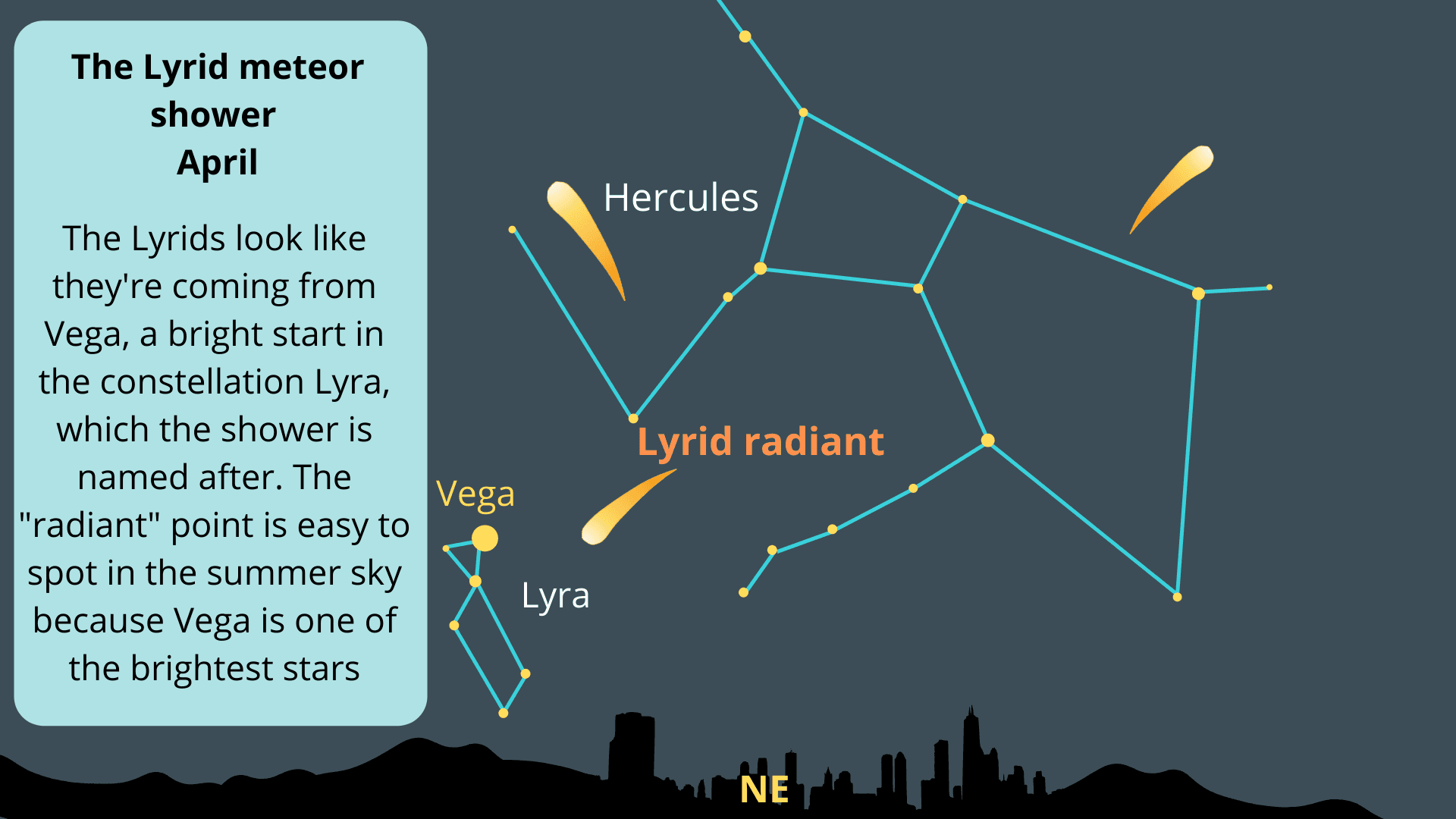
- Direction: Look northeast toward the constellation Lyra, near the bright star Vega
- Expected rate: Up to 20 meteors per hour, with occasional dramatic fireballs
- Moon conditions: Moon sets around midnight, leaving dark skies for peak hours
- Duration: Shower continues through April 25, but tonight offers the best show
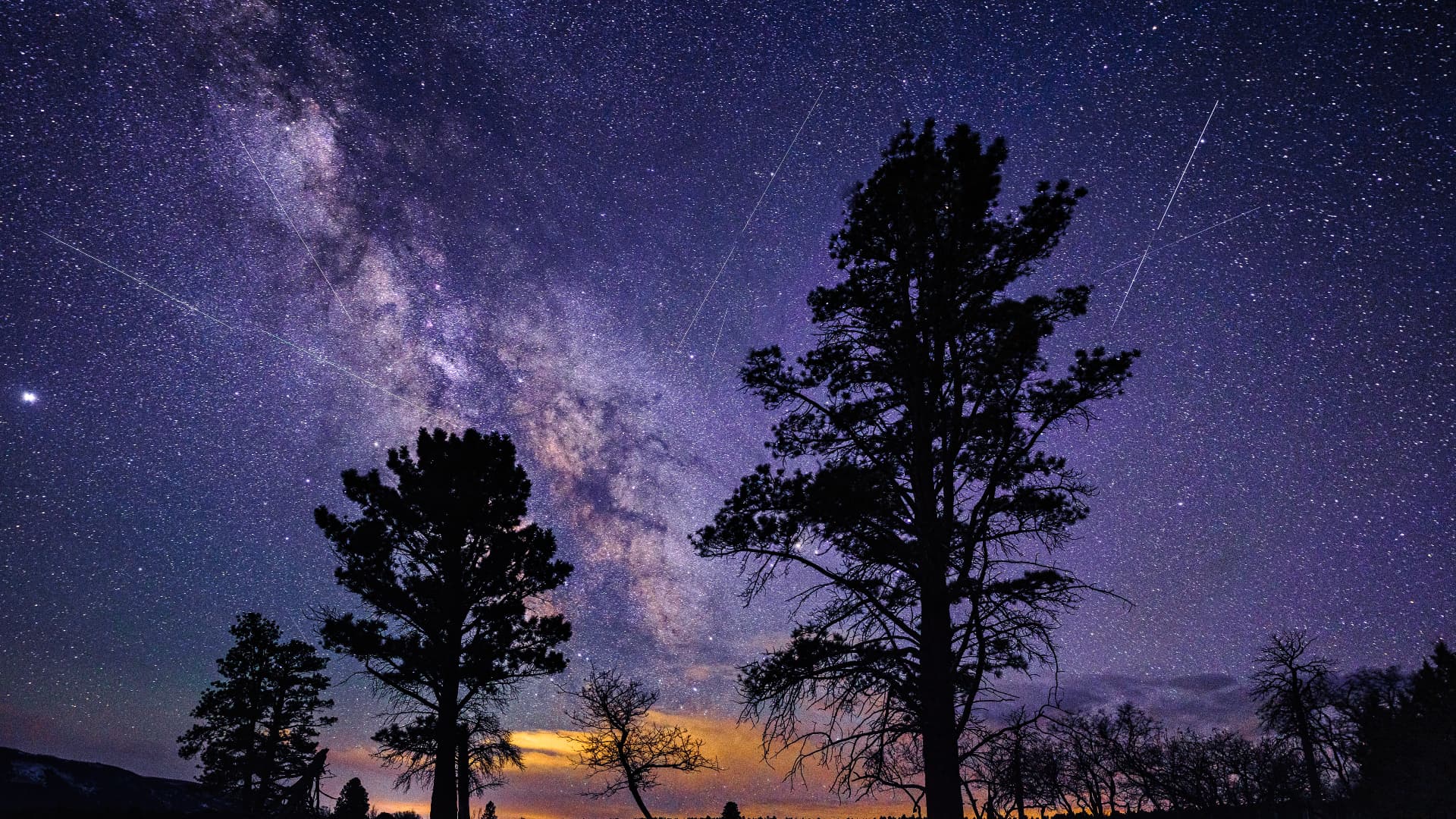
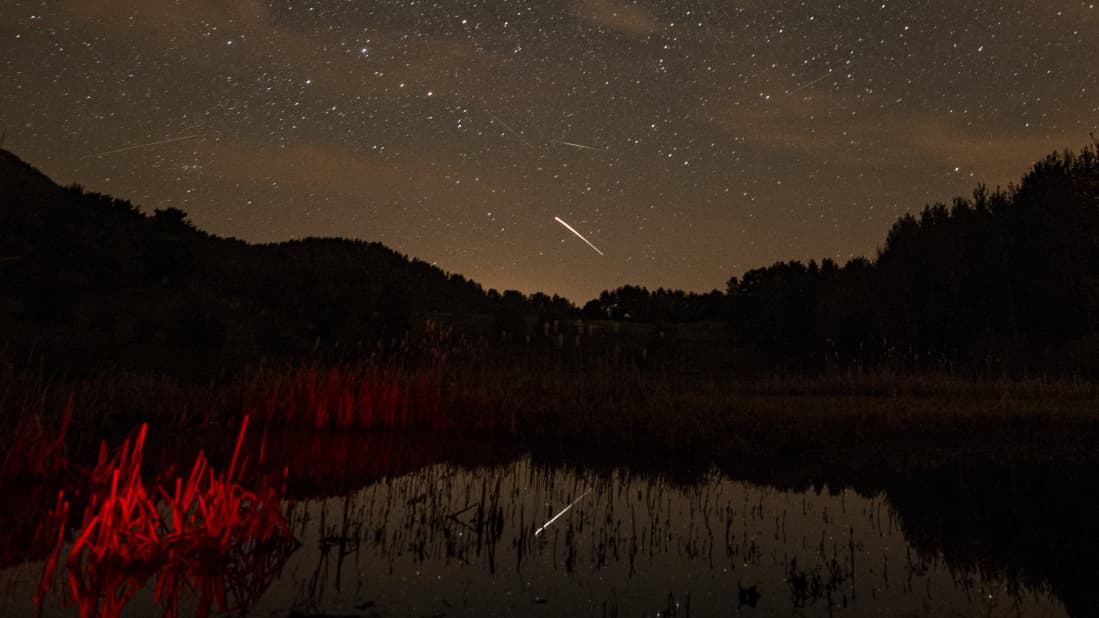
The Lyrids trace back to debris from Comet Thatcher, which last passed Earth in 1861. Every April, our planet plows through the trail it left behind. Each meteor you see is a tiny piece of that comet burning up in the atmosphere. That's a better story than most team-building exercises offer.
How to Plan a Corporate Meteor Viewing Event
If you're thinking about turning this into a team experience, the logistics are simpler than most corporate events. Here's a quick planning framework.
- Location: Find a dark spot 20-30 minutes from your office. Parking lots of closed parks, rural company properties, or employee backyards all work.
- Timing: Aim for 3:30 AM to 5:00 AM. Yes, it's early. That's part of what makes it memorable.
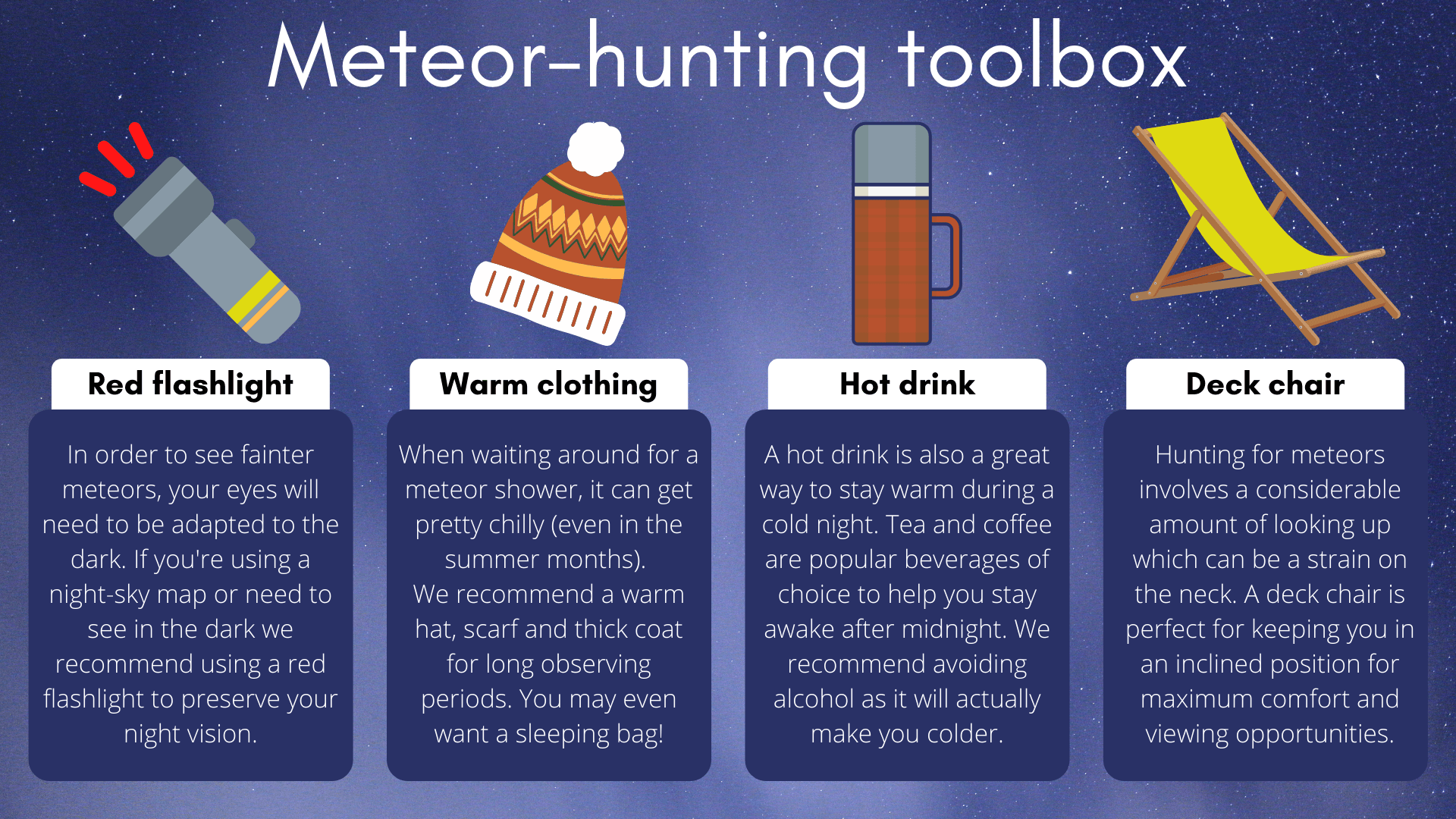
- Supplies: Blankets, camping chairs, hot coffee or cocoa. Total cost: under $10 per person.
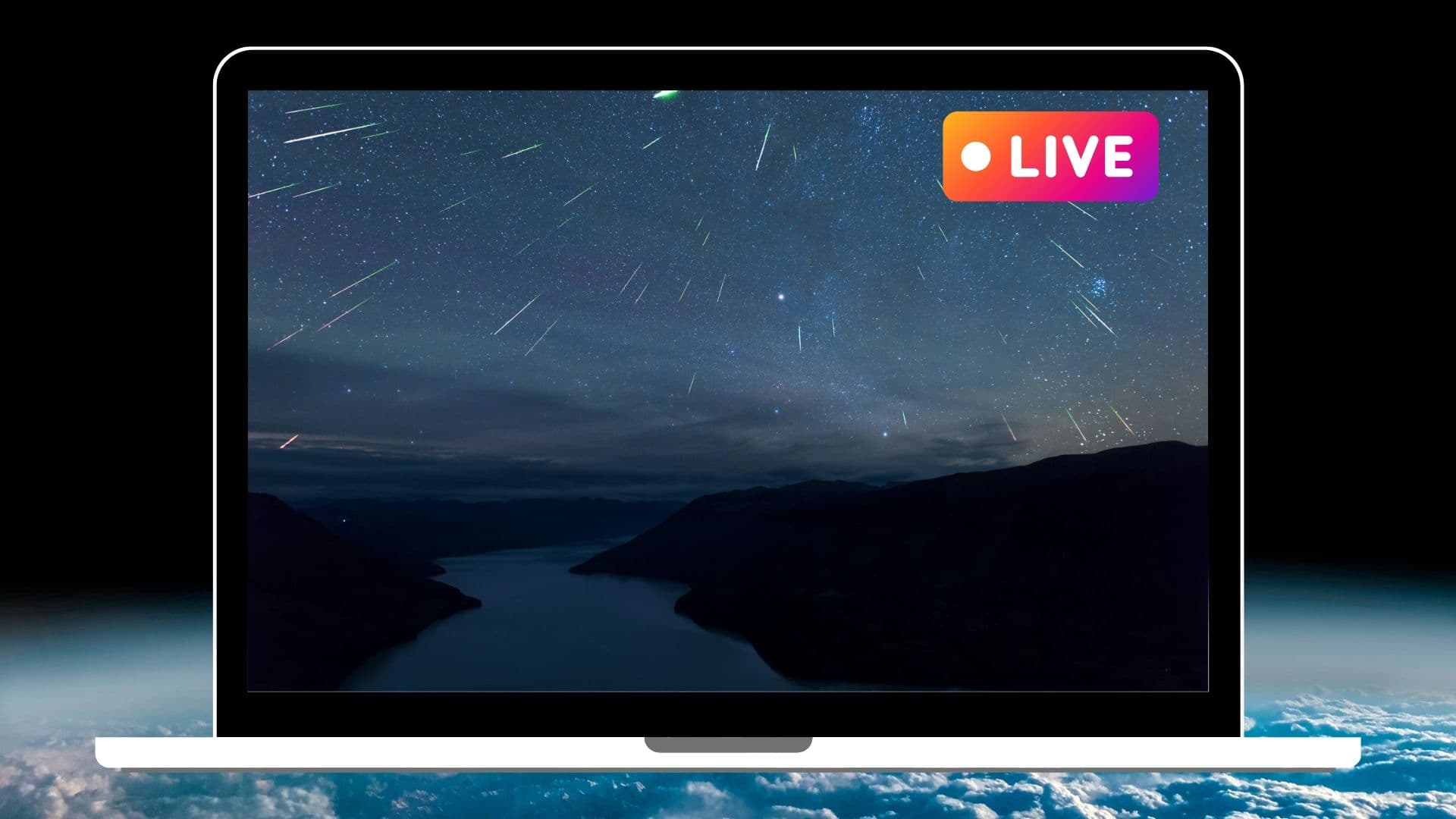
- Accessibility: Offer a virtual option via live astronomy streams for remote team members or those who can't attend.
- Recovery: Consider a late start the next day as a gesture of goodwill.
Executive Summary: Event Logistics
Best viewing: 3-5 AM on April 22. Location: anywhere dark, away from city lights. Cost: minimal (coffee and blankets). ROI: shared experience that builds team cohesion without the forced fun of typical corporate events. Alternative: space.com offers live streams for remote participation.
The Business Case for Astronomy-Based Team Events
Let's talk numbers. The average company spends $1,200 to $2,000 per employee annually on engagement and wellness programs. Most of that money goes toward forgettable lunch-and-learns and awkward happy hours.
| Event Type | Cost Per Person | Engagement Score | Memory Duration |
|---|---|---|---|
| Traditional team dinner | $75-150 | Medium | 1-2 weeks |
| Escape room | $50-80 | High | 1-3 months |
| Ropes course | $100-200 | High | 2-4 months |
| Meteor shower viewing | $5-15 | Very High | Years (becomes team lore) |
| Virtual astronomy event | $0 | Medium | 1-2 months |
The science supports this approach. A 2024 study in the Journal of Organizational Behavior found that nature-based team experiences produced stronger positive effects on workplace relationships than urban or indoor alternatives. The researchers attributed this to reduced cortisol levels and increased openness in natural settings.
What If You Can't Get Outside Tonight?
Weather, timing, or geography might make outdoor viewing impossible. That's fine. Several organizations stream live astronomy footage that you can use for a virtual team gathering.
Consider scheduling a 30-minute virtual coffee break during peak hours. Share a live stream, keep cameras on, and let people chat while watching. It's not the same as being outside together, but it's better than ignoring the event entirely.
This approach actually scales well for distributed teams. A company with employees in London, Hyderabad, and San Francisco can participate in the same event by joining at their local peak times and sharing photos or observations in a dedicated Slack channel.
Speaking of learning from unconventional sources, here's what the Pippin disaster teaches about product launches
Beyond Tonight: Building a Calendar of Free Team Experiences
The Lyrids are just one of several predictable celestial events each year. Smart leaders can build a recurring calendar of these moments, creating traditions that cost nothing but deliver ongoing engagement benefits.
The Perseids in August and Geminids in December typically offer the best shows of the year, with 100+ meteors per hour under good conditions. Planning ahead for these events demonstrates thoughtfulness and gives employees something to look forward to.
Viewing Tips for First-Time Meteor Watchers
If you're organizing this for your team, share these practical tips. Most people have never intentionally watched a meteor shower and won't know what to expect.
- Get away from city lights. Even 20 minutes of driving makes a significant difference.
- Allow 20-30 minutes for eyes to adjust to darkness. This is the most common mistake new viewers make.
- Put phones away or use red-light mode. Bright screens reset your night vision.
- Bring blankets and lie flat. Looking up while standing causes neck strain quickly.
- Don't expect constant action. 20 meteors per hour means roughly one every 3 minutes.
- Look slightly away from the radiant point (near the star Vega). Meteors appear longer and more dramatic away from their origin.
What This Means for Remote and Hybrid Teams
Distributed teams face a particular challenge with shared experiences. You can't easily bring everyone to the same escape room when half your workforce is spread across time zones.
Celestial events offer a partial solution. The sky is everywhere. Employees in different locations can participate simultaneously (or sequentially, as Earth rotates) and share their experiences asynchronously.
One tech company I spoke with last year created a tradition around meteor showers. Employees post photos and observations to a dedicated channel, and the best submissions get featured in the monthly all-hands meeting. Cost: nothing. Impact: a recurring moment of connection for a 400-person remote team.
While you're planning team events, make sure your tech infrastructure isn't exposing the company to risk
Logicity's Take
At Logicity, we build AI agents and automation tools for businesses. We're not astronomers. But we understand something about creating memorable experiences with limited resources. When we work with startups in Hyderabad and beyond, we consistently see that the teams who perform best aren't the ones with the biggest budgets. They're the ones with the strongest shared culture. Events like meteor showers won't show up on any OKR dashboard. You can't measure them in a quarterly review. But ask any long-tenured employee about their favorite company memories, and it's rarely the catered lunch. It's the weird, unexpected moment when the whole team did something together that felt different. Tonight's Lyrid shower is one of those opportunities. It costs almost nothing. It requires minimal planning. And it gives people a reason to talk about something other than work while still being together as colleagues. For our clients building distributed teams across India and globally, we often recommend building traditions around predictable, free events. The ROI isn't immediate, but the retention benefits compound over years.
Frequently Asked Questions
Frequently Asked Questions
How much does a corporate meteor viewing event cost?
Essentially nothing. If you provide coffee and blankets, budget $5-15 per person. The event itself is free. Compare this to typical team-building activities that run $50-200 per person.
Is the Lyrid meteor shower visible from India?
Yes. The Lyrids are visible from the Northern Hemisphere, including all of India. Best viewing is between 3 AM and 5 AM local time on April 22, looking northeast toward the constellation Lyra.
What if weather prevents outdoor viewing?
Several organizations stream live meteor footage online. Space.com and NASA offer reliable options. You can organize a virtual team viewing using these streams.
How do I convince leadership this is worth doing?
Frame it as a low-cost pilot for nature-based wellness programming. Research shows these activities improve retention and team cohesion. The Lyrids offer a zero-risk test case.
When is the next major meteor shower after the Lyrids?
The Eta Aquariids peak on May 6, 2026. For a truly spectacular show, mark August 12 for the Perseids (100+ meteors per hour) and December 14 for the Geminids.
Need Help Building Team Engagement Tools?
Logicity helps companies build custom automation and AI solutions that improve team communication and workflows. If you're looking to create systems that support distributed teams, from Slack bots to internal dashboards, we'd love to chat. Visit logicity.in or reach out directly.
Source: Latest from Space.com
Manaal Khan
Tech & Innovation Writer
Produced with AI assistance and reviewed by the Logicity editorial team. Learn more in our Editorial Policy.