Key Takeaways
- First crewed moon mission in 53 years opens $1.8 trillion space economy opportunities
- NASA's contractor ecosystem model offers lessons for enterprise partnerships
- Space tech innovations historically drive 7x commercial ROI through spinoffs
Read in Short
NASA's Artemis 2 mission just sent humans around the moon for the first time since 1972. The crew captured stunning far-side images during a 40-minute communications blackout. For business leaders, this isn't just a space story—it's a signal that the $1.8 trillion space economy is entering its next growth phase, with implications for aerospace suppliers, tech contractors, and anyone watching where government R&D dollars flow.
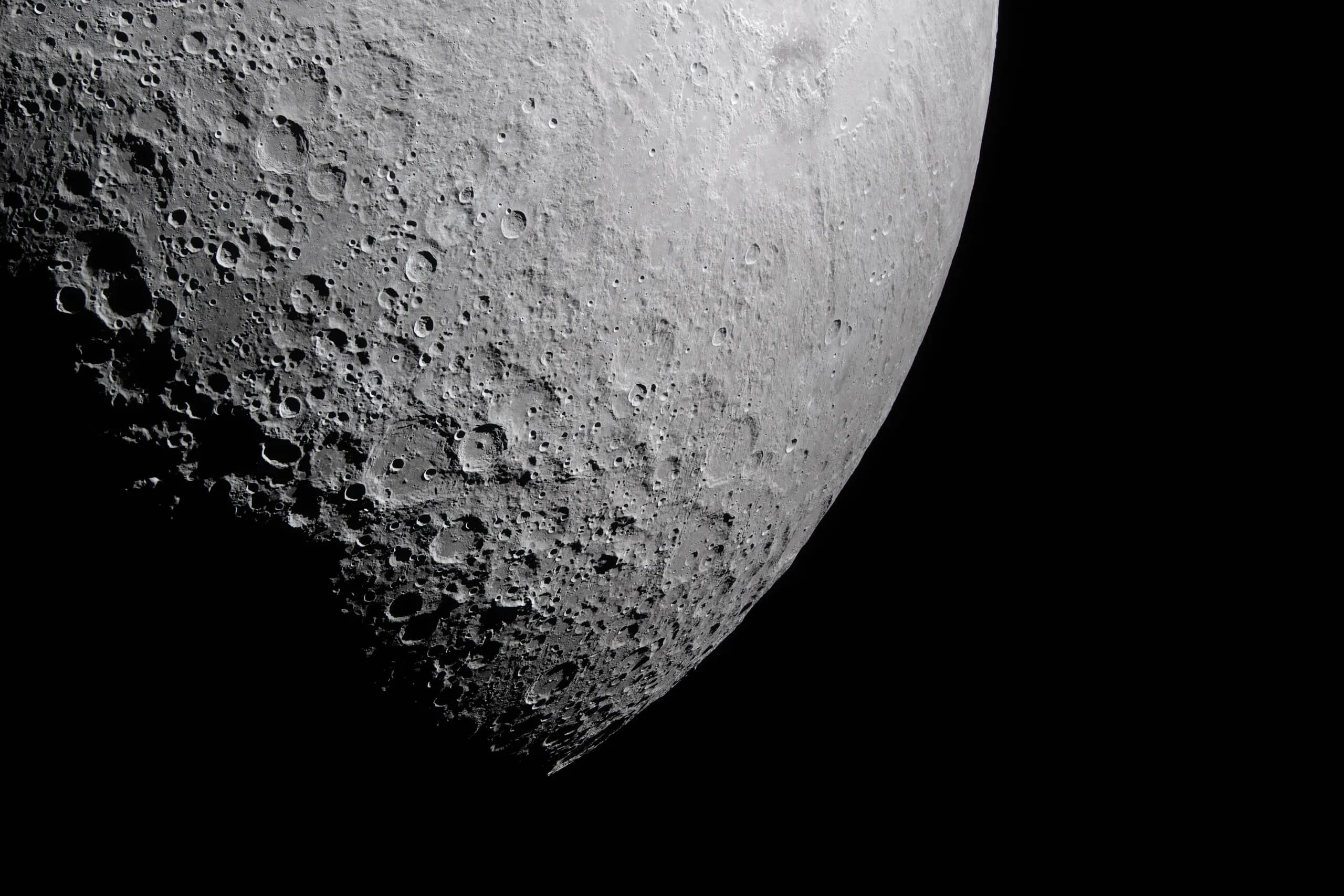
According to [Space.com](https://www.space.com/astronomy/moon/a-peek-at-the-far-side-of-the-moon-space-photo-of-the-day-for-april-20-2026), NASA's Artemis 2 astronauts captured a rare photograph of the moon's far side during their historic mission on April 6, 2026, marking the first time humans have traveled this far from Earth—252,756 miles—since the Apollo era ended in 1972.
But here's why this matters beyond the stunning imagery: the Artemis program represents a $93 billion investment through 2025, with projections pushing past $130 billion by decade's end. That money flows through a massive contractor ecosystem—Boeing, Lockheed Martin, SpaceX, and hundreds of smaller suppliers. If your business touches aerospace, advanced manufacturing, or government contracting, the Artemis economy is already affecting your market.
Why Should CEOs Care About the Artemis 2 Moon Mission?
The short answer: because space is no longer a prestige project. It's an economic sector growing at 9% annually, outpacing global GDP growth. NASA's return to crewed lunar missions isn't nostalgia—it's infrastructure for a commercial lunar economy that Goldman Sachs projects could reach $1 trillion by 2040.
The Artemis 2 mission carried four astronauts: Commander Reid Wiseman, Pilot Victor Glover, Mission Specialists Christina Koch and Jeremy Hansen. Their 10-day journey (April 1-10, 2026) tested the Orion spacecraft's life support systems with a human crew for the first time. This validation step is critical for Artemis 3, which will land astronauts on the lunar surface.
For business strategists, the program structure is instructive. NASA didn't build everything in-house. They contracted the Orion capsule to Lockheed Martin, the Space Launch System to Boeing, and ground systems to Jacobs Engineering. This distributed model creates opportunities—and risks—across the supply chain.
How Much Does NASA Spend on Artemis, and Where Does It Go?
| Component | Primary Contractor | Estimated Cost | Business Opportunity |
|---|---|---|---|
| Orion Spacecraft | Lockheed Martin | $15.6B through 2030 | Avionics, life support systems, materials |
| Space Launch System | Boeing | $23.8B to date | Propulsion, manufacturing, testing |
| Ground Systems | Jacobs Engineering | $4.5B+ | Infrastructure, launch operations |
| Gateway Station | Northrop Grumman/SpaceX | $8B projected | Modules, power systems, logistics |
| Lunar Lander | SpaceX (Starship) | $2.9B contract | Landing systems, surface operations |
These prime contracts cascade into thousands of subcontracts. Small and medium businesses capture roughly 20% of NASA contract dollars through the agency's supplier diversity requirements. If you're in precision manufacturing, advanced materials, or specialized software, there's a procurement pathway worth investigating.
What the 40-Minute Communications Blackout Tells Us About Space Operations
Here's a detail from the mission that business leaders should note: when Orion flew behind the moon, all communications with Earth stopped for approximately 40 minutes. The crew was completely autonomous. That's not a bug—it's a feature that exposes a critical challenge in space operations.
The moon blocks radio signals. Future lunar surface operations will require either relay satellites (NASA's Lunar Gateway will help) or autonomous systems that can make decisions without Earth-based controllers. This creates demand for edge computing, AI decision systems, and redundant communications networks.
For tech companies, this latency problem parallels challenges in autonomous vehicles, remote industrial operations, and IoT deployments in connectivity-limited environments. The solutions NASA develops often find commercial applications within 5-10 years. GPS, memory foam, and water purification systems all trace lineage to space program R&D.
Space missions require data storage that survives extreme conditions—the same principles apply to protecting your business-critical data.
Space Technology ROI: What's the Business Case for Lunar Investment?
Skeptics ask: why spend billions returning to the moon? The business case rests on three pillars.
- Technology spinoffs: NASA estimates every $1 invested in space programs generates $7-14 in economic activity through commercial applications. MRI machines, scratch-resistant lenses, and portable computers all emerged from Apollo-era R&D.
- Lunar resources: The moon contains significant deposits of helium-3 (potential fusion fuel), rare earth elements, and water ice. Water can be converted to rocket fuel, making the moon a potential refueling station for deeper space missions.
- Strategic positioning: China's Chang'e program has landed on the lunar far side and established research stations. The geopolitical dimension drives government spending regardless of direct commercial returns.
The private sector is already betting on lunar economics. Companies like Astrobotic, Intuitive Machines, and ispace are developing commercial lunar landers. Blue Origin is building a lunar lander for NASA under a $3.4 billion contract. These aren't science projects—they're infrastructure investments.
What Industries Will Benefit From the Artemis Program?
If you're evaluating market exposure to the space economy, here's where Artemis dollars flow:
- Aerospace manufacturing: Primary and secondary structures, propulsion components, thermal protection systems
- Software and AI: Navigation systems, autonomous operations, mission planning tools
- Advanced materials: Radiation shielding, lightweight composites, thermal management
- Life support systems: Air revitalization, water recycling, food production
- Communications: Deep space networks, relay satellites, encryption systems
- Healthcare and biotech: Radiation protection, telemedicine, pharmaceutical manufacturing in microgravity
Executive Summary
The Artemis program isn't just about flags and footprints. It's a $130+ billion government investment creating supply chain opportunities, driving technology development, and positioning the US in a competitive landscape that now includes China's aggressive lunar program. Business leaders should track prime contractor announcements, SBIR/STTR funding opportunities, and technology transfer programs that could benefit their operations.
How Can Indian Tech Companies Participate in Space Programs?
India's space sector offers parallel opportunities. ISRO's commercial arm, NSIL, has opened the sector to private participation. Companies like Skyroot Aerospace and Agnikul Cosmos are building launch vehicles. The Chandrayaan program continues lunar exploration. For Indian tech companies, the domestic space economy is more accessible than NASA contracts—but the technology requirements are similar.
Software development, in particular, crosses borders easily. Navigation algorithms, mission simulation, data processing, and ground control systems require the same skills whether you're supporting ISRO or working as a subcontractor on international programs. The Artemis Accords—signed by 39 countries including India—create frameworks for international collaboration.
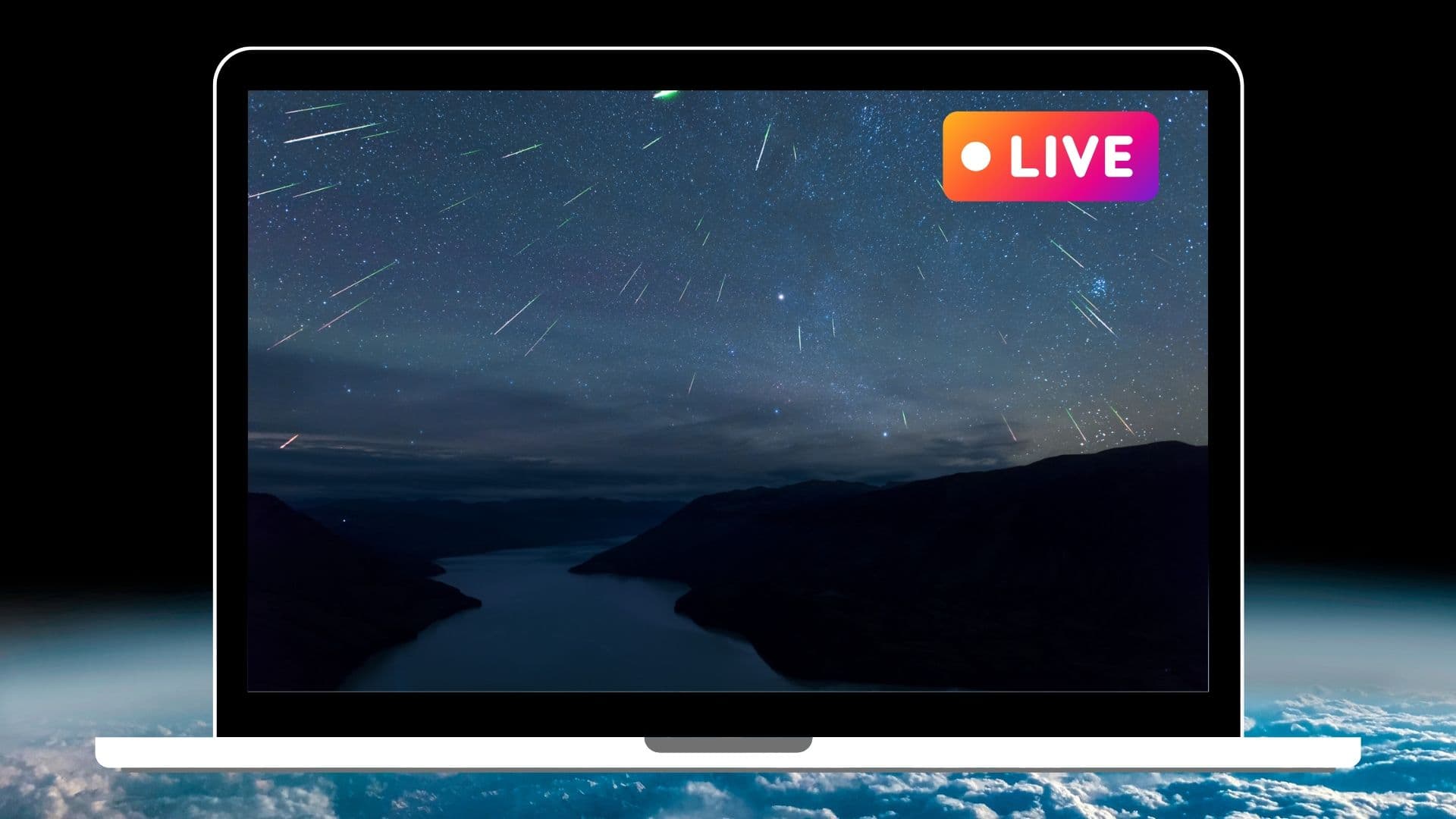
Speaking of looking up—the Lyrid meteor shower offers a unique team-building opportunity that connects to the broader theme of space awareness.
Timeline: What Comes After Artemis 2?
Each milestone creates procurement cycles, technology demands, and market opportunities. The companies positioning now will capture value as the program scales.
Frequently Asked Questions About Artemis and the Space Economy
Frequently Asked Questions
How much does NASA spend on Artemis annually?
NASA's Artemis budget runs approximately $7-8 billion annually, with projections increasing as Gateway construction and regular lunar missions commence. This doesn't include related programs like Commercial Lunar Payload Services (CLPS), which adds another $1.5 billion through 2028.
Can small businesses get NASA contracts?
Yes. NASA has mandatory small business contracting goals (currently 12.5% for small businesses, 5% for small disadvantaged businesses). The SBIR and STTR programs specifically fund technology development by small companies. In 2024, NASA awarded over $200 million through these programs.
What's the ROI on space technology investment?
Studies consistently show 7x to 14x economic returns on space R&D through commercial spinoffs and productivity gains. The Apollo program, despite costing $280 billion in today's dollars, generated estimated economic benefits exceeding $3 trillion through technology transfers.
How does Artemis compare to China's lunar program?
China plans crewed lunar landings by 2030 and a permanent research station by 2035. Their Chang'e program has achieved multiple firsts, including the only landing on the lunar far side. The competitive dynamic ensures continued government investment regardless of commercial returns.
Is space investment relevant for non-aerospace companies?
Increasingly yes. Space-based services (GPS, satellite communications, Earth observation) already generate $350+ billion annually. Manufacturing, agriculture, logistics, and financial services all use space-derived data. The market for space-based insights is growing faster than the launch sector.
Logicity's Take
At Logicity, we build AI agents and automation systems for businesses—not spacecraft. But watching the Artemis 2 communications blackout, we recognized a familiar challenge: how do you build systems that operate reliably when they can't phone home? This is actually the core problem we solve for clients using Claude-based AI agents and n8n automation workflows. When your AI customer service agent handles a complex query, it needs to make decisions without constant human oversight. When your data pipeline processes information at 3 AM, it can't wait for manual approval. The space program's approach—extensive testing, redundant systems, clear decision boundaries, graceful degradation—maps directly to enterprise AI deployment. NASA doesn't launch systems that fail unpredictably. Neither should your business. For Indian tech businesses specifically, the Artemis program signals where global R&D spending is heading. The skills that matter—autonomous systems, edge computing, real-time data processing, fault-tolerant architectures—are the same skills driving value in enterprise automation. If you're building those capabilities for commercial clients, you're building muscles that translate across sectors.
Technology convergence isn't just happening in consumer devices—the same pattern drives space program innovation where every gram and cubic centimeter matters.
Need Help Building Autonomous Business Systems?
Logicity builds AI agents and automation workflows that operate reliably—even when they can't check in with humans. If you're evaluating Claude API integrations, n8n automation, or enterprise AI deployment, we'd welcome a conversation about your requirements. Based in Hyderabad, working globally.
Source: Latest from Space.com
Manaal Khan
Tech & Innovation Writer
Produced with AI assistance and reviewed by the Logicity editorial team. Learn more in our Editorial Policy.