Key Takeaways
- Peak viewing on April 22, 2026 before dawn offers ideal conditions for corporate stargazing events
- Dark sky tourism is a $2.7B market growing 20% annually, signaling employee interest in nature experiences
- 27% moon illumination means exceptional visibility without expensive equipment investments
Read in Short
The Lyrid meteor shower peaks April 22, 2026, with up to 18 meteors per hour visible before dawn. Minimal moon interference and a multi-night viewing window make this an ideal opportunity for corporate retreats, team-building events, or simply encouraging employee wellness through nature experiences. Planning now gives you six months to secure dark sky locations.
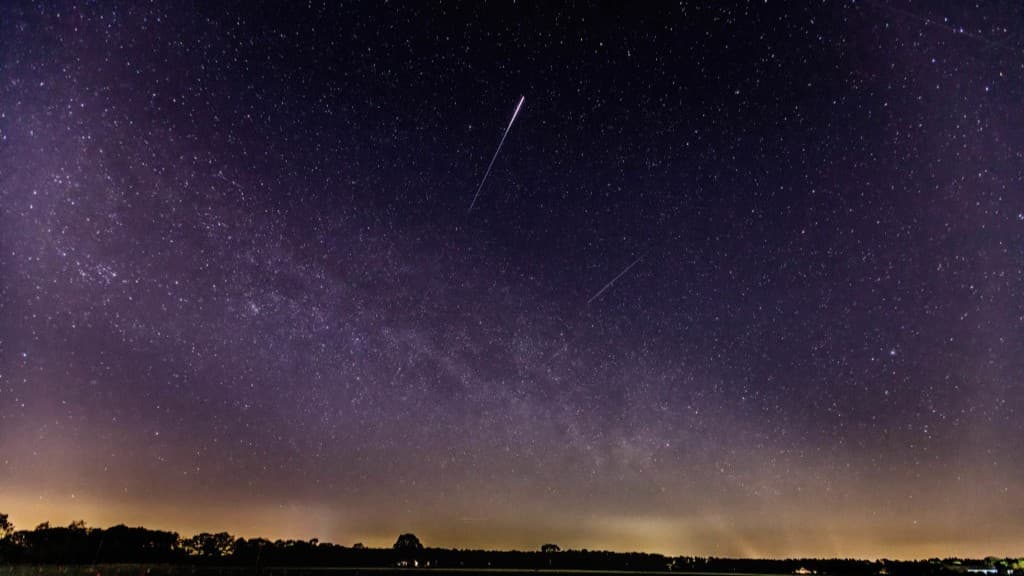
According to [Space.com](https://www.space.com/stargazing/meteor-showers/whats-the-best-time-to-see-lyrid-meteors-in-2026), the Lyrid meteor shower reaches peak activity around 4 p.m. EDT on April 22, 2026, with optimal U.S. viewing in the pre-dawn hours when up to 18 meteors per hour will blaze across the sky from a radiant near the star Vega.
Why should a CEO care about a meteor shower? Because the experiences you offer your team matter more than ever. With remote work fragmenting company culture and employee burnout hitting record levels, unique shared experiences have become a competitive advantage for talent retention. A meteor shower doesn't require budget approval for expensive consultants or team-building facilitators. It just requires showing up.
When Is the Best Time to See the Lyrid Meteor Shower in 2026?
For business planners thinking ahead, here's the critical timing information. The Lyrids are active from April 16-25, 2026, giving you a nine-day window. But if you're planning a single event, target April 22.
The peak occurs during daylight hours for U.S. viewers (4 p.m. EDT), which means your actual viewing window is the pre-dawn hours of April 22. The American Meteor Society recommends watching after 2 a.m. local time when the 27%-lit waxing moon sets below the horizon, leaving a dark canvas for the show.
Executive Planning Calendar
Block these dates now: April 21-23, 2026. The shower produces decent meteor counts for three nights surrounding the peak. If April 22 doesn't work for your team, the 21st and 23rd offer nearly equivalent experiences. This flexibility matters when coordinating schedules across departments or time zones.
Why Dark Sky Events Are Trending for Corporate Retreats
The data on employee wellness programs tells a clear story. Companies investing in unique, nature-based experiences see measurably better outcomes than those relying on traditional team-building exercises. A 2024 Gallup study found that employees who feel their company cares about their wellbeing are 69% less likely to actively search for a new job.
Stargazing events hit multiple wellness markers at once. They require disconnecting from devices (no screens compete with meteors), they encourage conversation in low-pressure settings, and they create shared memories that become part of company culture. The cost? Transportation and maybe some hot coffee.
The International Dark-Sky Association has certified over 200 dark sky parks, reserves, and sanctuaries worldwide. Many of these are within driving distance of major metropolitan areas and offer group booking options. For distributed teams, coordinating simultaneous viewing parties across locations creates a unique sense of shared experience despite physical distance.
How to Plan a Lyrid Meteor Shower Corporate Event
Six months of lead time gives you room to do this right. Here's the planning framework that works.
- Scout locations now: Dark sky sites book up during major astronomical events. Contact parks, observatories, or rural retreat centers by October 2025 to secure space.
- Handle logistics early: Transportation, overnight accommodations if needed, and backup indoor spaces in case of weather.
- Manage expectations: Communicate that this is about the experience, not guaranteed meteor sightings. Weather and light pollution affect visibility.
- Provide context: A five-minute briefing on what the team is seeing (debris from Comet Thatcher, Earth's orbital path) adds educational value.
- Skip the agenda: This isn't a strategy session. Let people talk, be quiet, or just watch. The absence of structure is the point.
| Location Type | Cost Range | Capacity | Best For |
|---|---|---|---|
| Dark Sky Park | $0-50 per person | Unlimited | Large teams, budget-conscious |
| Private Observatory | $500-2,000 group fee | 20-50 people | Executive retreats, client events |
| Rural Retreat Center | $100-300 per person | 10-100 people | Overnight team building |
| Company Parking Lot | $0 | Any size | Urban teams, casual approach |
What Makes 2026 Lyrid Conditions Exceptional?
Not every meteor shower is worth planning around. The Lyrids in 2026 benefit from favorable moon conditions that won't repeat for years. That 27% waxing moon setting at 2 a.m. is the key variable.
For comparison, the 2024 Lyrids competed with a 98% full moon that washed out all but the brightest meteors. When a meteor shower coincides with a full or nearly full moon, visibility drops by 60-80%. The 2026 timing is genuinely good.
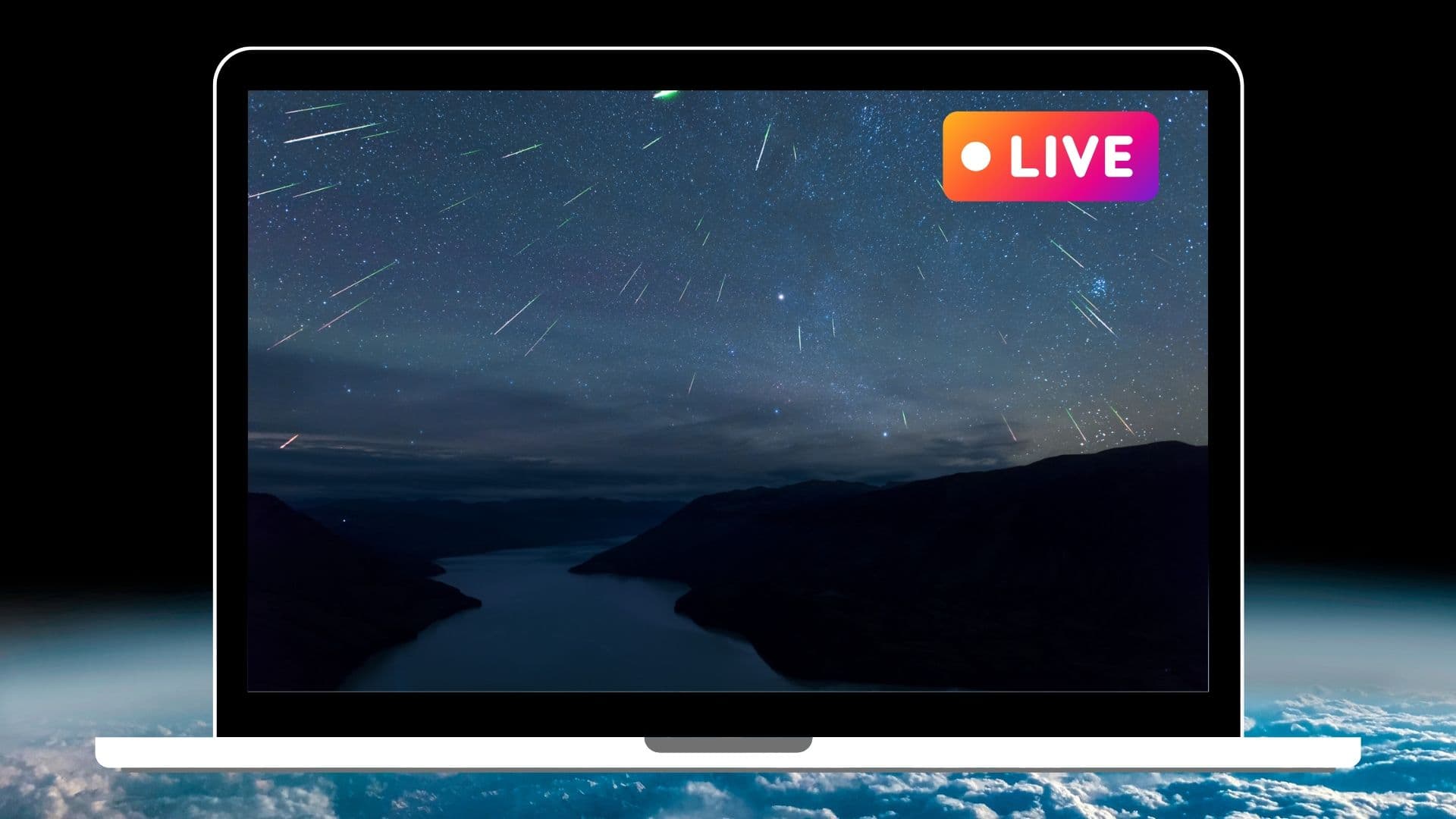
The Lyrids are also known for producing fireballs, which are exceptionally bright meteors that leave glowing trains lasting several seconds. These are the showstoppers that get people excited and create those 'did you see that?' moments that bond teams together.
Another low-tech approach to executive wellness and focus
Technology That Actually Helps (And What to Skip)
The temptation to over-engineer a stargazing event is real, especially for tech companies. Resist it. The point is simplicity. That said, a few tools genuinely improve the experience.
Smartphone astronomy apps using augmented reality can help locate the radiant point near Vega for those unfamiliar with the night sky. Apps like Sky Guide or Star Walk overlay constellation maps on your camera view, making navigation intuitive. This is legitimately useful for the first ten minutes until everyone gets oriented.
✅ Pros
- • AR astronomy apps help locate viewing direction quickly
- • Weather apps with cloud cover forecasts aid last-minute decisions
- • Group messaging for coordinating arrival times
❌ Cons
- • Telescopes and binoculars (meteors move too fast)
- • Photography equipment for most attendees (distracts from experience)
- • Constant phone use (ruins night vision adaptation)
Night vision takes 20-30 minutes to fully develop. A single glance at a bright phone screen resets that timer. If your team needs phone access for emergencies, have them use red-filtered screen modes available on most devices.
Budget Analysis: What Does a Stargazing Retreat Actually Cost?
Let's run the numbers for a 25-person team, which represents a typical department size for mid-market companies.
The baseline approach costs almost nothing. Find a dark location within an hour's drive, tell people to meet there at 2 a.m., bring blankets. Your only expense is the communication time to organize it. Call it $0 in hard costs plus two hours of someone's time.
A mid-tier approach adds transportation (charter bus: $800-1,500), a group campsite reservation ($50-200), refreshments ($100-200), and maybe printed star charts ($50). Total: $1,000-2,000, or $40-80 per person.
The premium approach books a rural retreat center with overnight accommodations, includes dinner and breakfast, hires a local astronomer for a brief presentation, and provides branded blankets as takeaways. Total: $5,000-8,000, or $200-320 per person. Compare that to the $300-500 per person typical for professional team-building workshops that produce forgettable outcomes.
Backup Plans: What If It's Cloudy?
April weather is unpredictable across most of the U.S. Smart planners build in contingencies. The nine-day active window (April 16-25) gives you flexibility to shift dates if forecasts look bad for the 22nd.
If you're locked into a specific date, have an indoor backup. A screening of a space documentary, a presentation about space industry business opportunities, or simply a late-night social gathering maintains the spirit of the event even if clouds don't cooperate. The point is bringing people together, not guaranteeing astronomical conditions.
How other industries are capitalizing on shared cultural experiences
Frequently Asked Questions
Frequently Asked Questions
Is the Lyrid meteor shower worth planning a corporate event around?
Yes, the 2026 Lyrids offer unusually favorable conditions with minimal moon interference and a multi-night viewing window. At up to 18 meteors per hour during peak, you'll see enough activity to make the event feel worthwhile. The real value isn't the meteor count but the shared experience of doing something memorable together.
How much does a meteor shower team event cost?
Costs range from essentially free (meet at a dark location, bring your own blankets) to $200-320 per person for a premium overnight retreat with catering and expert guides. A well-organized mid-tier event runs $40-80 per person including transportation and refreshments.
What equipment do we need for a stargazing event?
Almost none. Meteors are best viewed with the naked eye because they move too fast for telescopes or binoculars. Bring blankets or reclining chairs for comfort, warm clothing for April nights, and maybe a smartphone astronomy app to help locate the radiant. Skip the expensive equipment.
How far from the city do we need to travel for good viewing?
Typically 50-100 miles from major metropolitan areas to reach acceptably dark skies. Use the Dark Site Finder or Light Pollution Map websites to identify locations within your target drive time. Some areas have dark sky parks much closer to urban centers.
Can distributed teams participate in the same meteor shower event?
Absolutely. The Lyrids are visible across the entire Northern Hemisphere. Coordinate simultaneous viewing parties in multiple locations with a shared video call before and after the main viewing window. This creates connection without requiring everyone to be physically together.
Logicity's Take
We're a web development and AI agency based in Hyderabad, not astronomers. But we understand how shared experiences shape company culture because we've built them into our own team practices. What strikes us about this story is the simplicity. In an industry obsessed with expensive SaaS tools, gamified engagement platforms, and consultant-led workshops, a meteor shower costs almost nothing and requires zero vendor relationships. For Indian tech companies specifically, April timing works well since it falls outside major festival seasons and before the monsoon. The Lyrids are visible from India too, with similar pre-dawn viewing conditions. If you're running a distributed team across U.S. and India time zones, you could potentially have both groups watching the same meteor shower on the same night, which is a genuinely connecting experience. Our honest take: most team-building initiatives fail because they feel forced. An invitation to watch meteors together feels like something a human would suggest, not something HR mandated.
The Bottom Line for Business Leaders
The Lyrid meteor shower on April 22, 2026 presents a low-cost, high-impact opportunity for team building that doesn't feel like team building. Favorable moon conditions, a multi-night viewing window, and six months of planning time make this genuinely actionable.
Put it on your 2026 planning calendar now. Block the dates, identify potential locations, and assign someone to own the logistics. The best corporate events are the ones that feel effortless to attend, which requires effort in advance.
Need Help Building Team Experiences?
Logicity specializes in helping tech companies create digital experiences that bring people together. While we can't control the weather for your meteor shower event, we can help you build the internal tools, communication platforms, and digital touchpoints that strengthen your team culture year-round. Get in touch at logicity.in to discuss your next project.
Source: Latest from Space.com
Huma Shazia
Senior AI & Tech Writer
Produced with AI assistance and reviewed by the Logicity editorial team. Learn more in our Editorial Policy.