Key Takeaways
- Bandai Namco is investing an estimated $200 million in Xenoverse 3, its most expensive anime game ever
- Sparking! ZERO sold 3 million copies in 24 hours and maintains 1 million monthly active users a year later
- The franchise demonstrates a proven model: stagger releases, maintain legacy titles, and monetize through DLC cycles
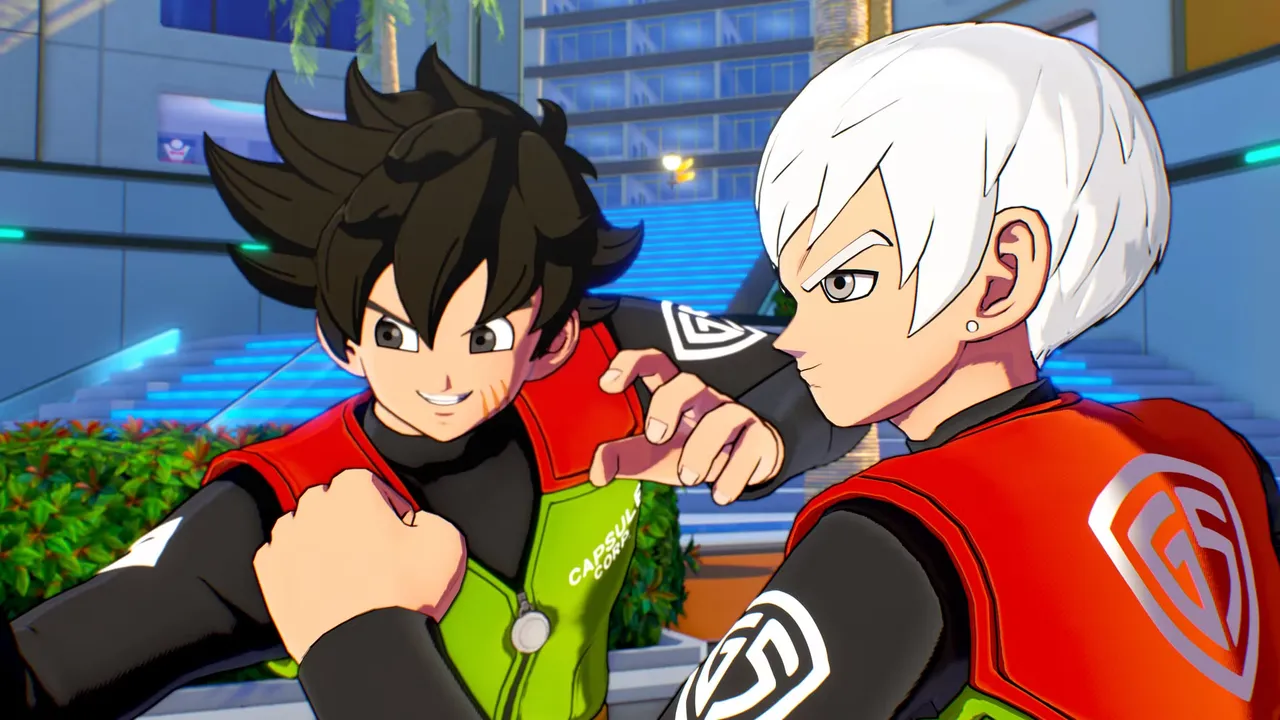
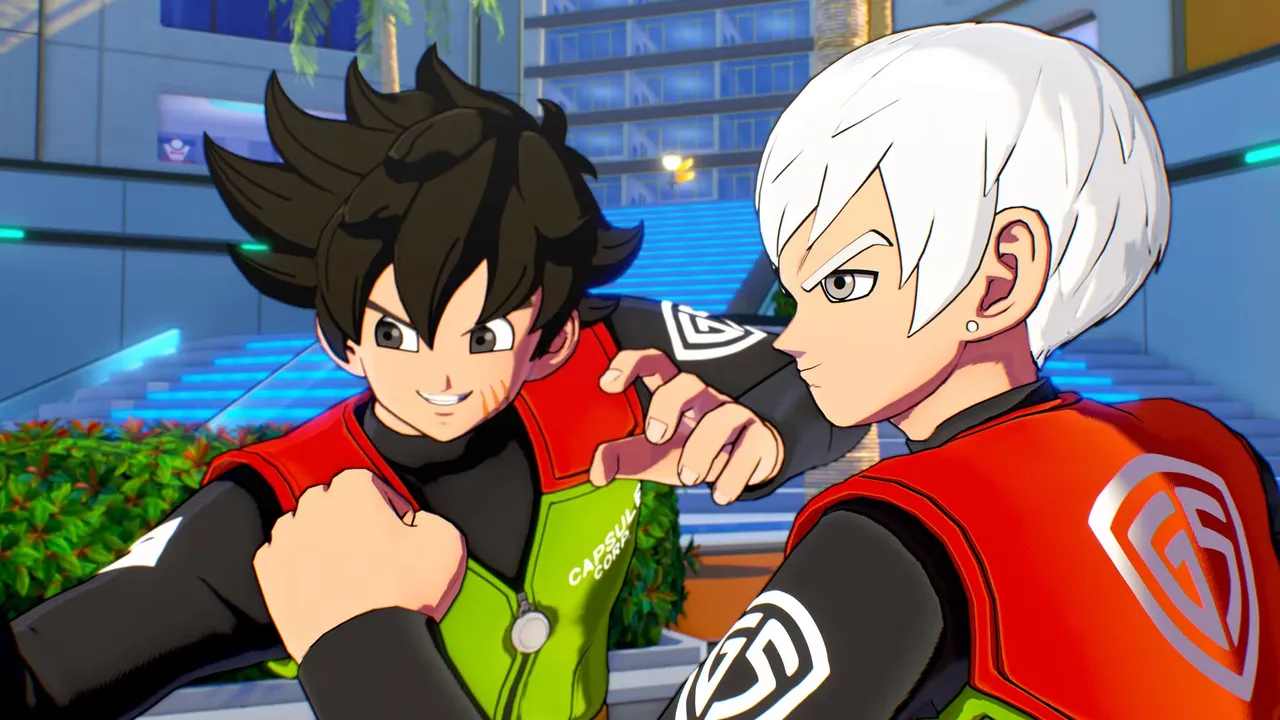
According to [IGN](https://www.ign.com/articles/dragon-ball-games-battle-hour-2026-everything-announced), Bandai Namco used its annual Dragon Ball Games Battle Hour 2026 to announce Dragon Ball Xenoverse 3, confirm new DLC for Sparking! ZERO, and tease multiple media expansions that signal the company's aggressive roadmap for its most valuable gaming IP.
If you're running a media company, managing an entertainment portfolio, or evaluating gaming investments, the numbers here tell a compelling story. This isn't just about anime fans getting new content. It's a masterclass in how to extract maximum value from a 40-year-old intellectual property while keeping your audience engaged across multiple revenue streams.
Read in Short
Bandai Namco is betting $200 million on Xenoverse 3 while its existing Dragon Ball titles continue generating revenue. Sparking! ZERO hit 3 million sales in 24 hours and still has 1 million monthly players. For business leaders, this demonstrates how legacy IP management, DLC cadence, and cross-platform strategy can sustain franchise revenue indefinitely.
How Much Is Dragon Ball Gaming Worth to Bandai Namco?
Let's start with the numbers that matter. Dragon Ball isn't just a franchise for Bandai Namco. It's a revenue engine that spans games, trading cards, merchandise, and media licensing. The gaming division alone has become one of the company's most reliable profit centers.
What makes these figures remarkable is the sustained engagement. Sparking! ZERO still maintains 1 million monthly active users more than a year after launch. Xenoverse 2 has been monetized through DLC for nearly a decade. This isn't a hit-driven business model. It's a subscription-like revenue stream disguised as a product franchise.
What Was Announced at Dragon Ball Games Battle Hour 2026?
The event served as both a competitive tournament and a marketing showcase. For executives tracking IP strategy, here's what matters from the announcement slate:
Key Announcements Summary
Xenoverse 3 confirmed for PC, PS5, and Xbox Series X in 2027. Sparking! ZERO receiving Summer 2026 expansion with new characters and game modes. Dragon Ball Super: The Galactic Patrol anime announced. Enhanced edition of Dragon Ball Super: Beerus teased. New trading card game booster packs scheduled through Q4 2026.
The Xenoverse 3 announcement carries particular weight. Executive Producer Koji Nakajima stated: "We are finally moving the timeline forward to Age 1000 to give fans a completely fresh experience." This signals Bandai Namco's willingness to expand the narrative universe beyond adaptation of existing manga and anime storylines.
Why Is Bandai Namco Investing $200M in Xenoverse 3?
The $200 million development budget represents a significant escalation from previous Dragon Ball titles. For context, most AAA anime games operate on budgets between $50 million and $100 million. This investment signals several strategic bets:
- Next-gen exclusivity: Targeting only PS5, Xbox Series X, and PC allows for higher graphical fidelity and larger open-world environments
- Original content: The game features some of Akira Toriyama's final character designs before his passing, creating narrative exclusivity
- Western market expansion: Anime gaming has grown substantially in North America and Europe, justifying premium development costs
- 10-year monetization runway: If Xenoverse 2's decade-long DLC cycle is any indication, this investment will be recouped over years, not months
“Xenoverse 3 features some of Akira Toriyama's final character designs, giving the project a narrative weight no other release carries.”
— Brian Mazique, Industry Analyst at Forbes
The Toriyama connection is particularly significant for franchise longevity. With the original creator's involvement in the game's design before his death, Bandai Namco has a unique marketing angle that competitors cannot replicate. This is IP management at its most strategic.
What Can Executives Learn from Dragon Ball's Revenue Model?
The Dragon Ball gaming franchise operates on a model that entertainment and media executives should study carefully. It's not about launching blockbusters. It's about building a content ecosystem that generates revenue across multiple timelines.
| Strategy Element | Dragon Ball Approach | Business Outcome |
|---|---|---|
| Product Cadence | Stagger major releases by 2-3 years | Maintains hype cycles without cannibalizing sales |
| Legacy Monetization | Continue DLC for older titles (Xenoverse 2) | 10-year revenue tail on single product |
| Cross-Media Integration | Coordinate game releases with anime/manga events | Multiplied marketing impact at lower cost |
| Community Events | Annual Battle Hour tournament | Sustained engagement between releases |
| Platform Expansion | Trading card games, mobile titles | Revenue diversification beyond console gaming |
This approach mirrors what we see in the tech industry with enterprise software. Companies like Salesforce and Adobe don't rely on new product launches. They build ecosystems that customers pay into continuously. Dragon Ball gaming has achieved something similar in entertainment.
Understanding how entertainment companies are investing while tech cuts jobs
How Does Sparking! ZERO Maintain 1 Million Monthly Players?
Player retention is the metric that matters most for live-service and games-as-a-service models. Sparking! ZERO's ability to maintain 1 million monthly active users a year post-launch speaks to deliberate design choices.
Producer Jun Furutani explained the game's appeal: "Instead of needing to dodge like a typical fighting game, you can counter a Galick Gun with a Kamehameha... that role-play is what makes it special." This design philosophy prioritizes accessibility over competitive depth, expanding the potential player base beyond hardcore fighting game enthusiasts.
The Summer 2026 expansion introduces Vegeta (GT) and Trunks (GT), marking their first appearance in the Budokai Tenkaichi series. For fans, this creates genuine excitement. For business analysts, it demonstrates how character roster expansion serves as a low-risk, high-reward monetization lever.
What Does Dragon Ball's Media Expansion Mean for IP Valuation?
Beyond gaming, the Battle Hour announcements included two significant anime projects: Dragon Ball Super: The Galactic Patrol and an enhanced edition of Dragon Ball Super: Beerus. For IP portfolio managers, this multi-format approach maximizes franchise value.
- The Galactic Patrol will adapt manga arcs not yet animated, creating new content for streaming platforms
- The Beerus enhanced edition repackages existing content with improved visuals for new revenue
- Both projects drive awareness that benefits gaming sales across the franchise
- Trading card game expansions (three booster packs announced for 2026) capture audience segments that don't play video games
This is the Disney model applied to anime. Create content across formats, let each format market the others, and capture revenue at every touchpoint. The difference is that Dragon Ball operates at a fraction of Disney's overhead while achieving comparable engagement within its target demographic.
How media consumption habits are shifting across formats
Should Your Company Invest in Gaming IP?
The Dragon Ball franchise offers a case study in what successful IP management looks like. But not every franchise can replicate this model. Here's a framework for evaluating whether gaming IP investment makes sense:
✅ Pros
- • Established IP with 40+ years of brand recognition
- • Multi-generational audience (parents who grew up with Dragon Ball now share it with children)
- • Proven monetization through DLC, expansions, and cross-media licensing
- • Global appeal with localization already established in major markets
❌ Cons
- • Development costs have escalated significantly ($200M for Xenoverse 3)
- • Heavy dependence on single IP creates concentration risk
- • Competitive pressure from other anime franchises (One Piece, Naruto, Demon Slayer)
- • Creator passing creates uncertainty about future narrative direction
For companies evaluating gaming acquisitions or IP licensing deals, Dragon Ball demonstrates that legacy franchises can outperform new IP launches when managed correctly. The key is building infrastructure for long-term monetization rather than treating each release as a standalone product.
Dragon Ball Gaming Strategy FAQ
Frequently Asked Questions
How much revenue does Dragon Ball gaming generate annually?
While Bandai Namco doesn't break out Dragon Ball-specific revenue, the franchise is estimated to generate $300-500 million annually across games, trading cards, and licensing. Sparking! ZERO alone likely generated over $200 million in its first year based on sales volume and DLC attach rates.
Is Xenoverse 3 worth the $200 million investment?
Based on Xenoverse 2's 10 million lifetime sales and decade-long DLC monetization, the investment has strong precedent. If Xenoverse 3 achieves similar engagement, the ROI timeline could be 3-5 years with ongoing revenue through 2035 and beyond.
How does Dragon Ball compare to other anime gaming franchises?
Dragon Ball consistently outperforms competitors. Sparking! ZERO's 3 million day-one sales exceeded the lifetime sales of most anime fighting games. The franchise's cross-generational appeal gives it advantages that newer properties like Demon Slayer haven't yet achieved.
What platforms will Xenoverse 3 release on?
Xenoverse 3 is confirmed for PC, PlayStation 5, and Xbox Series X in 2027. The decision to skip previous-generation consoles allows for higher production values but limits initial addressable market.
How can companies replicate Dragon Ball's gaming success?
Key elements include: owning or licensing IP with multi-generational appeal, building games designed for long-term DLC support rather than one-time purchases, coordinating releases across media formats, and maintaining community engagement through events like Battle Hour.
Logicity's Take
At Logicity, we build AI-powered automation systems for businesses, not anime games. But the strategic principles Bandai Namco demonstrates here apply directly to how we advise clients on technology investments. The key insight? Stop thinking about products and start thinking about ecosystems. Dragon Ball gaming works because every release feeds into a larger engagement loop. DLC extends the life of existing products. Tournaments keep communities active between launches. Trading cards capture audiences who don't play video games. For Indian tech businesses watching this, the lesson is clear: your SaaS product, mobile app, or digital service shouldn't exist in isolation. Build touchpoints that keep users engaged across their journey, and monetization opportunities multiply. We see this same pattern in our AI agent implementations. A single chatbot solves one problem. An interconnected system of automation tools, with shared data and coordinated workflows, becomes a platform clients can't easily leave. That's the moat Bandai Namco has built with Dragon Ball, and it's the moat every technology company should aim for.
Need Help Building Your Technology Ecosystem?
Logicity specializes in AI automation, workflow integration, and digital platform development for businesses ready to move beyond single-product thinking. Whether you're building internal tools or customer-facing applications, we help you design systems that compound in value over time. Get in touch to discuss how we can support your technology strategy.
Source: IGN All
Manaal Khan
Tech & Innovation Writer
Produced with AI assistance and reviewed by the Logicity editorial team. Learn more in our Editorial Policy.