Key Takeaways
- $4 billion investment creates ripple effects across aerospace supply chains and data analytics sectors
- 100x wider field of view than Hubble signals shift toward big data approaches in scientific research
- Fall 2026 launch opens new markets for companies positioned in space data processing and storage

Read in Short
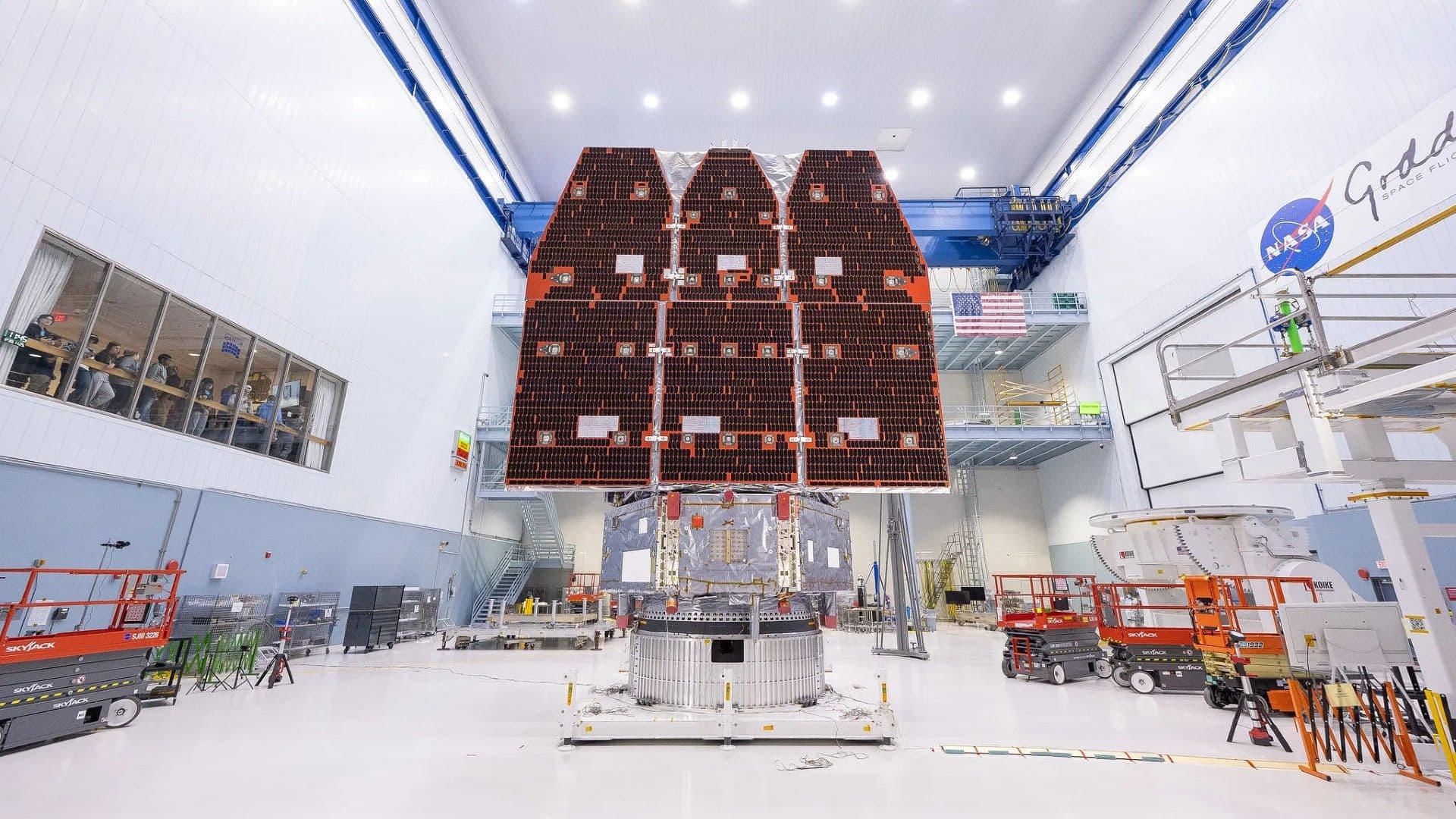
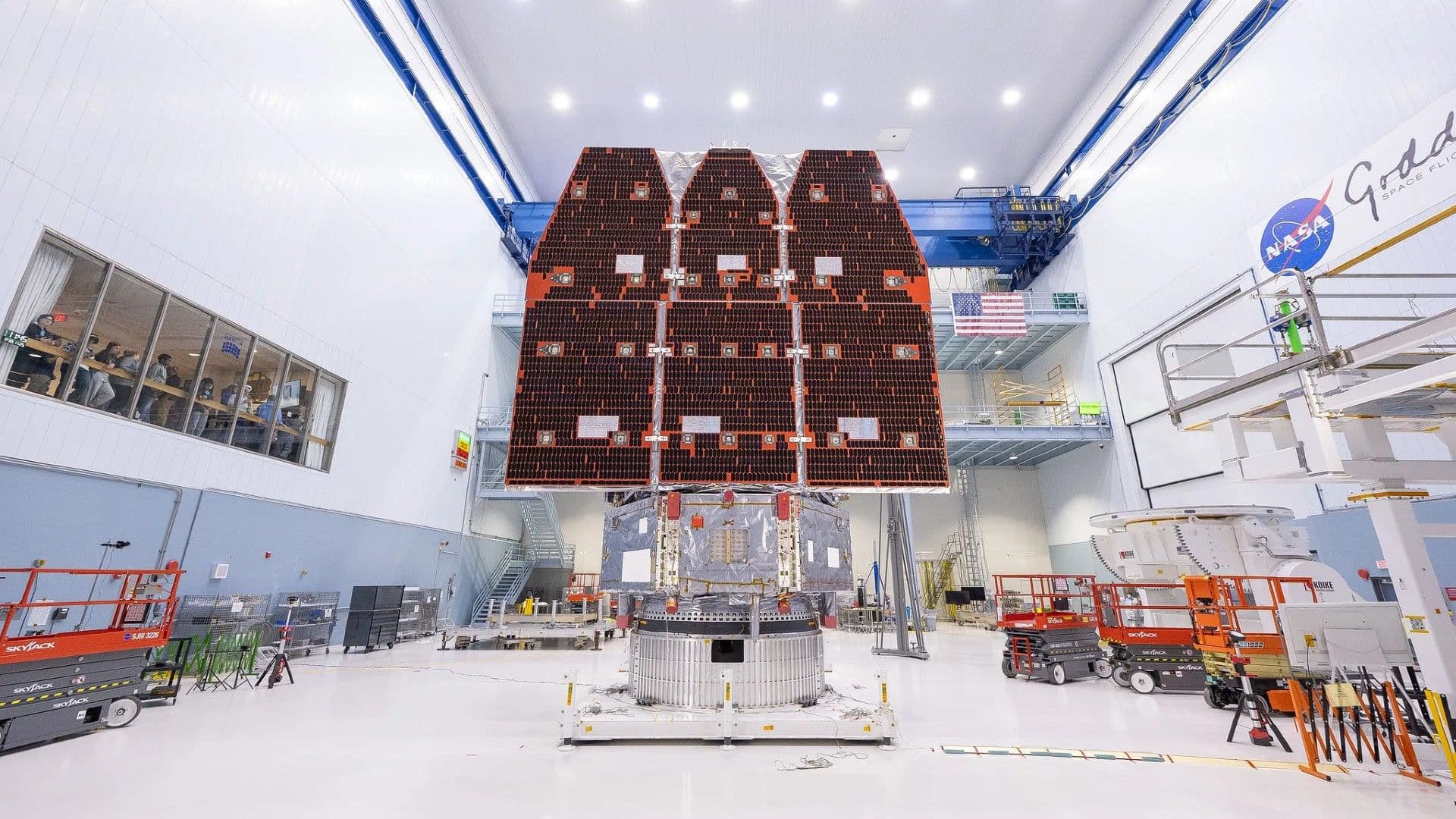
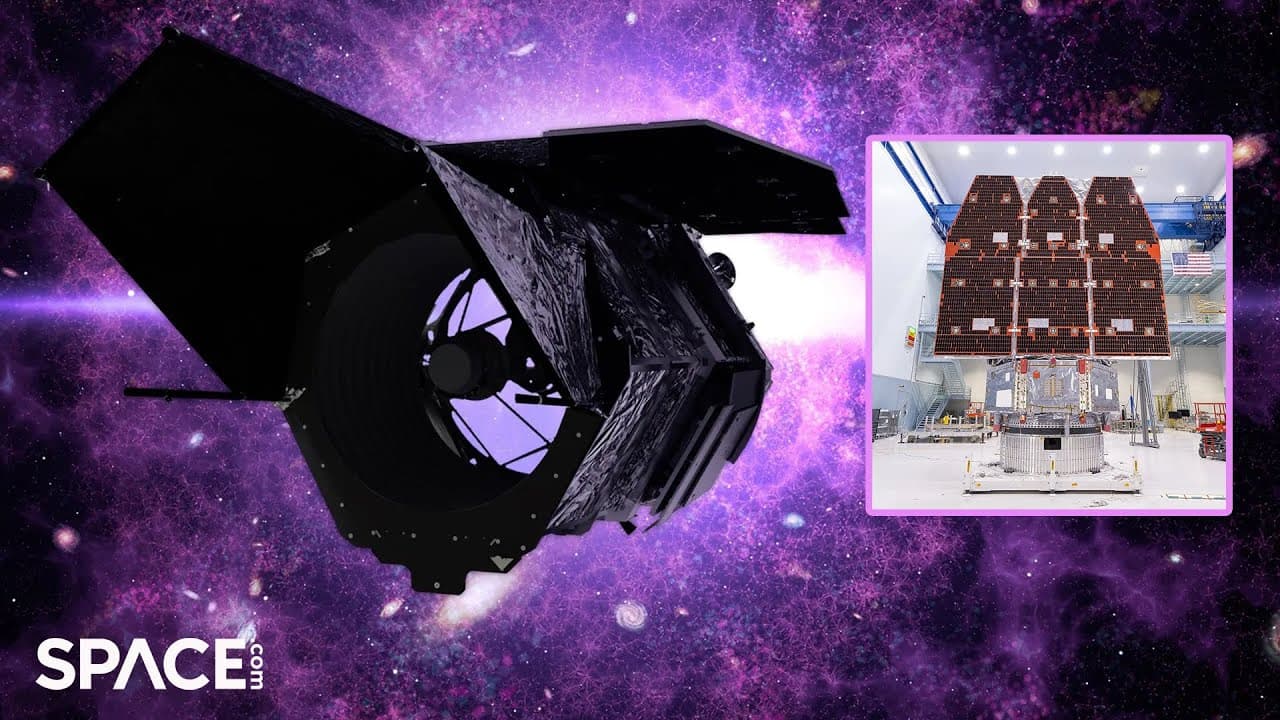
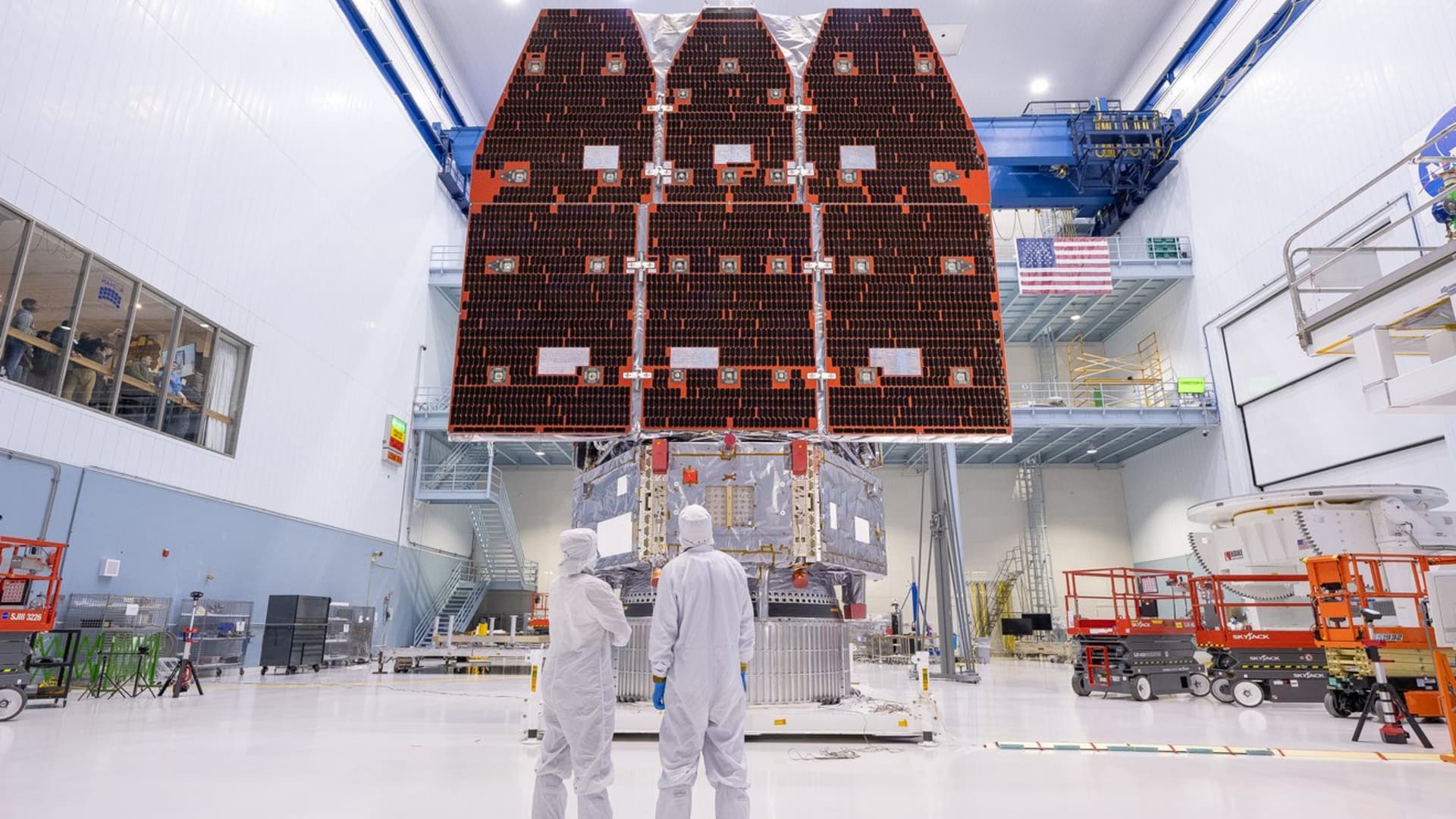
NASA unveiled its fully assembled $4 billion Roman Space Telescope, launching between fall 2026 and May 2027. For business leaders: this represents a massive government R&D investment that will generate petabytes of astronomical data, create supply chain opportunities for aerospace contractors, and signal growing demand for specialized data processing capabilities.
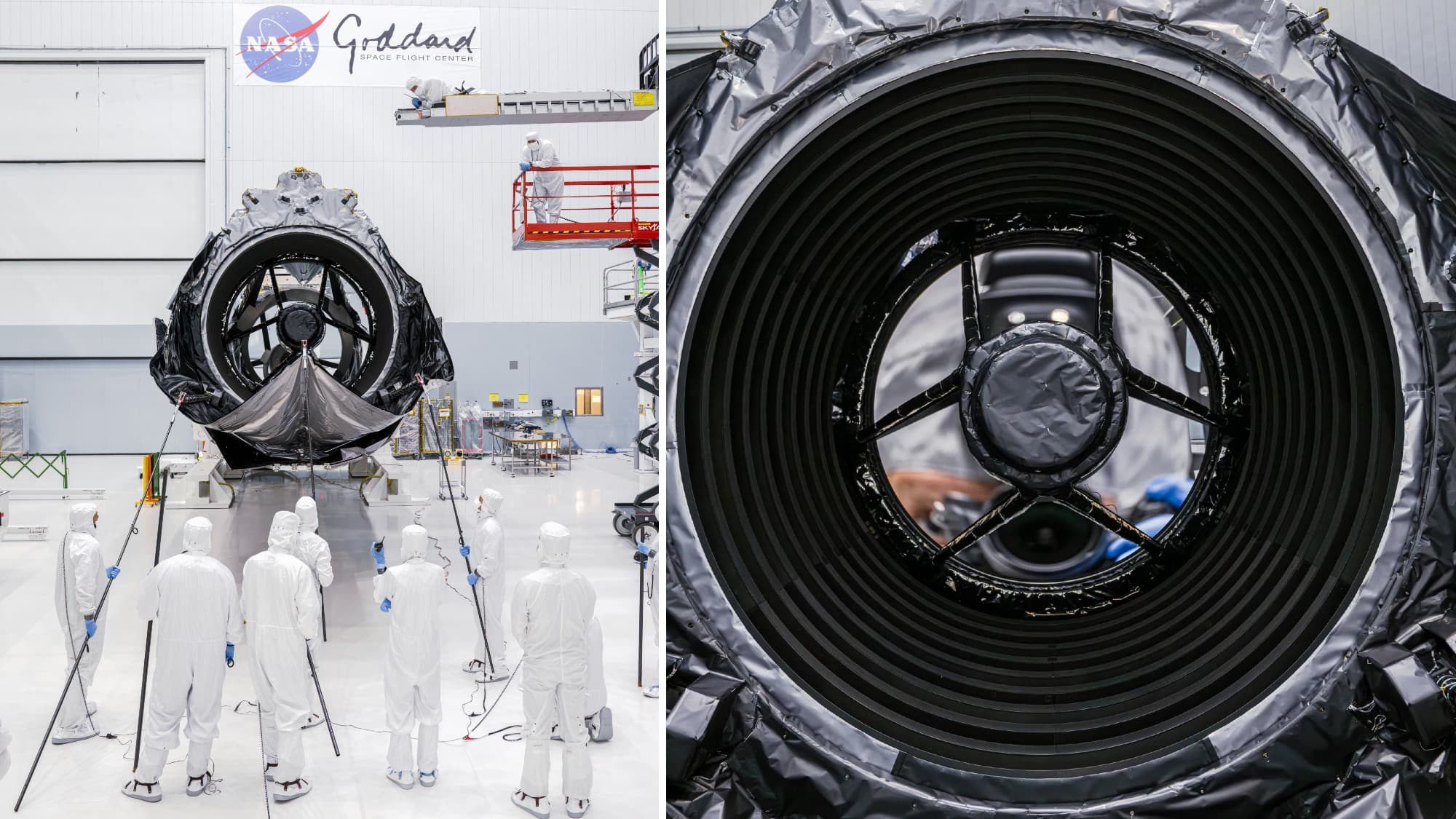
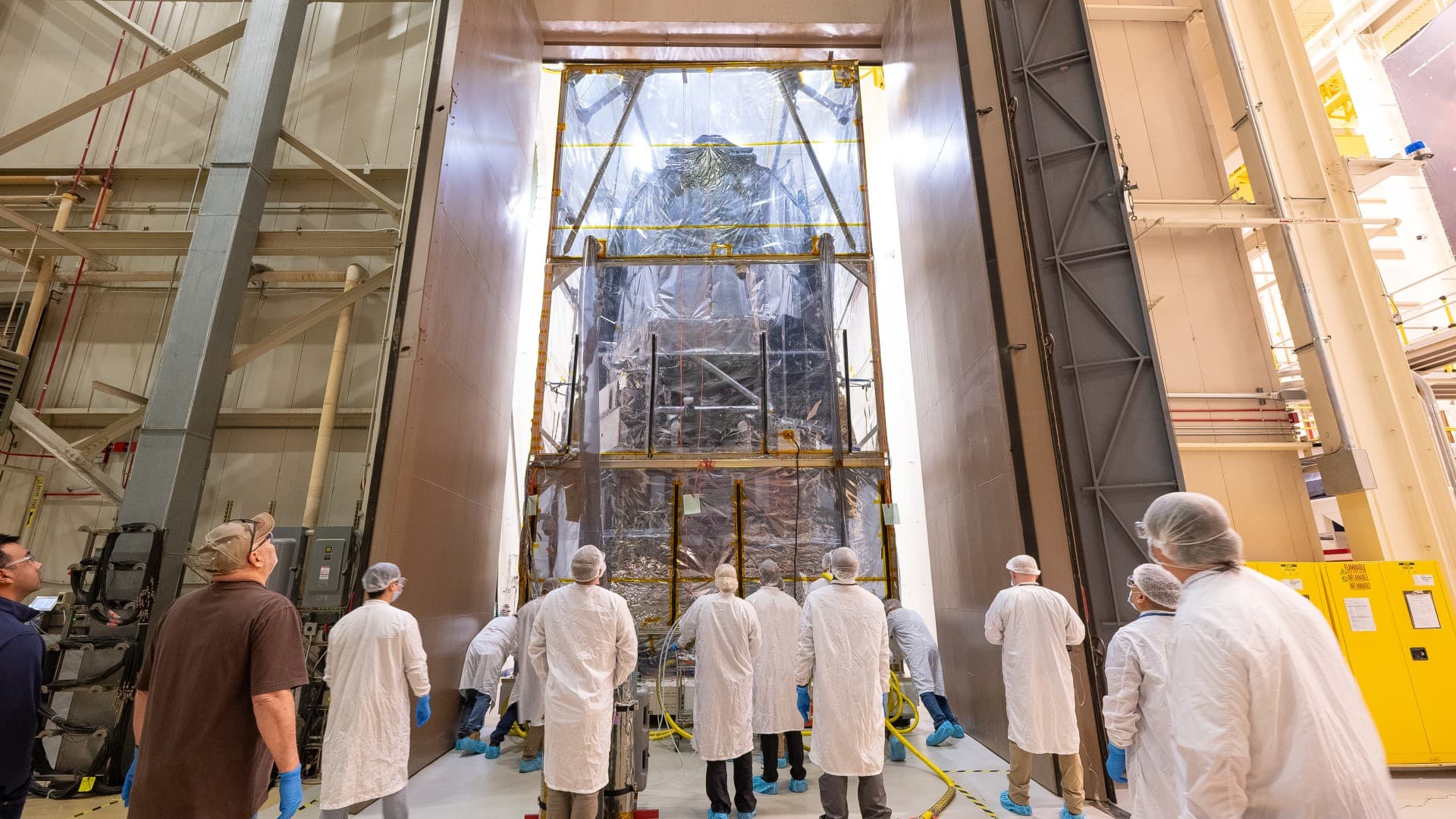
According to [Space.com](https://www.space.com/astronomy/nasa-reveals-its-roman-space-telescope-today-how-to-watch-live-and-whats-next-for-the-next-generation-observatory), NASA unveiled its fully assembled Nancy Grace Roman Space Telescope on April 21, marking a major milestone for the $4 billion mission set to launch aboard a SpaceX Falcon Heavy between fall 2026 and May 2027.
When a government agency spends $4 billion on a single piece of technology, business leaders should pay attention. Not because you're about to start manufacturing space telescopes, but because investments of this scale create economic ripples that touch everything from aerospace supply chains to cloud computing demand to the emerging space data economy.
Why Does NASA's $4 Billion Telescope Matter to Business?
The Roman Space Telescope isn't just a scientific instrument. It's a case study in managing complex, long-term technology projects at massive scale. NASA Administrator Jared Isaacman and the project team at Goddard Space Flight Center in Maryland have navigated supply chain challenges, budget constraints, and technical hurdles that would sink most corporate initiatives.
For CTOs and engineering managers, there's a lesson here: projects of this complexity require a specific kind of organizational patience that quarterly-driven businesses rarely tolerate. Roman has been in development for over a decade. Most tech companies can't plan past their next funding round.
How Does Roman Compare to Hubble Telescope Technology?
Here's where the business angle gets interesting. Roman has a telescope mirror the same size as Hubble's, at 8 feet (2.4 meters). But Roman's field of view is 100 times larger than Hubble's. Same hardware footprint, dramatically different data output.
| Specification | Hubble Space Telescope | Roman Space Telescope | Business Implication |
|---|---|---|---|
| Mirror Size | 2.4 meters | 2.4 meters | Similar manufacturing complexity |
| Field of View | Baseline | 100x larger | Exponentially more data per observation |
| Launch Year | 1990 | 2026-2027 | 35+ years of technology advancement |
| Primary Mission | Deep field imaging | Wide-field surveys | Different data processing requirements |
| Data Generation | Moderate | Massive | New infrastructure demands |
This 100x multiplier in data capture represents a fundamental shift in how scientific research operates. It's the same transition many businesses faced moving from sampling to full-population analytics. When you can survey everything instead of sampling selectively, your questions change. Your infrastructure requirements explode. Your competitive advantages shift from data access to data processing.
What Market Opportunities Does Space Telescope Data Create?
Roman will generate petabytes of astronomical data. That data needs to be transmitted, stored, processed, and analyzed. While NASA handles the primary science mission, the downstream data processing creates commercial opportunities.
- Cloud storage providers competing for government contracts to archive mission data
- AI and machine learning firms developing automated image analysis tools
- Specialized hardware manufacturers building space-grade sensors and components
- Software companies creating visualization and collaboration tools for distributed research teams
- Cybersecurity firms protecting mission-critical data infrastructure
The space data analytics market isn't hypothetical. Companies like Planet Labs and Maxar already generate billions in revenue from satellite imagery. Roman's scientific data won't have the same commercial applications, but it demonstrates the growing intersection of space technology and data science infrastructure.
Data processing efficiency matters whether you're analyzing astronomical surveys or quarterly reports
What Can CEOs Learn from NASA's Project Management?
NASA's briefing participants included Project Manager Jamie Dunn and Senior Project Scientist Julie McEnery. Notice the dual leadership structure: one focused on execution, one on scientific outcomes. This isn't accidental.
Project Leadership Takeaway
Complex technology projects benefit from separating operational management from domain expertise leadership. The project manager keeps the budget and timeline on track. The domain expert ensures the output actually solves the problem you're building for. When one person tries to do both, something usually suffers.
Roman's journey from Goddard Space Flight Center in Maryland to Kennedy Space Center in Florida for launch represents the final terrestrial phase of a project that's survived multiple administrations, budget cycles, and technological shifts. The organizational structures that enable this kind of continuity are worth studying.
When Will Roman Launch and What Happens Next?
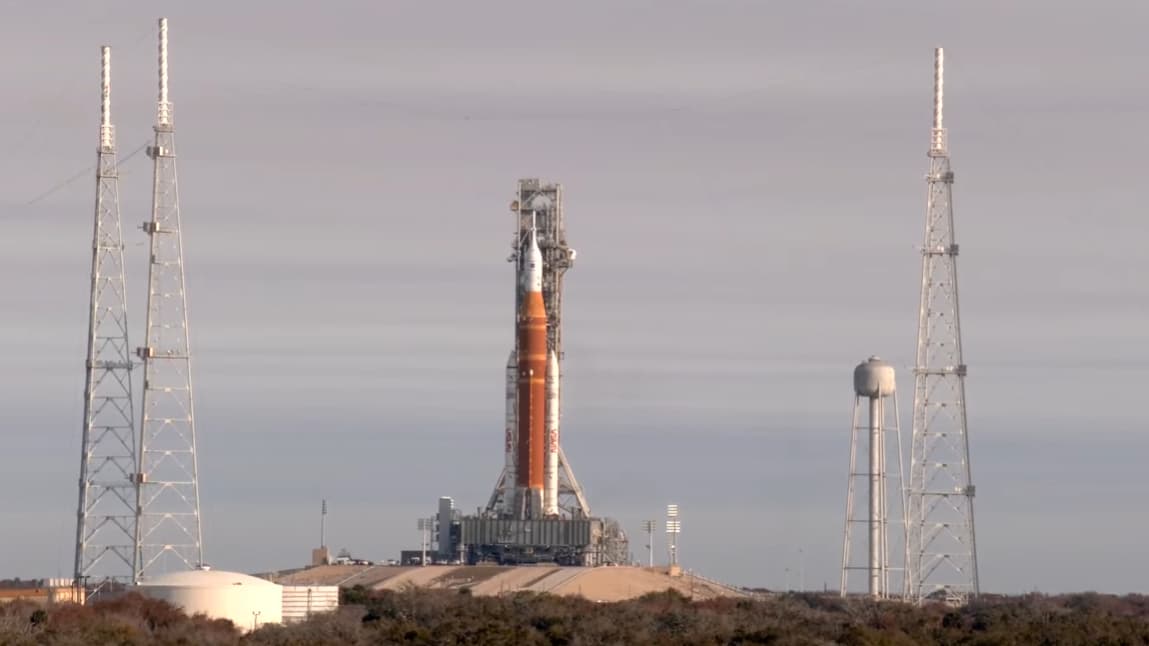
The SpaceX partnership is worth noting. NASA's choice of Falcon Heavy reflects the agency's increasing reliance on commercial launch providers. For aerospace industry watchers, this is part of a broader trend toward public-private partnerships in space technology.
What Science Questions Will Roman Answer?
Roman's mission focuses on three areas that sound purely scientific but have implications for how we understand fundamental physics: dark matter, dark energy, and exoplanets. The telescope will conduct a "Galactic Bulge Time-Domain Survey" examining the central region of our Milky Way galaxy.
The exoplanet search uses gravitational lensing, a technique where distant starlight bends around massive objects. This allows detection of planets that other methods miss. For business leaders interested in the long game, understanding the composition of the universe isn't just curiosity. It's the foundation for technologies we can't yet imagine.
“The most practical inventions often come from the most impractical research. GPS came from relativistic physics. The internet came from particle physics labs. We don't know yet what will come from understanding dark energy.”
— Common observation in R&D investment analysis
How Should Business Leaders Think About Space Tech Investment?
The $4 billion Roman investment is part of a broader trend. Global space economy revenue hit $469 billion in 2023. Morgan Stanley projects the industry will exceed $1 trillion by 2040. Most of that growth won't come from telescopes. It'll come from satellite communications, Earth observation, and commercial space transportation.
✅ Pros
- • Government space spending creates stable, long-term contract opportunities for suppliers
- • Space data processing requirements drive innovation in cloud and AI infrastructure
- • Public missions de-risk technologies that commercial ventures later adopt
- • Growing space economy creates new markets for existing tech capabilities
❌ Cons
- • Space projects have long timelines that don't match typical business planning cycles
- • Government contracting involves significant compliance overhead
- • Commercial space applications often require specialized expertise
- • Market timing is difficult when launch schedules frequently slip
If your company has capabilities in data processing, sensor technology, materials science, or precision manufacturing, the space sector is worth watching. The barrier to entry is lower than most executives assume, particularly for downstream data services.
Infrastructure security matters for any organization handling mission-critical data
Frequently Asked Questions
Frequently Asked Questions
How much did the Roman Space Telescope cost to build?
NASA estimates the total mission cost at more than $4 billion. This includes design, manufacturing, testing, launch, and initial operations. For context, the James Webb Space Telescope cost approximately $10 billion over its development cycle.
When will NASA launch the Roman Space Telescope?
The current launch window is between fall 2026 and May 2027. The telescope will launch aboard a SpaceX Falcon Heavy from Kennedy Space Center in Florida.
What's the difference between Roman and Hubble for business analysis?
Both have 2.4-meter mirrors, but Roman's 100x larger field of view makes it a survey instrument rather than a precision targeting tool. The business analogy: Hubble is like a microscope examining specific samples. Roman is like a population study examining everything at once.
Are there commercial opportunities from space telescope missions?
Direct commercial applications are limited since Roman is a scientific research instrument. However, the supply chain for manufacturing, the data processing infrastructure required, and the downstream analytics tools all create commercial opportunities for technology companies.
How does government R&D spending like this affect the private sector?
Major government R&D projects typically create three effects: direct spending flows to contractors and suppliers, technologies developed often transfer to commercial applications, and workforce training creates talent pools that later move to private industry.
Logicity's Take
We build AI agents and data pipelines for businesses, not space telescopes. But Roman's approach resonates with what we see working in enterprise tech. The 100x field of view shift mirrors what happens when companies move from sampling customer data to analyzing full behavioral streams. Your infrastructure breaks. Your questions change. Your competitive advantage shifts from data access to processing speed. For Indian tech businesses watching this launch, the real opportunity isn't in astronomy. It's in the downstream data processing capabilities these missions require. NASA will need cloud storage, AI analysis tools, and visualization platforms. Much of that work gets contracted globally. Indian tech firms already serve aerospace clients for software development and data services. The space data economy is a natural extension. We're also watching the SpaceX partnership closely. When government agencies choose commercial launch providers, it signals a shift in how large organizations procure technology services. The same dynamic is playing out in enterprise AI, where companies increasingly prefer API-based solutions from specialized providers over building internal capabilities. Whether you're launching telescopes or deploying chatbots, the build-vs-buy calculation is tilting toward buy.
Need Help With Your Data Strategy?
Logicity helps businesses build AI-powered data pipelines and analytics systems. Whether you're processing customer data or exploring new markets, we can help you move from sampling to full-population analytics. Based in Hyderabad, we work with companies worldwide on AI agents, automation, and data infrastructure. Let's talk about what a 100x improvement in your data capabilities could look like.
Space events create unique opportunities for leadership and team engagement
Source: Latest from Space.com
Huma Shazia
Senior AI & Tech Writer
Produced with AI assistance and reviewed by the Logicity editorial team. Learn more in our Editorial Policy.