Key Takeaways
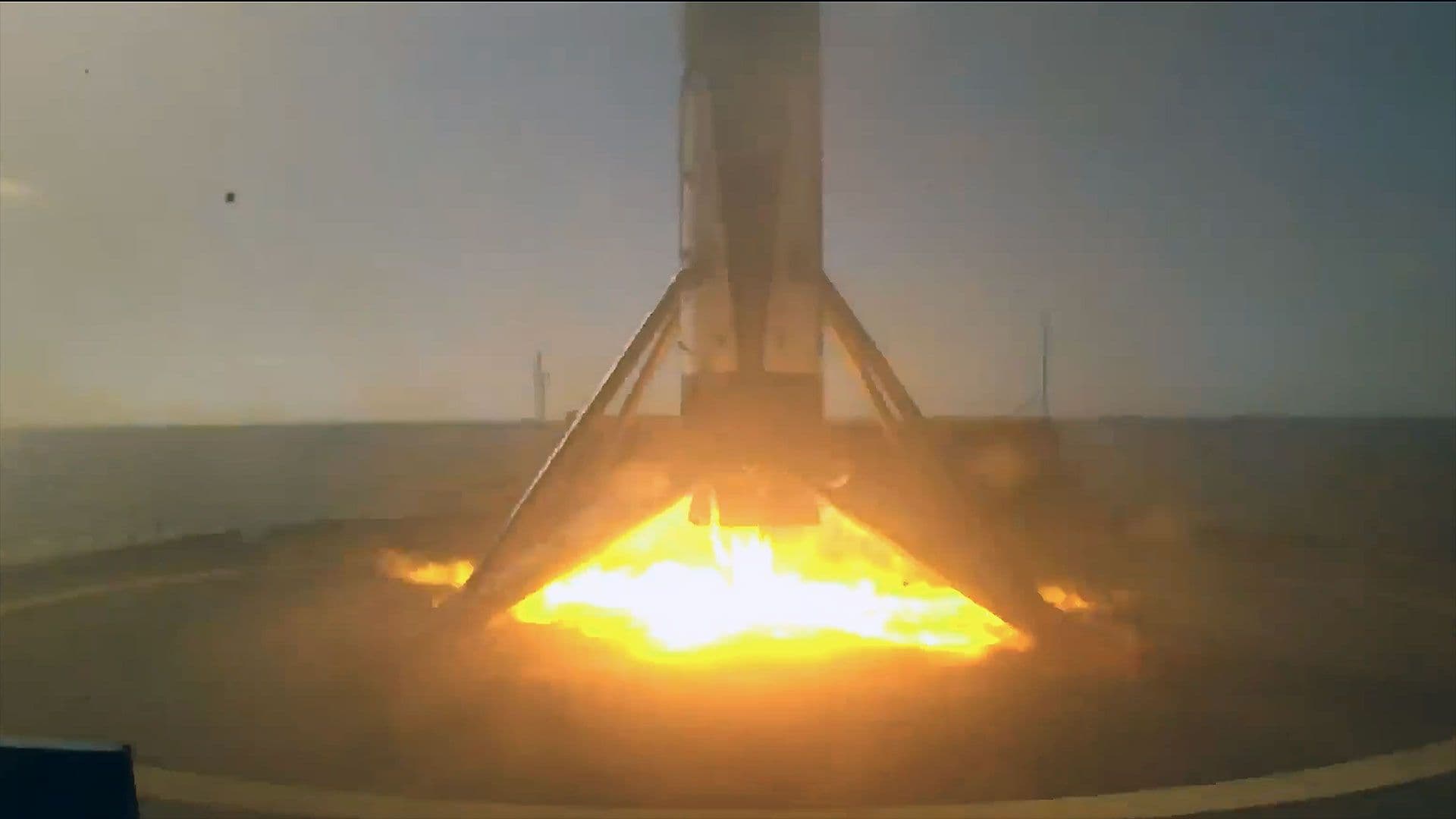
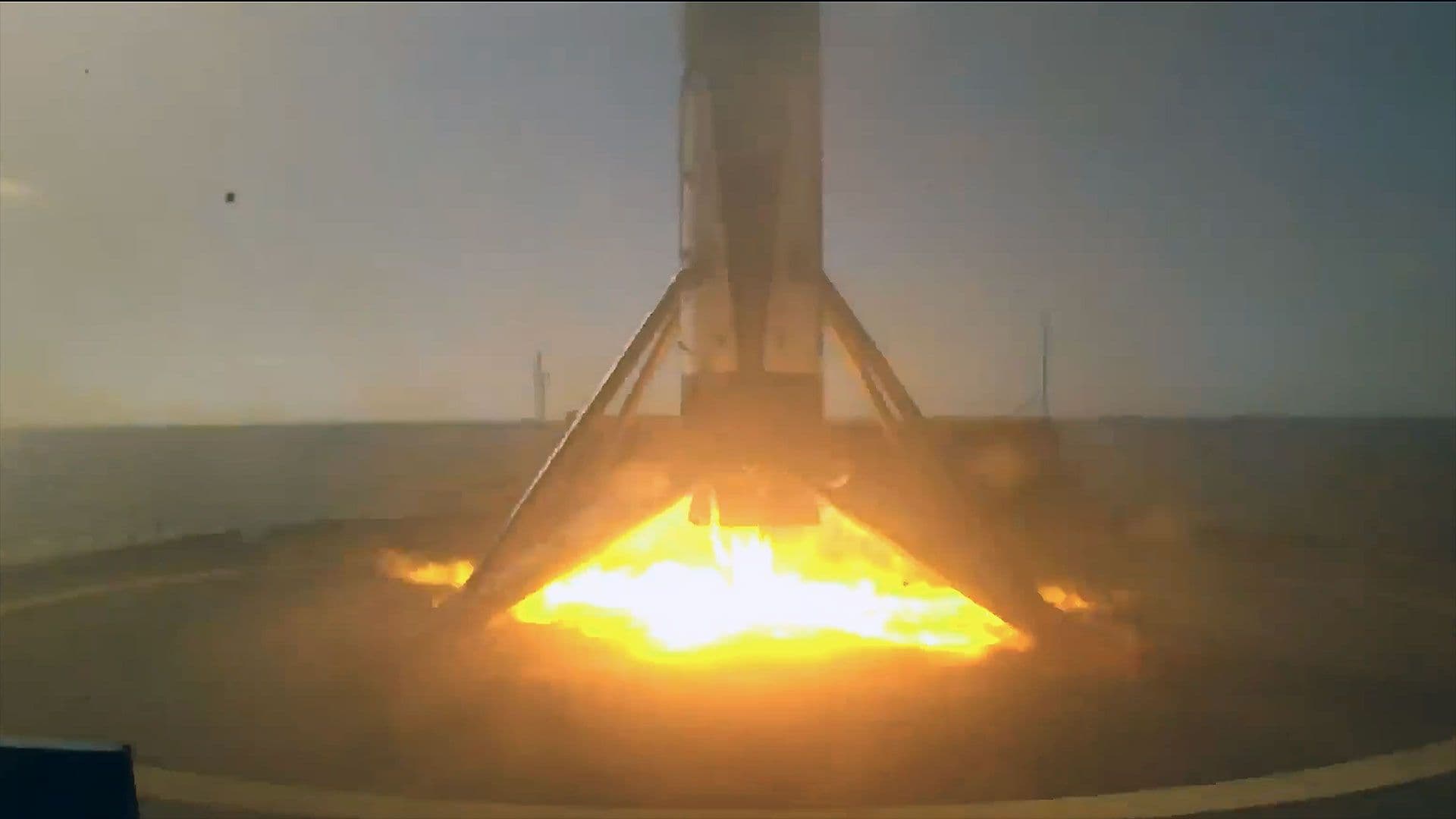
- SpaceX has landed 600 rockets since 2015, cutting launch costs by roughly 80% compared to disposable rockets
- The Starlink constellation now exceeds 10,275 satellites, generating estimated $6.6B annual revenue
- Reusability economics created a moat competitors still can't match after nearly a decade
Read in Short
SpaceX landed its 600th Falcon rocket on April 19, 2026. This isn't just an engineering achievement—it's proof that reusability transformed space from a government cost center into a viable commercial market. The same booster that landed Sunday has now flown 8 times. For business leaders, SpaceX offers a masterclass in how rethinking unit economics can create decade-long competitive moats.
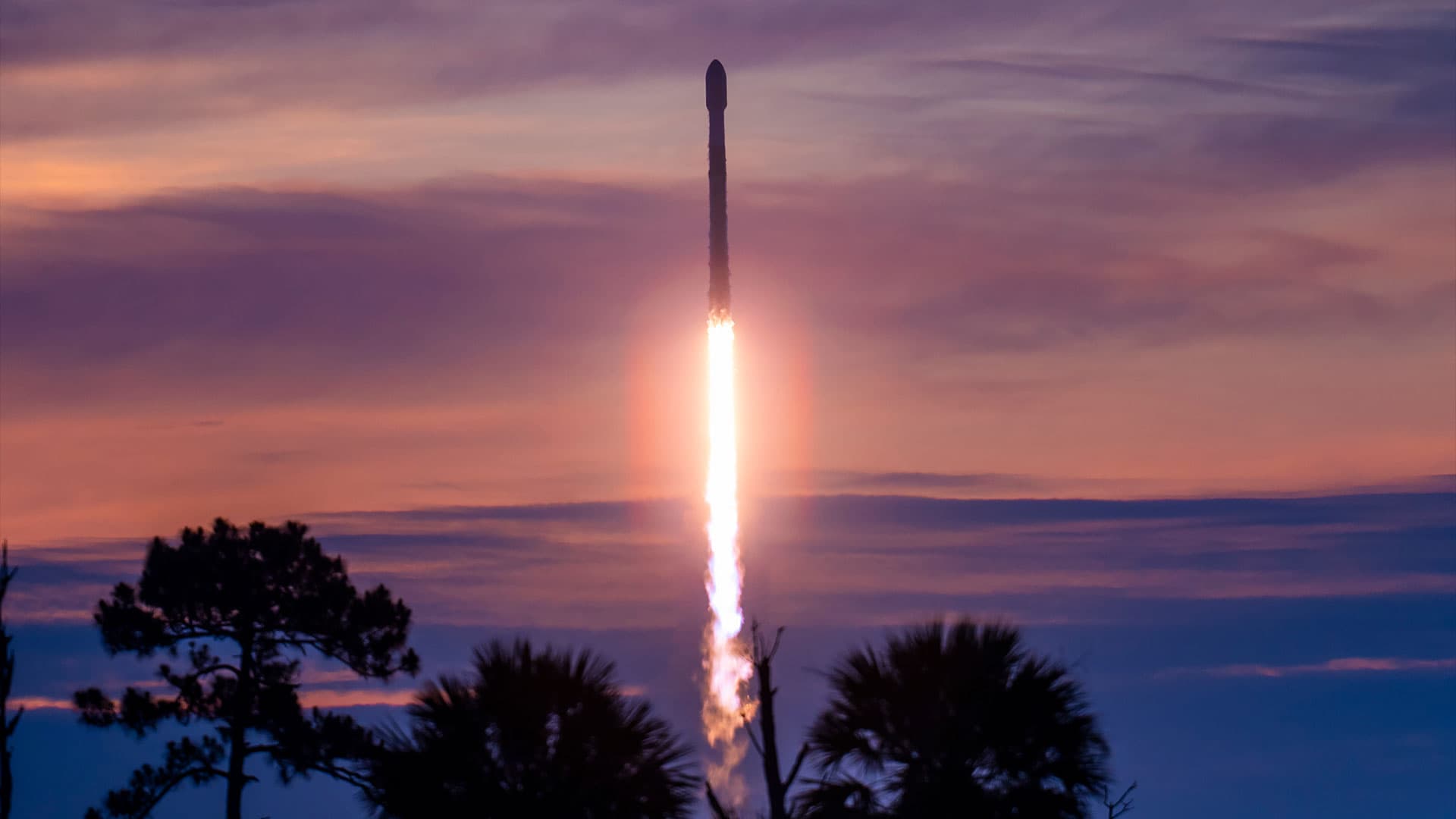
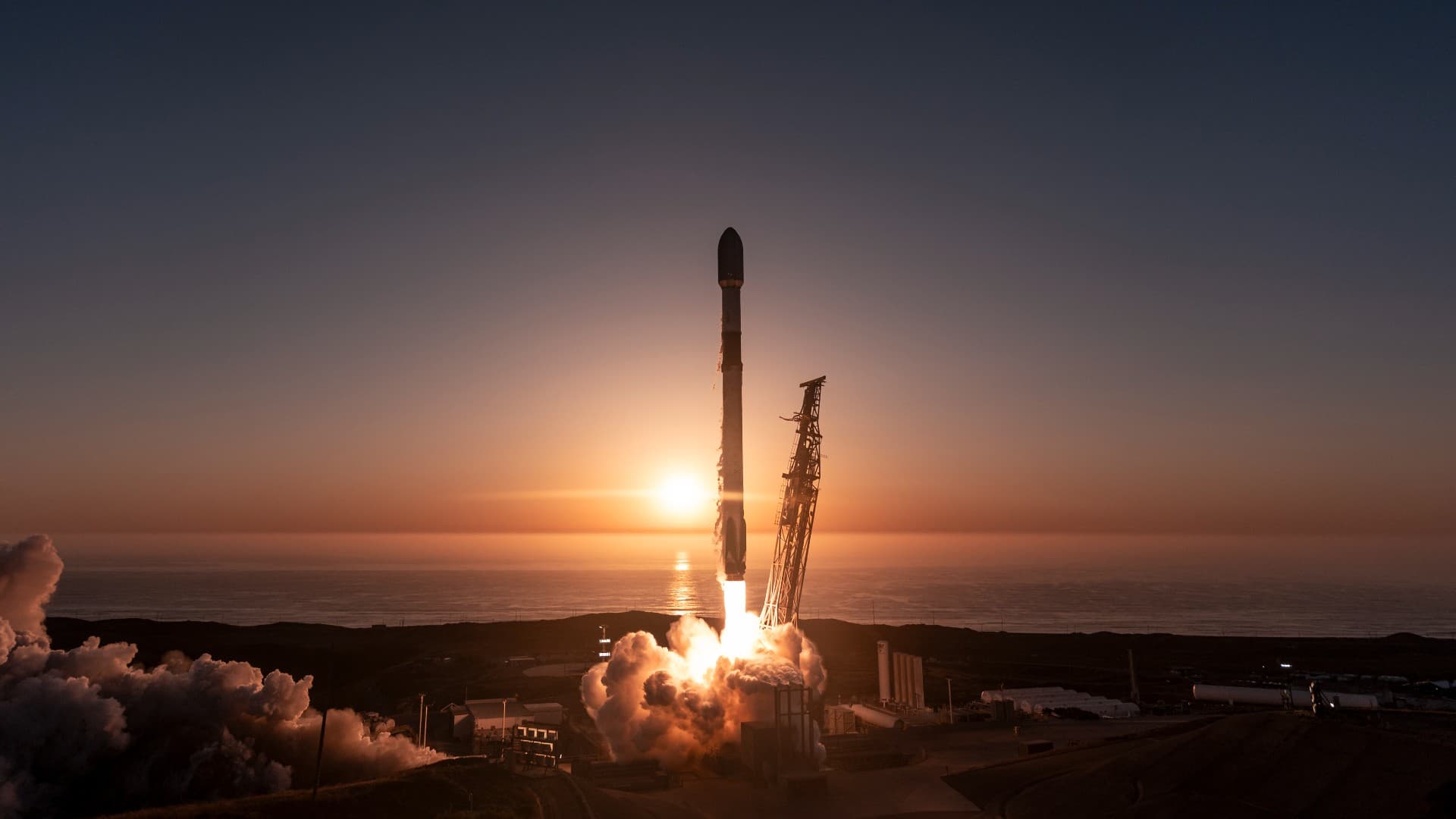
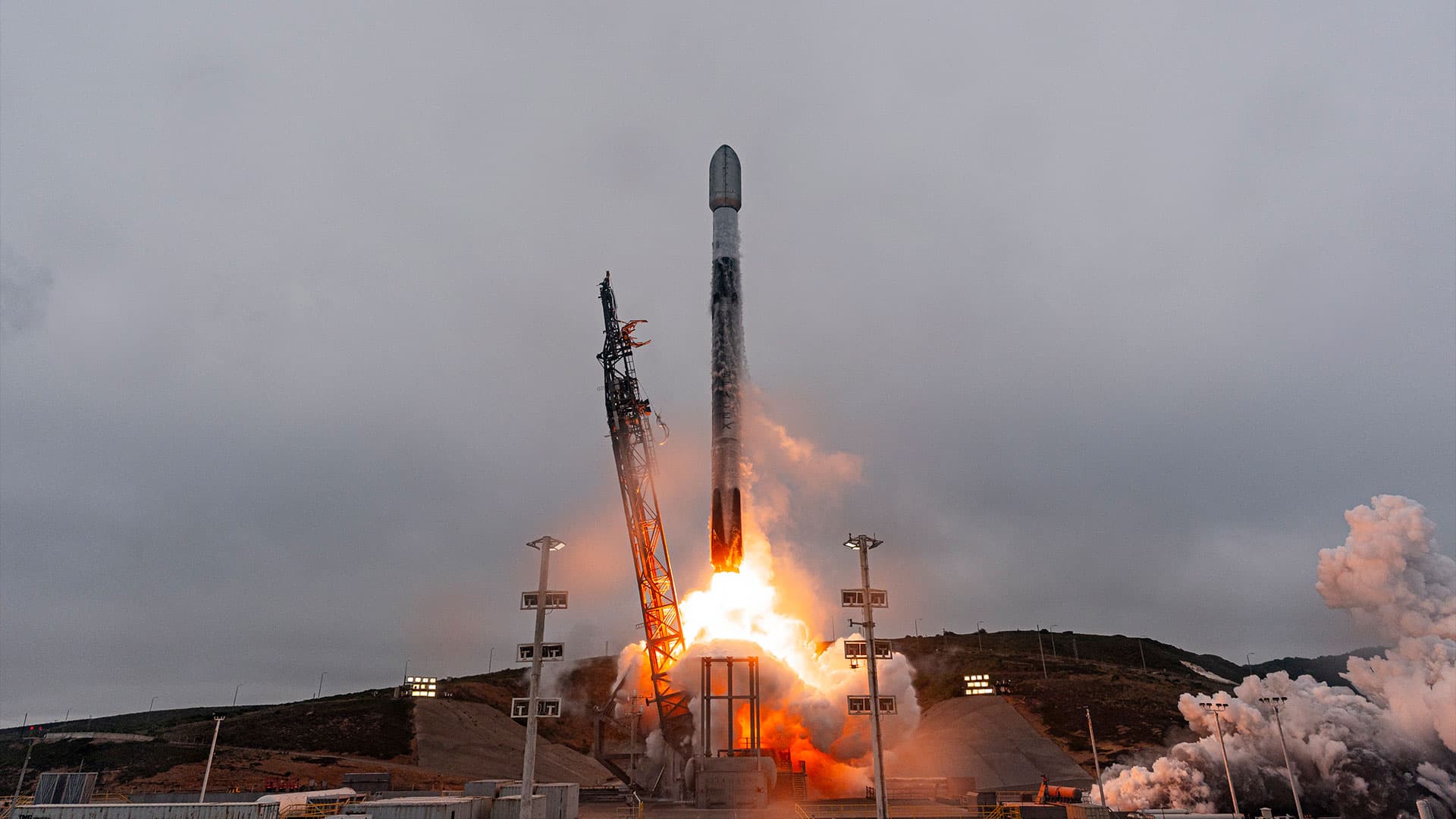
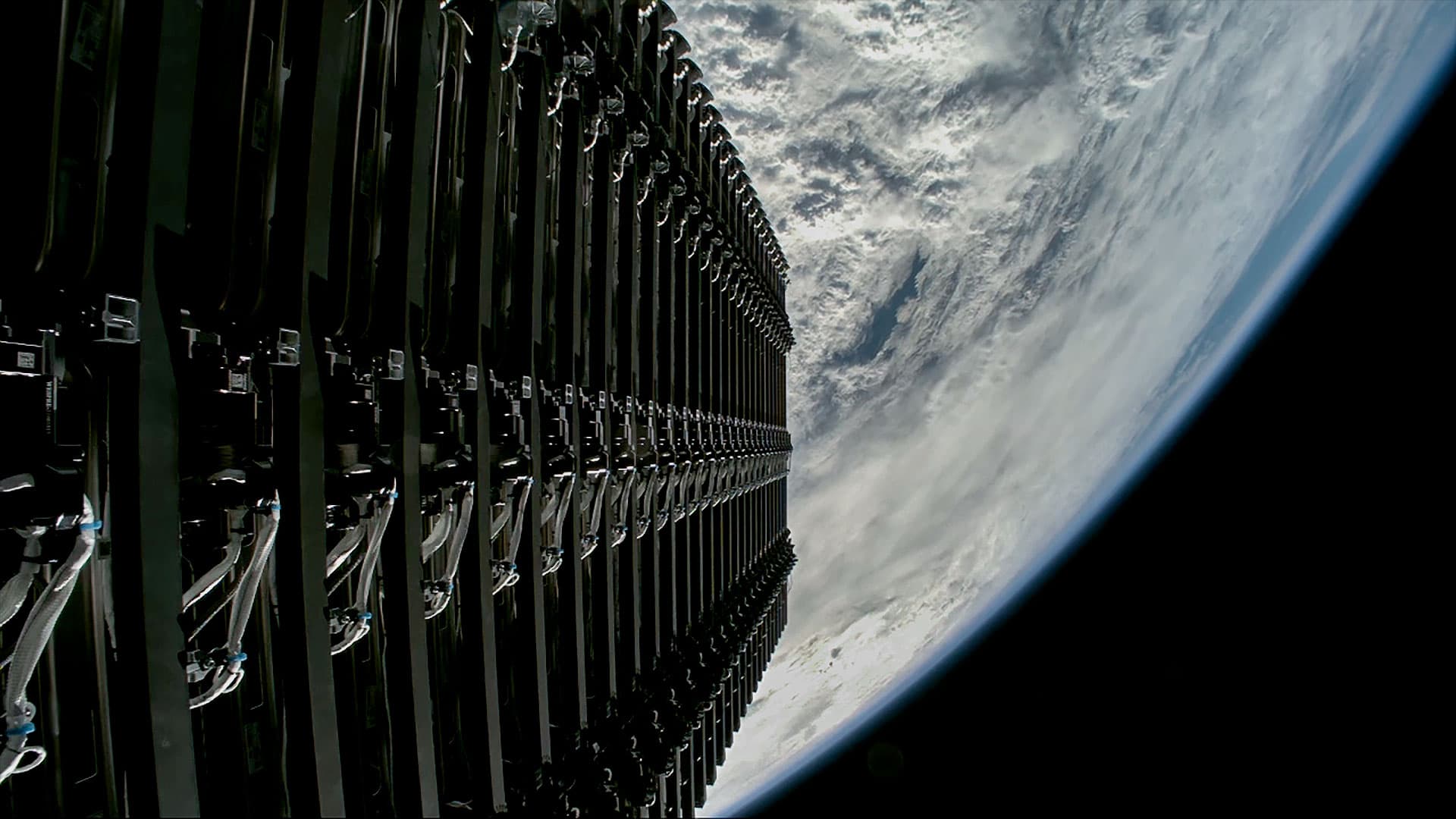
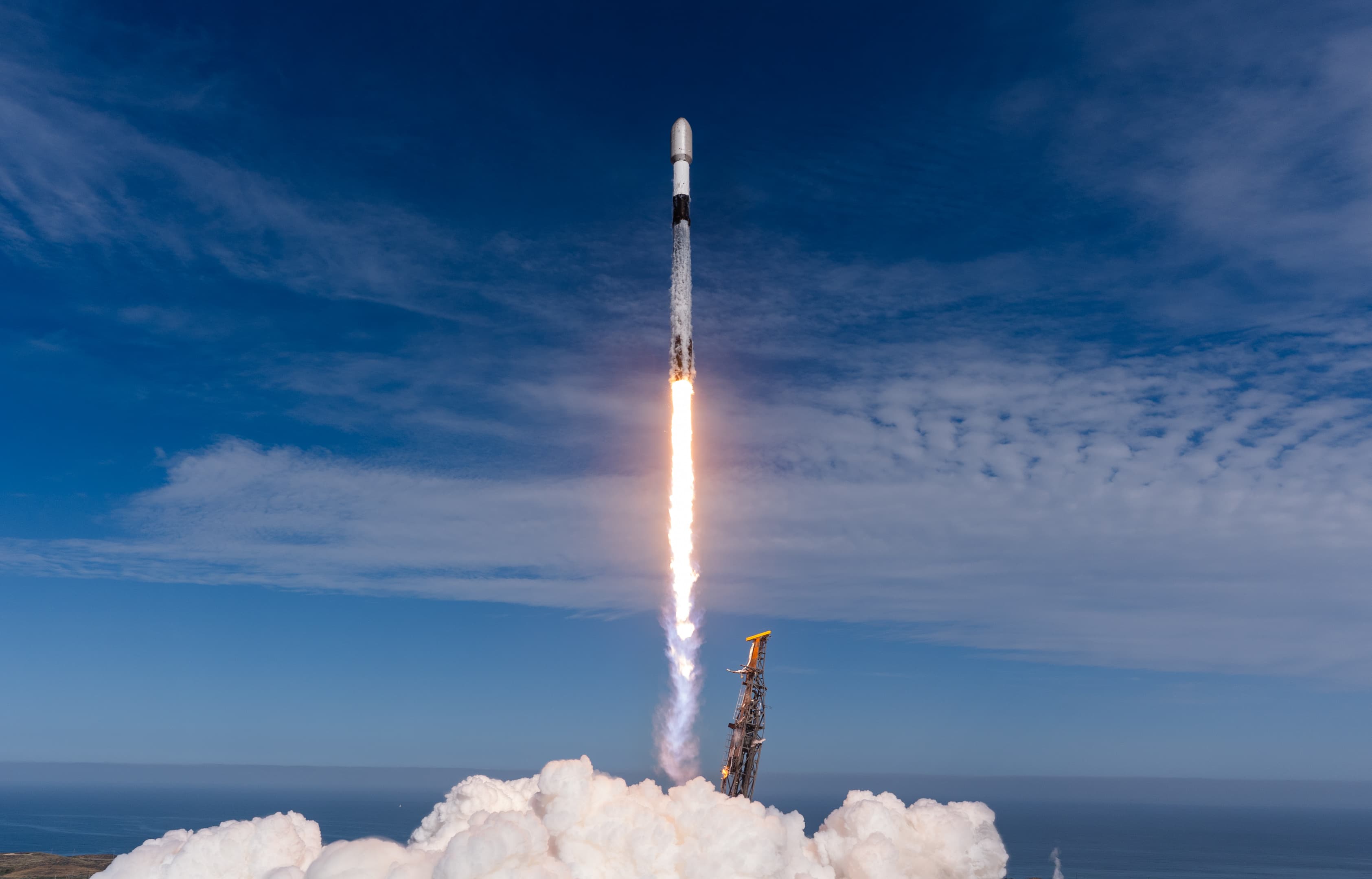
According to [Space.com](https://www.space.com/space-exploration/launches-spacecraft/spacex-starlink-17-22-b1097-vsfb-ofisly-600th-falcon-landing), SpaceX completed its 600th successful landing of an orbital-class rocket on Sunday, April 19, 2026, when a Falcon 9 first stage touched down on the Pacific Ocean droneship "Of Course I Still Love You" after deploying 25 Starlink satellites into orbit.
But here's what matters for anyone running a business: SpaceX didn't just figure out how to land rockets. They figured out how to turn a $60 million asset into something that generates revenue eight times instead of once. That single insight is worth more than any technical breakthrough.
Why Should CEOs Care About SpaceX Rocket Landings?
If you're not in aerospace, you might wonder why this matters. The answer is simple: SpaceX rewrote the rules of capital-intensive industries by making their most expensive asset reusable. Before 2015, every rocket launch meant throwing away hardware worth tens of millions. Imagine if airlines crashed every plane after one flight.
The Falcon 9 booster that landed Sunday (designated B1097) has now completed 8 flights. At roughly $28 million per booster, that's a single piece of hardware generating revenue from 8 separate missions instead of one. The economics are staggering.
| Metric | Traditional Rockets | SpaceX Falcon 9 |
|---|---|---|
| Cost per launch | $150-400 million | $67 million (list price) |
| Reusability | Zero flights | Up to 20+ flights per booster |
| Turnaround time | N/A (disposable) | As fast as 21 days |
| Launch cadence 2026 | Varies by provider | 47 launches in 4 months |
This isn't theoretical anymore. SpaceX has launched 47 Falcon 9 missions in 2026 alone—we're not even through April. Their closest competitors are measuring annual launches in single digits.
How SpaceX 600 Rocket Landings Built a $500B Industry Moat
When SpaceX first attempted rocket landings, the aerospace industry called it impossible. Now they're scrambling to catch up. ULA, Rocket Lab, and Blue Origin are all developing reusable systems, but SpaceX has a 10-year head start and 600 successful data points.
That data is the real moat. Every landing teaches SpaceX something about material fatigue, engine performance, and refurbishment efficiency. This compounding knowledge advantage is nearly impossible to replicate by throwing money at the problem.
The Starlink business only exists because reusable rockets made it economically viable to launch thousands of satellites. At $150 million per launch, Starlink would be impossible. At $67 million—or less for internal SpaceX missions—it becomes a cash machine.
What Business Leaders Can Learn From SpaceX Economics
The SpaceX playbook offers lessons for any capital-intensive business. Here's what CTOs and founders should study:
- Challenge the 'industry standard' cost structure. SpaceX asked why rockets had to be disposable when airplanes aren't. What assumption in your industry is actually just tradition?
- Vertical integration accelerates iteration. SpaceX manufactures most components in-house, allowing faster learning cycles. They're not waiting on supplier timelines.
- Use your cost advantage to create new markets. Starlink couldn't exist without cheap launches. What business becomes viable if you cut your unit costs by 80%?
- Data from operations compounds over time. Every landing generates proprietary knowledge. What operational data are you collecting that competitors can't access?
The timeline tells the story. SpaceX reached 500 landings in September 2025 after a decade of work. They added 100 more in just seven months. That acceleration is what happens when reusability economics hit escape velocity.
The Numbers Behind Reusable Rocket Launch Economics
Let's break down what SpaceX rocket landings actually mean for the bottom line. Industry analysts estimate the following economics:
- Falcon 9 first stage cost: ~$28 million
- Refurbishment cost per flight: ~$1-2 million (estimated)
- Flights per booster: 20+ targeted, 8+ already demonstrated
- Per-flight hardware cost with reuse: ~$3-5 million vs. $28 million expendable
- SpaceX's estimated gross margin on commercial launches: 40-50%
Compare this to competitors like ULA's Vulcan (expendable, $110M+) or Arianespace's Ariane 6 (expendable, $75M+). SpaceX isn't competing on price—they're playing a different game entirely.
By the Numbers: Sunday's Mission
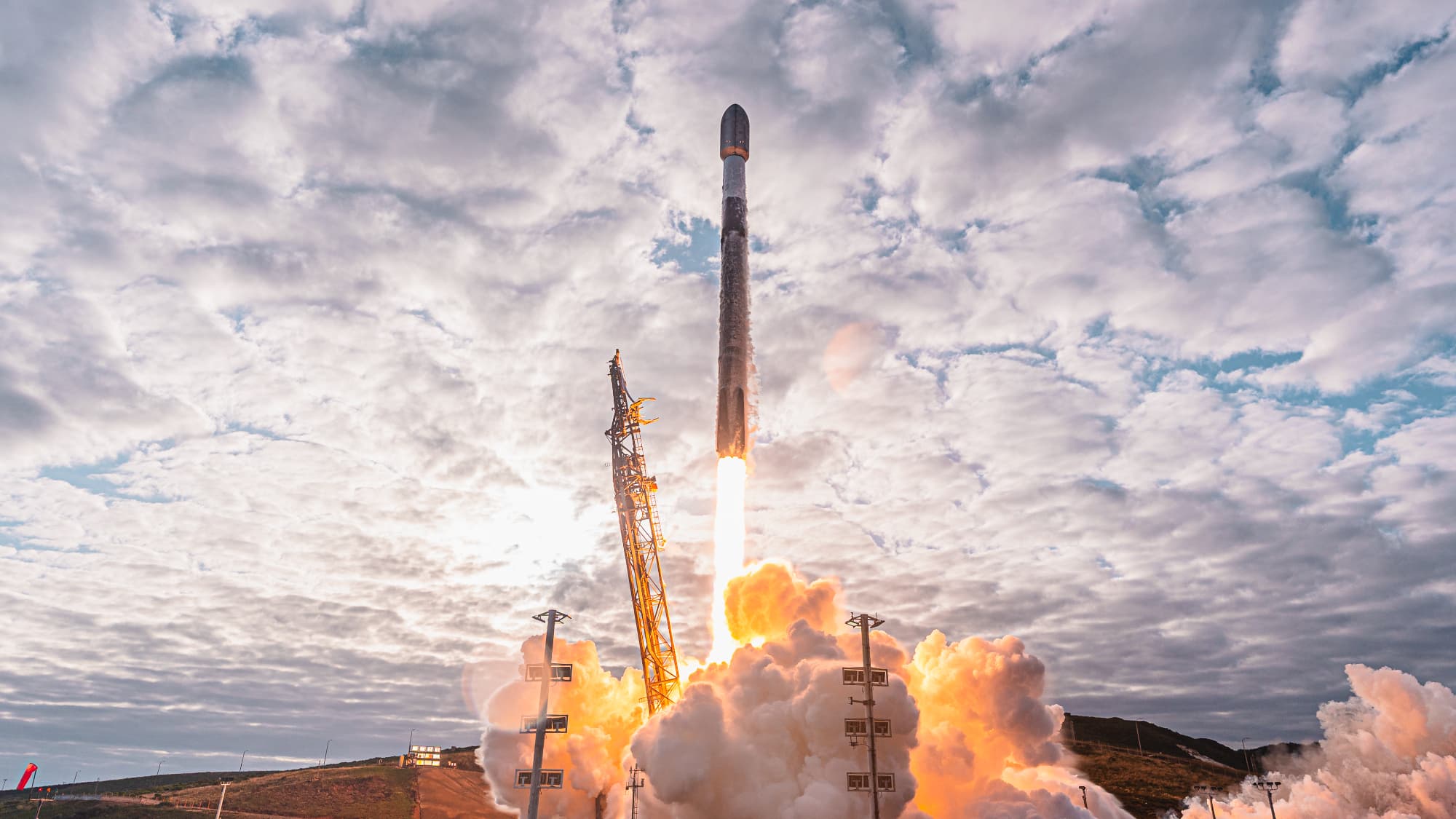
The April 19 launch was SpaceX's 47th Falcon 9 flight of 2026 and 630th overall. The mission deployed 25 Starlink satellites from Vandenberg Space Force Base in California, adding to the 10,275+ satellite constellation already in orbit. Booster B1097 completed its 8th successful landing.
How Long Until Competitors Match SpaceX Reusability?
Blue Origin's New Glenn rocket promises reusability but hasn't reached orbit yet. Rocket Lab is developing Neutron with first-stage recovery. China's commercial space sector is years behind. The honest answer? Nobody knows when—or if—competitors will match SpaceX's operational tempo.
The challenge isn't just landing rockets. It's the entire ecosystem: manufacturing at scale, rapid refurbishment, launch site infrastructure, and customer relationships. SpaceX has spent 15 years building this machine.
Another case study in how technical decisions create business risks
What SpaceX 600 Landings Means for the Broader Tech Industry
The space economy is projected to reach $1 trillion by 2030, up from roughly $469 billion in 2024. SpaceX's reusability model made this growth possible. Satellite internet, Earth observation, GPS-level services, and space manufacturing all depend on affordable access to orbit.
For tech companies evaluating satellite-based services, SpaceX's dominance creates both opportunities and risks. Starlink offers global connectivity that wasn't possible five years ago. But it also means critical infrastructure depends on one company's continued operational excellence.
CTOs building distributed systems should watch this space closely. Low-latency satellite internet is changing assumptions about edge computing, disaster recovery, and global service delivery. If your DR plan assumes terrestrial connectivity, it might be time to revisit that assumption.
Critical infrastructure resilience matters whether it's rockets or operating systems
Logicity's Take
We build AI agents and automation systems at Logicity, not rockets. But the SpaceX story resonates with every project we ship. The magic isn't landing a rocket—it's building systems that work reliably hundreds of times. When we deploy Claude-based agents for clients, we're solving the same fundamental challenge: how do you take something expensive (human expertise, custom development) and make it reusable? The answer is always the same. You invest heavily upfront in architecture that supports iteration, you collect operational data obsessively, and you optimize for turnaround time. For Indian tech businesses watching SpaceX, the lesson is clear. The companies that win aren't just technically excellent—they're economically differentiated. Whether you're building SaaS, running a services firm, or deploying AI automation, ask yourself: what's your equivalent of rocket reusability? What expensive thing do you throw away after one use that could generate value multiple times?
Frequently Asked Questions About SpaceX Rocket Reusability
Frequently Asked Questions
How much does SpaceX save by reusing rockets?
Industry estimates suggest SpaceX saves $20-25 million per launch by reusing first-stage boosters instead of building new ones. With 47 launches already in 2026, that's potentially over $1 billion in savings this year alone. These economics enable both competitive pricing for customers and healthy margins for SpaceX.
How many times can a Falcon 9 booster be reused?
SpaceX has demonstrated 20+ flights on individual boosters, with their goal being routine reuse without major refurbishment. The booster that landed Sunday (B1097) was on its 8th flight. Each successful reflight validates the reusability model and provides data for extending booster lifespans.
What does SpaceX's dominance mean for space industry competition?
SpaceX currently launches more payload to orbit than all other providers combined. Competitors are developing reusable systems, but none have matched SpaceX's operational tempo. This creates a near-monopoly in commercial launch services, which could raise concerns for customers dependent on space access.
Is investing in space-related companies worthwhile given SpaceX's lead?
The $1 trillion space economy projection suggests opportunities beyond launch services. Satellite communications, Earth observation, space manufacturing, and ground systems all represent growing markets. SpaceX's dominance in launch actually enables these downstream businesses by reducing their biggest cost.
How does Starlink revenue compare to SpaceX's launch business?
Starlink is estimated to generate $6.6 billion in annual revenue as of 2025, likely exceeding SpaceX's launch services revenue. The constellation's 10,275+ satellites represent SpaceX's strategy of using cheap launches to build recurring subscription revenue—a fundamentally different business model than one-time launch contracts.
Need Help Building Reusable Systems?
At Logicity, we help businesses build AI automation and web systems designed for long-term value—not throwaway projects. Whether you need Claude-based agents, n8n workflow automation, or scalable Next.js applications, we focus on architecture that compounds returns over time. Reach out to discuss how we can help you build your own reusability advantage.
Source: Latest from Space.com
Huma Shazia
Senior AI & Tech Writer
Produced with AI assistance and reviewed by the Logicity editorial team. Learn more in our Editorial Policy.