Key Takeaways
- Pricing 3x above competitors killed Pippin before it launched
- Apple's brand dilution strategy backfired when partners couldn't move units
- Timing a product against an industry shift (2D to 3D gaming) is fatal

Read in Short
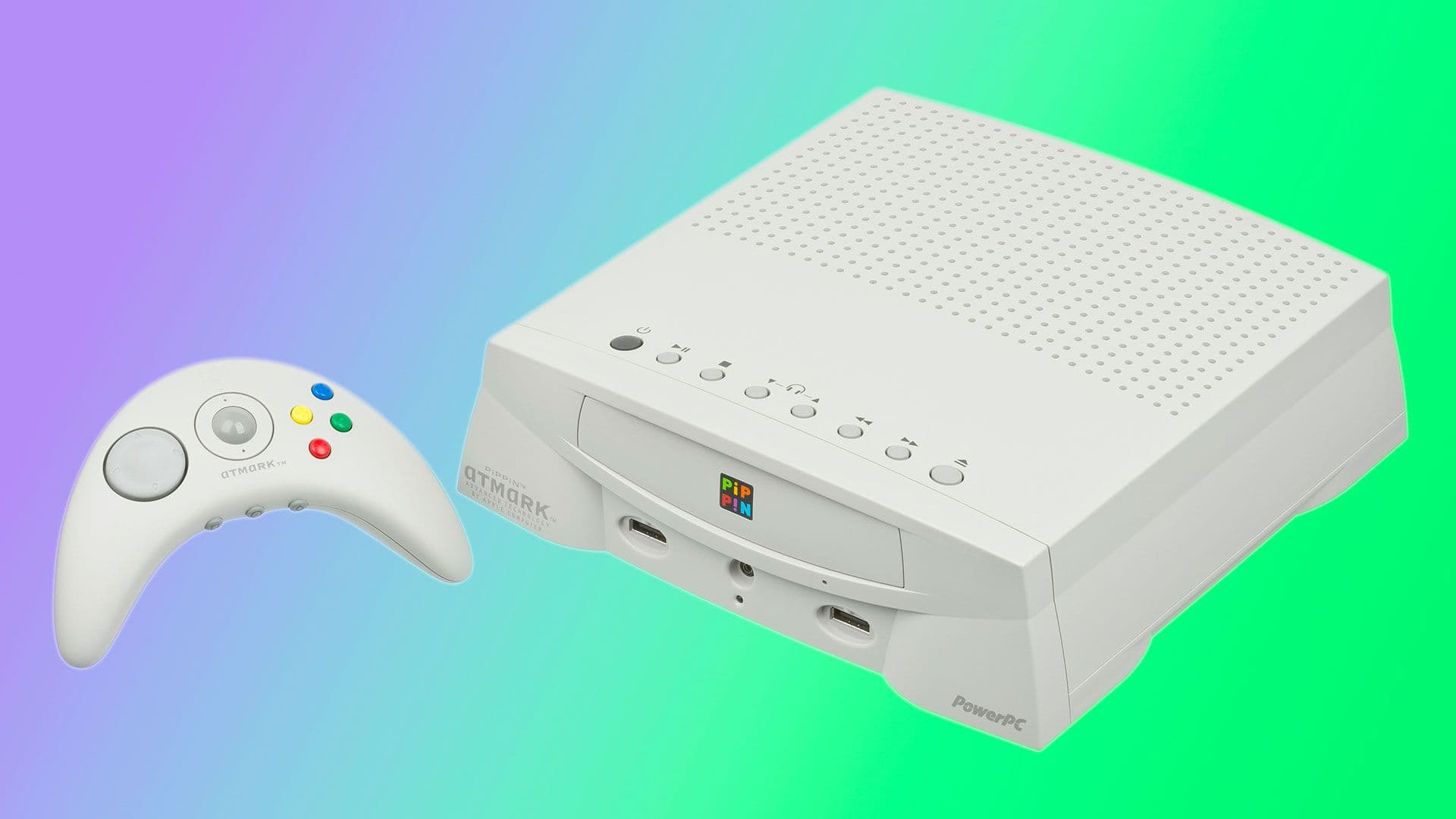
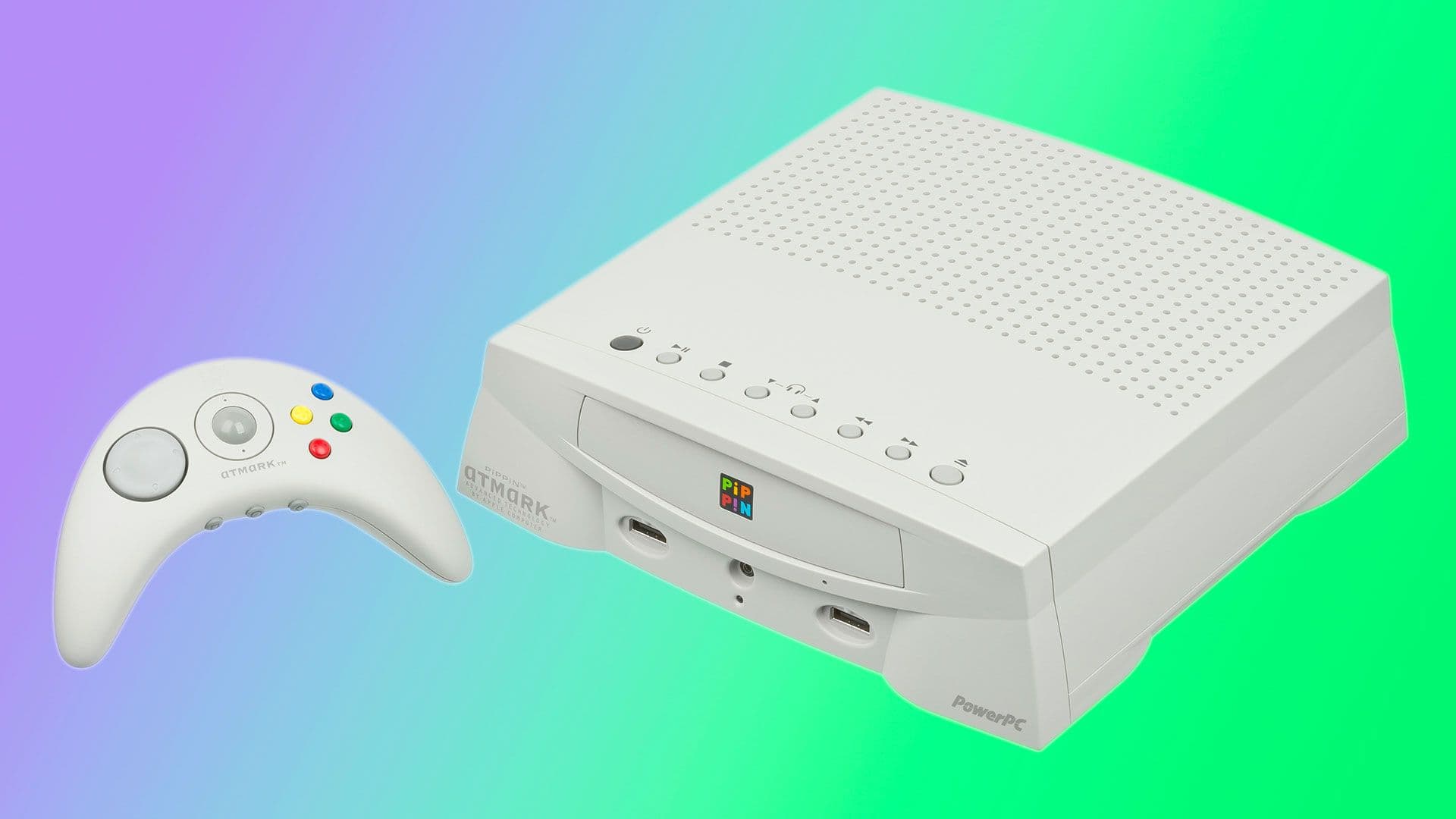
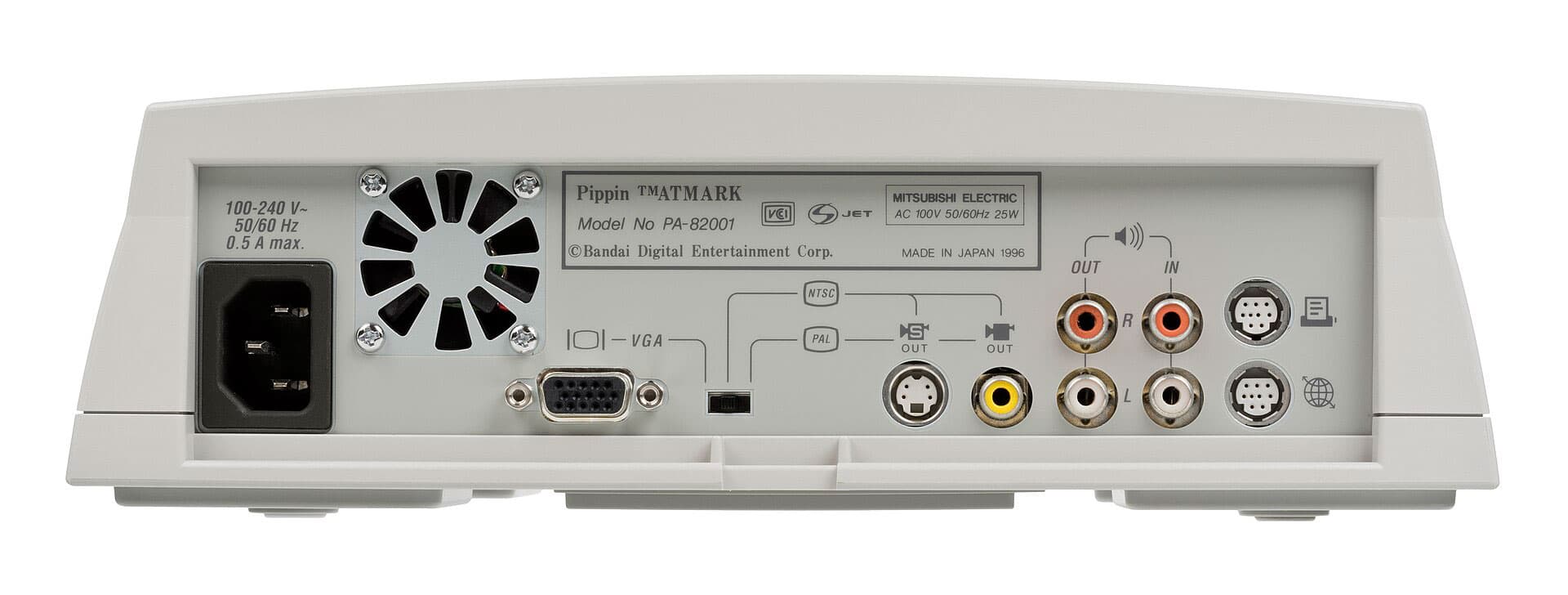
Thirty years ago, Apple launched the Pippin console at $599 while Sony's PlayStation sold for $299. Result: 42,000 units sold, product killed within 18 months. For today's CEOs, this isn't ancient history—it's a masterclass in what happens when pricing, timing, and market positioning all fail simultaneously.
According to [Tom's Hardware](https://www.tomshardware.com/video-games/retro-gaming/apples-pippin-console-launched-30-years-ago-today-shunned-by-the-public-as-too-expensive-and-too-expensive-only-42-000-units-were-sold), Apple's Pippin console launched exactly 30 years ago on April 21, 1996, and was "shunned by the public as too expensive and too slow," selling only approximately 42,000 units worldwide before Steve Jobs killed it upon his return in 1997.
Why should a CEO in 2026 care about a failed gaming console from 1996? Because the mistakes Apple made are the same ones companies repeat today: mispricing against established competitors, entering a market during a technology transition, and diluting brand ownership to partners who can't execute. Whether you're launching SaaS, hardware, or a platform play, Pippin's failure reads like a checklist of what not to do.
Why Did Apple Pippin Fail? The $600 Pricing Mistake
The Pippin launched at $599 in Japan and the US. The Sony PlayStation? $299. The Sega Saturn? $399. Nintendo 64 would arrive months later at $199. Apple priced itself at 2-3x the competition in a market where consumers had clear, cheaper alternatives.
This wasn't a premium positioning strategy—it was cost structure failure. The Pippin packed PowerPC 603 architecture at 66 MHz, essentially a stripped-down Macintosh. Apple tried to justify the premium by marketing it as a "home entertainment system" rather than a gaming console. Consumers weren't buying the story—literally.
| Console | Launch Price | Units Sold (Lifetime) | Key Differentiator |
|---|---|---|---|
| Apple Pippin | $599 | 42,000 | Mac-based, internet capable |
| Sony PlayStation | $299 | 102 million | 3D gaming, massive game library |
| Sega Saturn | $399 | 9.3 million | 2D arcade ports |
| Nintendo 64 | $199 | 32.9 million | First-party exclusives |
The lesson for executives: premium pricing requires premium differentiation that customers actually value. Pippin's Mac heritage meant nothing to console buyers who wanted games. Your technical superiority doesn't matter if it doesn't solve the customer's actual problem.
Apple's Brand Dilution Strategy Backfired
Here's a strategic decision that puzzles business analysts even today: Apple didn't want to be the sole brand behind Pippin. Instead, they licensed the platform to Bandai (Japan) and Katz Media (US) to manufacture and sell the devices.
On paper, this looks smart—let partners take the manufacturing risk while Apple collects licensing fees. In practice, it created a product with no clear owner. Bandai lacked the marketing muscle to compete with Sony's juggernaut. Katz Media couldn't build retail relationships to match Nintendo's distribution power. And Apple, trying to distance itself from consumer electronics risk, provided minimal support.
The Platform Licensing Trap
When you license your technology to partners, you're betting they'll execute better than you could. But if partners fail, your brand still takes the hit. Google learned this with early Android fragmentation. Microsoft learned it with Windows Mobile. Apple learned it with Pippin—then never repeated the mistake with iPod, iPhone, or Apple Watch.
For today's executives considering platform or licensing plays: control the customer experience or own the consequences of someone else controlling it poorly.
Timing a Product Launch Against Industry Shifts
The Pippin launched in April 1996. By that point, the gaming industry had already shifted decisively toward 3D gaming. Sony's PlayStation arrived in late 1994 in Japan and 1995 in the US. Games like Ridge Racer, Tekken, and Wipeout showed consumers what 3D gaming looked like. When Pippin launched with hardware better suited for 2D experiences, it looked outdated on arrival.
Apple's PowerPC 603 chip was competent for desktop computing tasks. For 3D gaming? The PlayStation's custom GPU demolished it. Pippin had no dedicated graphics hardware for 3D rendering. It was bringing a 2D knife to a 3D gunfight.
The timing lesson extends beyond gaming. If you're launching enterprise software when the market's shifting to AI-native tools, or releasing on-premise solutions when customers want cloud, you're fighting the same battle Apple lost with Pippin. Markets don't wait for your product roadmap.
Another case study in timing hardware launches against shifting market expectations
What Did Pippin Get Right? The Features Ahead of Their Time
In fairness to Apple's product team, Pippin wasn't all failure. The console included features that wouldn't become standard for another decade:
- Built-in modem for internet connectivity (standard dial-up era)
- Open platform architecture allowing third-party development
- Multimedia capabilities beyond gaming (the "home entertainment" pitch)
- Upgradeable storage and peripherals
Internet-connected gaming consoles wouldn't become mainstream until Xbox Live launched in 2002. Pippin had the vision—it just couldn't execute on price, performance, or timing. Being early to a trend isn't the same as being right. You need customers ready to buy, not a feature list for 2005 sold in 1996.
5 Product Launch Lessons from Apple Pippin for Today's CEOs
- Price against your actual competitors, not your internal cost structure. If PlayStation is $299, you can't be $599 without overwhelming differentiation customers actually want.
- Own your customer relationship. Licensing to partners means surrendering control. When partners fail, your brand fails.
- Time your launch to market readiness, not engineering completion. Pippin's 2D architecture launched into a 3D gaming world.
- Features customers will want in 5 years don't justify premium prices today. Pippin's internet connectivity mattered—a decade later.
- When the product fails, kill it fast. Steve Jobs discontinued Pippin immediately upon his return. Eighteen months of bleeding was enough.
These lessons apply whether you're launching hardware, SaaS platforms, or enterprise services. The fundamentals of product-market fit, competitive pricing, and timing don't change with technology generations.
Modern example of navigating premium vs standard pricing in competitive hardware markets
How Much Did Apple Pippin Cost the Company?
Apple never disclosed direct losses from Pippin, but context tells the story. In 1996, Apple's total revenue was $9.8 billion with a net loss of $816 million. The company was bleeding cash across multiple failed product lines including Pippin, Newton, and the Performa consumer Mac lineup.
When Steve Jobs returned in 1997, he famously reduced Apple's product line from over 350 products to just 10. Pippin was among the first cuts. Jobs understood something the previous leadership didn't: focus beats diversification when you're fighting for survival.
Could Apple Succeed in Gaming Today?
Apple Arcade launched in 2019, generating an estimated $1 billion annually by 2024. Apple's approach this time? Subscription gaming on existing hardware. No dedicated console. No manufacturing partners. No $600 price tag competing with established players.
The company learned from Pippin. Instead of competing head-on with PlayStation and Xbox, Apple found a different battlefield: mobile gaming and casual players on devices they already own. It's the opposite of Pippin's strategy—and it works.
Logicity's Take
From our perspective as an agency that builds products for startups and enterprises, the Pippin failure resonates because we see similar patterns in client briefs regularly. A founder wants to launch with every feature they'll eventually need, pricing for a premium market that doesn't exist yet. The hard conversation we have: what's the minimum viable product that customers will actually pay for today? Pippin had internet connectivity in 1996. Nobody cared. We've seen Indian startups add AI features because they're cool, not because customers are asking. The Pippin lesson isn't about gaming—it's about discipline. Build for the market you have, price against competitors who exist, and ship when customers are ready to buy. The features you're excited about for 2028 don't matter if you can't survive 2026.
Frequently Asked Questions
Frequently Asked Questions
How many Apple Pippins were sold?
Approximately 42,000 units worldwide across all markets. For comparison, the Sony PlayStation sold over 100 million units during the same console generation, making Pippin one of the worst-selling major console releases in gaming history.
Why did Apple Pippin fail?
Three primary factors: pricing at $599 versus PlayStation's $299, launching 2D-focused hardware as the market shifted to 3D gaming, and diluting brand ownership to partners Bandai and Katz Media who couldn't compete with Sony's marketing power.
Is Apple Pippin worth anything today?
As a collector's item, Pippin consoles sell for $300-800 on auction sites, with rare Japanese models and complete-in-box units commanding higher prices. It's become a curiosity for gaming historians and Apple memorabilia collectors.
Has Apple tried gaming since Pippin?
Yes. Apple Arcade launched in 2019 as a subscription gaming service on existing Apple devices. It generates approximately $1 billion annually without requiring dedicated gaming hardware—a fundamentally different strategy than Pippin.
What product launch lessons does Pippin teach?
Key lessons include: price against actual competitors (not your cost structure), own the customer relationship instead of licensing to partners, time launches to market readiness rather than engineering completion, and kill failing products quickly rather than prolonging losses.
For CTOs evaluating technology risks—a reminder that product and security decisions have lasting business impact
Need Help Evaluating Your Product Launch Strategy?
At Logicity, we help startups and enterprises build products that actually ship—with realistic timelines, competitive pricing analysis, and go-to-market strategies grounded in market reality. Whether you're launching SaaS, hardware integrations, or platform plays, we've learned from failures like Pippin so you don't have to repeat them. Let's talk about your roadmap.
Source: Latest from Tom's Hardware
Huma Shazia
Senior AI & Tech Writer
Produced with AI assistance and reviewed by the Logicity editorial team. Learn more in our Editorial Policy.