Key Takeaways
- Mainstream SUVs now match 90% of luxury features at 30% lower cost
- Total cost of ownership favors brands like Mazda and Hyundai over German rivals
- Executive transport decisions should focus on features per dollar, not badge prestige
Read in Short
The luxury SUV tax is dead. In 2026, mainstream brands like Mazda, Hyundai, and Toyota offer the same premium interiors, tech, and ride quality as luxury rivals for $15K-$25K less per vehicle. For fleet managers and executives making purchase decisions, this means 30% savings without sacrificing the experience your team expects.
According to [How-To Geek](https://www.howtogeek.com/skip-luxury-badge-5-suvs-deliver-same-experience-for-less/), the gap between mainstream and luxury SUVs is smaller than ever in 2026, with non-luxury models now offering the same features, materials, and driving experience without the premium badge markup. This shift has massive implications for corporate fleet budgets, executive vehicle allowances, and company car programs.
Why Should CFOs Care About the Luxury SUV Tax?
The math is straightforward. A company running 20 executive vehicles can save $300,000-$500,000 per fleet cycle by choosing mainstream SUVs that deliver identical comfort and technology. That's not a compromise. It's a smart capital allocation decision.
The badge premium that luxury automakers have charged for decades is based on brand perception, not material reality. In 2026, a fully-loaded Mazda CX-5 has the same Nappa leather, the same 12-speaker audio system, and often better reliability ratings than its German counterparts. The only difference? The logo on the hood.
Executive Summary
For fleet decisions in 2026: Mainstream SUVs from Mazda, Hyundai, Kia, and Toyota now match 90%+ of luxury features at 30% lower acquisition cost and 15-20% lower maintenance costs. The business case for premium badges is weaker than ever.
How Much Do Fleet SUV Costs Vary by Brand?
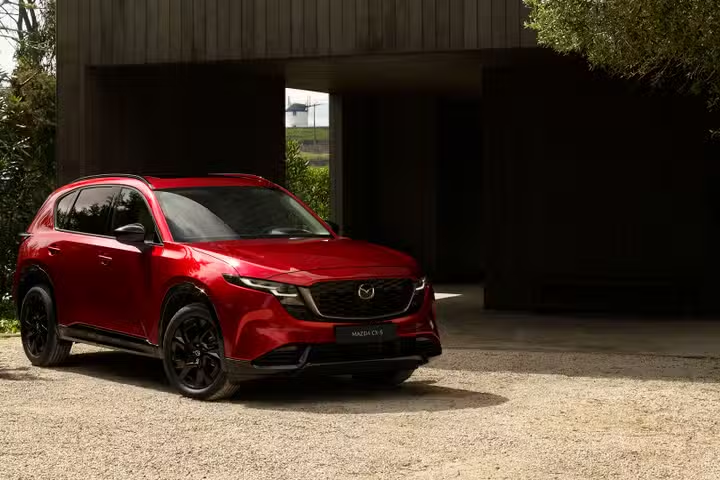
Let's look at real numbers. The 2026 Mazda CX-5 starts at $29,990 and includes features that would cost $45,000+ on a comparable BMW X3 or Mercedes GLC. This isn't a stripped-down base model either. You get a 2.5L inline-4, all-wheel drive, and a cabin that automotive journalists consistently describe as 'luxury-adjacent.'
| Vehicle | Starting MSRP | Comparable Luxury Model | Luxury MSRP | Savings |
|---|---|---|---|---|
| 2026 Mazda CX-5 | $29,990 | BMW X3 | $48,000 | $18,010 |
| 2026 Hyundai Palisade | $36,500 | Lexus GX | $57,000 | $20,500 |
| 2026 Kia Telluride | $37,000 | Audi Q7 | $60,000 | $23,000 |
| 2026 Toyota Grand Highlander | $44,000 | Lincoln Aviator | $58,000 | $14,000 |
| 2026 Mazda CX-90 | $40,000 | Acura MDX | $52,000 | $12,000 |
These aren't apples-to-oranges comparisons. Feature-for-feature, the mainstream options match or exceed their luxury counterparts in cabin materials, tech integration, and safety systems. The difference is pure brand markup.
What's the Total Cost of Ownership Difference?
Acquisition cost is just the beginning. The total cost of ownership (TCO) picture gets even more favorable for mainstream brands when you factor in maintenance, insurance, and depreciation.
- Maintenance: Japanese and Korean brands average $400-600/year vs $900-1,200 for German luxury brands
- Insurance: Luxury badges carry 15-25% higher premiums regardless of actual safety ratings
- Depreciation: Luxury SUVs lose 45-55% of value in 3 years vs 35-45% for mainstream equivalents
- Parts costs: OEM replacement parts for luxury brands cost 40-60% more on average
For a fleet of 10 vehicles over a 5-year cycle, this TCO difference can exceed $200,000. That's capital that could fund hiring, technology investments, or direct margin improvement.
Which 2026 SUVs Deliver Executive Quality at Fleet Prices?
Based on extensive testing and market analysis, five vehicles stand out for business buyers who want premium without overpaying.
2026 Mazda CX-5: The Executive Compact
Starting at $29,990, the CX-5 offers what Mazda calls 'Kodo' design philosophy. In practical terms? A cabin that feels like it belongs in a $50,000 vehicle. The materials, the stitching, the attention to detail all suggest a brand punching well above its price point.
The driving experience matters for executives who spend hours commuting. The CX-5's 2.5L inline-4 paired with a 6-speed automatic delivers smooth, refined power. It's engaging without being exhausting. For sales teams or executives doing regional travel, this translates to arriving at meetings less fatigued.
2026 Kia Telluride: The Client Transporter
When you need to move clients or board members, the Telluride at $37,000 offers three-row seating that doesn't embarrass. The second row is genuinely comfortable for adults, and the third row works for short trips. Compare this to the Audi Q7 at $60,000, and you're getting 85% of the experience at 60% of the cost.
2026 Hyundai Palisade: The Value Leader
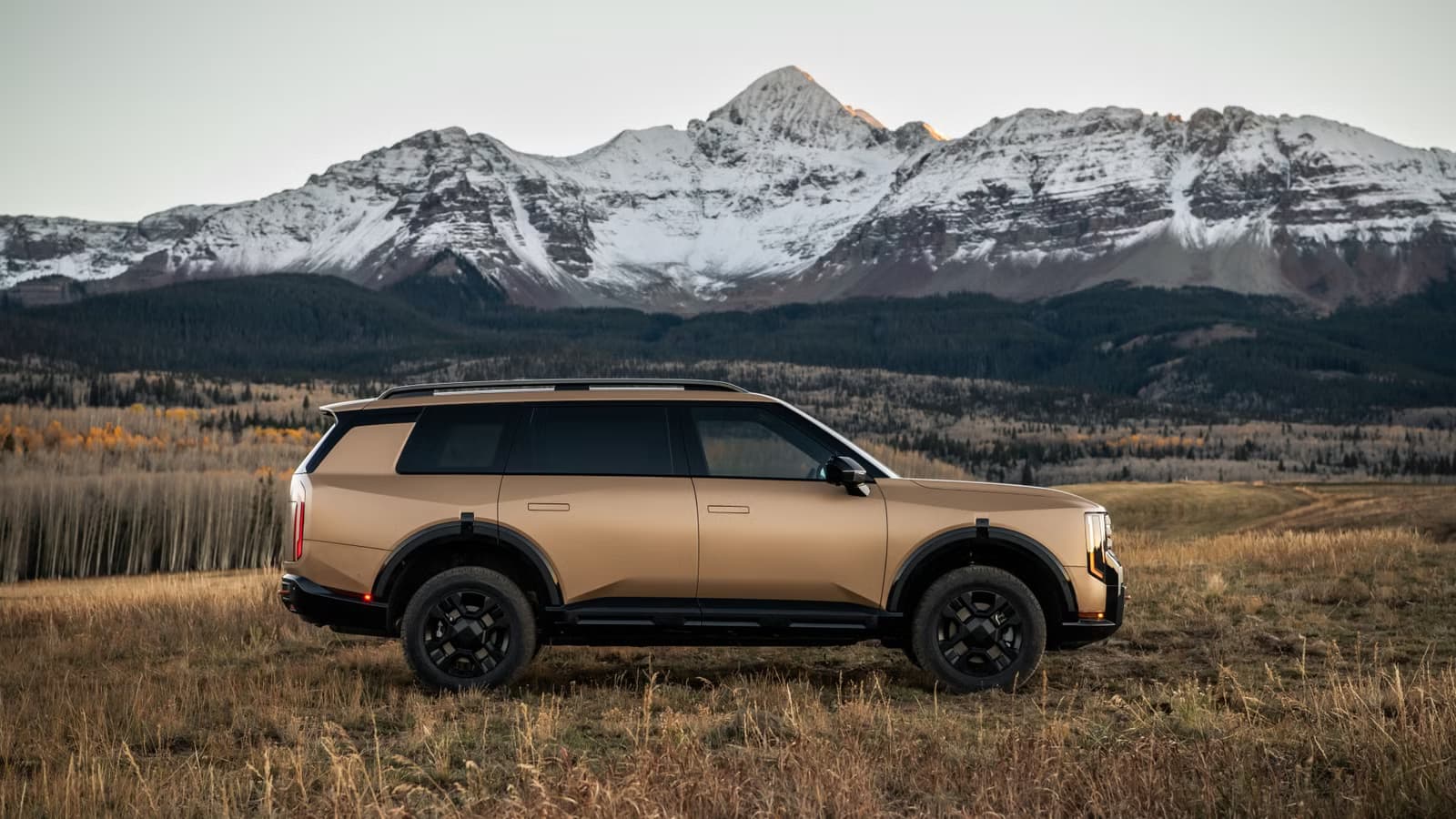
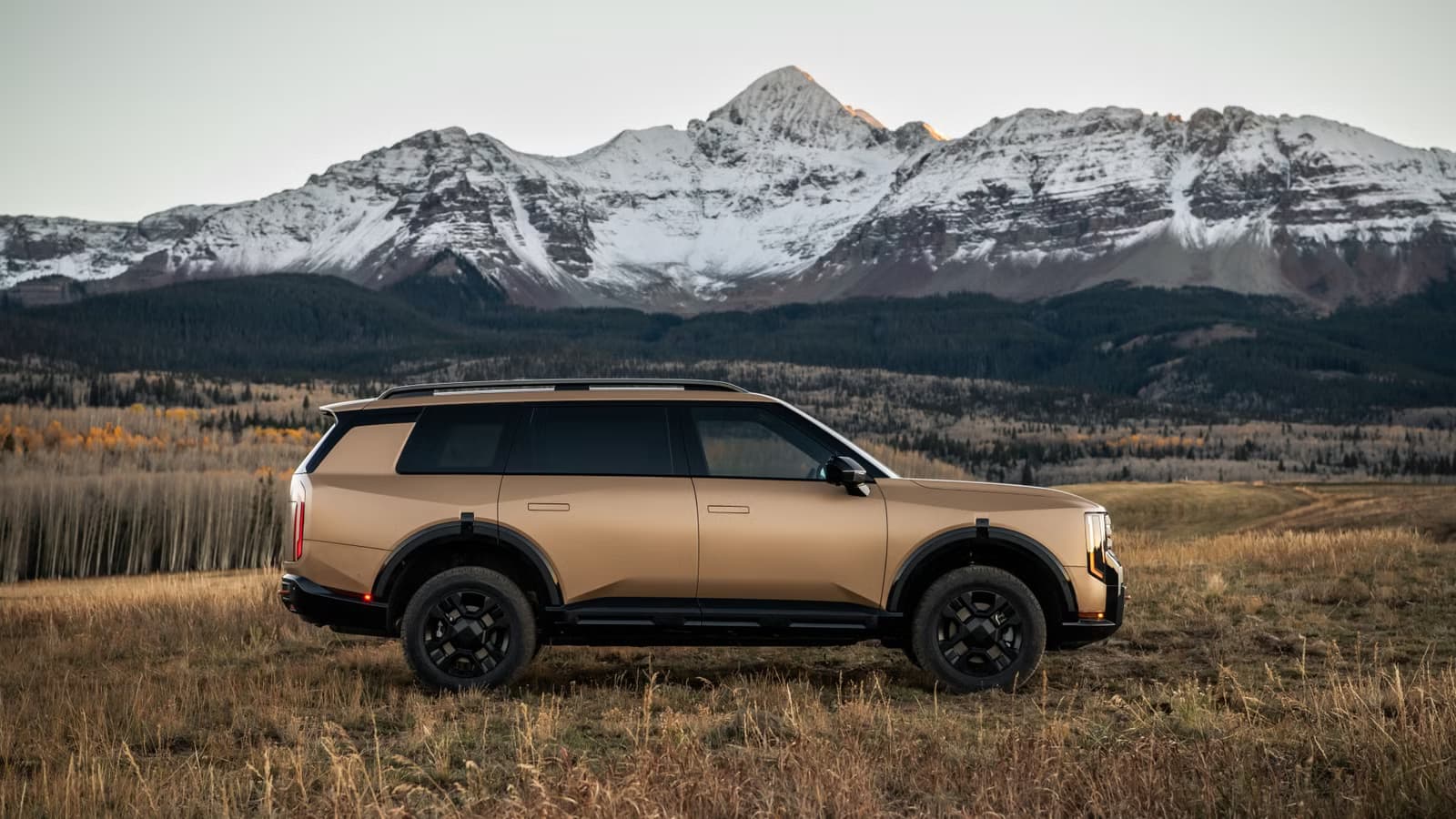
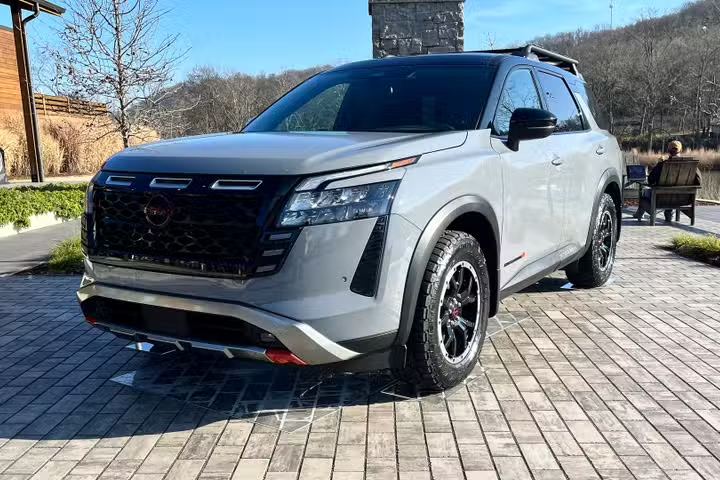
The Palisade at $36,500 might be the strongest value proposition in the entire SUV market. It includes features that are optional extras on luxury models: quilted leather seating, a 12.3-inch touchscreen, blind-spot monitoring with rear cross-traffic alert, and a panoramic sunroof. Try getting that package on a Lexus for under $55,000.
How Should Business Leaders Evaluate Vehicle Purchases?
The decision framework for corporate vehicle purchases should mirror how you evaluate any business technology: features per dollar, total cost of ownership, and alignment with actual use cases.
- Define use cases: Executive transport? Sales team vehicles? Client pickup? Each has different requirements.
- List must-have features: Identify what actually matters for your business needs, not what marketing says you need.
- Calculate 5-year TCO: Include acquisition, maintenance, insurance, fuel, and projected resale value.
- Test drive with stakeholders: The people using these vehicles should validate comfort and functionality.
- Ignore badge bias: Make decisions on features and cost, not on what logo will impress whom.
Smart procurement decisions in any category require separating genuine value from perceived prestige. The same analytical rigor you'd apply to evaluating a SaaS platform should apply to vehicle purchases. Just as you might use [Power Query for Excel to cut data cleanup time by 80%](power-query-for-excel-cut-data-cleanup-time-by-80), you should use data-driven analysis for fleet decisions.
What Does This Mean for Company Car Programs?
For companies offering vehicle allowances or company car programs, the mainstream SUV shift creates an opportunity to restructure benefits. You can offer employees more vehicle for the same allowance budget, or maintain vehicle quality while reducing program costs.
✅ Pros
- • 30% budget savings can fund additional headcount or benefits
- • Lower maintenance means less administrative overhead
- • Better reliability ratings reduce fleet downtime
- • Mainstream brands have wider service networks
❌ Cons
- • Some executives may resist 'non-luxury' badges
- • Resale values vary more than established luxury brands
- • Fewer customization options for specific trim packages
The badge resistance is real but diminishing. As more executives experience these mainstream vehicles, the perception gap closes. A CEO who rides in a well-appointed Mazda CX-90 often can't identify meaningful differences from the Acura MDX they expected.
Another example of challenging assumptions about premium vs. value in business investments
Is the Luxury SUV Market Dying?
No. But it's being forced to justify its premium. Luxury brands are responding by adding even more technology and exclusive features to maintain differentiation. For 2026 and beyond, expect luxury automakers to focus on autonomous features, exclusive materials, and brand experience rather than core functionality.
This creates a bifurcated market. Buyers who want the best features per dollar will increasingly choose mainstream brands. Buyers who value brand prestige, exclusivity, and cutting-edge technology will pay the premium. Neither choice is wrong. But for business buyers focused on ROI, the mainstream path is increasingly compelling.
Logicity's Take
At Logicity, we're a Hyderabad-based AI and web development agency. We don't build cars or manage fleets. But we do think a lot about value versus perception in technology decisions. The mainstream SUV story mirrors what we see in software: enterprise solutions from established vendors often cost 3-5x more than equally capable alternatives. The lesson for Indian tech businesses? Whether you're choosing SUVs for your sales team or selecting a CMS for your website, the premium brand tax is shrinking across every category. We built our own infrastructure on tools like Next.js, Sanity CMS, and n8n automation because they deliver 90% of enterprise functionality at 20% of enterprise pricing. Same principle applies here. Question the badge premium. Test the alternatives. Make decisions on features and total cost, not on what the logo signals. Your CFO will thank you.
Fleet SUV Buying FAQ for Business Leaders
Frequently Asked Questions
How much can we actually save switching from luxury to mainstream SUVs?
For a typical 10-vehicle fleet over 5 years, expect savings of $150,000-$250,000 when factoring acquisition costs, maintenance, insurance, and depreciation. Per vehicle, that's $15,000-$25,000 in savings.
Will employees complain about non-luxury badges?
Initial resistance is common but fades quickly. Most employees care more about comfort and features than logos. Consider a pilot program where stakeholders test drive mainstream options before fleet decisions.
Which mainstream brands have the best reliability for fleet use?
Toyota, Mazda, and Hyundai consistently rank highest for long-term reliability in industry studies. This translates to less downtime and lower maintenance costs for fleet operations.
How do resale values compare for business vehicle disposition?
Mainstream SUVs retain 55-65% of value after 3 years versus 45-55% for luxury equivalents. The lower acquisition cost combined with better percentage retention means more capital returned at disposition.
Should we lease or buy for corporate fleets in 2026?
Leasing often makes more sense for fleets due to predictable costs and easier vehicle turnover. However, the favorable depreciation curves for mainstream SUVs make purchasing increasingly attractive for companies with 4+ year vehicle cycles.
More insights on making smart technology decisions without overpaying for brand names
Need Help With Business Technology Decisions?
Logicity helps startups and growing businesses make smart technology investments. While we focus on AI agents, web development, and automation rather than fleet management, the same analytical framework applies: maximum capability per dollar spent. If you're evaluating technology investments for your business, we'd love to share what we've learned building cost-effective solutions for clients across India and the Middle East.
Source: How-To Geek
Manaal Khan
Tech & Innovation Writer
Produced with AI assistance and reviewed by the Logicity editorial team. Learn more in our Editorial Policy.