Key Takeaways
- The S26 Ultra's titanium frame is gone—both phones now use identical Armor Aluminum 2 builds
- Privacy Display on Ultra could matter for executives handling sensitive data in public
- Regional chip differences mean procurement teams need to verify Snapdragon vs Exynos variants
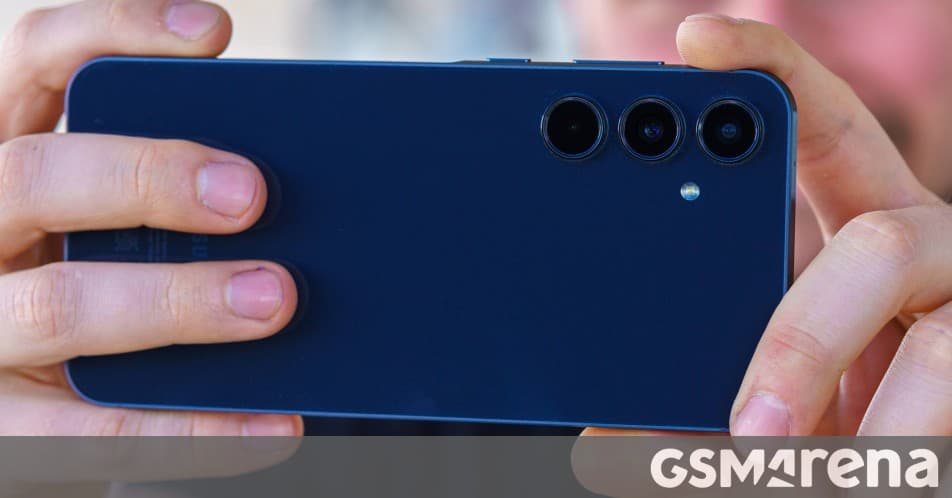
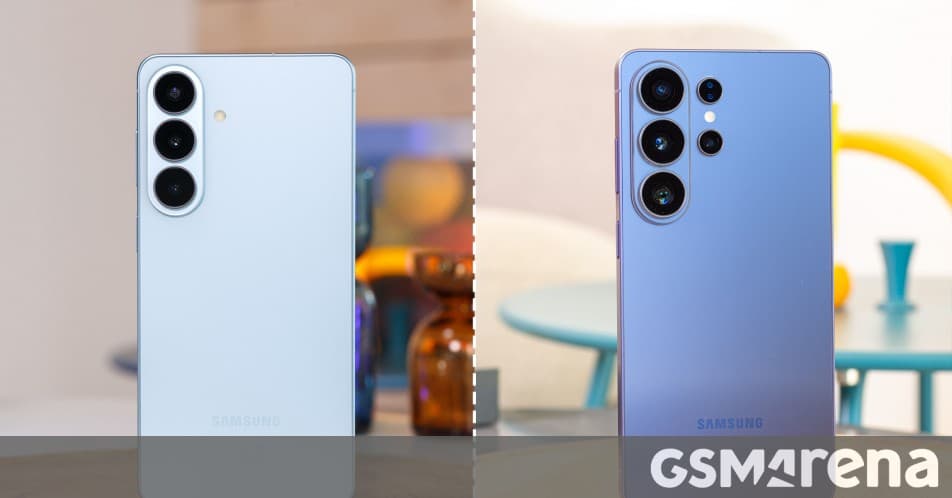
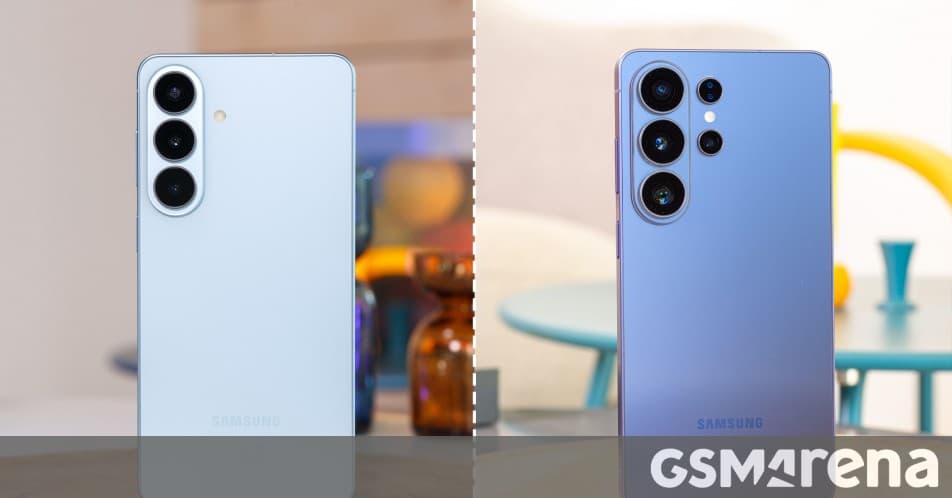
According to [GSMArena](https://www.gsmarena.com/samsung_galaxy_s26_plus_vs_galaxy_s26_ultra_review_battery_camera_price_compared-news-72227.php), Samsung has continued to blur the lines between its Plus and Ultra flagship tiers, making the 2025 buying decision harder than ever for users weighing features against price.
Here's the executive summary: Samsung just made your fleet procurement decision more complicated. The Galaxy S26 Plus and S26 Ultra now share nearly identical build quality, the same aluminum frame, and comparable display performance. The Ultra's traditional premium positioning has eroded significantly. For IT managers approving device budgets or CTOs evaluating mobile strategies, this changes the math on enterprise smartphone investments.
What's Actually Different Between Galaxy S26 Plus and Ultra?
Let's cut through the marketing. Samsung made a surprising decision this generation: the S26 Ultra no longer uses a titanium frame. Both phones now ship with Armor Aluminum 2 construction. That's a downgrade for Ultra buyers who paid premium prices partly for durability bragging rights. It's also a win for Plus buyers who now get equivalent build quality at a lower price point.
The meaningful differences that remain are surprisingly few. The Ultra gets Gorilla Glass Armor 2 on the front versus Victus 2 on the Plus—a marginal improvement in scratch resistance. The Ultra's display is 0.2 inches larger. And here's the one feature that might actually matter for business users: Privacy Display technology.
Privacy Display: The Business Case
The S26 Ultra's Privacy Display limits viewing angles to prevent shoulder surfing. For executives reviewing financials on flights or sales teams accessing CRM data in coffee shops, this isn't a gimmick—it's a security feature. But it's also the only major differentiator that translates to genuine business value.
The Chip Problem: Why Your Region Matters for Enterprise
This is where procurement gets tricky. Samsung ships different processors depending on geography. The S26 Plus runs Exynos 2600 chips in most markets but Snapdragon 8 Elite Gen 5 in the US, China, and Japan. The Ultra runs Snapdragon everywhere. If your company operates across regions, you could end up with inconsistent performance across your device fleet.
Why does this matter? Snapdragon chips have historically outperformed Exynos in battery efficiency and sustained performance under load. If you're deploying devices for field teams who need all-day battery life, or for employees running demanding enterprise apps, the chip inside directly impacts productivity.
| Feature | Galaxy S26 Plus | Galaxy S26 Ultra | Business Impact |
|---|---|---|---|
| Frame Material | Armor Aluminum 2 | Armor Aluminum 2 | No difference—same durability |
| Front Glass | Gorilla Glass Victus 2 | Gorilla Glass Armor 2 | Minimal—both are enterprise-grade |
| Display Size | 6.5 inches (approx) | 6.7 inches | Larger screen aids productivity apps |
| Privacy Display | No | Yes | High value for sensitive data handling |
| Processor (India/EU) | Exynos 2600 | Snapdragon 8 Elite Gen 5 | Ultra offers consistent global performance |
| S Pen | No | Yes (built-in) | Essential for annotation-heavy workflows |
| Weight | Lighter | Heavier | Plus better for all-day carry |
Is the S26 Ultra Worth the Premium for Business Buyers?
The honest answer: it depends entirely on two use cases. If your team needs the S Pen for document annotation, signature capture, or note-taking during meetings, the Ultra is your only option. Samsung still refuses to bring stylus support to the Plus line. That's a hard requirement for many knowledge workers.
The second consideration is data security. Privacy Display sounds like a nice-to-have until you're the CISO explaining how a competitor photographed confidential slides from three rows back on a flight. For C-suite devices and employees handling sensitive information, that feature alone could justify the price gap.
For everyone else? The S26 Plus delivers 90% of the experience at roughly 75% of the cost. When you're buying devices for a 50-person sales team, that 25% savings adds up to significant budget you could redirect toward MDM software, training, or accessories.
Enterprise Mobile Strategy: What This Means for Fleet Decisions
Samsung's convergence strategy creates an interesting procurement opportunity. Consider a tiered approach: Ultra devices for executives and roles requiring the S Pen or Privacy Display, Plus devices for general knowledge workers, and standard S26 models for frontline staff with lighter requirements.
This mirrors how companies already think about laptop procurement—not everyone needs a ThinkPad X1 Carbon when a T-series does the job. The same logic now applies to Samsung's flagship lineup more than ever.
Exploring alternative flagship options for your mobile fleet
The regional chip variation is worth flagging for multinational organizations. If consistent performance across offices matters—and for enterprise apps with strict performance requirements, it often does—the Ultra's guaranteed Snapdragon chip becomes a standardization benefit, not just a specs brag.
Total Cost of Ownership: Beyond the Sticker Price
Device acquisition is just the beginning. Both phones offer IP68 water and dust resistance, so durability-related replacement costs should be comparable. Samsung's commitment to extended software support (typically 4-5 years for flagships) means either phone can serve a full enterprise lifecycle without security vulnerabilities from outdated software.
The real TCO question is accessories. The Ultra's S Pen is included. If you buy the Plus and later realize teams need stylus functionality, third-party solutions won't integrate as seamlessly. Factor in case costs—larger phones need larger cases—and the Ultra's slightly higher accessory ecosystem costs.
- Both phones support Samsung Knox for enterprise security management
- Identical software update timelines regardless of tier
- Same charging ecosystem—no proprietary Ultra-only chargers
- Trade-in values historically favor Ultra models at resale
Companion wearables for your enterprise mobile strategy
The Verdict: When to Choose Each Device
✅ Pros
- • S26 Plus offers flagship performance at lower cost per device
- • Lighter weight benefits employees carrying devices all day
- • Same build quality eliminates the durability premium argument
- • Sufficient for 80%+ of enterprise mobile use cases
❌ Cons
- • No S Pen support limits annotation-heavy workflows
- • Privacy Display absent for sensitive data scenarios
- • Regional chip variations complicate global fleet standardization
- • Slightly smaller display for productivity-focused users
The S26 Plus makes sense as your default enterprise device. Deploy the Ultra strategically for executives, creative roles requiring the S Pen, and employees frequently working with confidential data in public settings. This hybrid approach optimizes spend while ensuring the right tools reach the right people.
Frequently Asked Questions
How much does the Galaxy S26 Ultra cost compared to S26 Plus?
The S26 Ultra typically launches at $300-400 higher than the S26 Plus, though enterprise volume pricing can narrow this gap. Contact Samsung's B2B team for fleet discount structures.
Is the S26 Plus good enough for business use?
For most enterprise applications, yes. The S26 Plus handles email, productivity apps, video conferencing, and enterprise software without compromise. Only S Pen requirements and Privacy Display needs push toward the Ultra.
Which Samsung phone has better battery life for work?
Battery capacity is comparable, but performance varies by region due to different chips. In markets with Snapdragon chips, expect similar endurance. Exynos regions may see slightly lower efficiency on the S26 Plus.
Should our company standardize on one Samsung model?
A tiered approach often works better. Standardize on S26 Plus for general staff, with Ultra reserved for specific role requirements. This balances cost control with functional needs.
How long will Samsung support these devices with updates?
Samsung typically provides 4-5 years of OS updates and security patches for flagship devices, making both models suitable for standard enterprise device lifecycles.
Logicity's Take
We're a Hyderabad-based AI and web development agency, not a hardware procurement consultancy. But here's what we've observed from building enterprise tools: the device debates often miss the bigger picture. Your smartphone is increasingly a thin client for cloud services and AI-powered workflows. Whether your team uses an S26 Plus or Ultra matters less than whether your enterprise apps are optimized for mobile, your MDM policies are properly configured, and your data flows are secure. That said, the regional chip variation Samsung introduced is a genuine headache for Indian enterprises with global operations. If you're deploying devices across Mumbai and Manhattan offices, the performance inconsistency between Exynos and Snapdragon creates support complexity. For companies building custom mobile apps—something we do help with—this means testing across both chip architectures, essentially doubling QA work for Samsung deployments. Apple's single-chip strategy looks increasingly attractive from a developer and IT management perspective, even if Samsung's hardware specs win on paper.
Need Help With Enterprise Mobile Strategy?
Logicity helps businesses build mobile-optimized workflows and AI-powered tools that work seamlessly across device types. Whether you're deploying Samsung flagships or evaluating cross-platform solutions, we can help ensure your technology investments deliver measurable ROI. Reach out to discuss your mobile strategy.
Source: GSMArena.com / Ro
Manaal Khan
Tech & Innovation Writer
Produced with AI assistance and reviewed by the Logicity editorial team. Learn more in our Editorial Policy.