Key Takeaways
- NASA will use SpaceX's U.S. Deorbit Vehicle to guide the 925,000-pound ISS into Point Nemo by early 2031
- The Ocean Foundation says international law protects nations from space debris but leaves oceans unprotected
- A new GAO report highlights NASA's concern about a gap in human presence in low Earth orbit after the ISS retires
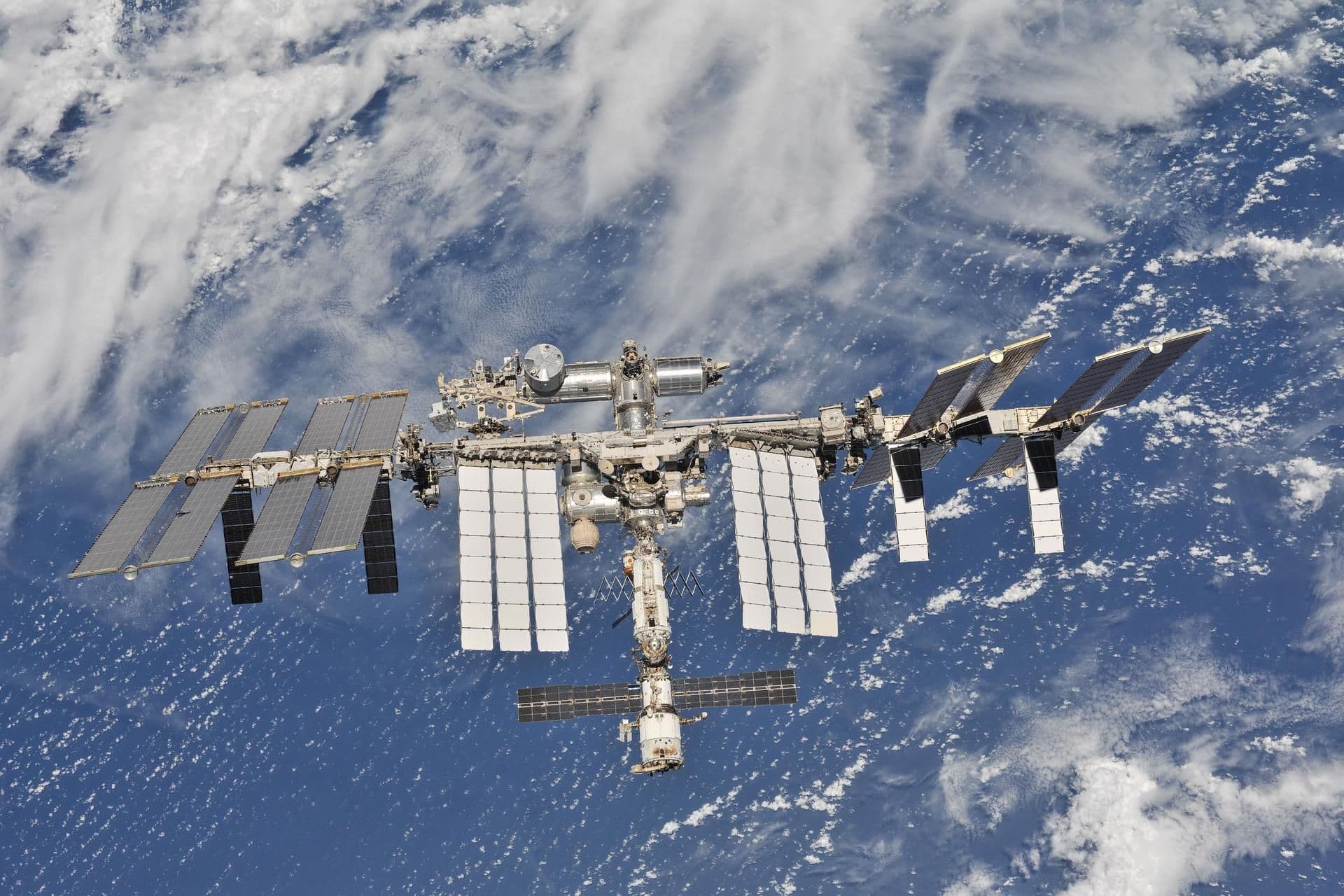
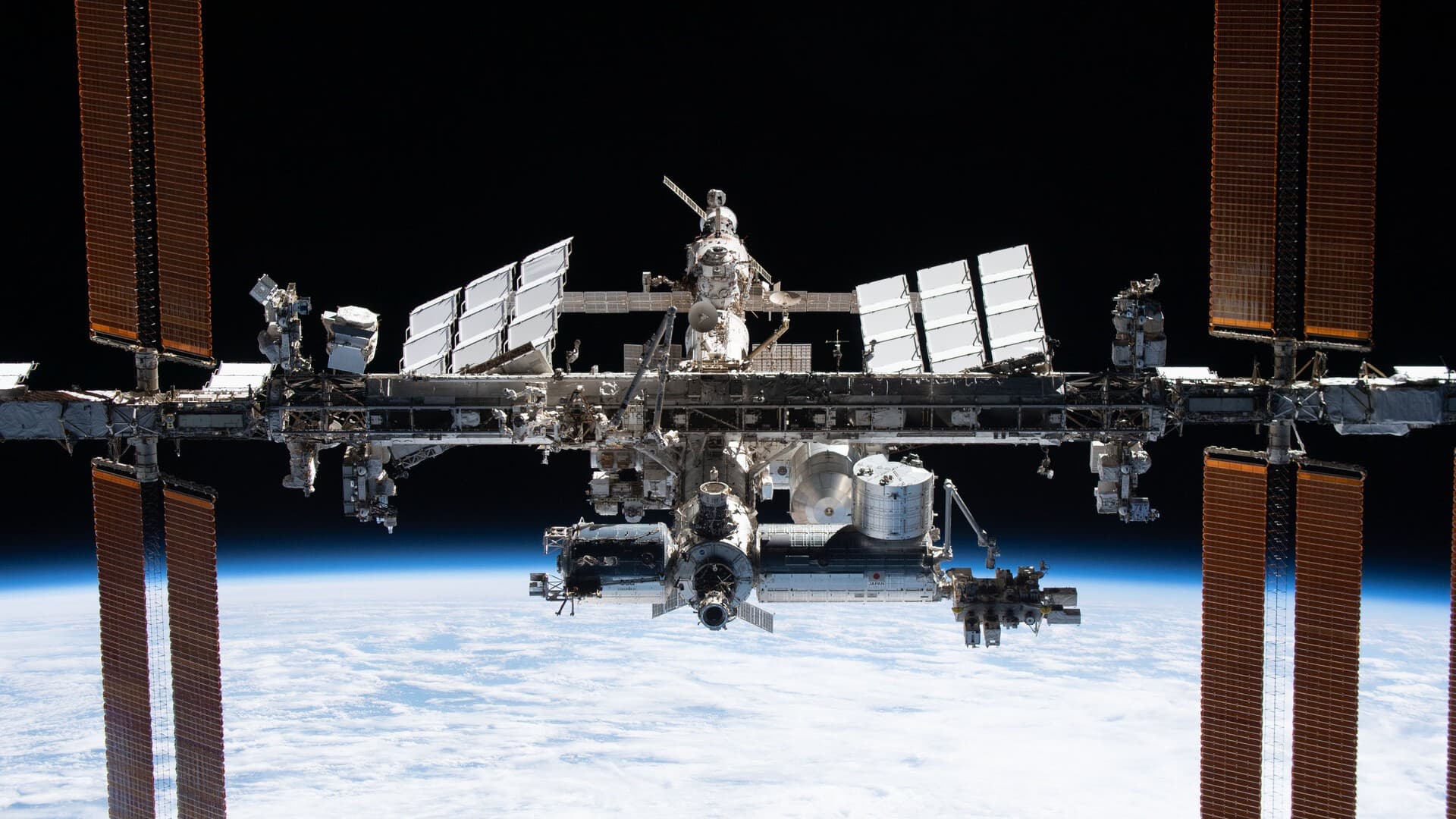
NASA's plan to sink the International Space Station into the Pacific Ocean by 2031 has drawn sharp criticism from ocean conservationists who say the agency has not studied what a 925,000-pound structure will do to marine life on the seafloor.
The Ocean Foundation, a Washington, D.C.-based conservation group, argues that space agencies exploit a gap in international law. When debris falls on a nation's territory, the 1972 Space Liability Convention requires compensation. No equivalent protection exists for the high seas.
"As a result, when space agencies have control over where debris falls, they aim for the high seas, and in doing so, they incur no legal obligation to pay for cleanup or environmental remediation," Mark Spalding, president of the Ocean Foundation, told Space.com.
How will NASA bring down the ISS?
The current blueprint unfolds in stages. Starting in early to mid-2028, NASA will let natural atmospheric drag begin lowering the station's orbit. The Russian segment will execute re-entry maneuvers to assist.
By mid-2029, SpaceX will launch a U.S. Deorbit Vehicle (USDV), a Dragon-derived spacecraft fitted with 46 Draco thrusters. NASA awarded SpaceX $843 million to build this craft. Once attached to the station, the USDV will fire its engines and push the ISS toward a controlled re-entry.
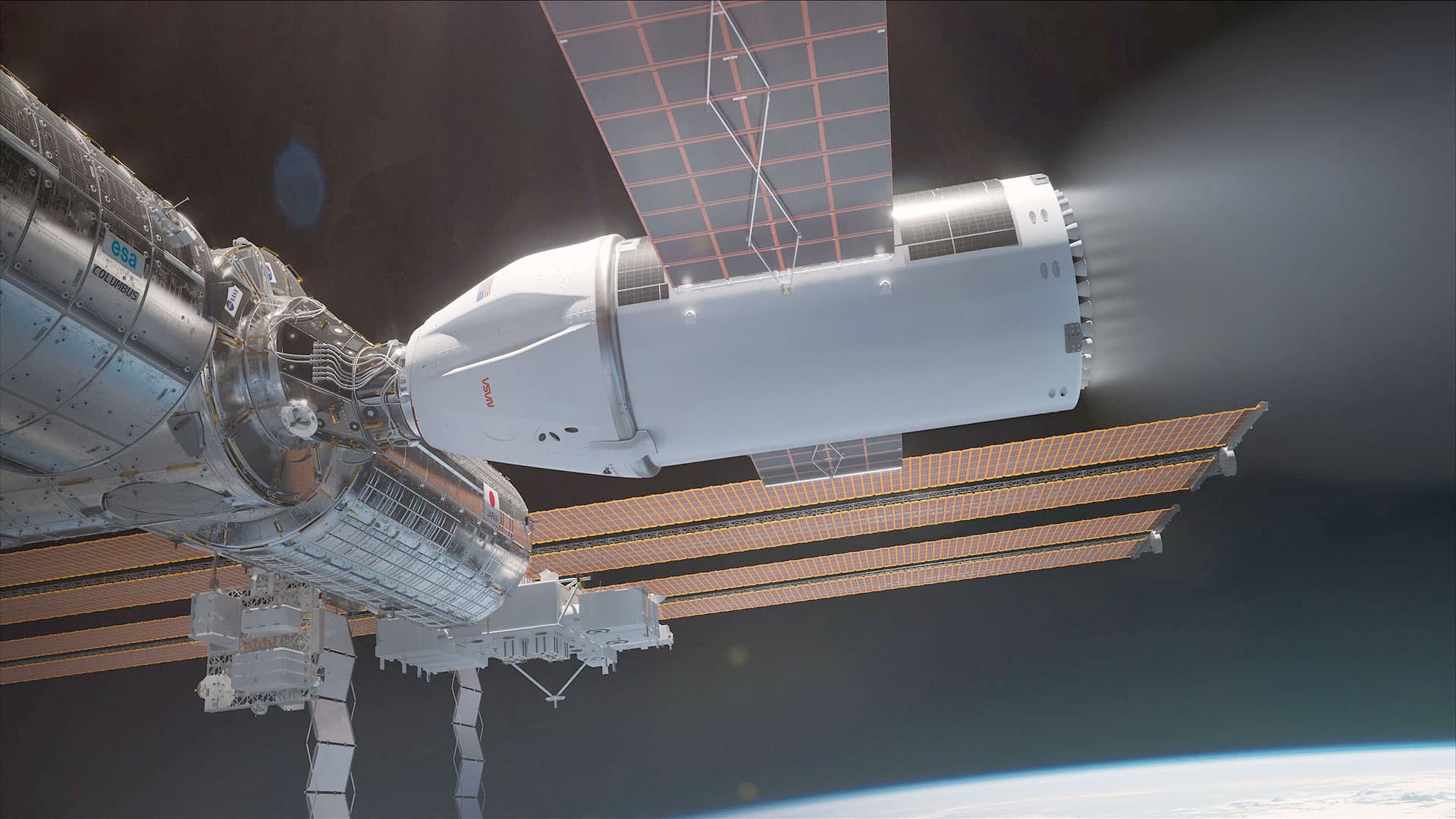
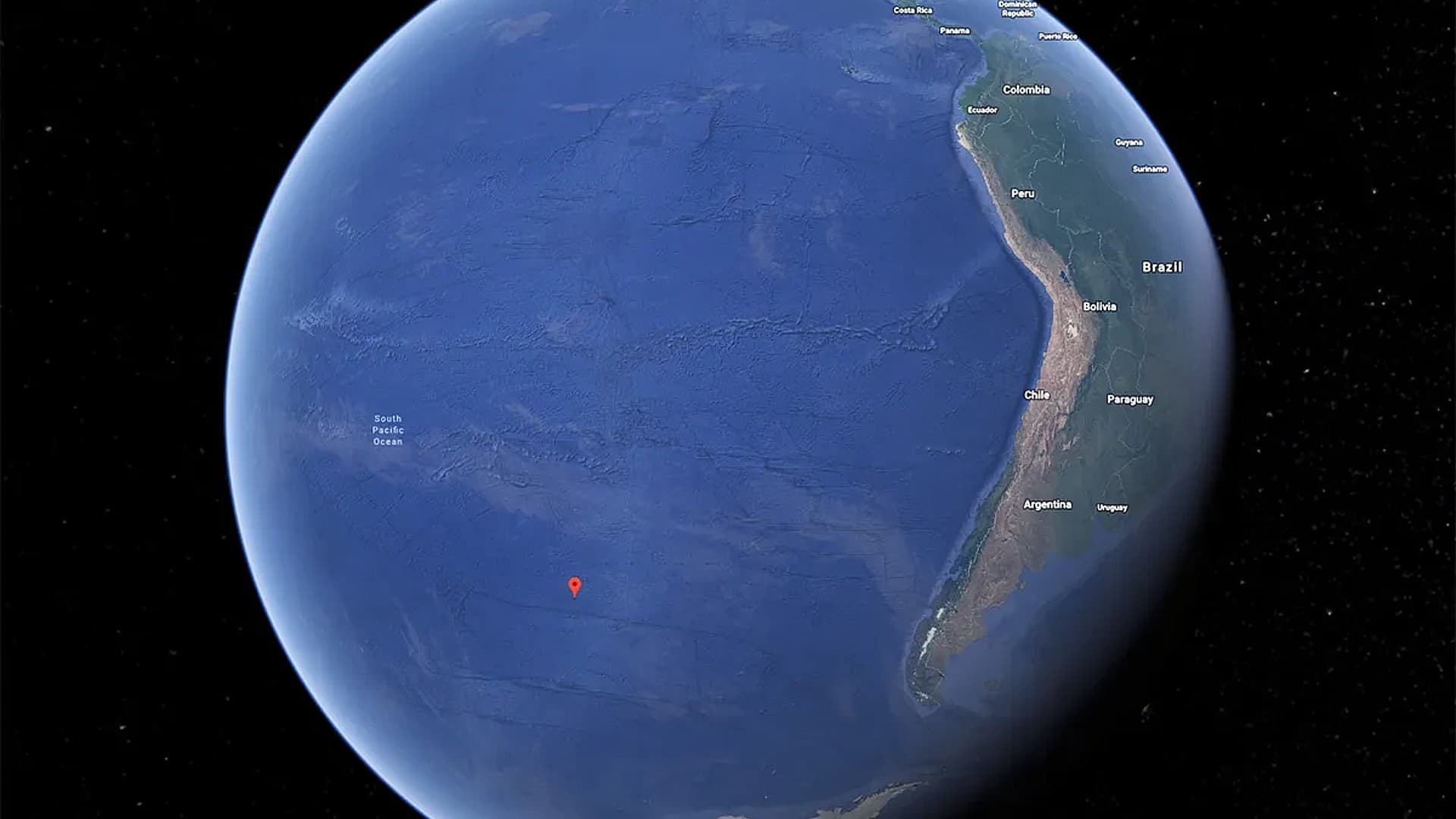
At the end of 2030 or early 2031, the USDV will perform the final re-entry burn. The station will break apart as it plunges through the atmosphere. Whatever survives will splash down at Point Nemo, the spot in the South Pacific farthest from any land, roughly 2,688 kilometers from the nearest coast.
Why Point Nemo, and what's already there?
Point Nemo has served as the world's spacecraft cemetery for decades. Roughly 150 decommissioned spacecraft already rest on the seafloor there, including Russia's Mir station. The site's remoteness makes it the safest place to drop debris without threatening populated areas.
Spalding acknowledged the safety rationale. But he pushed back against treating remoteness as permission. "The ocean's remoteness from human infrastructure should not be mistaken for a lack of value or vulnerability," he said. "The ocean and its creatures deserve the same protection that international law affords to national territories."
What could survive re-entry?
Not everything burns up. Denser components, metal alloys, and certain structural elements will survive the heat of atmospheric re-entry and reach the seafloor. The ISS is the size of a football field and contains materials never before subjected to a controlled deorbit at this scale.
"What denser, specific materials from the ISS re-entry will be, and what harm they may cause to marine life, has not been adequately studied or disclosed," Spalding said. "That uncertainty is itself the problem."
His concern extends to the atmosphere. As the largest re-entry in history, the cumulative impact of debris burning through the sky deserves study, he argued.
A gap in low Earth orbit, and a gap in the law
A new Government Accountability Office report flagged NASA's worry about losing continuous human presence in low Earth orbit. The agency hopes commercial space stations will be ready before the ISS comes down, but the timeline is tight. Any delay in commercial readiness could leave a gap.
Spalding pointed to another gap, this one legal. The newly negotiated High Seas Treaty, known as the BBNJ Agreement, requires parties to conduct environmental impact assessments for activities that may affect the marine environment beyond national jurisdiction when effects are unknown or poorly understood.
Whether NASA's deorbit plan falls under this treaty, and whether the U.S. will treat it as binding, remains unclear. But Spalding's argument is straightforward: an object this large, with materials this uncertain, dropped into waters governed by this treaty, should require an assessment before it happens.
Logicity's Take
NASA's engineering on the deorbit is meticulous. The policy thinking is not. The Ocean Foundation raises a legitimate structural question: why does international law compensate nations for debris damage but not the ocean? The ISS deorbit won't be the last. As commercial stations launch and retire, this gap will matter more. Congress and treaty bodies should address it before the splashdown, not after.
Frequently Asked Questions
When will NASA deorbit the International Space Station?
NASA plans the final re-entry burn for late 2030 or early 2031, with the ISS splashing down at Point Nemo in the South Pacific.
What is Point Nemo and why was it chosen?
Point Nemo is the oceanic pole of inaccessibility, 2,688 km from the nearest land. Its remoteness minimizes risk to populated areas. About 150 spacecraft already rest on the seafloor there.
How much does the ISS weigh?
The ISS weighs approximately 925,000 pounds (420,000 kg), making its planned deorbit the largest controlled re-entry in history.
Who is building the spacecraft to deorbit the ISS?
SpaceX won an $843 million NASA contract to build the U.S. Deorbit Vehicle, a Dragon-derived spacecraft with 46 Draco thrusters.
Are there laws protecting the ocean from space debris?
The 1972 Space Liability Convention requires compensation if debris damages a nation's territory, but no equivalent protection exists for international waters.
Need Help Implementing This?
Logicity covers space policy, environmental regulation, and emerging technology for decision-makers. Subscribe to our newsletter for analysis that matters to your work.
Source: Latest from Space.com
Huma Shazia
Senior AI & Tech Writer
Produced with AI assistance and reviewed by the Logicity editorial team. Learn more in our Editorial Policy.