Key Takeaways
- Three BlueBird satellites launch June 17 at 2:39 a.m. EDT from Cape Canaveral
- Each satellite's antenna spans 2,400 square feet, the largest commercial arrays in space
- This mission quadruples AST SpaceMobile's next-generation satellite fleet after April's New Glenn failure
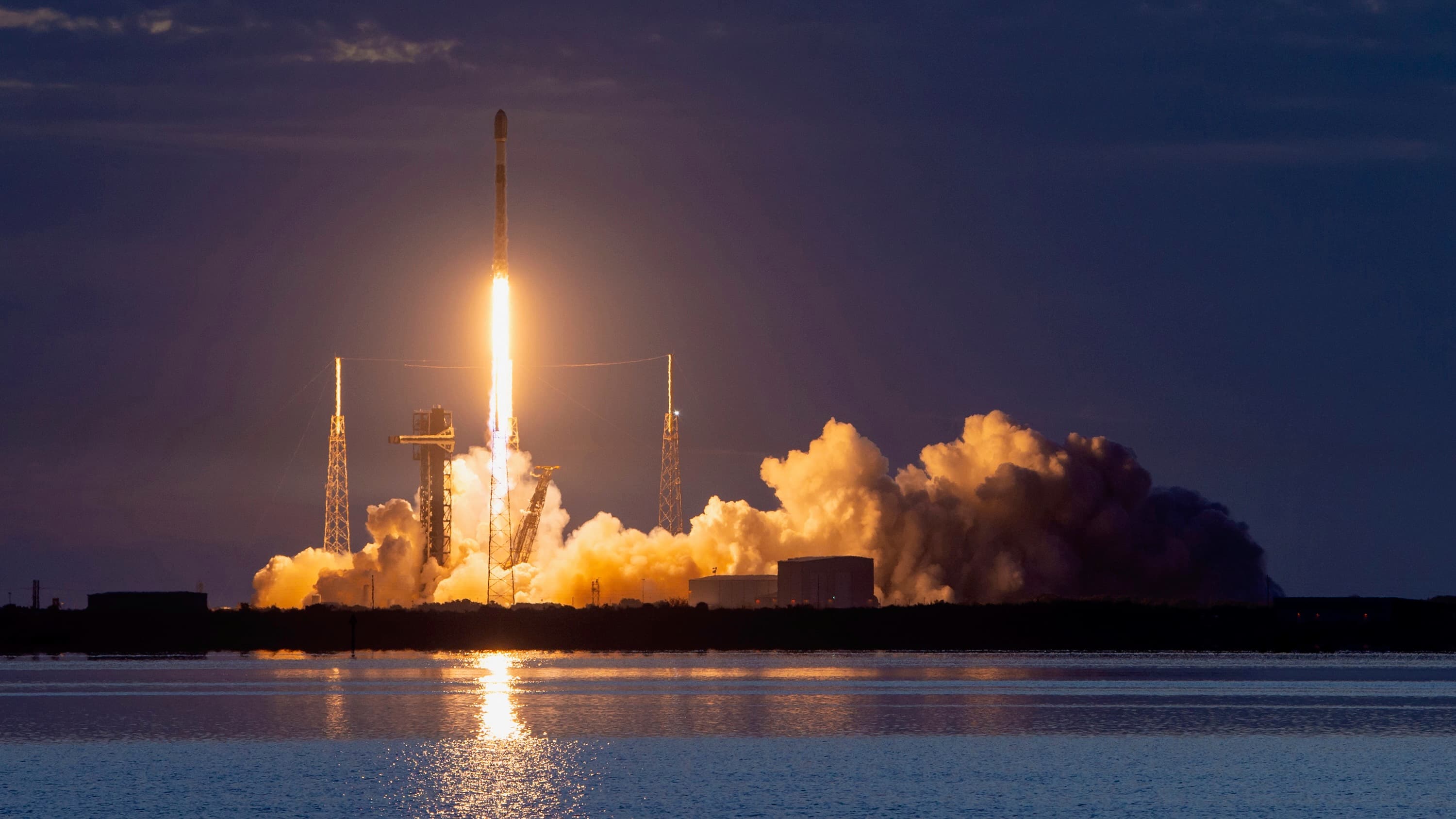
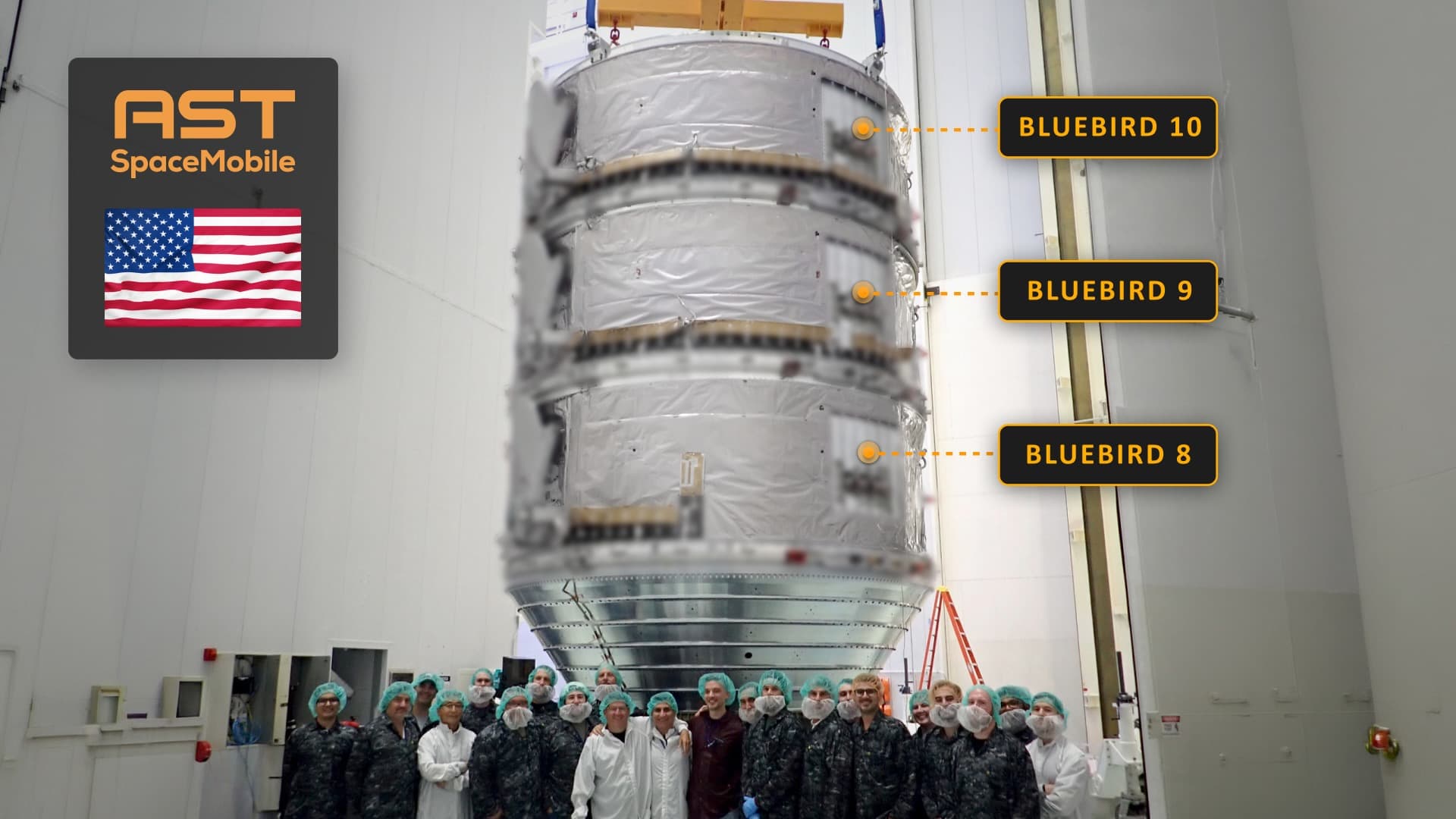
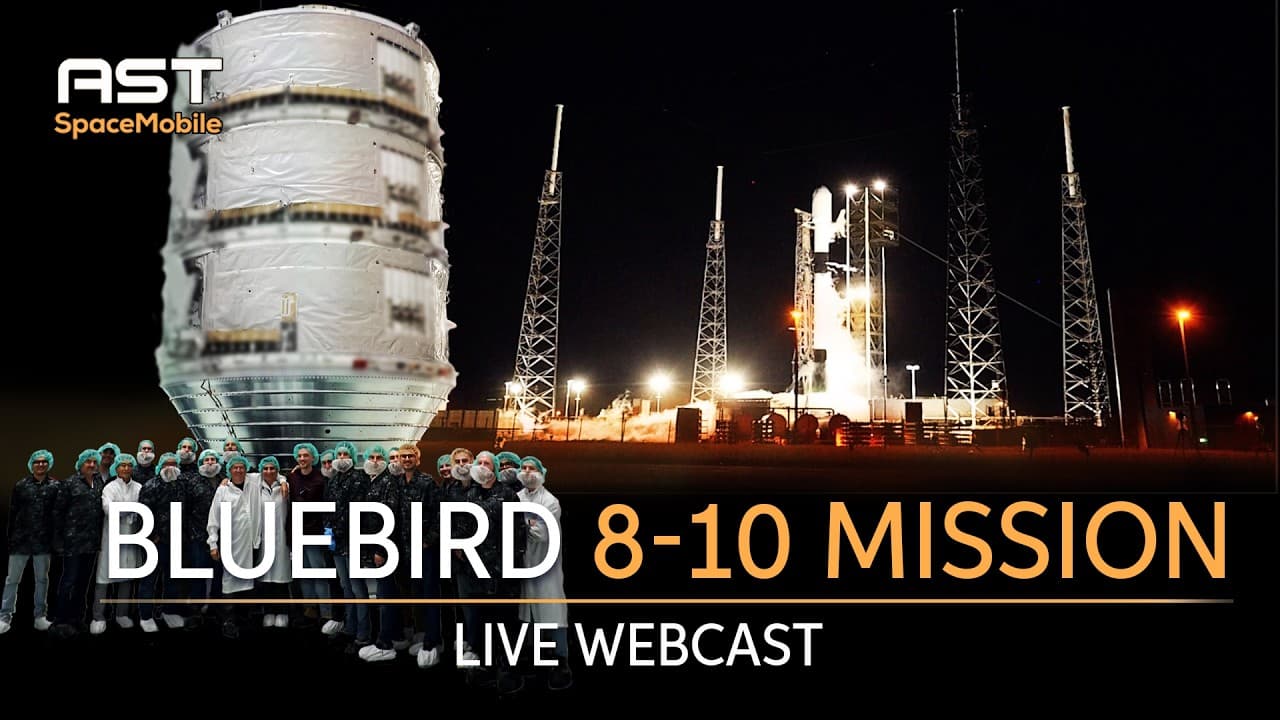
SpaceX will launch three AST SpaceMobile BlueBird satellites early Wednesday morning, June 17, from Cape Canaveral Space Force Station in Florida. The mission carries BlueBird 8, 9, and 10, each equipped with 2,400-square-foot antenna arrays that dwarf every other commercial communications satellite in orbit. Liftoff is scheduled during a 96-minute window opening at 2:39 a.m. EDT.
The stakes are high for AST SpaceMobile. In April, the company lost BlueBird 7 when Blue Origin's New Glenn rocket deployed it into the wrong orbit. That failure pushed AST back to SpaceX's proven Falcon 9 for this critical mission.
What makes these BlueBird satellites different?
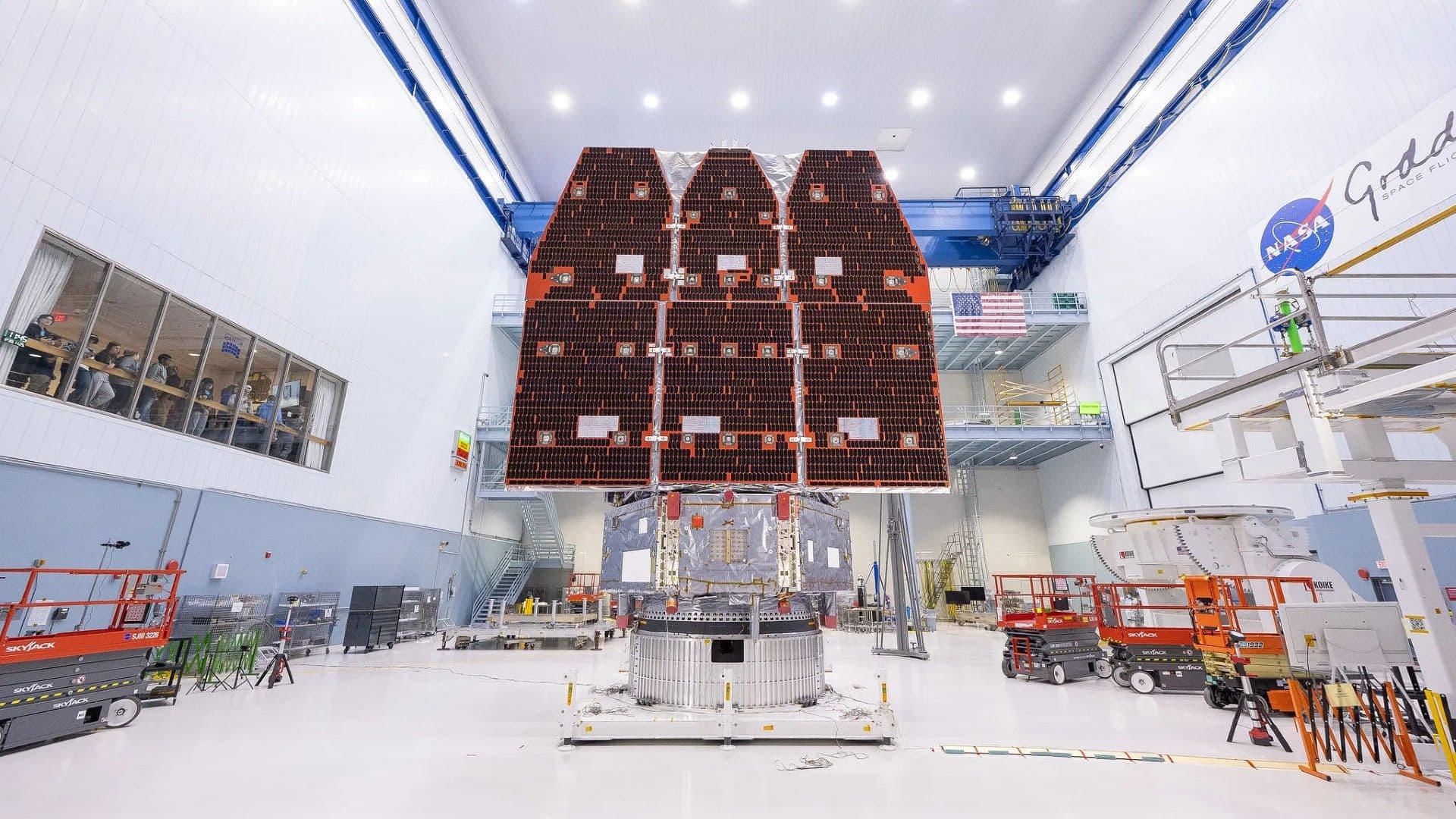
The next-generation BlueBird satellites are massive. When their antennas unfurl in orbit, each one covers 2,400 square feet, or about 223 square meters. That's roughly 3.5 times larger than the original BlueBird arrays, which measured 693 square feet.
Size matters for direct-to-cell connectivity. Larger antennas mean stronger signals, which translates to better coverage for standard smartphones on the ground. AST SpaceMobile is targeting peak data speeds of 120 Mbps for voice, video, and data transmission.
If Wednesday's deployment succeeds, it will quadruple the number of next-generation satellites AST has in low Earth orbit. The company currently operates just one next-gen spacecraft, BlueBird 6, which reached orbit on an Indian LVM3 rocket in December 2025.
How to watch the SpaceX BlueBird launch
AST SpaceMobile will stream the launch live. Coverage begins before the 2:39 a.m. EDT liftoff window.
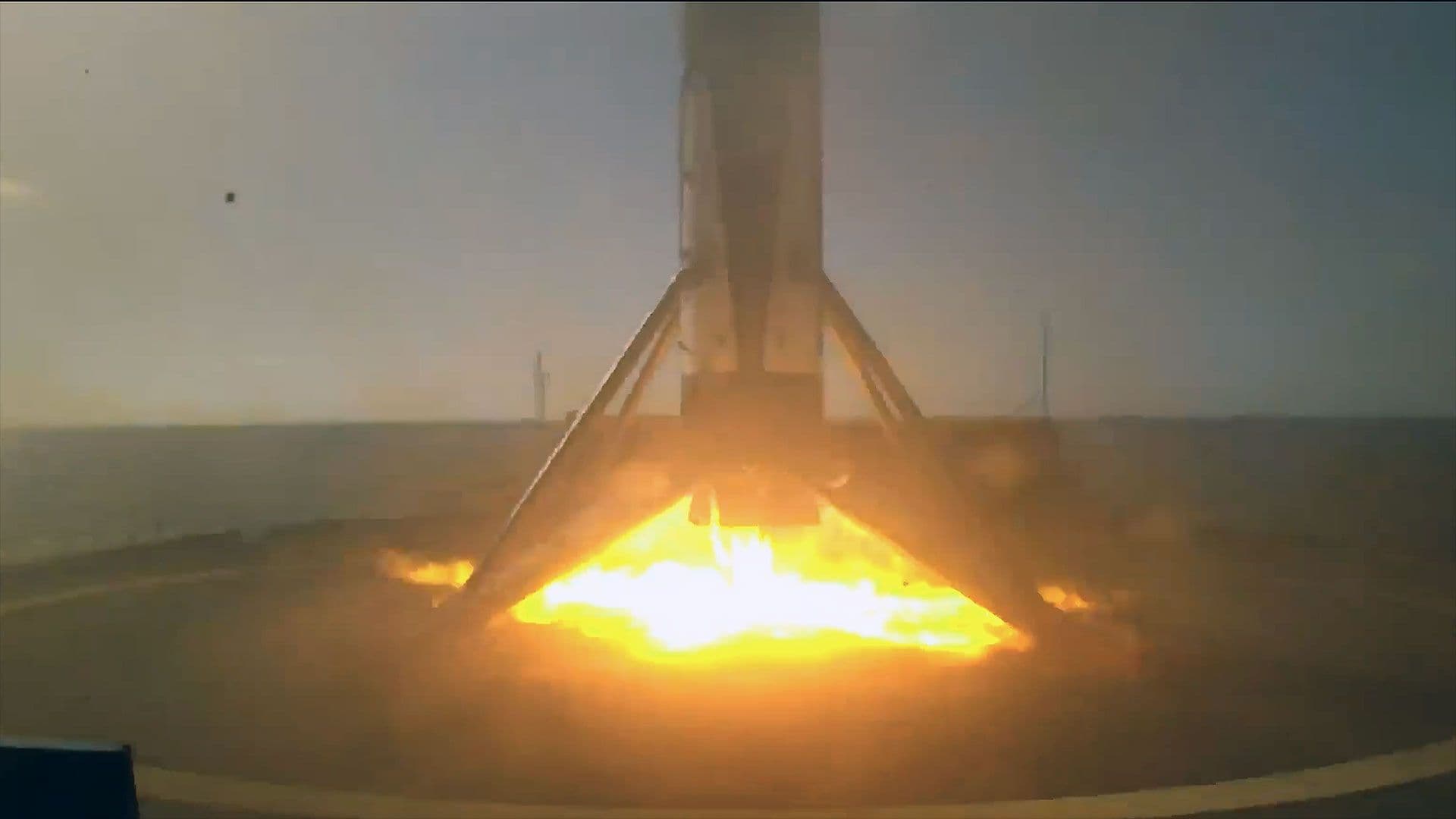
The three satellites will separate from Falcon 9's upper stage over a 10.5-minute span, beginning about 54.5 minutes after launch. The rocket's first stage, which has already flown 28 times, will return to Earth roughly 46 minutes before satellite deployment, landing on SpaceX's drone ship "A Shortfall of Gravitas" in the Atlantic Ocean.
Why AST SpaceMobile switched back to SpaceX
April's New Glenn failure stung. BlueBird 7 was only the third payload ever launched on Blue Origin's heavy-lift rocket, and something went wrong during orbital insertion. The satellite ended up in the wrong orbit and was declared lost.
For a company trying to build a constellation that connects phones in dead zones worldwide, losing a single satellite is a serious setback. These spacecraft are not cheap, and each one represents months of manufacturing time.
Returning to Falcon 9 is the obvious move. SpaceX's rocket has an unmatched track record. This particular booster's 29th flight is routine for SpaceX but would be extraordinary for any other launch provider.
The bigger picture: direct-to-cell's crowded field
AST SpaceMobile is not alone in this market. SpaceX itself offers Starlink Direct to Cell, and competitors like Lynk Global are also building satellite-to-phone networks. The race is on to eliminate dead zones by letting ordinary smartphones connect to orbiting satellites without any hardware modifications.
Scott Wisniewski, AST SpaceMobile's president, framed Wednesday's launch as a milestone in that broader effort. "Each BlueBird satellite launched expands our ability to support space-based broadband mobile connectivity directly to everyday smartphones," he said in a June 9 statement.
Community discussions on Reddit's r/Space and r/ASTSpaceMobile threads show investors and space enthusiasts closely tracking the deployment. The April failure shook confidence, and this mission needs to go smoothly.
What happens next?
Once deployed, the three BlueBird satellites will need to unfurl their massive antennas and begin commissioning tests. AST SpaceMobile has not announced when the new spacecraft will enter commercial service, but each successful deployment brings the company closer to its goal of global coverage.
The company now has seven satellites launched, though only six remain operational after the BlueBird 7 loss. If Wednesday's mission succeeds, that number jumps to nine active spacecraft, with four of them being the larger next-generation design.
Logicity's Take
AST SpaceMobile's decision to return to Falcon 9 after the New Glenn anomaly is telling. Blue Origin's rocket may eventually prove reliable, but AST cannot afford another lost satellite while competitors like SpaceX's own Starlink Direct to Cell are expanding. Wednesday's launch is less about the technology and more about restoring investor confidence after April's setback.
Frequently Asked Questions
When is the SpaceX BlueBird satellite launch?
The launch window opens at 2:39 a.m. EDT on June 17, 2026, from Cape Canaveral Space Force Station in Florida.
How big are the BlueBird satellite antennas?
Each next-generation BlueBird satellite has an antenna array covering 2,400 square feet (223 square meters), the largest commercial communications arrays ever deployed in space.
What happened to BlueBird 7?
BlueBird 7 was lost in April 2026 when Blue Origin's New Glenn rocket deployed it into the wrong orbit following an anomaly.
Can I use AST SpaceMobile with my regular phone?
Yes, the service is designed to work with standard smartphones without requiring specialized hardware.
How many times has this Falcon 9 booster flown?
This will be the 29th launch and landing for the booster, demonstrating SpaceX's rapid reusability approach.
Need Help Implementing This?
Following developments in satellite connectivity for your business or infrastructure planning? Logicity covers emerging space tech and telecommunications. Subscribe to our newsletter for weekly updates on the technologies reshaping global communications.
Source: Latest from Space.com
Manaal Khan
Tech & Innovation Writer
Produced with AI assistance and reviewed by the Logicity editorial team. Learn more in our Editorial Policy.