Key Takeaways
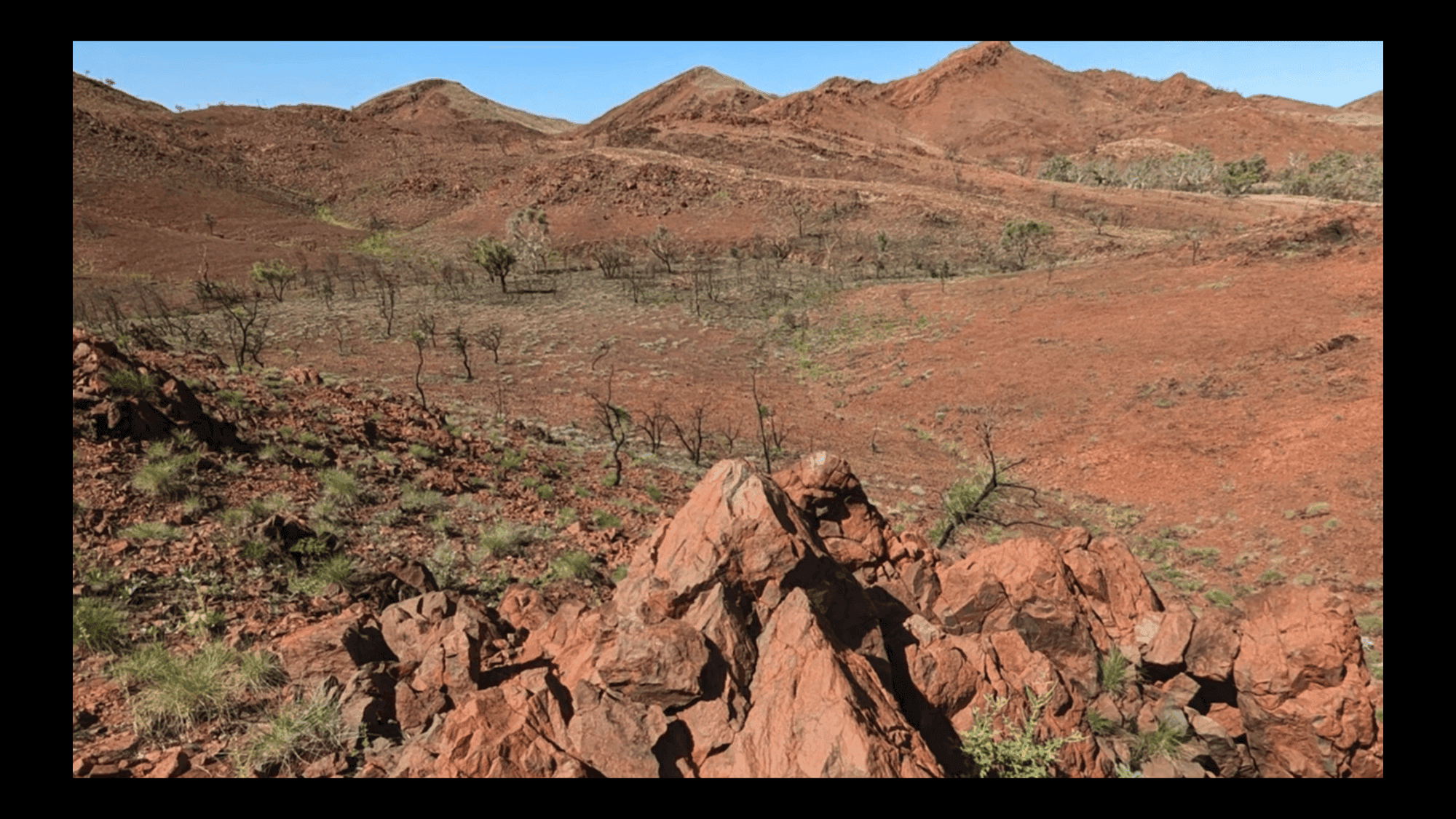
- The North Pole Dome in Western Australia's Pilbara region formed 3.02 billion years ago from an asteroid impact
- Researchers dated the crater using zircon crystals that were reshaped by the impact's heat and pressure
- The impact occurred after life had already emerged on Earth, with 3.5-billion-year-old stromatolites found nearby
A rock formation in Western Australia has just claimed the title of Earth's oldest known asteroid impact site. New research from Curtin University dates the North Pole Dome, located in the Pilbara region, to 3.02 billion years ago. That's roughly 800 million years older than the previous record holder, the Yarrabubba crater, which also sits in Western Australia.
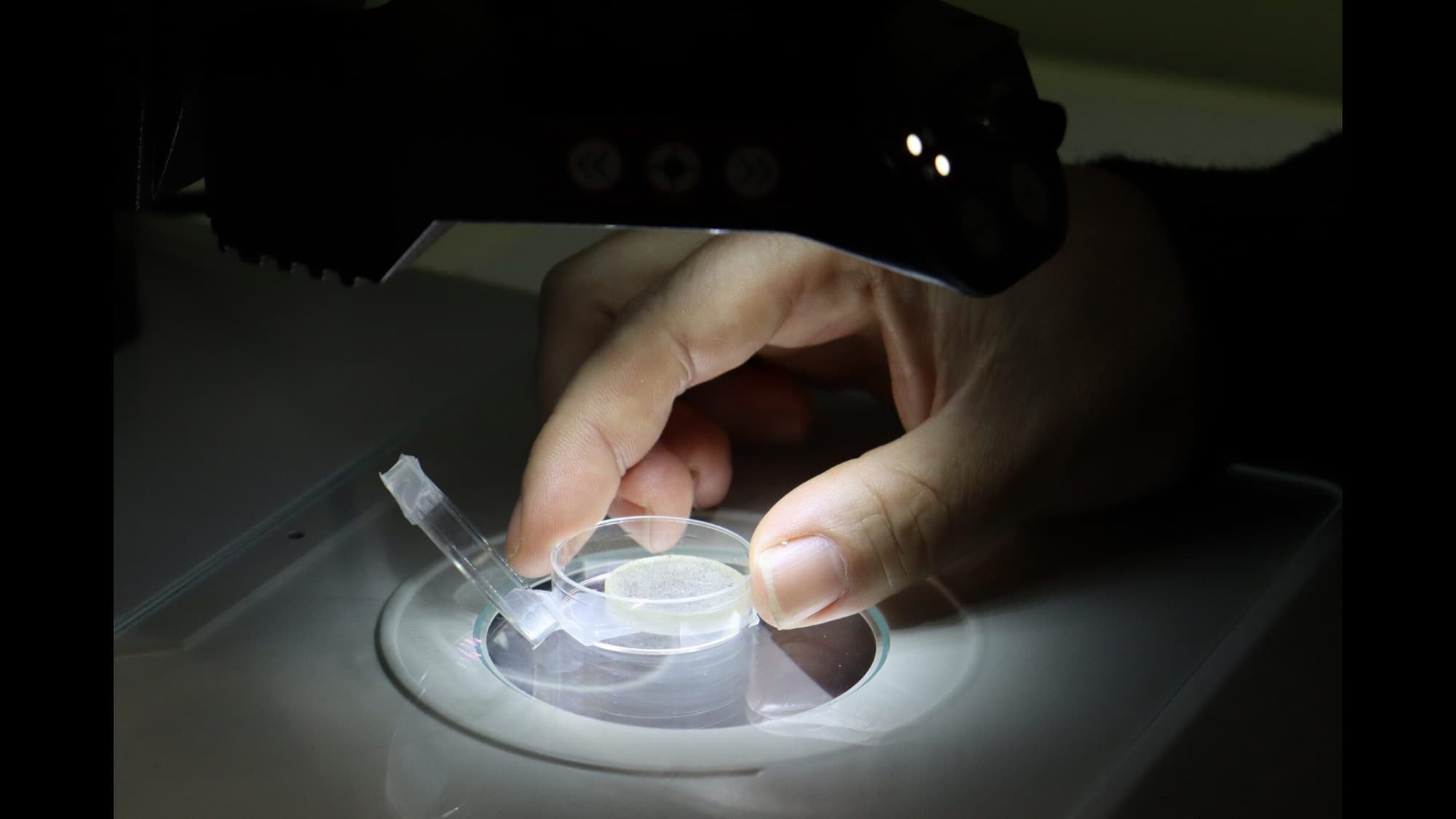
The finding comes from Dr. Chris Kirkland and his team, who analyzed zircon crystals in rocks at the site. Zircon acts as a geological clock. It contains trace amounts of uranium that decay into lead at a predictable rate, so the ratio of those elements reveals when the crystal last solidified from molten rock.
How do scientists date ancient asteroid impacts?
The Curtin team found zircon grains with unusual branching, skeletal shapes. These aren't typical crystal formations. Kirkland interprets them as impact-modified crystals, formed when older zircon was disrupted and partly recrystallized under the tremendous heat and pressure of an asteroid strike.
“Some zircons at the North Pole Dome have unusual branching, skeletal shapes. We interpret these as impact-modified crystals, formed when older zircon was disrupted, partly recrystallized, and in places, regrown during the intense heating caused by the impact.”
— Dr. Chris Kirkland, Curtin University
By measuring the uranium-to-lead ratios in these deformed crystals, the researchers pinpointed the impact to 3.02 billion years ago. That places it squarely in the Archaean Eon, when Earth's surface was still cooling to form its first solid crust.
What was Earth like when this asteroid hit?
The timing is significant. At 3.02 billion years ago, life had already taken hold. The oldest traces of living organisms, limestone stromatolites formed by ancient bacteria, sit just a few kilometers from the North Pole Dome. Those stromatolites date to about 3.5 billion years ago.
So when this asteroid slammed into Earth, it struck a world already covered in overlapping mats of bacteria. The atmosphere would have been thick with methane, giving the sky an orangish haze. Think of Saturn's moon Titan, but warmer.
The impact likely occurred during a period cosmologists call the Late Heavy Bombardment. Giant planets were still settling into their current orbits, and their gravitational jostling flung asteroids and comets toward the inner solar system. Earth took plenty of hits during this era. Most evidence has been erased by billions of years of plate tectonics and erosion.
Why is Western Australia a hotspot for ancient geology?
The Pilbara region keeps turning up geological records that exist nowhere else on Earth. The oldest known Earth rock, a 4.35-billion-year-old sandstone formation, lies just a few hundred kilometers south in the Jack Hills. The oldest traces of life are here. Now the oldest asteroid crater.
This isn't because Australia was special. Crust formed, life emerged, and meteors struck the ground all over the planet billions of years earlier. The difference is preservation. Most of Earth's oldest rocks have been recycled by plate tectonics or worn away by erosion. In Western Australia, portions of that ancient crust survived intact.
An ongoing scientific debate
The age of this crater has been contested. Last year, Kirkland's team proposed a date of 3.47 billion years, nearly the same age as the nearby stromatolites. That earlier paper also suggested the original crater, whose outline has long since eroded, might have been up to 100 kilometers wide. The 35-kilometer North Pole Dome itself marks what's left of the crater's central peak, the upward rebound of rock that occurs after large impacts.
The revised date of 3.02 billion years is younger than the earlier estimate but still makes the site the oldest confirmed impact crater on Earth. The debate matters beyond bragging rights. Understanding when major impacts occurred helps researchers piece together the rise of continents and, possibly, the conditions that allowed early life to thrive.
What's left of the crater today?
Don't expect to see a crater rim. Three billion years of erosion has wiped out the original outline. What remains is the North Pole Dome, also called the Miralga Impact Structure, plus impact-shocked rocks and telltale signs in the mineral record. The dome itself represents the central uplift, rock that rebounded upward after the asteroid punched into the crust.
Curtin University has become a global leader in dating these ancient impacts. The same team confirmed the age of the Yarrabubba crater in 2020, which held the previous record at 2.229 billion years old.
Frequently Asked Questions
Where is the oldest asteroid impact site on Earth?
The North Pole Dome in Western Australia's Pilbara region. New research dates the impact to 3.02 billion years ago, making it the oldest known asteroid impact site on Earth.
How do scientists determine the age of ancient craters?
Researchers analyze zircon crystals in rocks near the impact site. Zircon contains uranium that decays into lead at a known rate, so the ratio of these elements reveals when the crystal last solidified.
Did life exist when this asteroid hit Earth?
Yes. Stromatolites, layered structures formed by ancient bacteria, date to 3.5 billion years ago in the same region. Life had already emerged about 500 million years before this impact.
What happened to the original crater?
Three billion years of erosion erased the crater's original outline. Only the central dome, impact-shocked rocks, and deformed mineral crystals remain as evidence.
What was the Late Heavy Bombardment?
A period when giant planets were still settling into their orbits, gravitationally flinging asteroids and comets toward the inner solar system. The North Pole Dome impact likely occurred during this era.
Logicity's Take
The concentration of Earth's oldest geological records in one region of Australia is less about luck and more about stability. The Pilbara Craton, the ancient rock platform underlying this area, has remained largely undisturbed by tectonic activity for billions of years. That makes it a kind of geological deep freeze. As researchers develop more precise dating techniques, this region will likely yield more records from Earth's first billion years, a period we currently know almost nothing about.
Need Help Implementing This?
Logicity helps technology teams translate complex scientific and technical developments into clear, accurate communications. Contact our editorial team at hello@logicity.in for content strategy and science writing support.
Source: Latest from Space.com
Huma Shazia
Senior AI & Tech Writer
Produced with AI assistance and reviewed by the Logicity editorial team. Learn more in our Editorial Policy.