Key Takeaways
- Ariane 6 launched 36 Amazon Leo satellites on June 17, its heaviest payload ever at roughly 20,820 kg
- The mission debuted upgraded P160C solid rocket boosters, adding over two tons of payload capacity
- Amazon Leo has now deployed 100 satellites total, still far behind Starlink's 10,500+ constellation
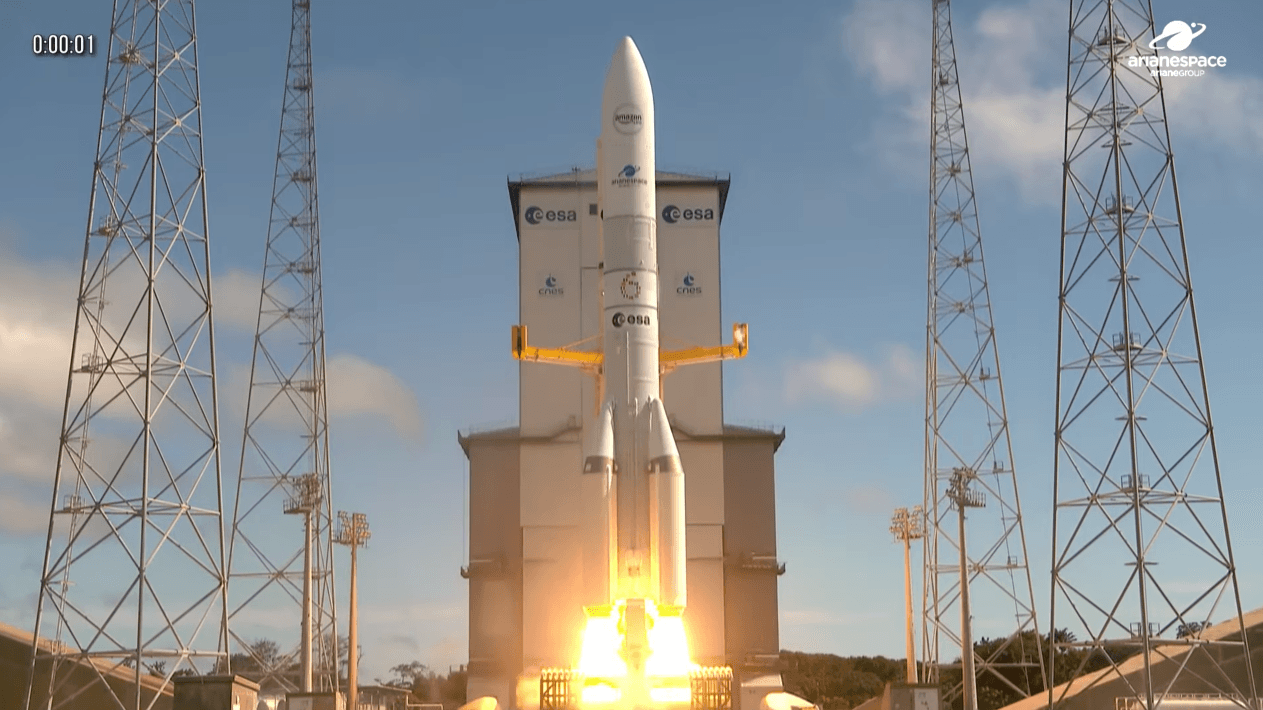
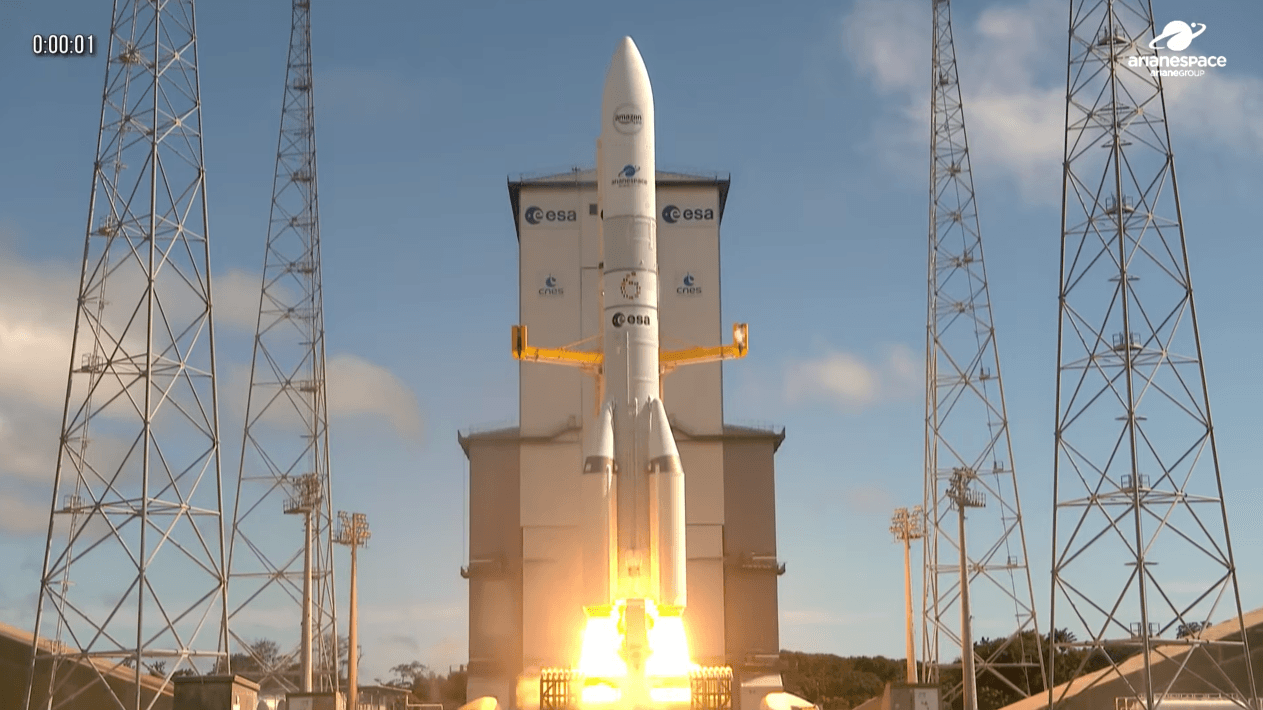
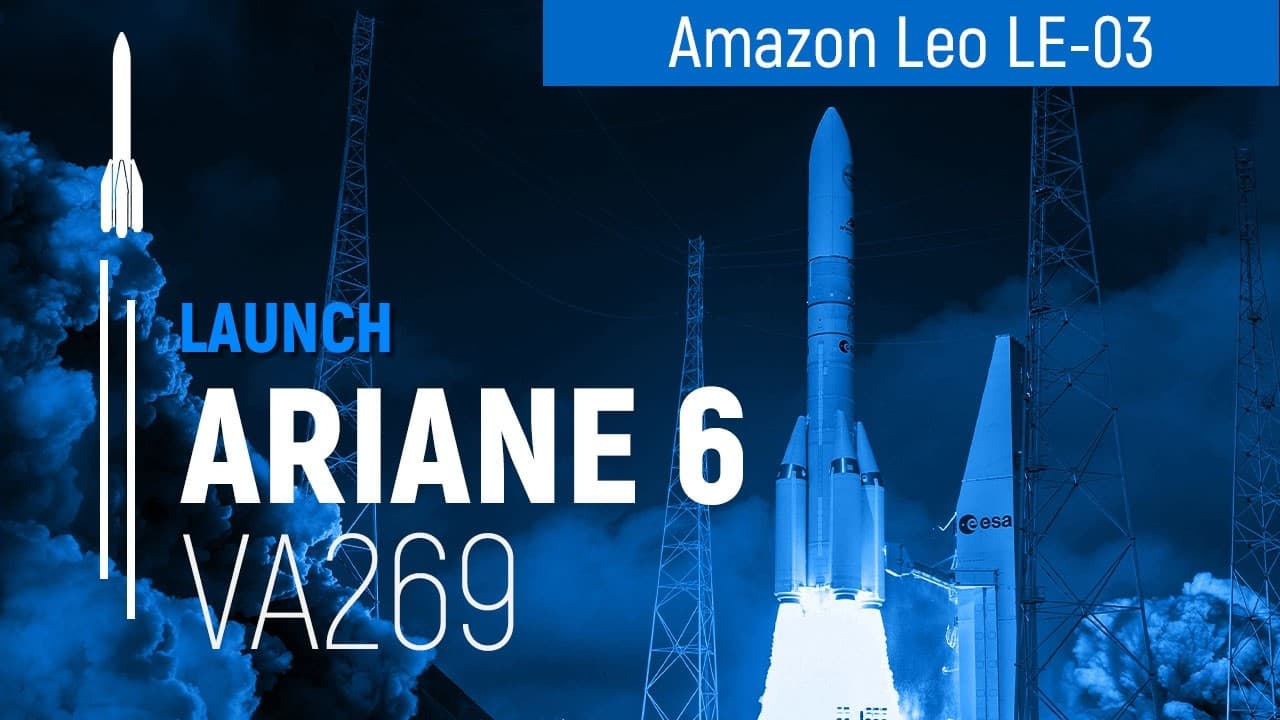
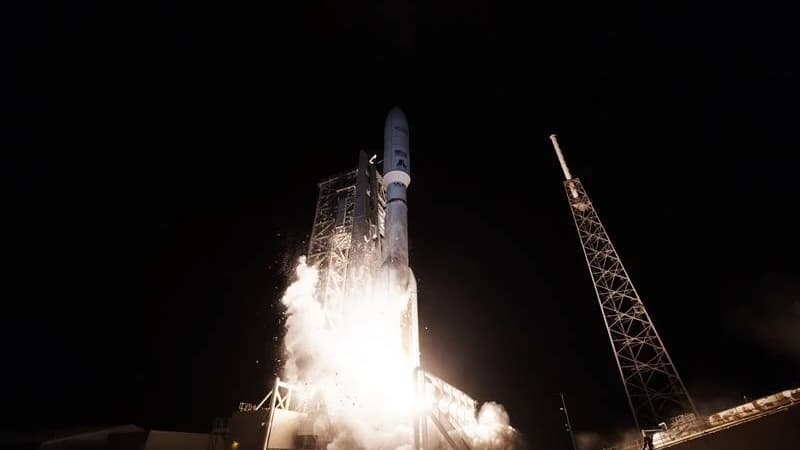
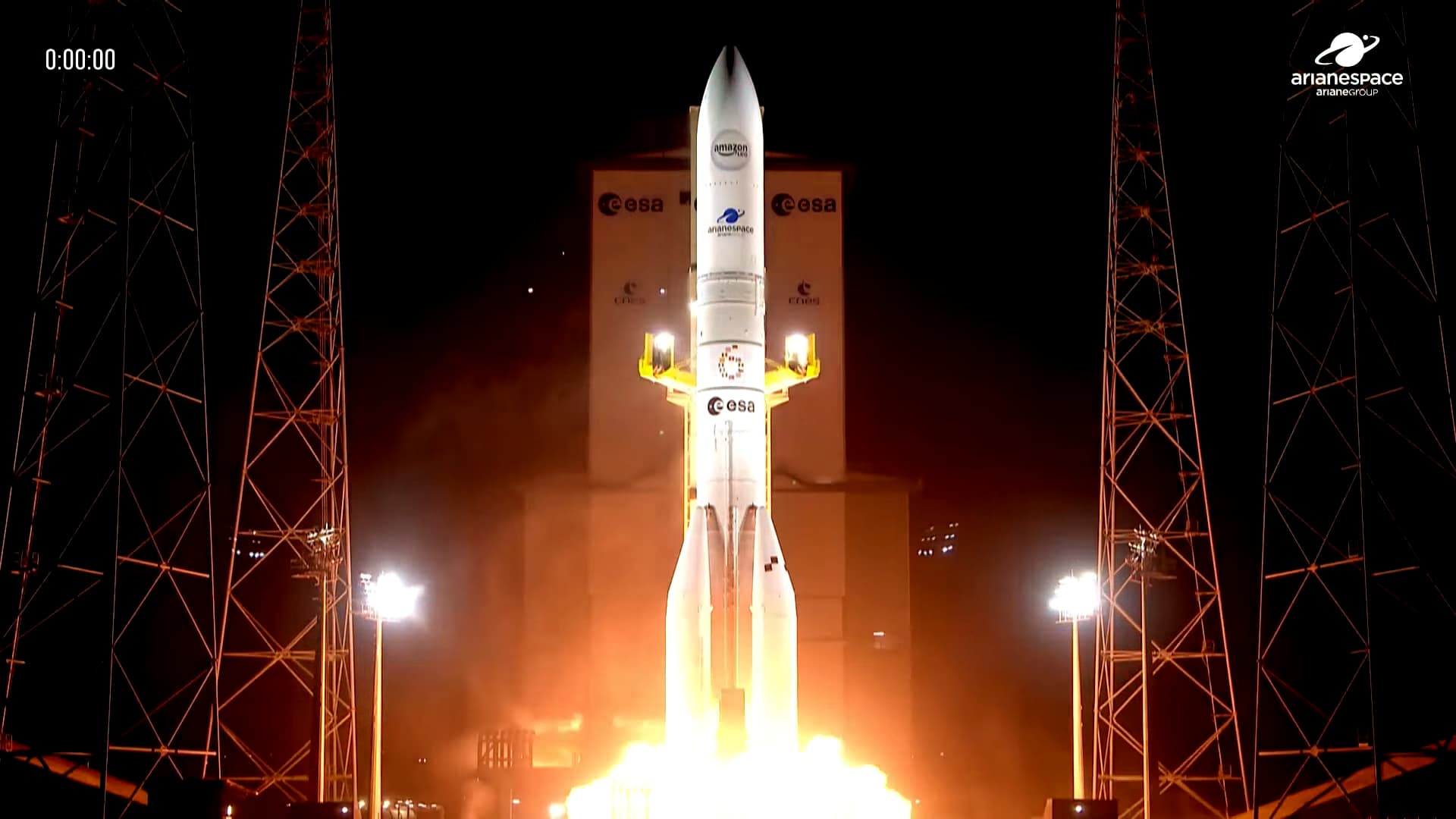
An Ariane 6 rocket lifted off from French Guiana on June 17 carrying 36 Amazon Leo broadband satellites, the heaviest payload ever launched by any Ariane vehicle. The mission delivered Amazon's 100th satellite to low Earth orbit, marking a milestone for the company's effort to compete with SpaceX's Starlink network.
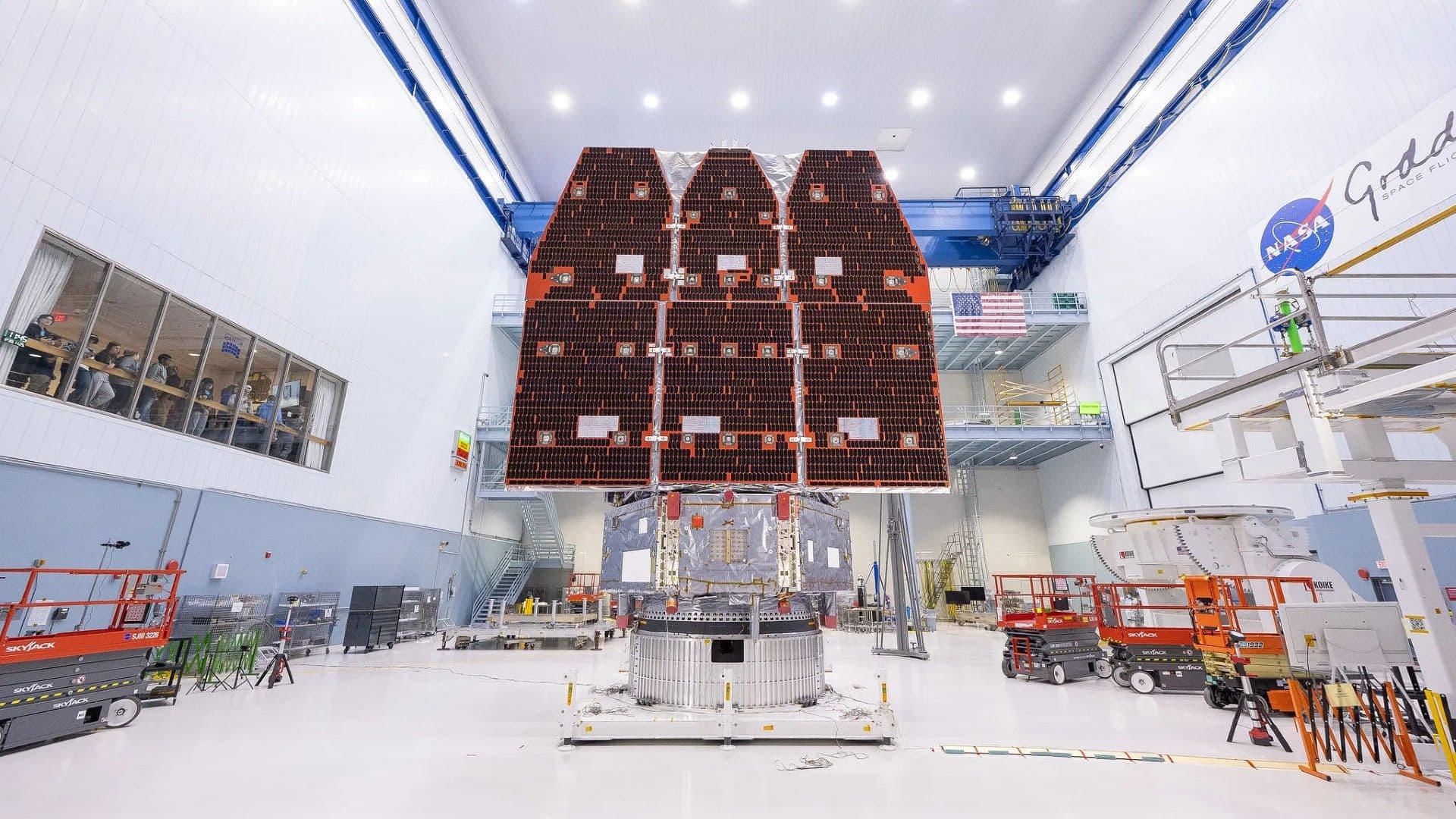
The rocket departed Europe's Spaceport in Kourou at 8:21 a.m. EDT (1221 GMT), carrying roughly 45,900 pounds (20,820 kg) of satellite hardware. Each Amazon Leo satellite weighs about 1,275 pounds (578 kg), based on Arianespace documentation. The spacecraft deployed at an altitude of approximately 289 miles (465 km), with all 36 satellites separating within one hour and 51 minutes of liftoff.
What made this Ariane 6 launch different?
Two factors set this flight apart. First, it carried four more satellites than the previous two Ariane 6 missions for Amazon Leo, which each delivered 32 spacecraft. Second, the rocket flew with upgraded P160C solid-fuel boosters for the first time.
The P160C variant adds more than two tons of payload capacity to low Earth orbit compared to earlier boosters. Arianespace says the upgrade also improves performance for geostationary, scientific, and exploration missions.
Wednesday's flight was the eighth overall for the Ariane 6 and the 14th Amazon Leo launch counting all providers. The rocket had a rough start. Originally scheduled to debut in 2020, it didn't fly until July 2024. That test mission mostly succeeded, reaching orbit and deploying nine cubesats, but its upper stage failed a final engine burn. Every flight since has gone off without a hitch.
How does Amazon Leo compare to Starlink?
Amazon Leo, formerly known as Project Kuiper, aims to build a constellation of more than 3,200 satellites over the course of 80+ launches. At 100 satellites now in orbit, it has a long way to go. SpaceX's Starlink already operates more than 10,500 spacecraft and continues expanding.
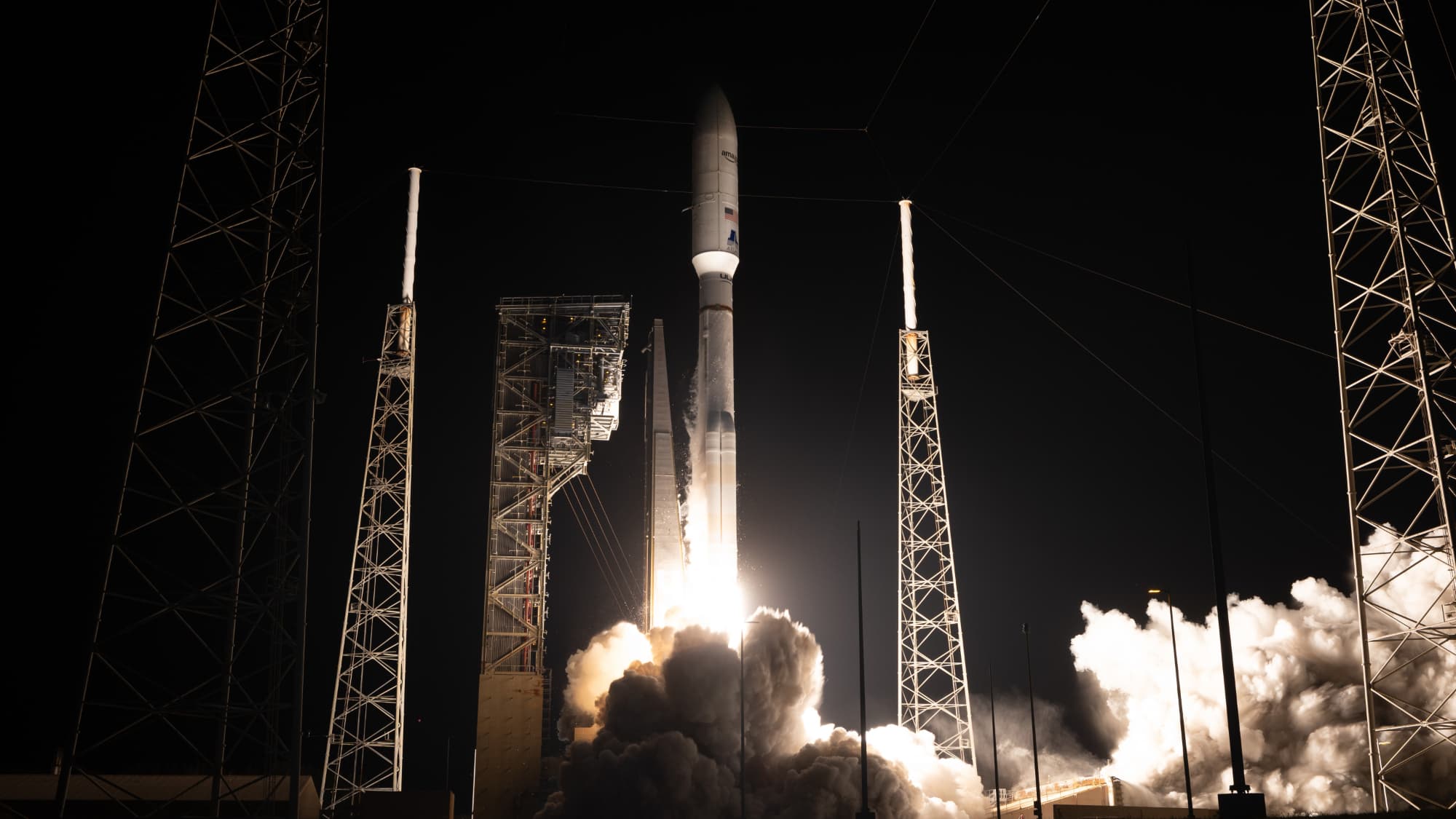
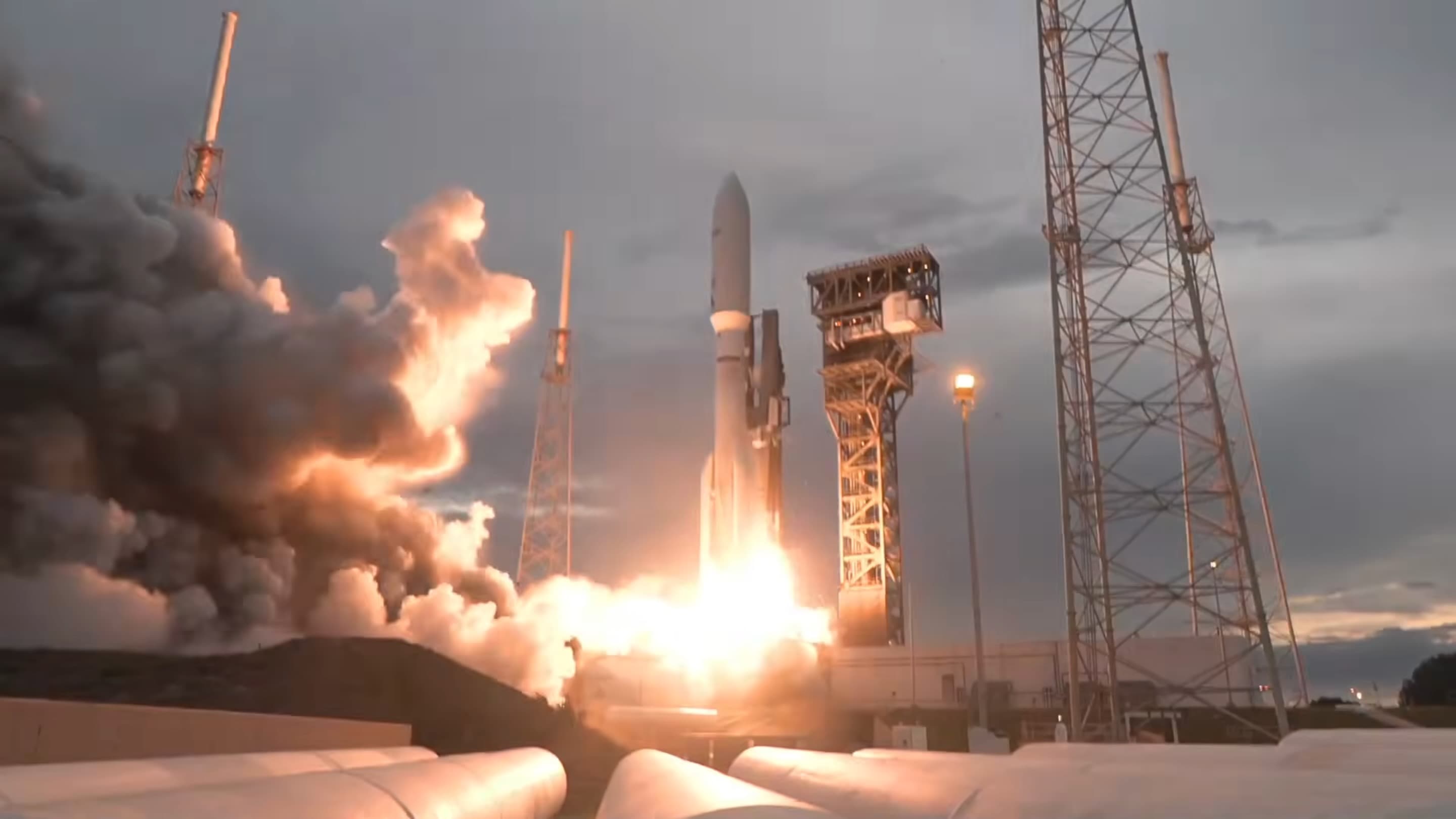
The gap is significant. Starlink began launching operational satellites in 2019 and has a seven-year head start. Amazon's first two prototype satellites reached orbit in October 2023. Catching up will require sustained launch cadence across multiple rocket providers. Ariane 6 is one piece of that puzzle, alongside United Launch Alliance's Atlas V, Blue Origin's New Glenn, and eventually SpaceX's own Falcon 9.
Why does Europe care about this mission?
Ariane 6 represents Europe's ticket to independent access to orbit. After the retirement of Ariane 5 and the loss of Russian Soyuz launches following sanctions in 2022, European space agencies faced a launch gap. Ariane 6 was supposed to fill it years ago. Delays pushed that timeline back repeatedly.
Now, with eight consecutive successful missions, the rocket is proving itself. Commercial customers like Amazon provide the revenue to sustain the program. Each successful heavy-lift mission builds confidence for scientific payloads, military satellites, and deep space exploration that Europe wants to fly on its own hardware.
Online communities have noticed. Discussions on Reddit's r/space and r/spacex forums highlight the Ariane 6's improving track record, with users noting Europe finally has a vehicle capable of competing for high-frequency commercial launch contracts.
What comes next for Amazon Leo?
Amazon has committed to over 80 launches to complete its constellation. The pace will need to accelerate. Deploying 3,200 satellites with 36-satellite missions would require roughly 89 flights. At the current rate, that takes years. The company has contracts with multiple launch providers to spread the workload.
For Ariane 6, the P160C booster upgrade opens new possibilities. The extra payload capacity could allow even larger batches per mission, or heavier individual satellites for future constellation iterations.
Frequently Asked Questions
How many Amazon Leo satellites are now in orbit?
After the June 17 launch, Amazon Leo has 100 satellites in low Earth orbit. The constellation will eventually include more than 3,200 spacecraft.
What is the P160C booster on Ariane 6?
The P160C is an upgraded solid-fuel strap-on booster that adds over two tons of payload capacity to low Earth orbit compared to earlier variants.
How does Amazon Leo compare to Starlink?
Starlink currently operates more than 10,500 satellites and is fully operational. Amazon Leo has 100 satellites and is still in the deployment phase, planning over 80 launches to complete its 3,200+ satellite constellation.
When did Ariane 6 first launch?
Ariane 6 debuted in July 2024 after years of delays. The rocket was originally scheduled for 2020.
Where does Ariane 6 launch from?
Ariane 6 launches from Europe's Spaceport in Kourou, French Guiana.
Logicity's Take
This mission matters less for what it accomplished than for what it signals. Europe's Ariane 6 is finally reliable, and the P160C booster upgrade makes it competitive for the high-volume LEO deployment market that SpaceX has dominated. Amazon's willingness to book multiple Ariane 6 missions validates the rocket's commercial viability. But the real test comes over the next two years: can Arianespace maintain launch cadence while Blue Origin's New Glenn and other competitors ramp up? Amazon is betting on a multi-provider strategy, which spreads risk but also means no single rocket will define Project Kuiper's success.
Need Help Implementing This?
If your organization is tracking satellite broadband developments for connectivity planning, spectrum analysis, or competitive intelligence, Logicity can help you stay ahead of the curve. Reach out to our research team for tailored briefings on the evolving LEO constellation market.
Source: Latest from Space.com
Manaal Khan
Tech & Innovation Writer
Produced with AI assistance and reviewed by the Logicity editorial team. Learn more in our Editorial Policy.