Key Takeaways
- The NexStar 4SE is $100 off at $649 on Amazon ahead of Prime Day on June 23
- The telescope's GoTo mount contains 40,000+ celestial objects and can locate targets automatically
- The 4-inch aperture excels at moon and planetary viewing but shows limited detail on deep-sky objects
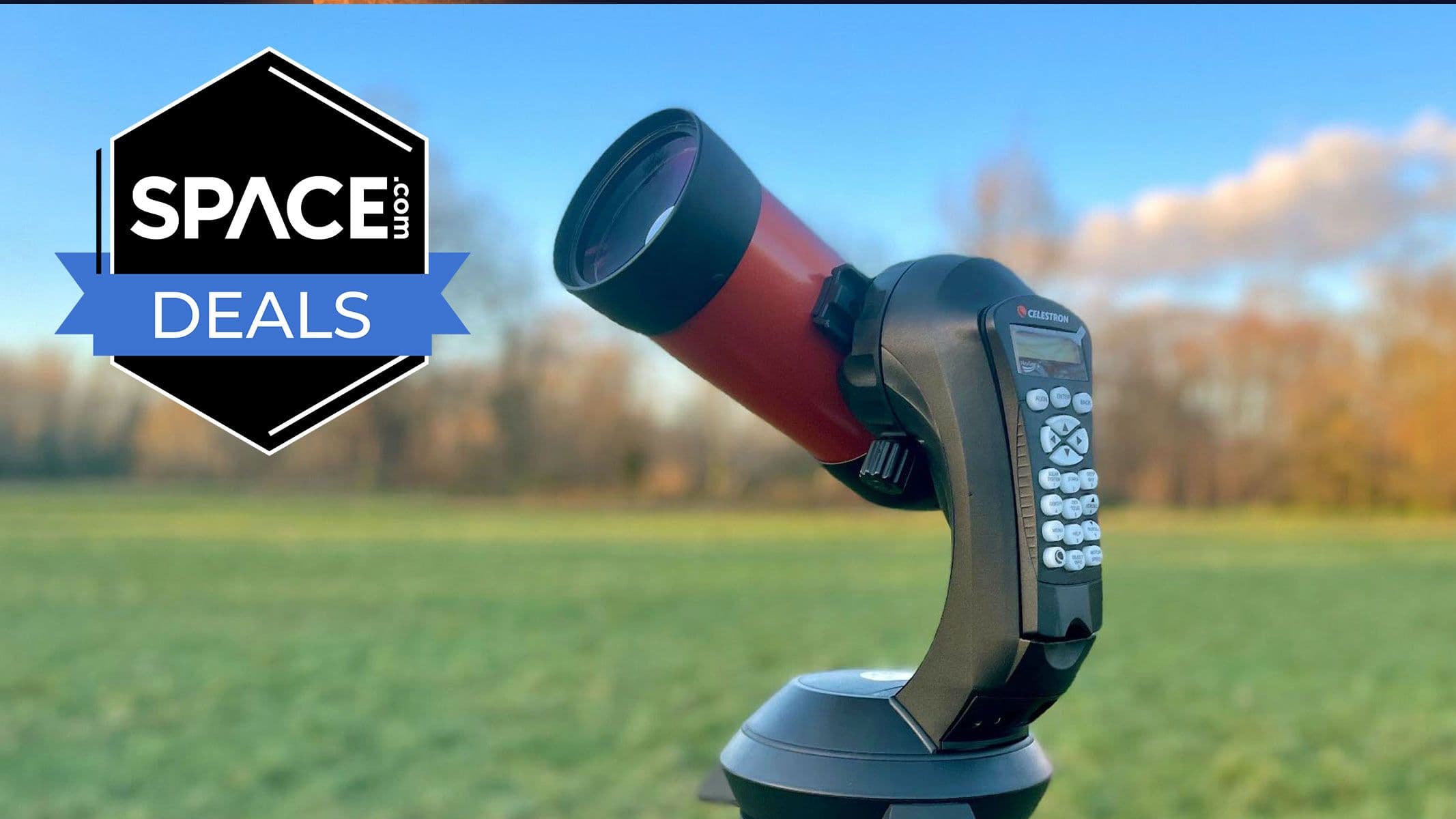
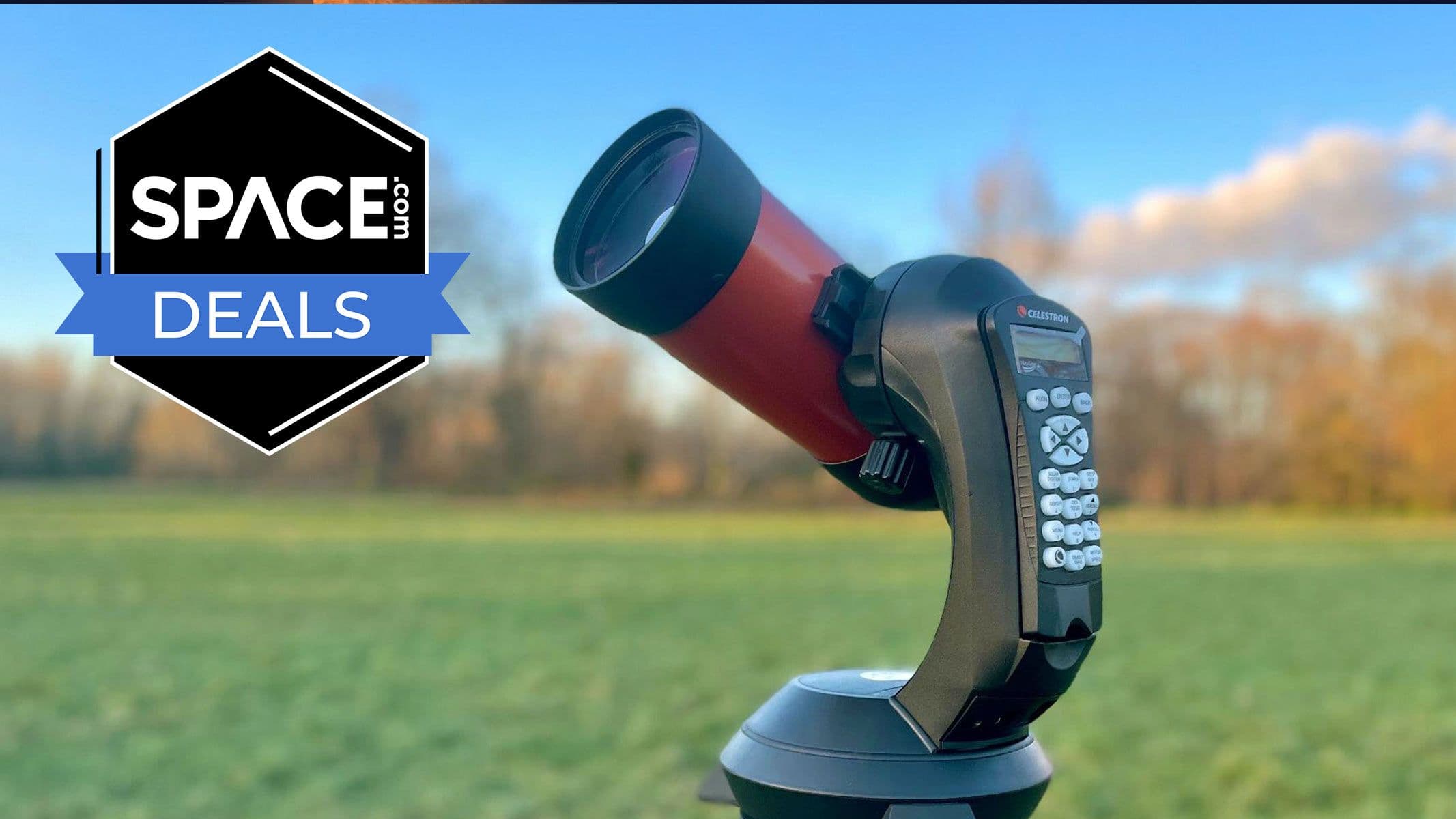
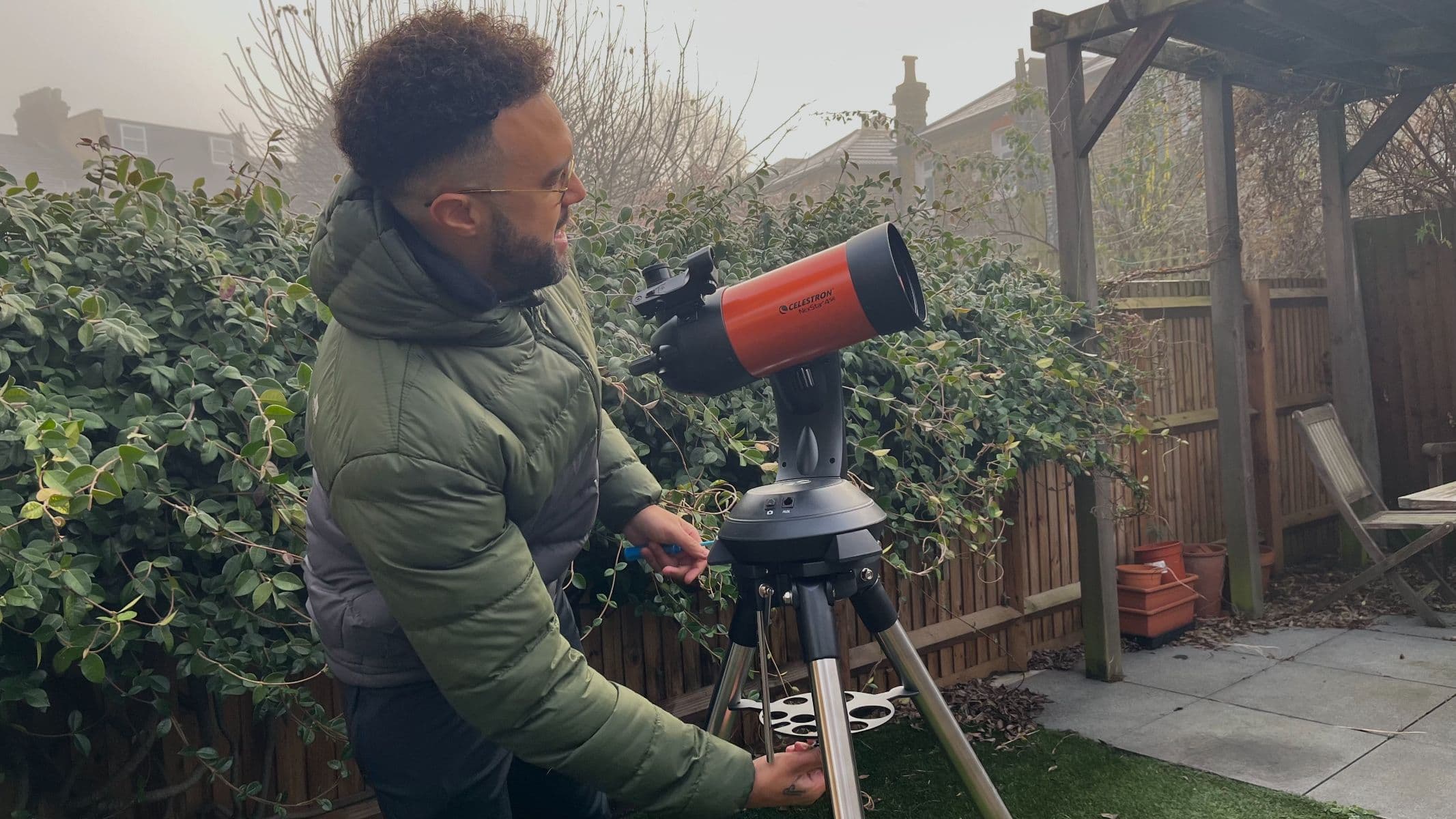
Celestron's NexStar 4SE telescope is now $649 at Amazon, a $100 discount ahead of the platform's Prime Day event on June 23. Space.com ranks it as their best telescope for beginners, citing easy setup and computerized tracking that helps new stargazers find objects without memorizing star charts.
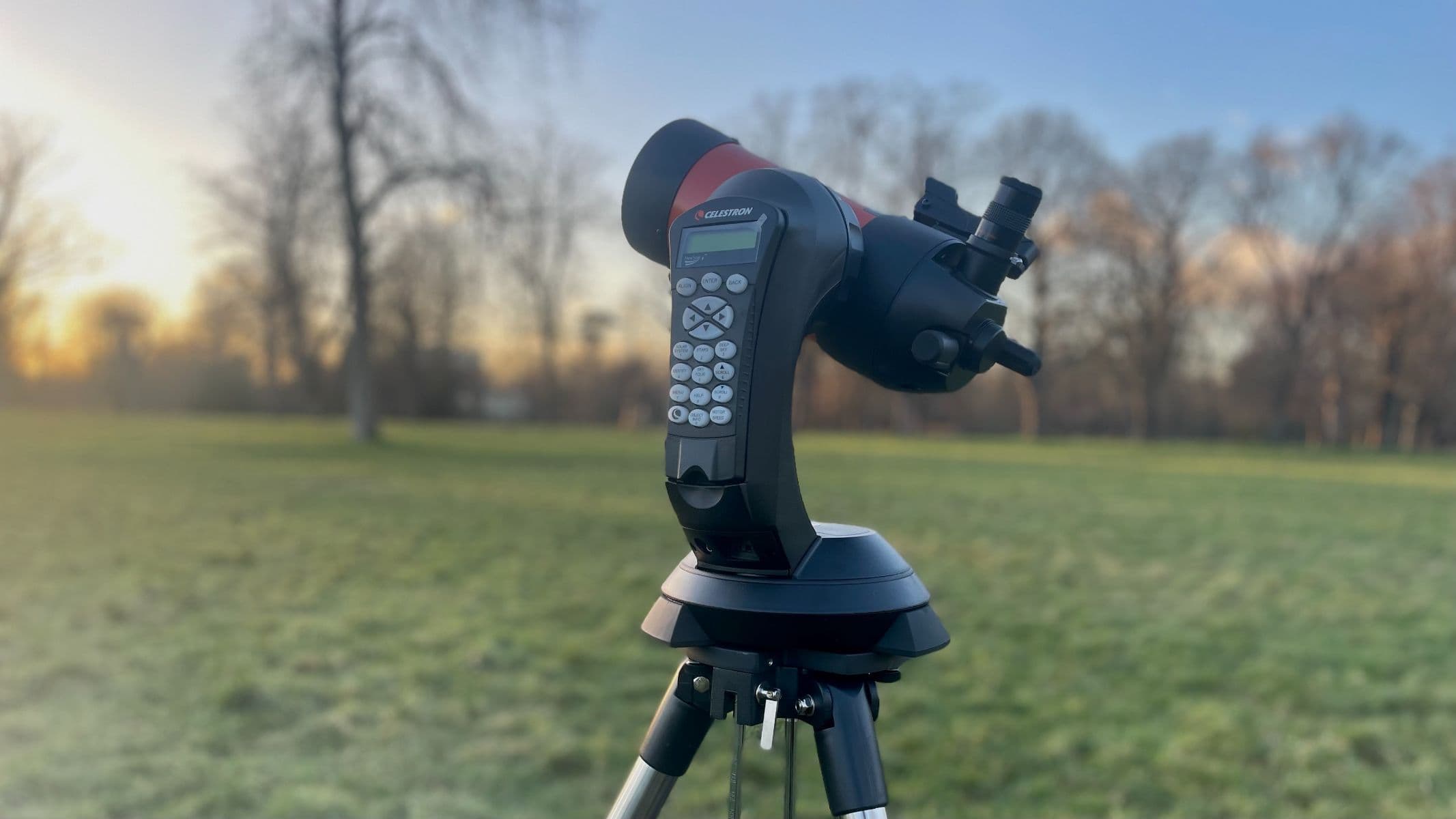
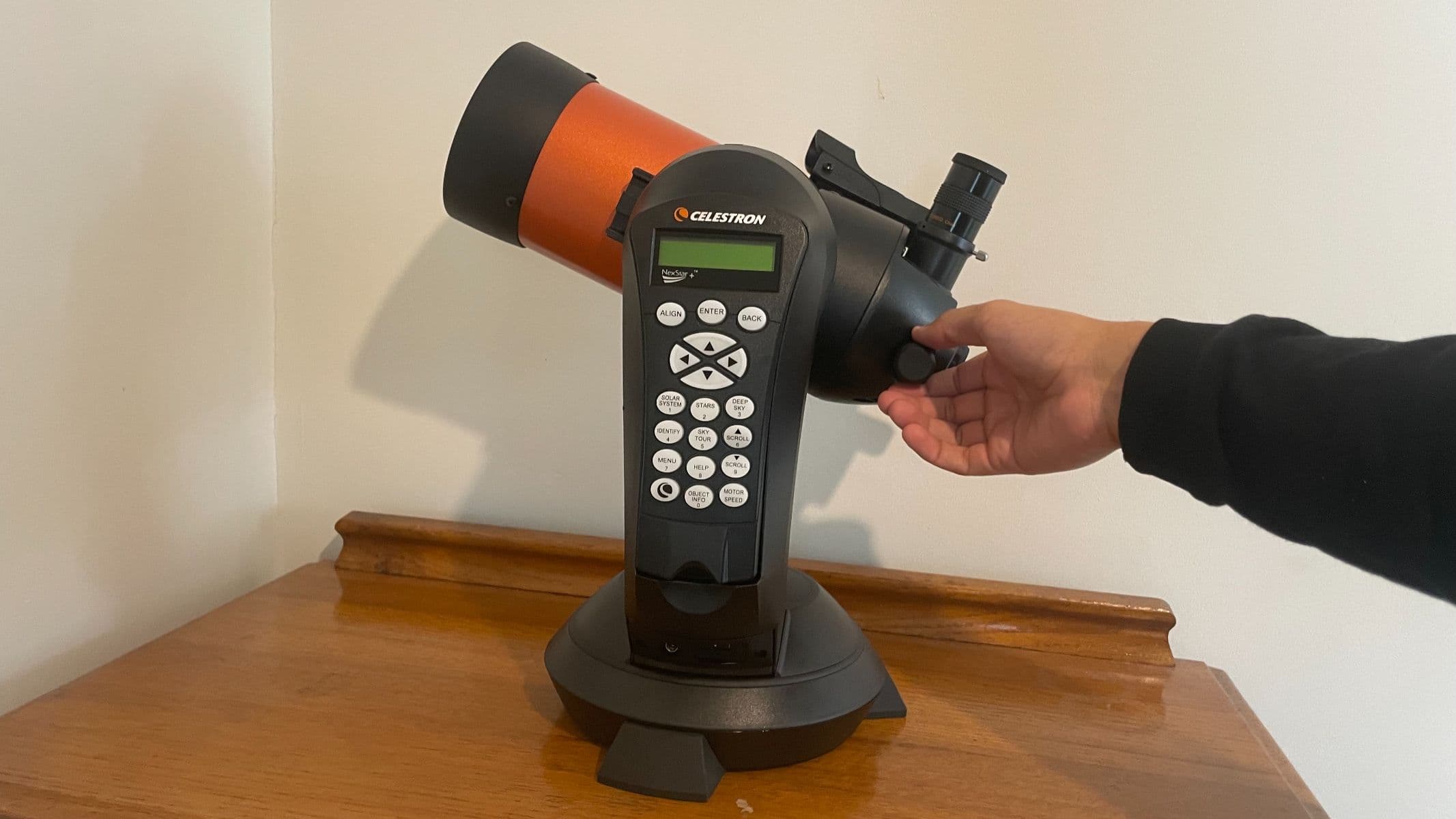
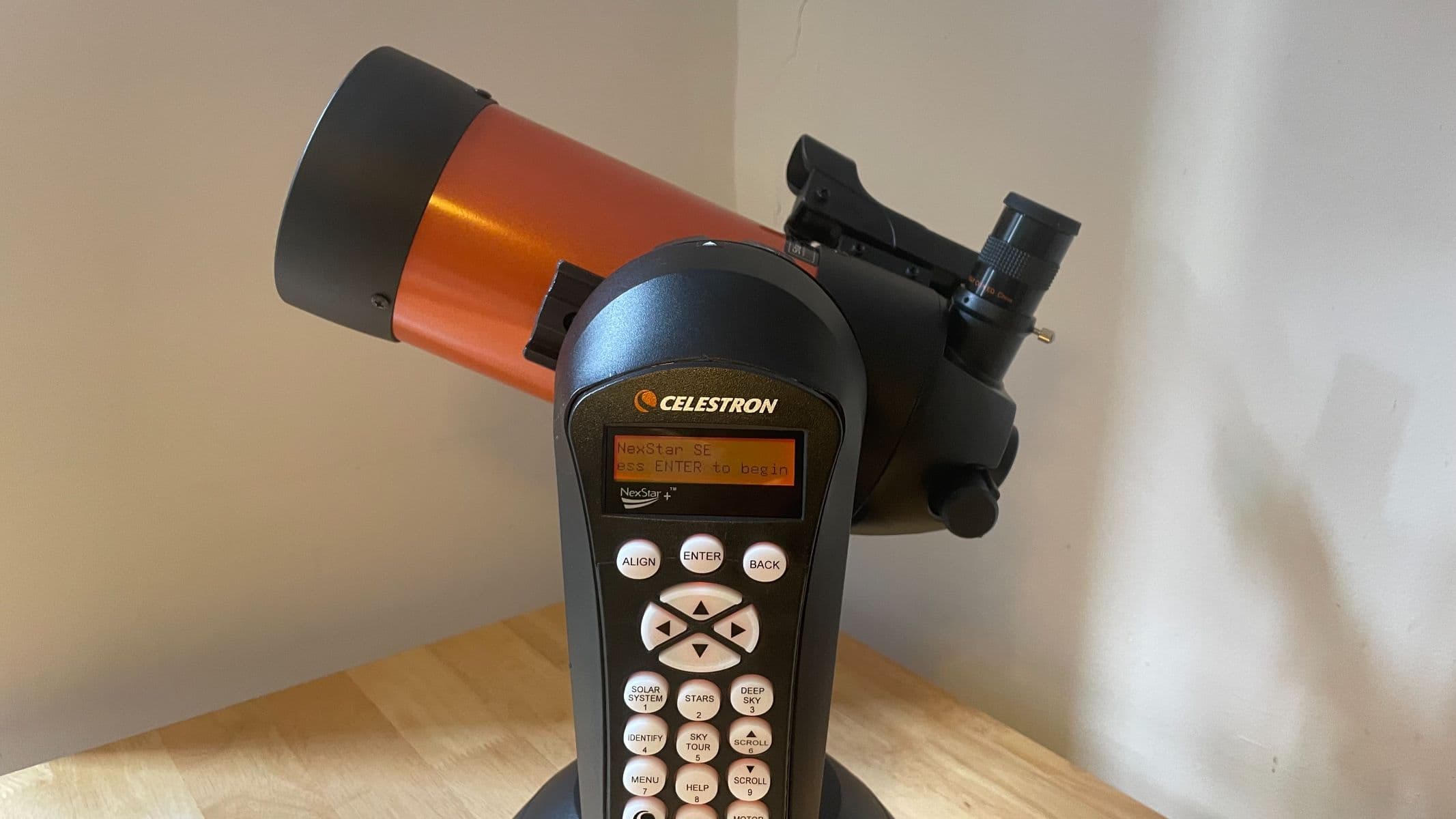
The telescope earned four stars in Space.com's expert review. Reviewers praised its sturdy build, quick assembly, and GoTo technology that points the scope at any of 40,000+ cataloged celestial objects. No mirror alignment required. Pick your target on the hand controller, and the mount does the rest.
What You Get for $649
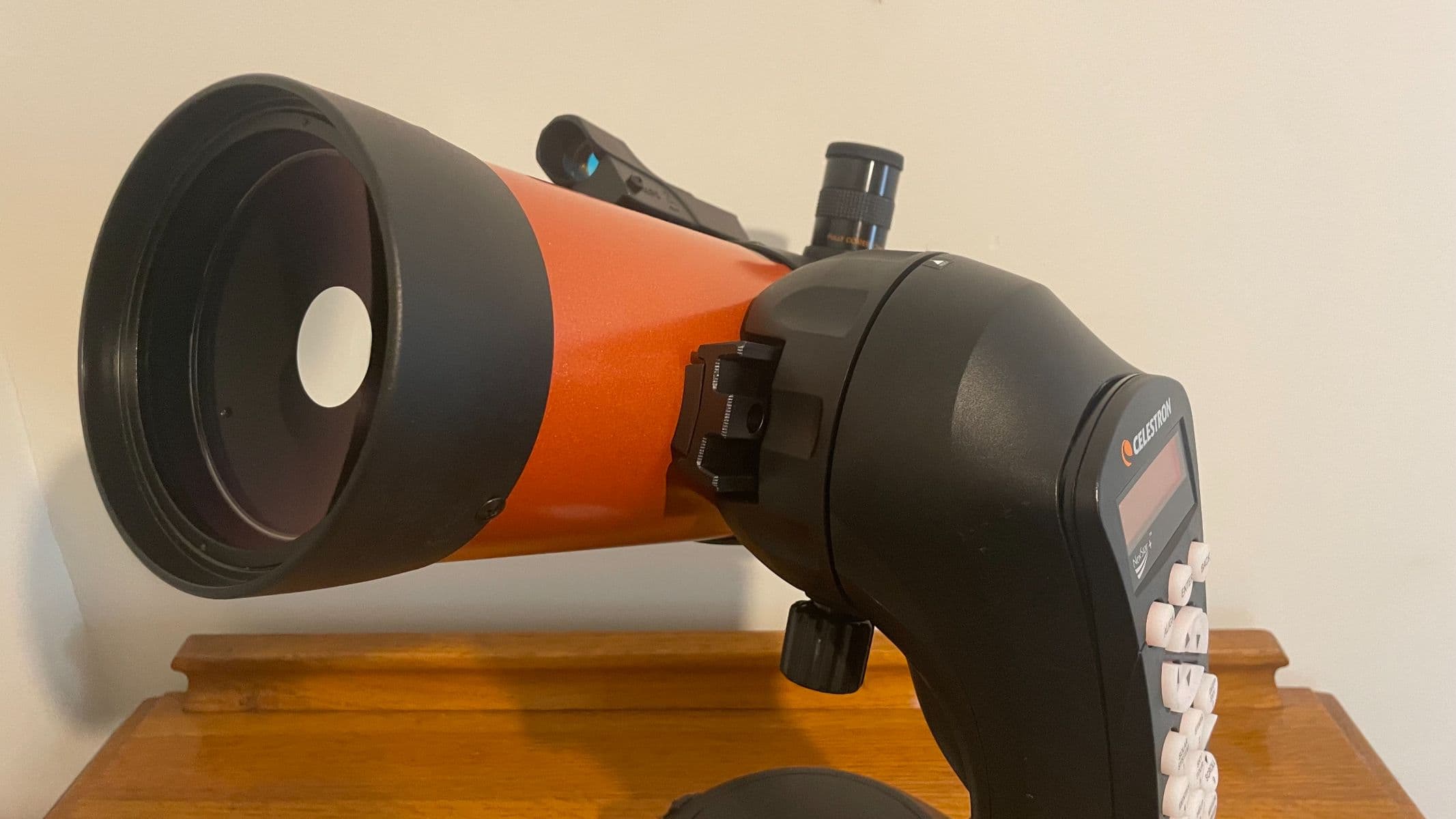
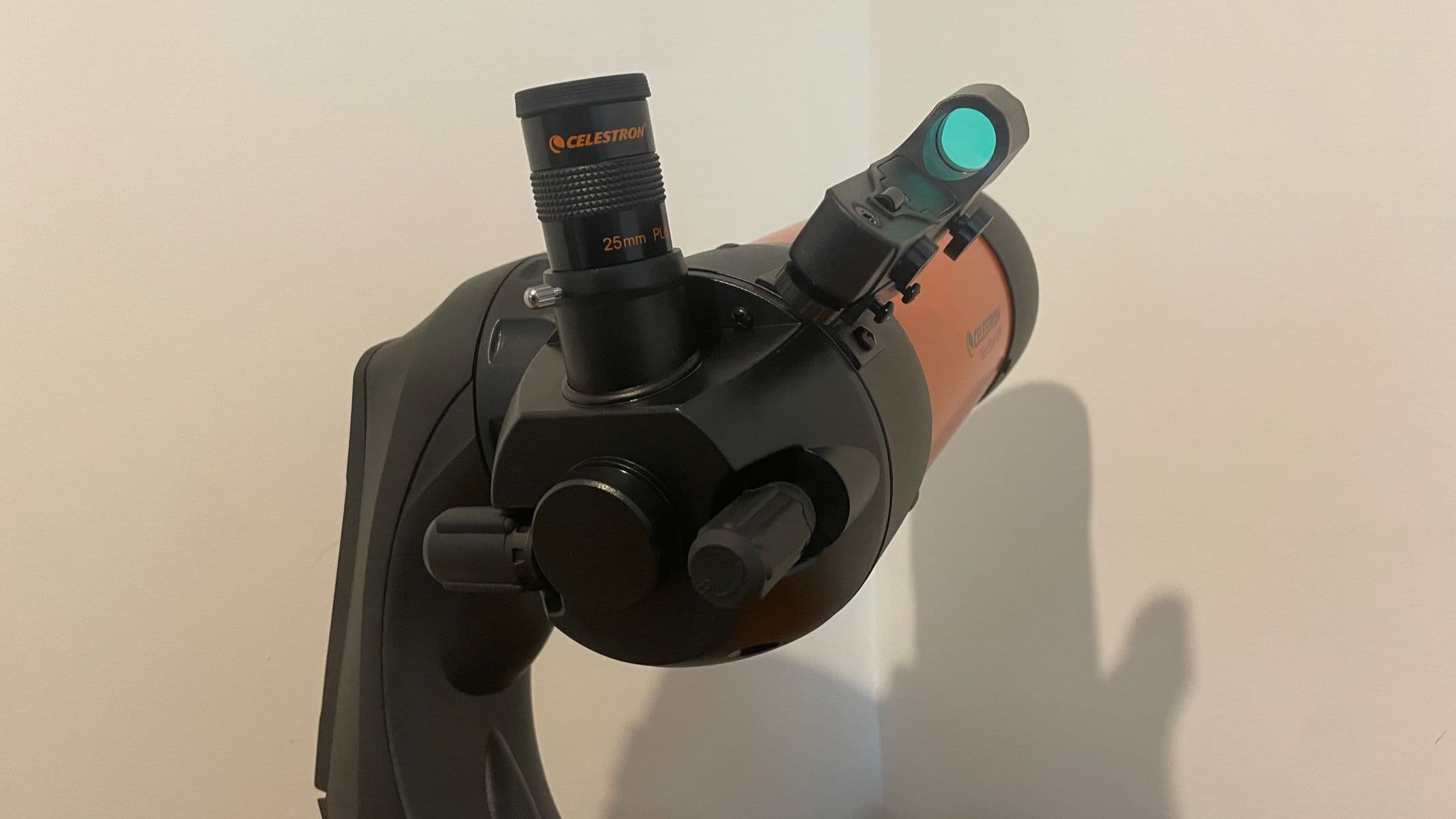
The "4" in 4SE refers to the 4-inch (102 mm) aperture. This is a Maksutov-Cassegrain design, which uses two mirrors to fold a long focal length into a compact tube. The result: high-contrast views of the moon's craters, Jupiter's cloud bands, and Saturn's rings without lugging around a six-foot telescope.
The highest useful magnification is 241x. That's enough to split double stars and see planetary detail, though atmospheric conditions often limit real-world performance to lower powers. A built-in star diagonal lets you view at a comfortable angle instead of craning your neck.
“The NexStar 4SE is the king of portability in our beginner telescope rankings, offering a perfect 'grab-and-go' experience without sacrificing too much optical power.”
— Space.com Expert Review
SkyAlign Makes Setup Simple
Celestron's SkyAlign system removes the traditional headache of telescope alignment. Point the scope at any three bright objects in the sky. They don't need to be stars you can name. The mount calculates your position and orientation automatically. Most beginners can start observing within minutes of unpacking.
The hand controller includes a database of over 40,000 celestial objects. Select the Orion Nebula, and the mount slews to center it in your eyepiece. This is the main reason computerized scopes appeal to beginners. You spend time observing instead of hunting.
Best For: Moon and Planets
The 4SE excels at bright targets. Lunar craters pop with sharp detail. Mars shows its polar caps during favorable oppositions. Jupiter displays its equatorial belts and four Galilean moons. Saturn's rings are clearly separated from the planet's disk.
Deep-sky performance is more limited. You can spot the Andromeda Galaxy as a fuzzy oval. The Orion Nebula shows its basic structure. The Pleiades star cluster sparkles nicely. But don't expect the vivid colors and intricate detail you see in astrophotography. A 4-inch aperture gathers enough light to find these objects, not enough to reveal their full complexity.
✅ Pros
- • GoTo mount locates 40,000+ objects automatically
- • SkyAlign setup takes minutes with no star knowledge required
- • Compact design is easy to transport to dark sky sites
- • Sharp, high-contrast planetary views
- • No mirror collimation needed
❌ Cons
- • Deep-sky views lack detail compared to larger apertures
- • The complete setup is heavier than it looks for remote trips
- • Requires external power or batteries for the mount
The Manual Alternative Debate
On Reddit's r/telescopes forum, the NexStar 4SE generates predictable discussion. Experienced astronomers often suggest manual Dobsonian telescopes at this price point. A 6- or 8-inch Dobsonian gathers more light and shows fainter objects. The tradeoff: you point it yourself using star charts or phone apps.
The community generally agrees the 4SE wins on convenience. New hobbyists who get frustrated hunting for objects may quit the hobby entirely. A computerized mount that finds targets keeps beginners engaged. You can always learn manual star-hopping later with a second scope.
Other Models in the Series
Celestron's NexStar SE line comes in four sizes: 4, 5, 6, and 8 inches. All share the iconic orange tube design and the same GoTo mount system. Larger apertures mean brighter, sharper views. They also mean more weight and higher prices. The 4SE hits the sweet spot for beginners who prioritize portability.
Logicity's Take
Frequently Asked Questions
Is the Celestron NexStar 4SE good for astrophotography?
It's limited. The alt-azimuth mount causes field rotation during long exposures, making it unsuitable for deep-sky imaging. You can capture decent moon and planetary shots through the eyepiece with a smartphone adapter.
How heavy is the NexStar 4SE?
The optical tube weighs about 6 pounds and the mount adds another 8 pounds. While compact, the full setup can feel heavy when transporting to remote dark sky sites.
Does the NexStar 4SE need electricity?
Yes. The GoTo mount requires power from 8 AA batteries or an external 12V power source. Batteries drain after several hours of continuous use.
Can beginners really set up the NexStar 4SE in minutes?
Most can. Celestron's SkyAlign only requires pointing at three bright objects. The learning curve is minimal compared to traditional equatorial mounts that require polar alignment.
What's the difference between the 4SE and 5SE?
The 5SE has a 5-inch aperture instead of 4 inches. This gathers about 56% more light, showing fainter objects more clearly. The 5SE is also larger and heavier.
More stunning views from space
Another way to capture the night sky
Need Help Implementing This?
Source: Latest from Space.com
Manaal Khan
Tech & Innovation Writer
Produced with AI assistance and reviewed by the Logicity editorial team. Learn more in our Editorial Policy.