Key Takeaways
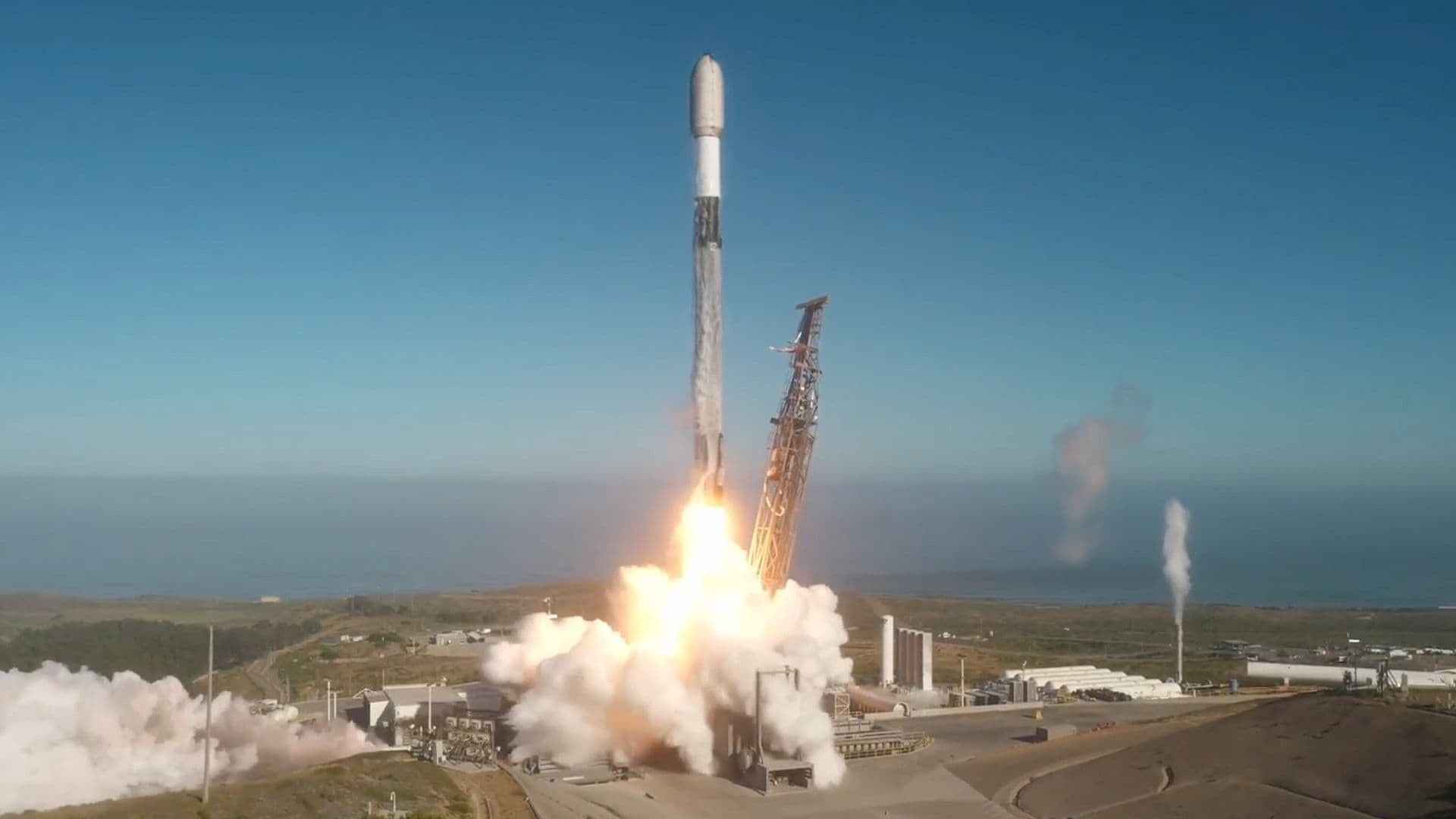
- SpaceX deployed 24 Starlink satellites, pushing the constellation past 10,600 active units
- Booster B1071 completed its 34th flight, one mission shy of tying the reuse record
- The launch precedes SpaceX's NASDAQ IPO at a $1.78 trillion valuation with shares priced at $135
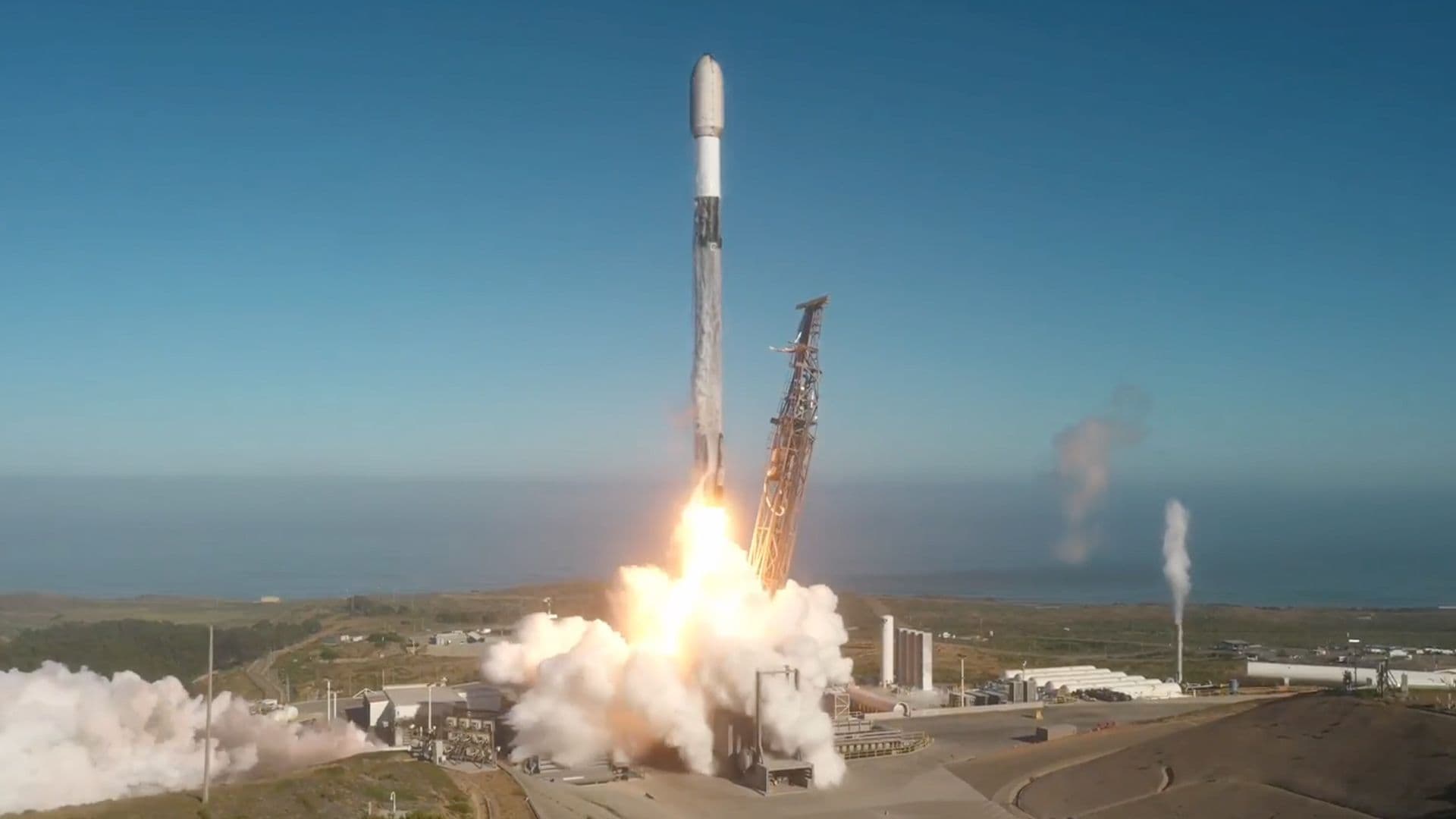
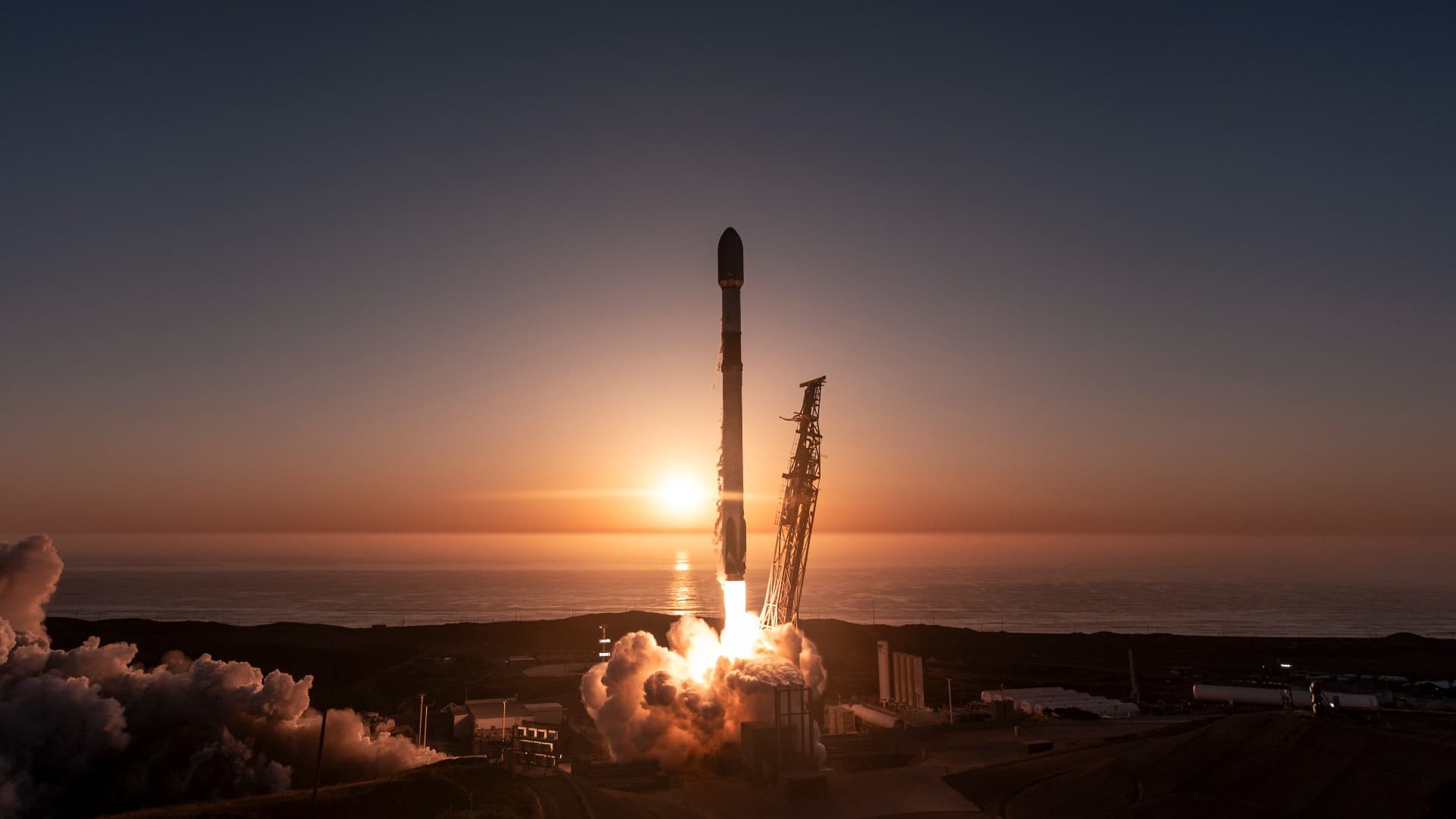
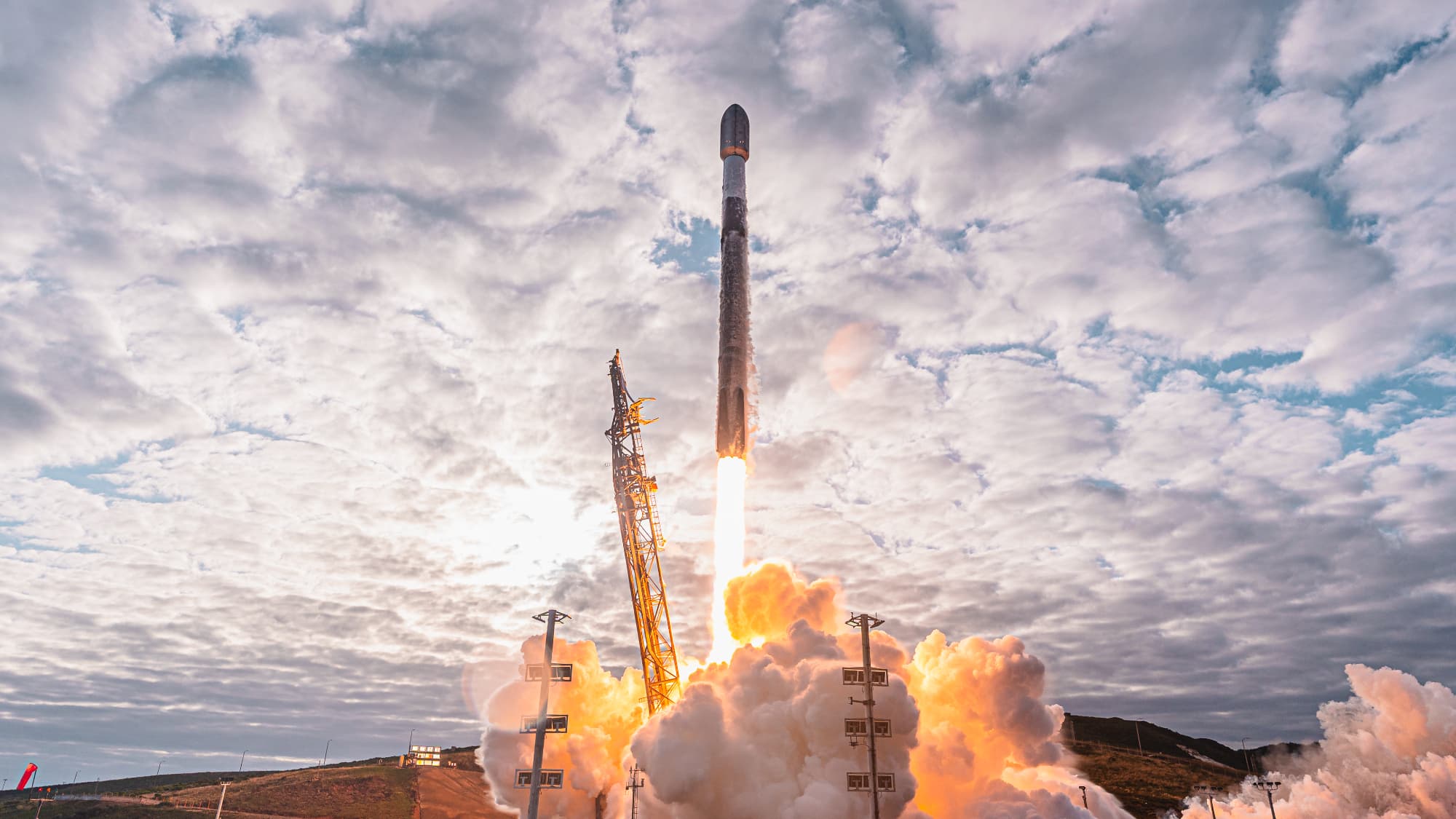
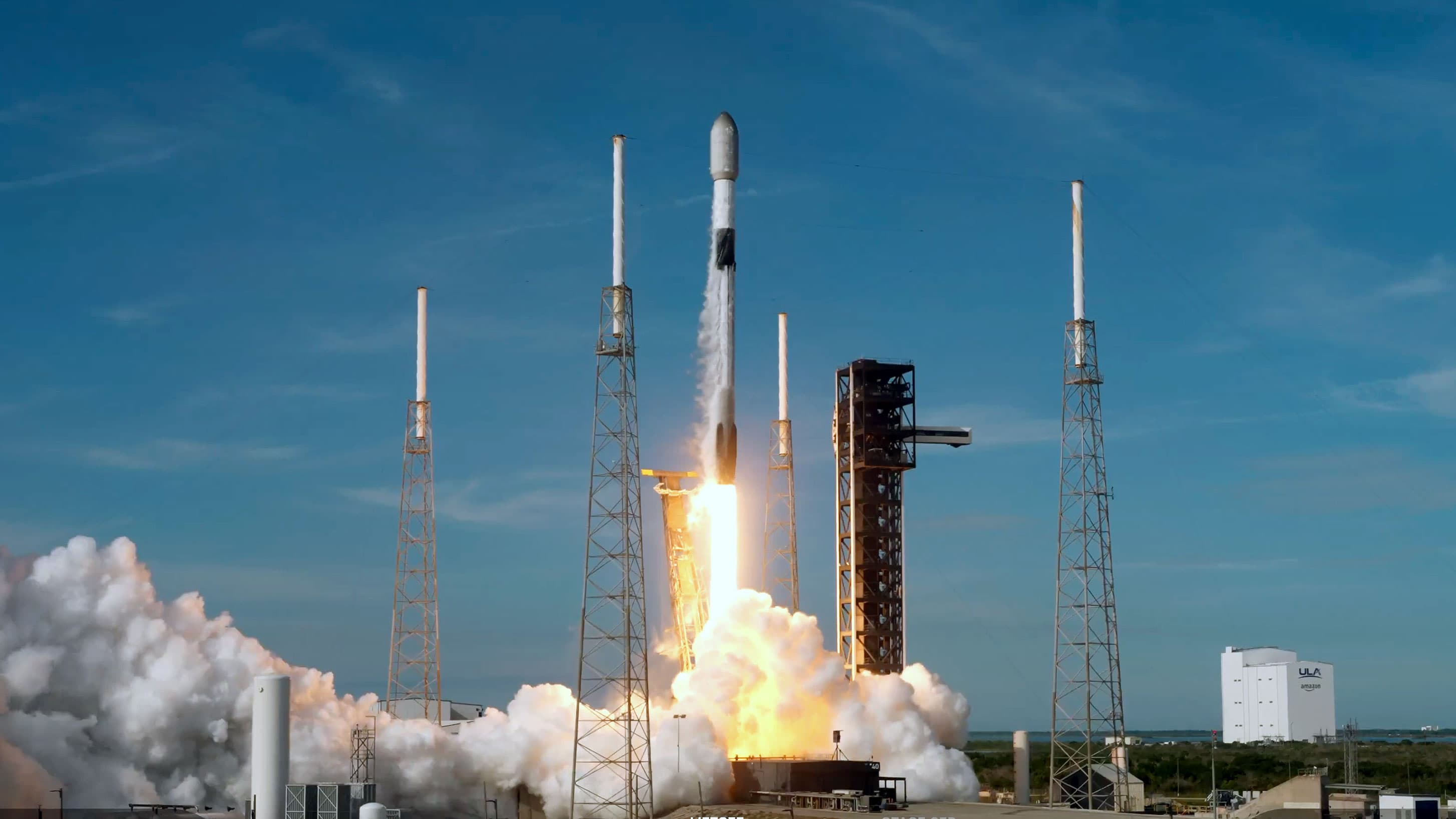
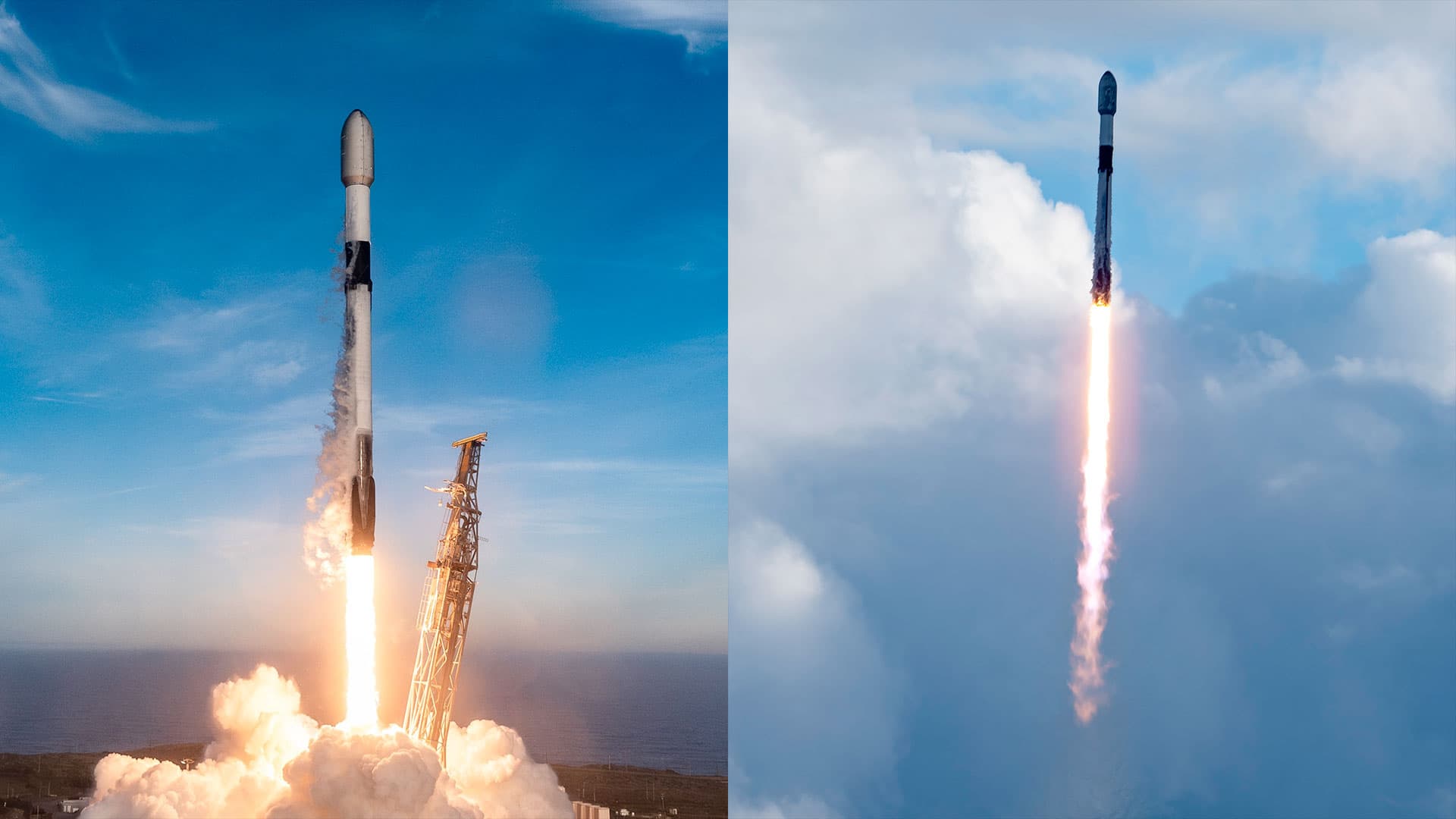
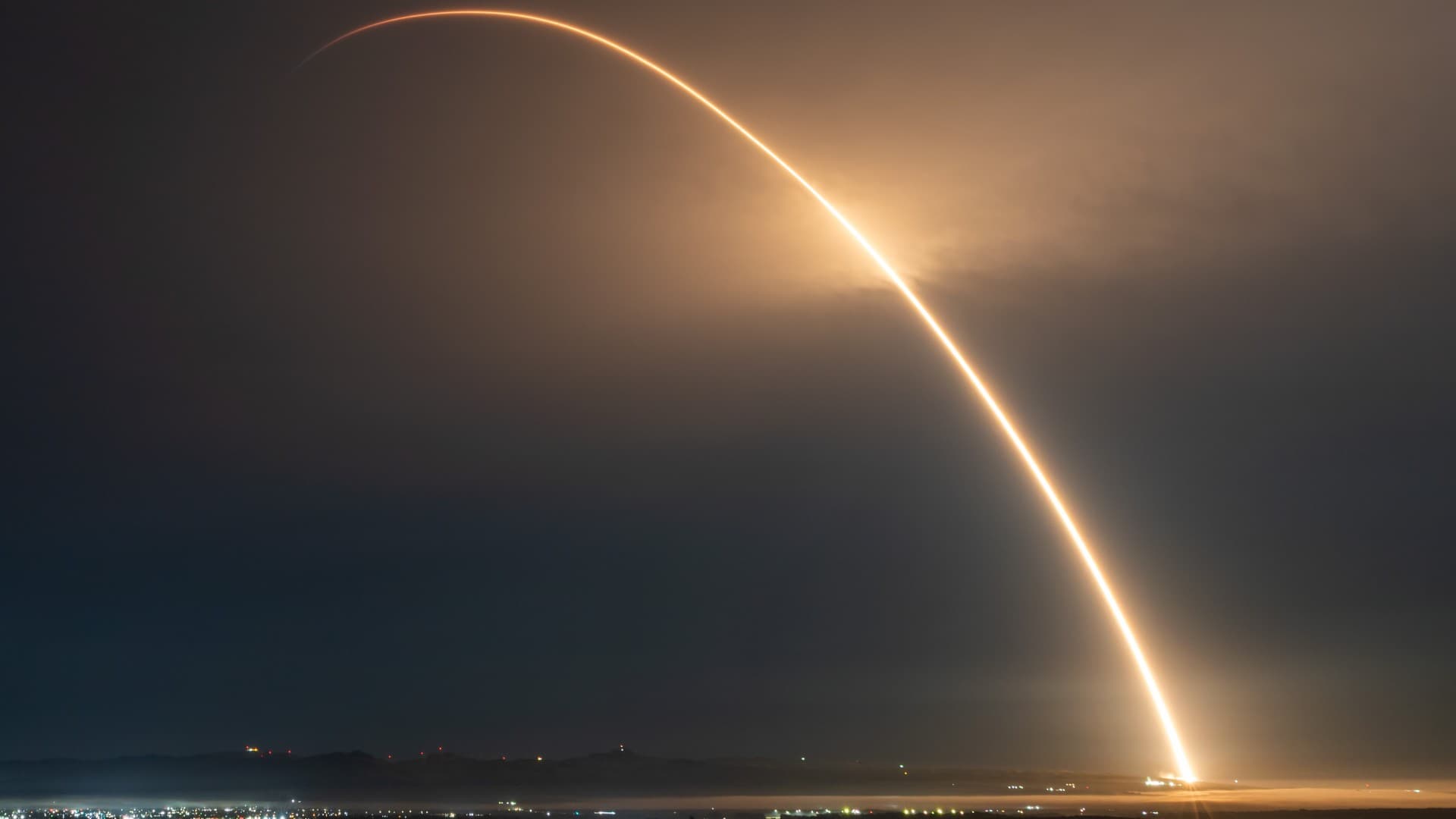
SpaceX launched 24 Starlink satellites from Vandenberg Space Force Base on Thursday, June 11, in what may be the company's final mission before it goes public. A Falcon 9 rocket lifted off from Space Launch Complex 4 East at 11:05 a.m. EDT (8:05 a.m. local time), with SpaceX confirming successful deployment about an hour later.
The launch pushed the Starlink megaconstellation past 10,600 satellites, according to space tracker Jonathan McDowell. It marked SpaceX's 67th Falcon 9 flight of 2026 and the 660th completed mission since the rocket family debuted in 2008.
Booster B1071 Nears Reuse Record
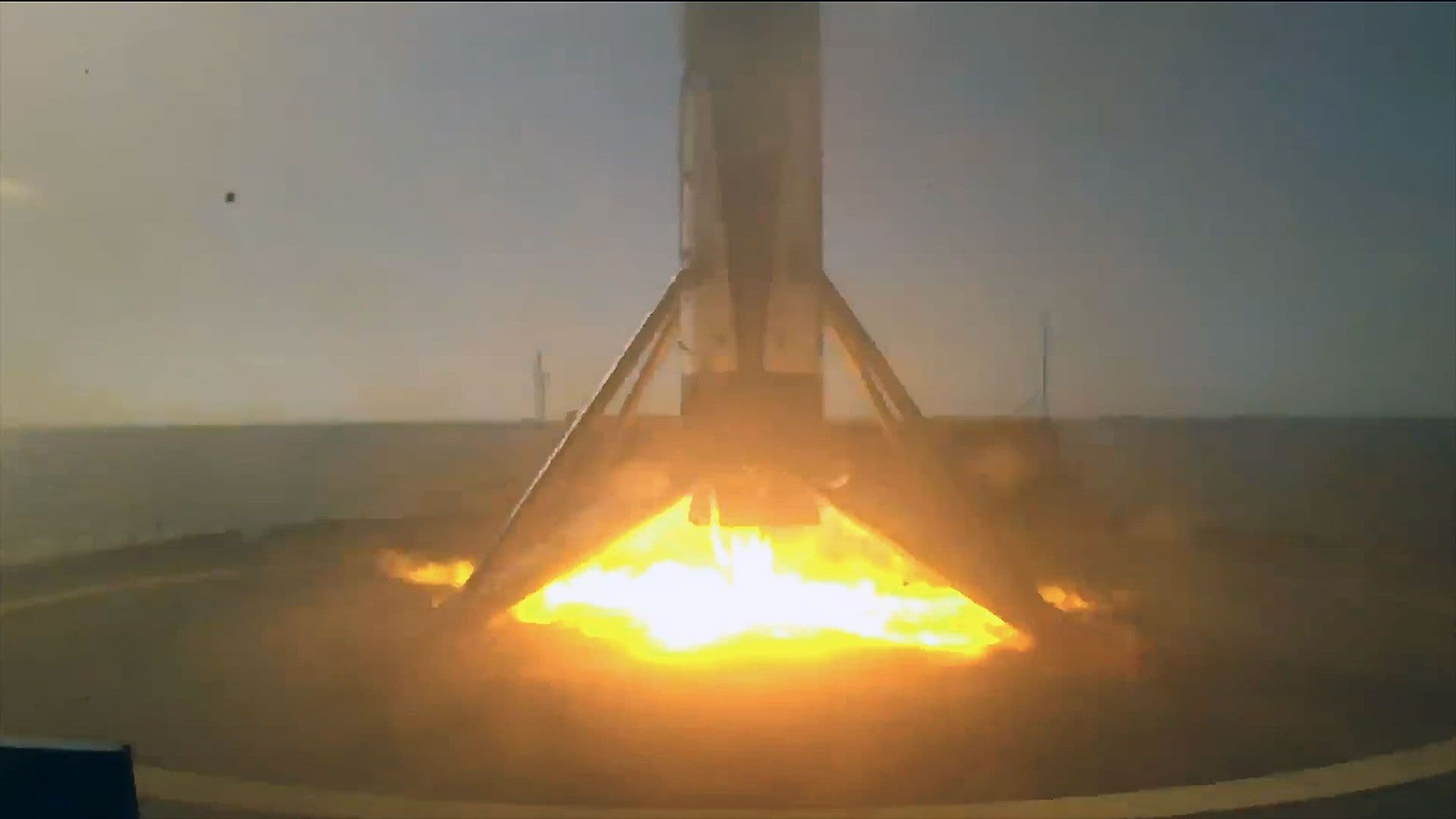
The first stage booster, designated B1071, completed its 34th mission. It touched down on the droneship "Of Course I Still Love You," which was stationed in the Pacific Ocean. The booster is now one flight shy of tying the reuse record held by Booster 1067, which achieved its 35th flight on June 8.
B1071 has carried a diverse manifest over its career. Previous missions include NROL-87, NROL-85, SARah-1, the SWOT oceanography satellite, multiple Transporter rideshare flights, and 19 prior Starlink deployments.
IPO Week Timing
The mission came during a pivotal week for SpaceX. The company is set to debut on NASDAQ under the ticker SPCX, with shares priced at $135. The IPO values SpaceX at approximately $1.78 trillion, making it one of the largest market debuts in history.
Another Starlink launch is targeted for Friday morning from Florida, which could technically precede the market opening. Either way, SpaceX is demonstrating that its near-daily launch cadence continues regardless of financial milestones.
Starlink's Business Position
The IPO arrives as Starlink has proven its commercial viability. The satellite internet service now has 12 million active subscribers globally. In 2025, the Starlink business unit reported a 63% EBITDA margin, confirming profitability that once seemed distant for a capital-intensive space venture.
“We are not just launching satellites; we are launching the world's first global, real-time intelligence network.”
— Elon Musk, CEO of SpaceX
SpaceX's February 2026 merger with xAI has transformed the company into a diversified conglomerate. The combined entity now spans orbital launch services, global broadband, and artificial intelligence. This integration has drawn both excitement and skepticism from market watchers.
Market and Community Reaction
Discussions on Reddit's r/space community have split between celebrating the technical achievement (B1071's 34th flight is remarkable engineering) and debating whether the $135 share price fairly accounts for risks from the xAI integration.
On HackerNews, threads have analyzed the orbital mechanics of the Group 17-44 deployment alongside financial models questioning how SpaceX's $1.78 trillion valuation compares to traditional aerospace companies. Many posters note that legacy players like Boeing and Lockheed Martin command far smaller market caps despite decades of government contracts.
Logicity's Take
What's Next
SpaceX's next Starlink mission is scheduled for Friday morning from Florida. If Booster 1071 flies again soon, it will tie the reuse record that has become a bragging point for the company's rapid turnaround capability.
For investors, Friday's market open will matter more than Friday's rocket. The IPO will reveal whether retail and institutional buyers believe the Starlink subscriber base, xAI integration, and continued launch dominance justify a valuation larger than most countries' GDPs.
Frequently Asked Questions
How many Starlink satellites are in orbit now?
More than 10,600 Starlink satellites are currently in orbit, according to space tracker Jonathan McDowell. This number increases with nearly every SpaceX launch.
What is SpaceX's IPO share price?
SpaceX's IPO share price has been set at $135, valuing the company at approximately $1.78 trillion.
How many times has the Falcon 9 booster B1071 flown?
Booster B1071 has now completed 34 flights. It is one mission shy of tying the reuse record of 35 flights held by Booster 1067.
How many Starlink subscribers are there?
Starlink has 12 million active subscribers as of June 2026, with a 63% EBITDA margin reported in 2025.
When is SpaceX going public?
SpaceX is expected to begin trading on NASDAQ under the ticker SPCX on Friday, June 12, 2026.
Need Help Implementing This?
Source: Latest from Space.com
Details on IPO Structure and Strategic Expansion
The new article provides details regarding the mechanics of the SpaceX IPO, specifically noting that the company plans to set aside 30 percent of its 'float' for retail investors, which is unusual for such offerings. It also adds context about the company's recent acquisition of xAI, framing the IPO as the first of the major US AI startups to go public.
Huma Shazia
Senior AI & Tech Writer
Produced with AI assistance and reviewed by the Logicity editorial team. Learn more in our Editorial Policy.