Key Takeaways
- SpaceX debuted on Nasdaq at $150/share, closing at $160.95 and reaching a $2.1 trillion market cap on day one
- The IPO made Elon Musk the world's first trillionaire with a net worth exceeding $1.1 trillion
- SpaceX raised $75 billion in the largest IPO ever, surpassing Saudi Aramco's previous record
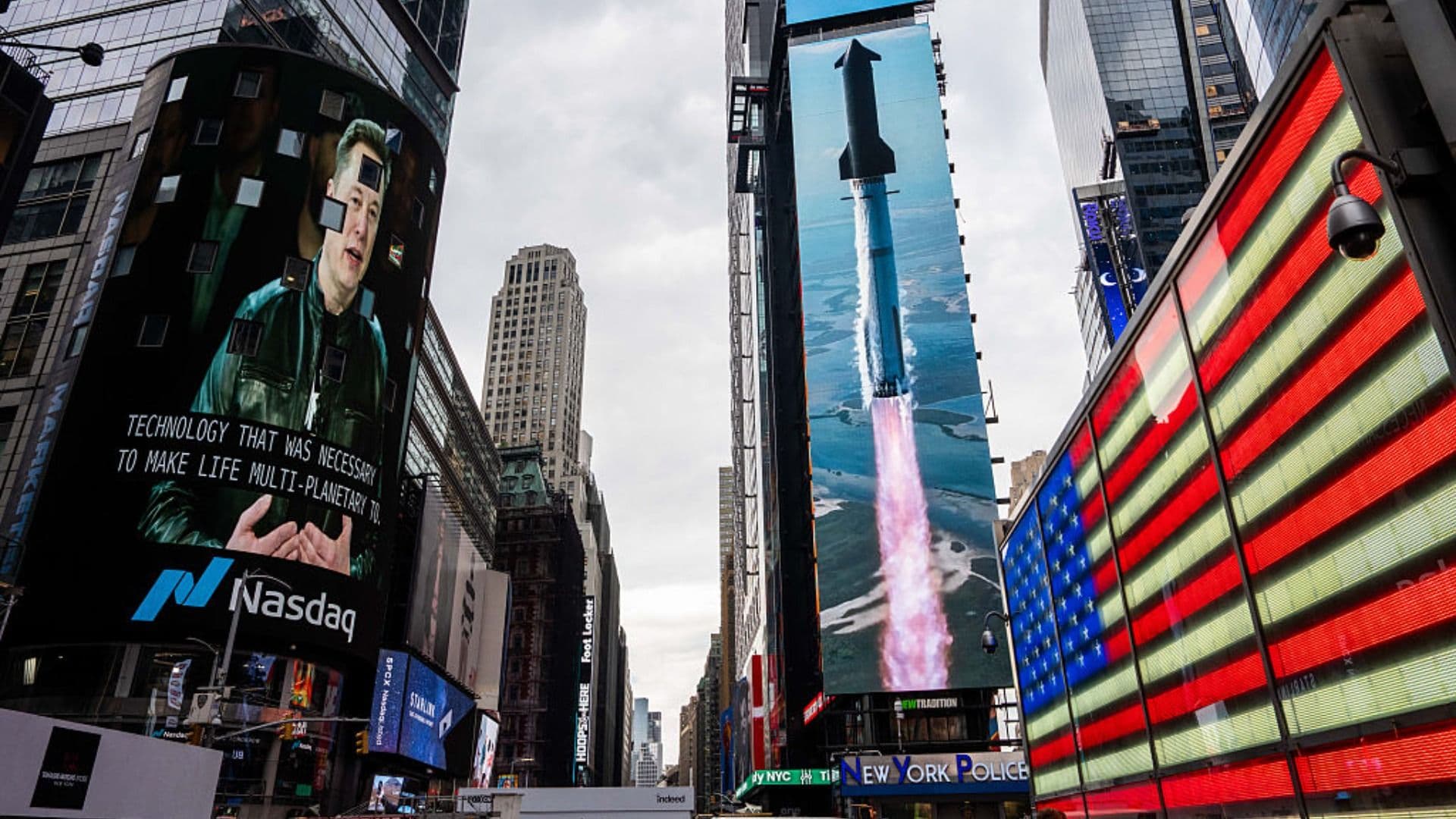
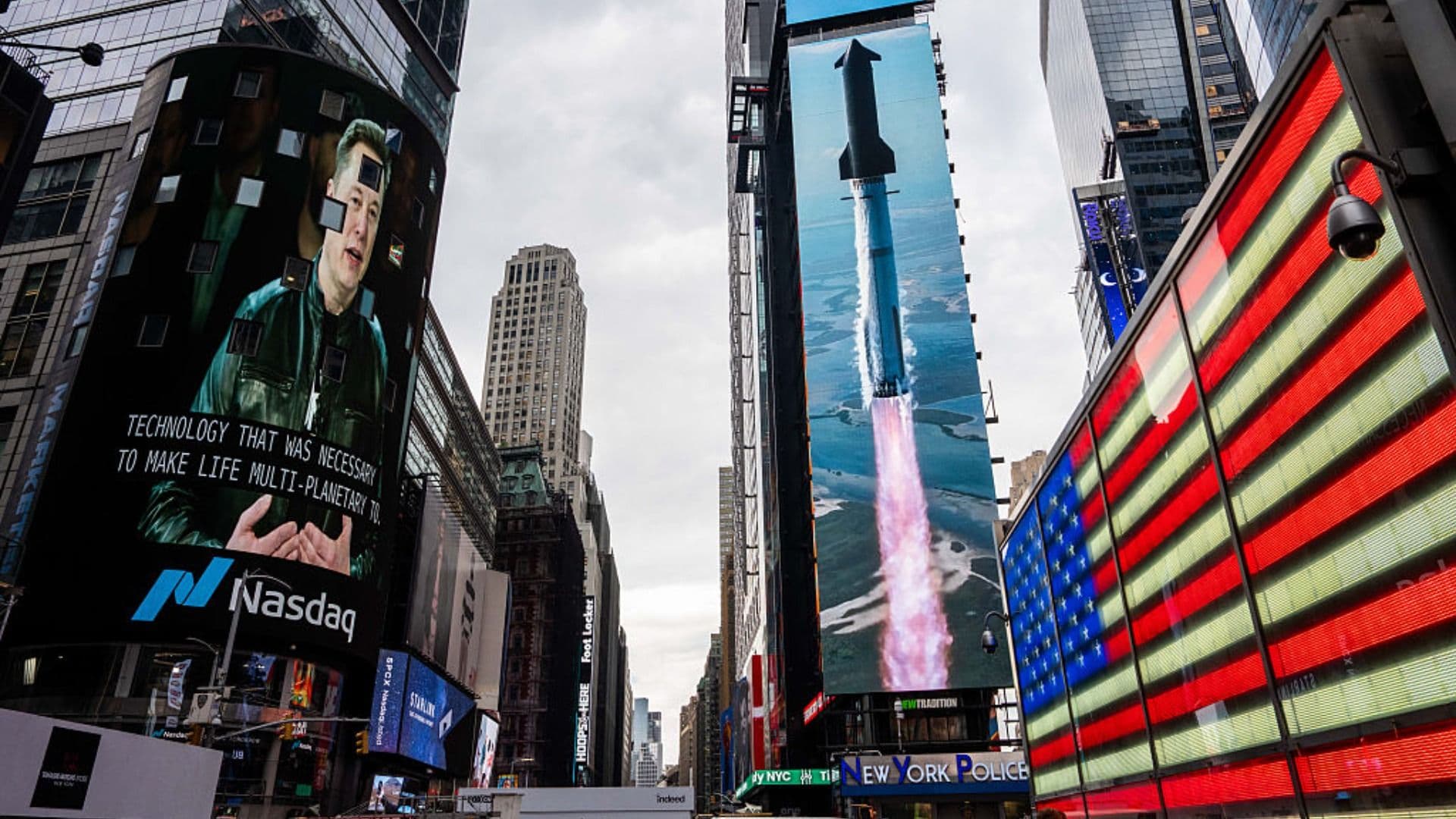
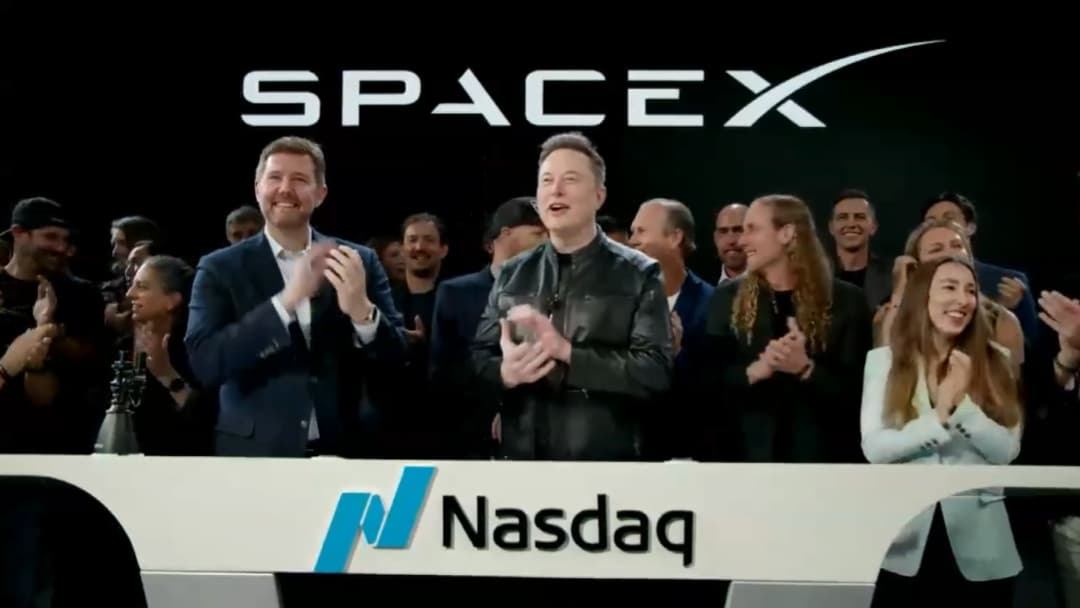
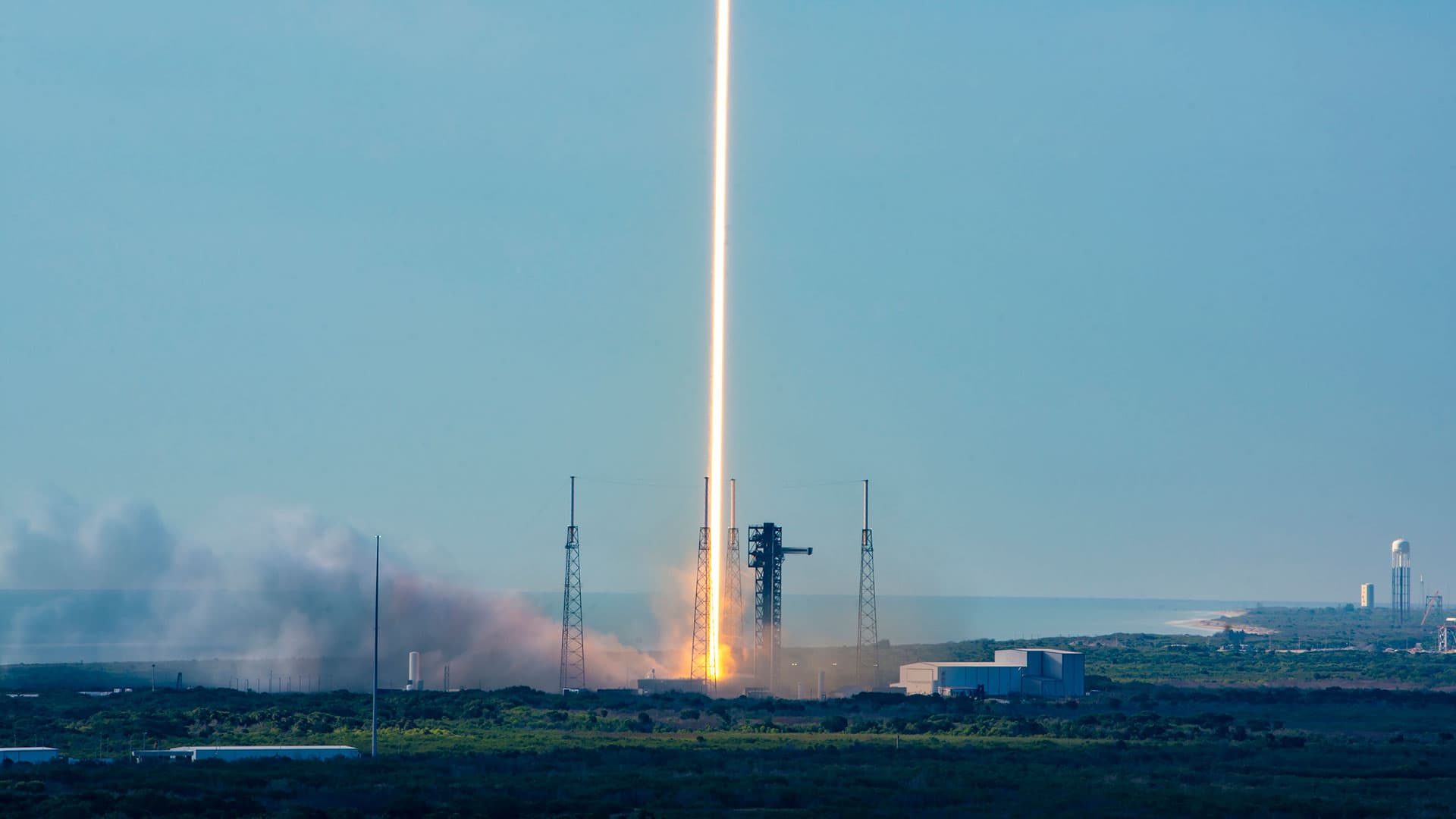
SpaceX's Starship rocket lit up the side of a New York City skyscraper on Friday, June 12, 2026, as the company celebrated the largest IPO in history. The Nasdaq debut opened at $150 per share, closed at $160.95, and pushed the company's market capitalization to $2.1 trillion by day's end. It also made Elon Musk the world's first trillionaire.
The company raised $75 billion in the offering, surpassing Saudi Aramco's previous record. SpaceX now trades under the ticker symbol SPCX.
"It is certainly hard to believe that a little company that started in a warehouse in El Segundo is now going public with the largest IPO ever," Musk said during the opening ceremony broadcast by Nasdaq. "I gave SpaceX less than a 10% chance of succeeding at all, to be clear."
Why project Starship instead of Falcon 9?
SpaceX chose Starship over its proven Falcon 9 rocket for the celebration, and the choice tells you where the company's ambitions lie. Falcon 9 has flown hundreds of missions and regularly ferries astronauts to the International Space Station. It's reliable. It's profitable. But it's not what SpaceX is betting its future on.
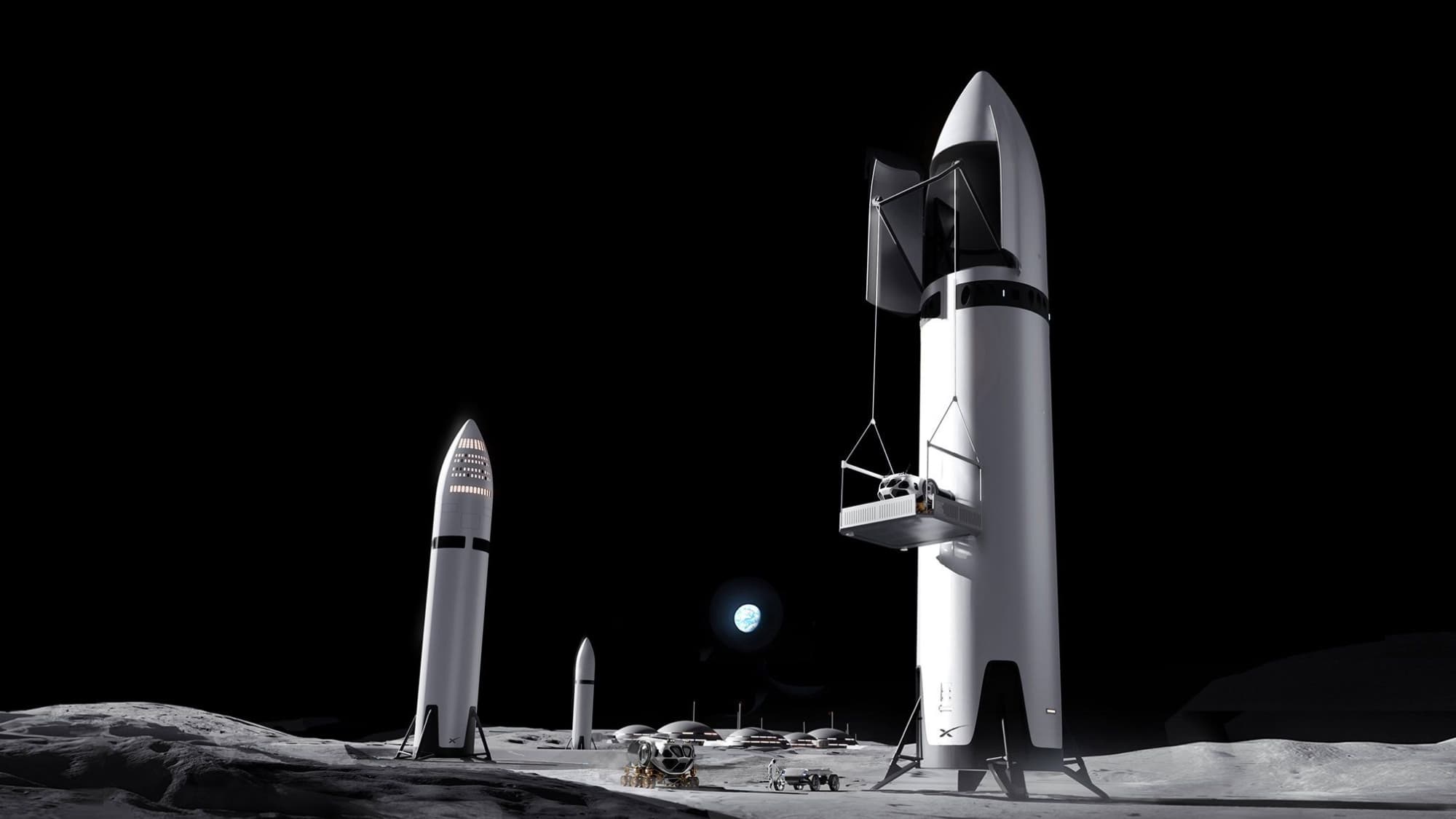
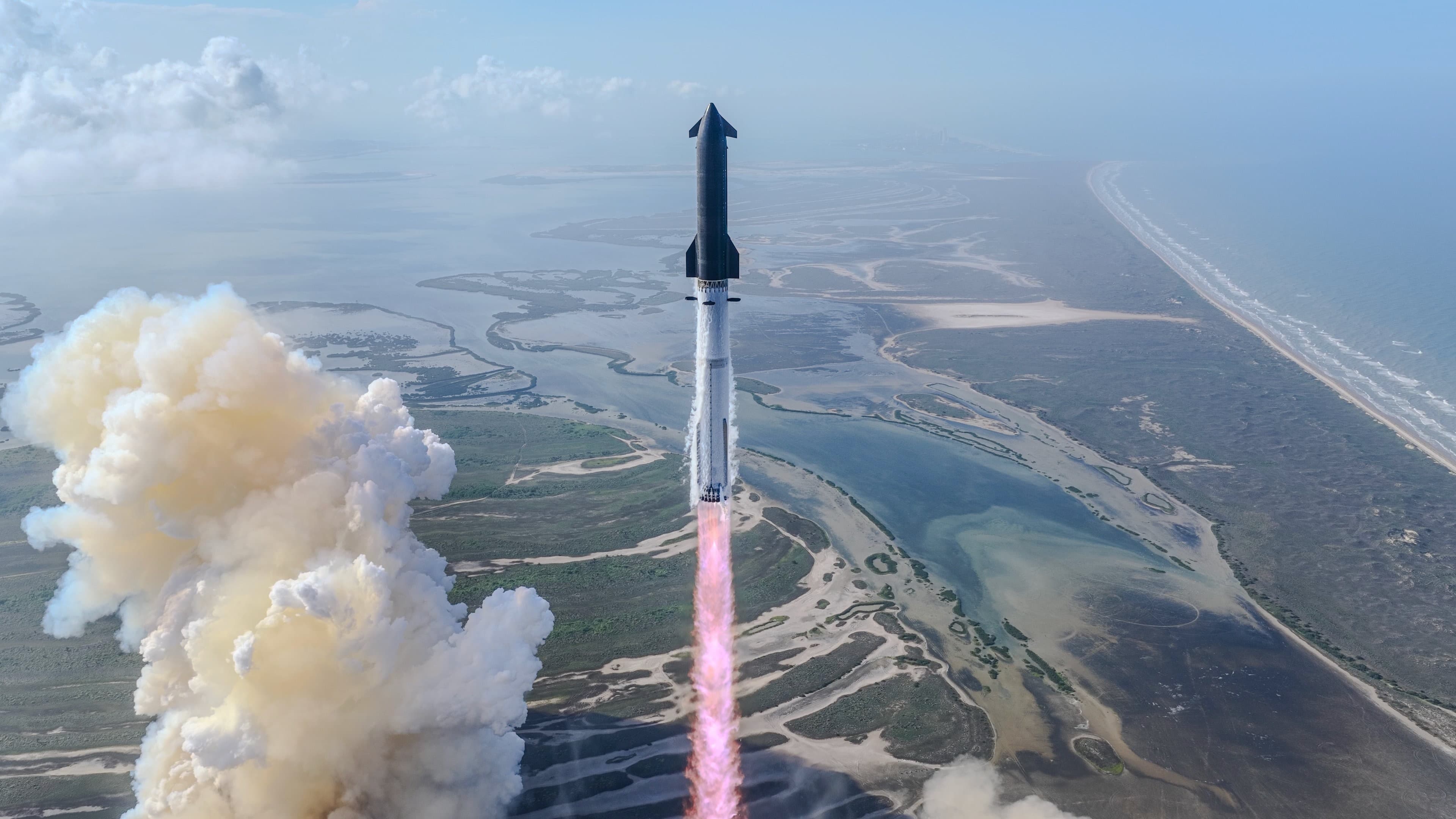
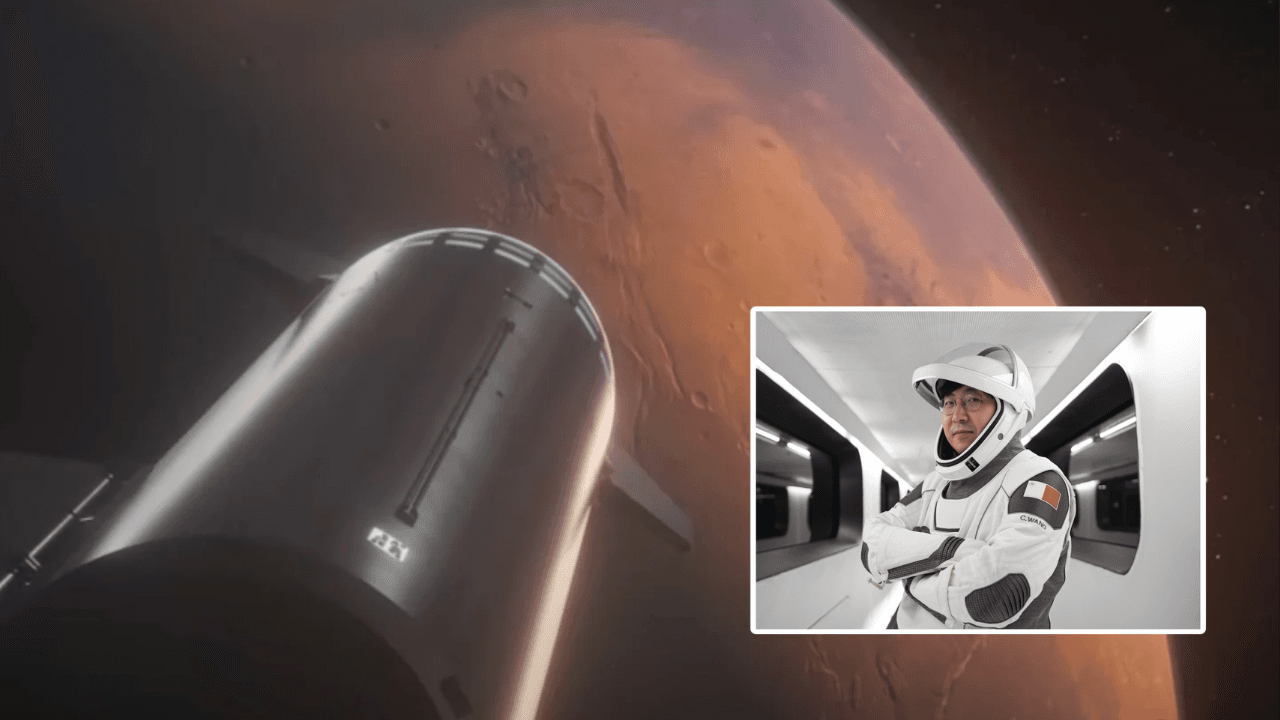
Starship is. The 408-foot vehicle is still in development, built specifically to carry humans to the Moon and, eventually, Mars. Musk has long said he wants to die on Mars. The IPO capital could accelerate that timeline.
SpaceX's development philosophy embraces public failure. The company iterates through flight tests, fixing problems discovered in the air rather than endlessly simulating on the ground. This approach has produced some spectacular explosions and some genuine environmental concerns. It has also produced rapid progress.
What does the SpaceX IPO mean for Musk's wealth?
Musk's net worth crossed $1.1 trillion during the first 20 minutes of trading, making him the first person to reach that threshold. Most of that wealth remains in stock holdings, not cash. A significant selloff would tank the price.
This concentration of wealth has sparked debate. On Musk's end, he posted on X: "Mars beckons, but today we celebrate the hard work of the entire team." Critics point to the unprecedented power a single individual now holds over critical space infrastructure.
How does SpaceX compare to other trillion-dollar companies?
SpaceX isn't the first company to cross a trillion in market cap in 2026. Walmart hit the mark on February 3, and Micron Technology followed on May 26. Apple was the first ever, reaching the milestone in August 2018.
But SpaceX's speed stands out. The 19.2% gain on opening day took it straight past $2 trillion. By June 16, four days after the IPO, the company had already surpassed Amazon with a valuation of $2.7 trillion.
The scale of capital flowing into a private space company represents a shift in how ambitious infrastructure gets funded. Government space agencies used to be the only entities with enough resources to pursue lunar and Martian missions. Now a publicly traded company has more capital than most national space budgets combined.
What are the risks and concerns?
Starship remains unproven for crewed missions. The vehicle has flown test flights with mixed results, and putting humans aboard is years away. SpaceX's stock is priced for a future where everything goes right.
Musk's ambitions also grow with his resources. He recently said he hopes to put up to one million AI satellites in Earth orbit. The environmental and regulatory implications of that density remain unclear.
Online discussions reflect this tension. Some investors celebrate the influx of capital into deep space development. Others worry about a single company, controlled largely by a single person, holding this much influence over humanity's access to space.
What comes next for SpaceX?
The company has said it wants to send "fleets of 1,000 Starships to Mars every 26 months." That's aspirational, not operational. But with $75 billion in fresh capital and a stock price that rewards audacity, SpaceX now has the resources to try.
Near-term milestones include completing Starship's development, winning additional NASA contracts, and scaling Starlink's satellite constellation. Each will test whether the market's confidence is justified.
Details on SpaceX's valuation growth in the days following its IPO
Frequently Asked Questions
What was SpaceX's opening share price in the IPO?
SpaceX opened at $150 per share on Nasdaq on June 12, 2026, and closed that day at $160.95.
How much did SpaceX raise in its IPO?
SpaceX raised $75 billion, making it the largest IPO in history, surpassing Saudi Aramco's previous record.
Is Elon Musk now a trillionaire?
Yes. Musk's net worth exceeded $1.1 trillion during the first 20 minutes of trading on June 12, 2026, making him the first person to reach that threshold.
What is SpaceX's stock ticker symbol?
SpaceX trades on Nasdaq under the ticker symbol SPCX.
Why was Starship projected on a NYC skyscraper?
SpaceX chose Starship to represent its future ambitions, as the vehicle is being developed for crewed missions to the Moon and Mars, rather than the more established Falcon 9.

Logicity's Take
The SpaceX IPO is as much a bet on regulatory tolerance as it is on engineering. A company planning to launch a million satellites and colonize Mars will need permission slips from governments worldwide. Musk's wealth gives him leverage, but it also makes him a target. The next test isn't technical. It's political.
Need Help Implementing This?
Building a business around emerging space tech or deep-tech investments? Logicity covers the infrastructure, capital, and regulatory angles that matter. Subscribe to our newsletter for analysis that cuts through the hype.
Source: Latest from Space.com
Manaal Khan
Tech & Innovation Writer
Produced with AI assistance and reviewed by the Logicity editorial team. Learn more in our Editorial Policy.