Key Takeaways
- SpaceX reached $2.7 trillion valuation, surpassing Amazon to become the fifth-most valuable company globally
- The company added $1 trillion to its market cap in just four trading days since its June 12 IPO
- A $60 billion all-stock acquisition of AI coding startup Cursor triggered Tuesday's 20% stock surge
SpaceX passed Amazon on Tuesday to become the fifth-most valuable company in the world. Its stock climbed 20% on Monday and another 8% in early trading Tuesday, pushing the total valuation past $2.7 trillion. The company has added $1 trillion to its market cap since going public on Friday.
That valuation looks absurd on paper. Amazon turned a $78 billion profit in 2025 on $717 billion in sales. SpaceX lost $4.9 billion on $18.7 billion in revenue. The market is pricing SpaceX at roughly 145 times its annual revenue, a multiple that would make even the frothiest SaaS stocks blush.
Tuesday's jump came after SpaceX announced it is acquiring Cursor, the AI coding startup, in an all-stock deal worth $60 billion. The two companies first revealed a collaboration in April, when Musk acknowledged that his AI company xAI, now folded into SpaceX, "was not built right [the] first time around" and needed rebuilding "from the foundations up."
Why is SpaceX worth more than Amazon?
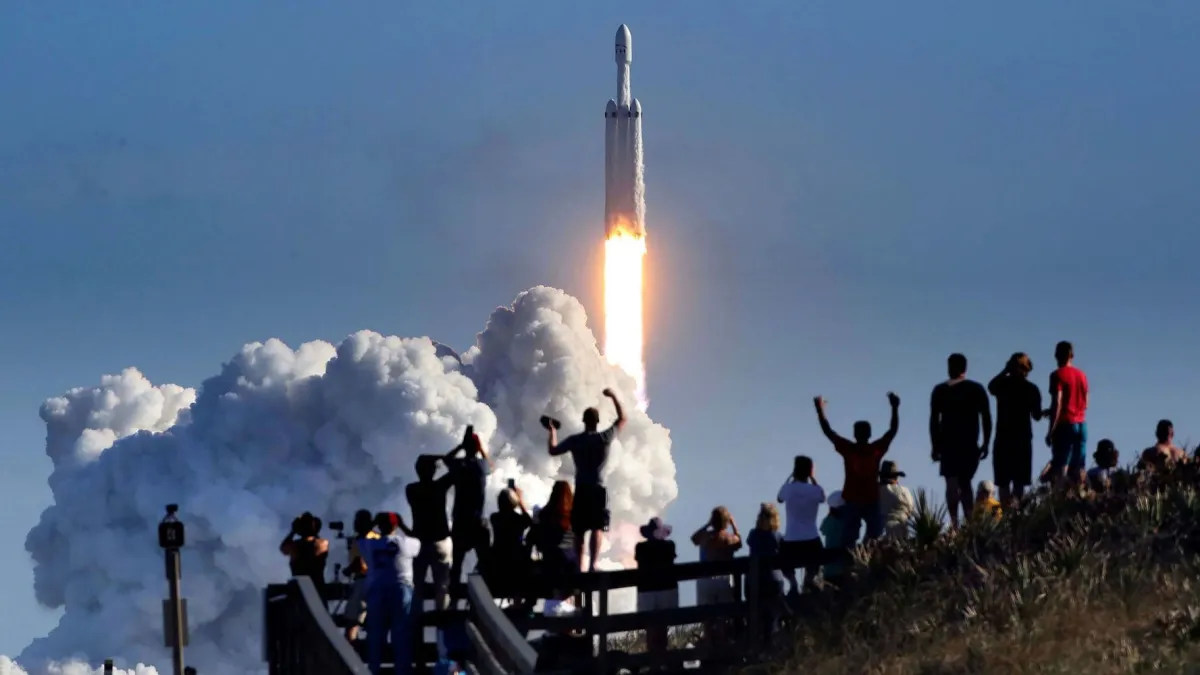
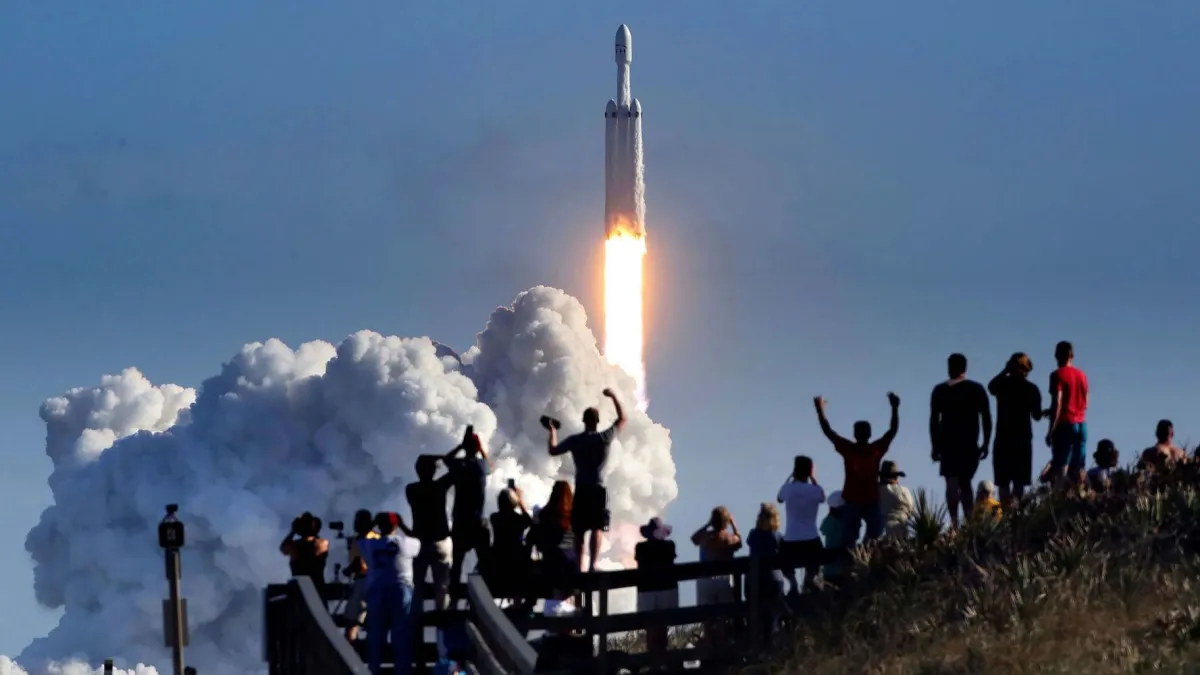
The short answer: investors are betting on what SpaceX will become, not what it is today. The company has recently added new revenue streams through compute leasing deals with Anthropic and Google, positioning itself as infrastructure for AI workloads. With 10,600 active Starlink satellites in orbit, SpaceX controls the most extensive private orbital network ever built.
Musk himself has projected $1 trillion in annual revenue for SpaceX by 2030. That target would require roughly 50x growth in four years. Ambitious, certainly. Impossible? The market seems to think not.
The Cursor acquisition signals a bigger play
Cursor, developed by Anysphere, has become a favorite among developers for its AI-powered code completion. The $60 billion price tag makes it one of the largest acquisitions of a developer tools company in history. For context, Microsoft bought GitHub for $7.5 billion in 2018.
Musk framed the deal as more than a talent acquisition. "This acquisition isn't just about code; it's about building the operating system for the next generation of space and AI intelligence," he said. The integration of Cursor into SpaceX's broader AI infrastructure suggests Musk sees software development itself as a strategic capability, not just a supporting function.
On HackerNews and Reddit, developers are divided on what this means for enterprise software engineering. Some see "vibe coding" becoming a standard workflow. Others worry about concentration of AI tooling under a single company already controlling significant orbital and compute infrastructure.
The IPO structure creates volatility by design
SpaceX's June 12 IPO raised nearly $86 billion, the largest public offering in history. But the company made only about 4% of its total shares available for trading. Experts predicted this thin float would make the stock susceptible to wild swings. Monday and Tuesday proved them right.
The IPO debuted at roughly $1.7 trillion. Four days later, SpaceX is worth $1 trillion more. That gain exceeds the entire market cap of Meta. It happened with minimal new information about the company's fundamentals.
How other AI startups are tackling infrastructure challenges
What does this mean for Musk's net worth?
Musk's estimated net worth has crossed $1.1 trillion, making him the world's first trillionaire. His SpaceX stake accounts for the majority of that figure. Tesla, once his primary wealth driver, has been eclipsed.
The concentration of wealth raises familiar questions about corporate governance and regulatory oversight. Musk now controls the dominant launch provider for NASA, the largest satellite constellation, and a growing AI compute network. All of it trades publicly with a 4% float.
Regulatory trends affecting tech companies
Can the valuation hold?
The bull case rests on three pillars: Starlink's path to profitability, the AI compute partnerships, and the long-term Mars colonization vision. Bears point to the $4.9 billion loss, the 60x revenue multiple, and the thin trading float that amplifies every move.
Community reactions on HackerNews lean skeptical. Many users describe the valuation as an "Elon Musk premium," detached from traditional financial metrics. Others argue that SpaceX's orbital monopoly and AI pivot justify a valuation based on decade-long projections rather than current earnings.
The next earnings report will test whether SpaceX can grow revenue fast enough to make the valuation look less stretched. Until then, the stock will likely continue moving on news flow and sentiment rather than fundamentals.
Logicity's Take
SpaceX's valuation reflects a market willing to pay for optionality on multiple speculative futures simultaneously: AI infrastructure, orbital logistics, interplanetary colonization. The Cursor acquisition suggests Musk views internal software capability as a moat worth $60 billion. Whether that bet pays off depends on execution, not stock price. The real test comes when SpaceX has to show revenue growth matching its valuation, not just press releases matching investor hopes.
Frequently Asked Questions
How much is SpaceX worth in 2026?
SpaceX reached a valuation of $2.7 trillion on June 16, 2026, making it the fifth-most valuable company in the world, surpassing Amazon.
Why did SpaceX stock jump 20% on Monday?
The stock surged following SpaceX's announcement that it would acquire AI coding startup Cursor for $60 billion in an all-stock deal, combined with ongoing momentum from its record-breaking IPO four days earlier.
Is Elon Musk the world's first trillionaire?
Yes. Musk's estimated net worth has reached $1.1 trillion, primarily driven by his SpaceX stake following the company's IPO and subsequent stock gains.
How much did SpaceX raise in its IPO?
SpaceX raised nearly $86 billion in its June 12, 2026 IPO, debuting with a valuation of approximately $1.7 trillion. Only 4% of total shares were made available for public trading.
What is SpaceX's revenue compared to Amazon?
SpaceX reported $18.7 billion in revenue with a $4.9 billion loss in 2025. Amazon reported $717 billion in sales with a $78 billion profit, yet SpaceX now has a higher market valuation.
Need Help Implementing This?
Whether you're navigating public market investments, evaluating AI infrastructure partnerships, or understanding the strategic implications of orbital compute networks, Logicity can connect you with analysts and advisors who specialize in emerging technology sectors. Contact our editorial team for expert introductions.
Source: TechCrunch / Sean O'Kane
Huma Shazia
Senior AI & Tech Writer
Produced with AI assistance and reviewed by the Logicity editorial team. Learn more in our Editorial Policy.




