Key Takeaways
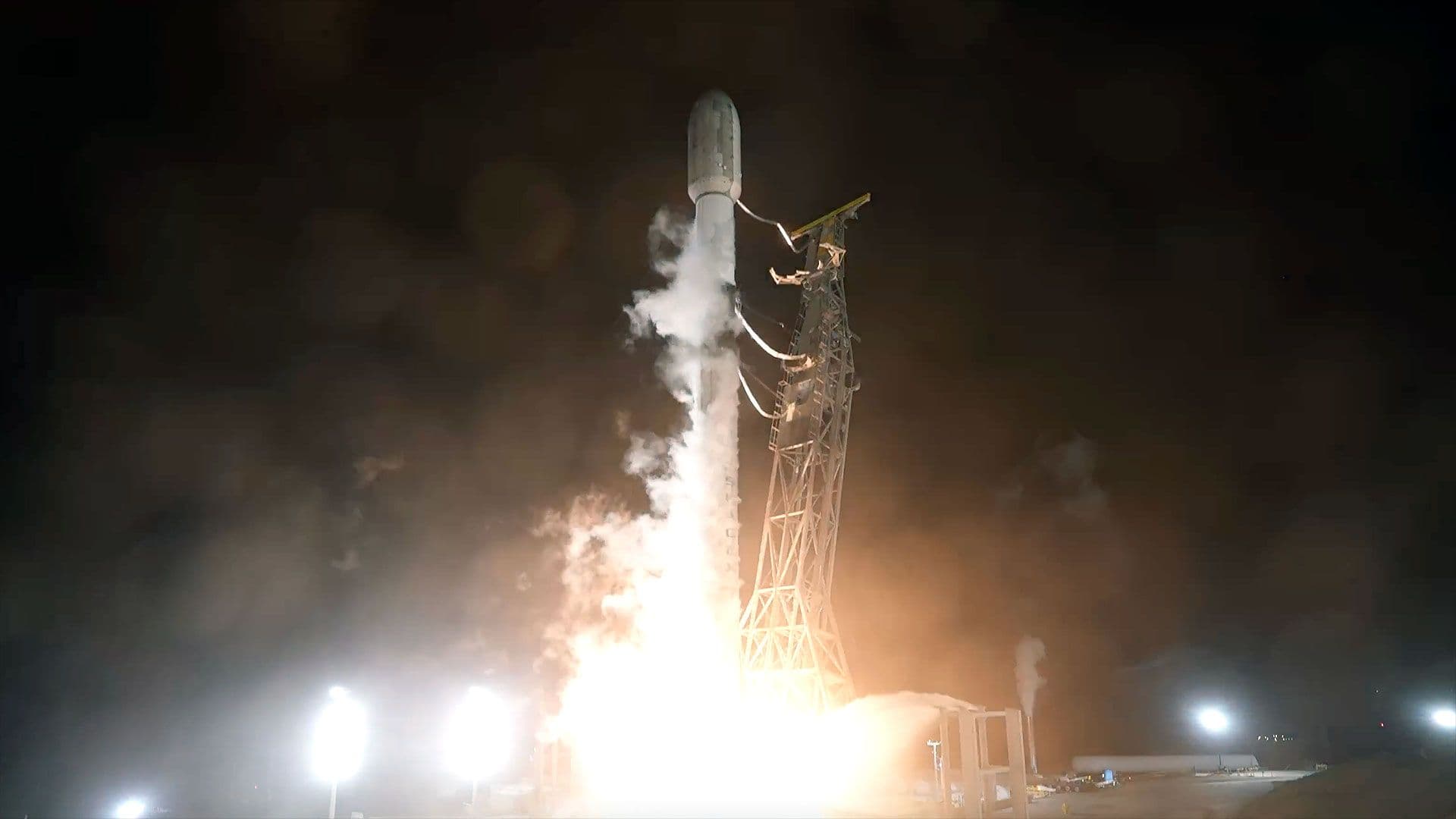
- SpaceX launched NROL-179 from Vandenberg Space Force Base at 4:50 a.m. EDT on June 19
- This marks the 14th mission building the NRO's new 'proliferated architecture' satellite network
- The Falcon 9's first stage landed successfully on its third flight
SpaceX launched another classified payload for U.S. intelligence early Friday, lifting off from Vandenberg Space Force Base in California at 4:50 a.m. EDT. The mission, designated NROL-179, delivered the 14th batch of satellites for the National Reconnaissance Office's expanding spy network.
The NRO, which operates America's fleet of reconnaissance satellites, has stayed quiet about the payload specifics. No orbital details, no spacecraft descriptions, no mission timelines. That silence is standard for an agency whose entire purpose is collecting intelligence others would rather keep hidden.
What is the NRO's 'proliferated architecture'?
The agency calls its new satellite strategy a "proliferated architecture." The concept is straightforward: instead of relying on a handful of large, expensive satellites, spread capabilities across many smaller spacecraft in different orbits. If an adversary disables one, dozens remain.
"A greater number of satellites, large and small, government and commercial, in multiple orbits, will deliver an order of magnitude more signals and images than is available today," NRO officials wrote in the NROL-179 press kit.
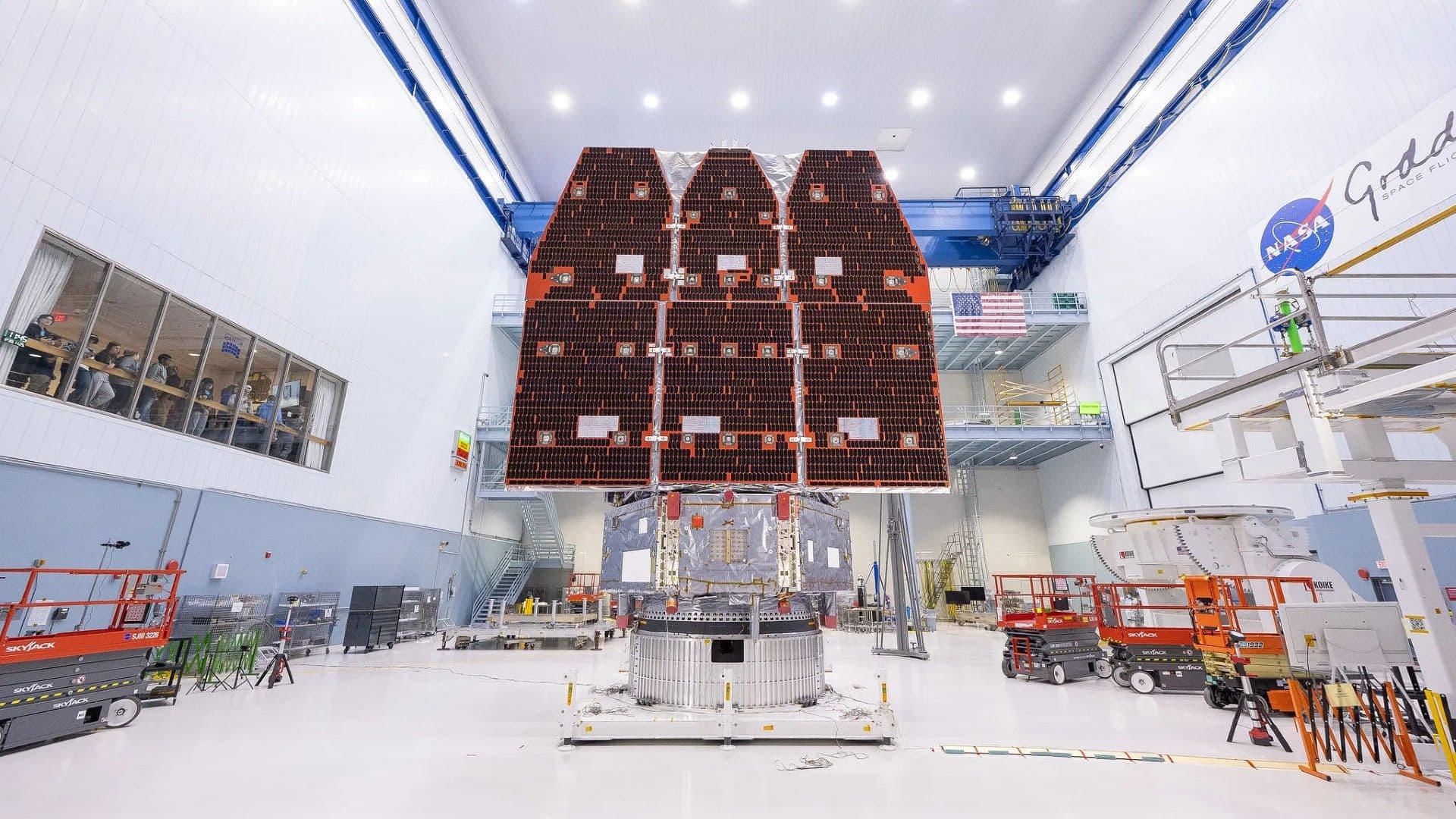
SpaceX and Northrop Grumman build the satellites. The first mission in this series launched in May 2024, and all 14 have flown from Vandenberg on Falcon 9 rockets. The California launch site's position on the central coast makes it ideal for reaching polar and sun-synchronous orbits, the trajectories spy satellites typically need.
Why does the NRO want resilience now?
The press kit language hints at the motivation. The NRO wants to "stay ahead of the competition and ensure it can continue to operate in a heightened threat environment." Translation: China and Russia have demonstrated anti-satellite weapons. A constellation is harder to kill than a single flagship satellite.
The shift also matches commercial trends. SpaceX's Starlink constellation has proven that mass-produced satellites, launched frequently, can deliver capabilities traditional aerospace procurement cannot. The NRO appears to be applying that lesson to intelligence gathering.
The Falcon 9's growing workload
Friday's launch was the 71st Falcon 9 mission of 2026. SpaceX has devoted 57 of those flights to its own Starlink constellation. The remaining 14 have carried government, commercial, and scientific payloads.
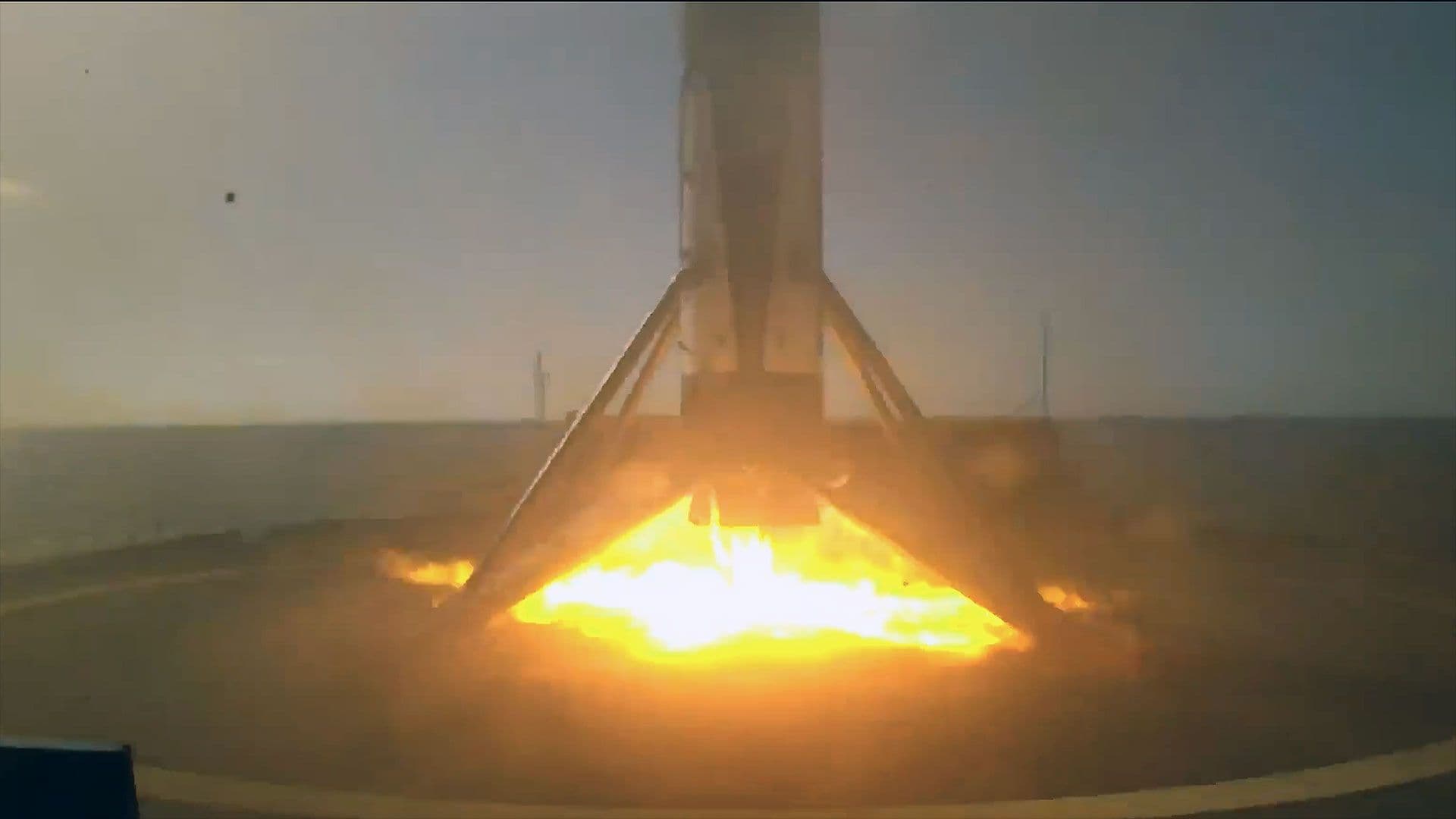
The first stage that flew NROL-179 was on its third flight. About eight minutes after liftoff, it touched down at Vandenberg's Landing Zone 4. Reusability is no longer remarkable for SpaceX. It is the baseline.
The cadence matters for the NRO. Building a constellation of dozens or hundreds of satellites requires a launch provider that can fly monthly, if not weekly. SpaceX is the only company currently operating at that tempo.
What happens next?
Expect more NROL missions from Vandenberg throughout the year. The NRO has not disclosed how many satellites the proliferated architecture will ultimately include, or when it will reach full operational capability. But 14 missions in roughly two years suggests the buildout is moving fast.
The classified nature of these payloads means outside observers can only track the launches, not assess results. Independent satellite trackers sometimes identify orbits after the fact, piecing together trajectories from ground observations. The NRO, predictably, does not confirm or deny their findings.
Frequently Asked Questions
What is NROL-179?
NROL-179 is a classified mission for the National Reconnaissance Office, the U.S. agency that builds and operates spy satellites. It launched June 19, 2026, from Vandenberg Space Force Base on a SpaceX Falcon 9 rocket.
What satellites did SpaceX launch for the NRO?
SpaceX and Northrop Grumman build the satellites for the NRO's 'proliferated architecture' network. The NRO has not disclosed specifics about their capabilities, orbits, or numbers.
Why does the NRO use many small satellites instead of a few large ones?
Spreading capabilities across many satellites makes the network harder to disable. If an adversary destroys one spacecraft, the rest continue operating. The NRO says this approach delivers 'increased resilience' in a 'heightened threat environment.'
How many SpaceX launches has the NRO used for this constellation?
NROL-179 was the 14th mission dedicated to the proliferated architecture, all launched from Vandenberg on Falcon 9 rockets since May 2024.
Logicity's Take
The NRO's partnership with SpaceX signals a permanent shift in how the U.S. builds national security infrastructure. The intelligence community once waited years for bespoke satellites from legacy contractors. Now it books flights on a rocket that launches weekly. The tradeoff is dependence on a single commercial provider. SpaceX's Falcon 9 has no real competitor for high-cadence government launches. That concentration of capability is convenient today but could become a vulnerability if SpaceX faces technical or corporate disruptions.
Need Help Implementing This?
If you're tracking aerospace and defense developments for your organization, Logicity can help you stay ahead of the news. Contact our team for custom briefings on space technology, government contracting, and commercial launch trends.
Source: Latest from Space.com
Manaal Khan
Tech & Innovation Writer
Produced with AI assistance and reviewed by the Logicity editorial team. Learn more in our Editorial Policy.