Key Takeaways
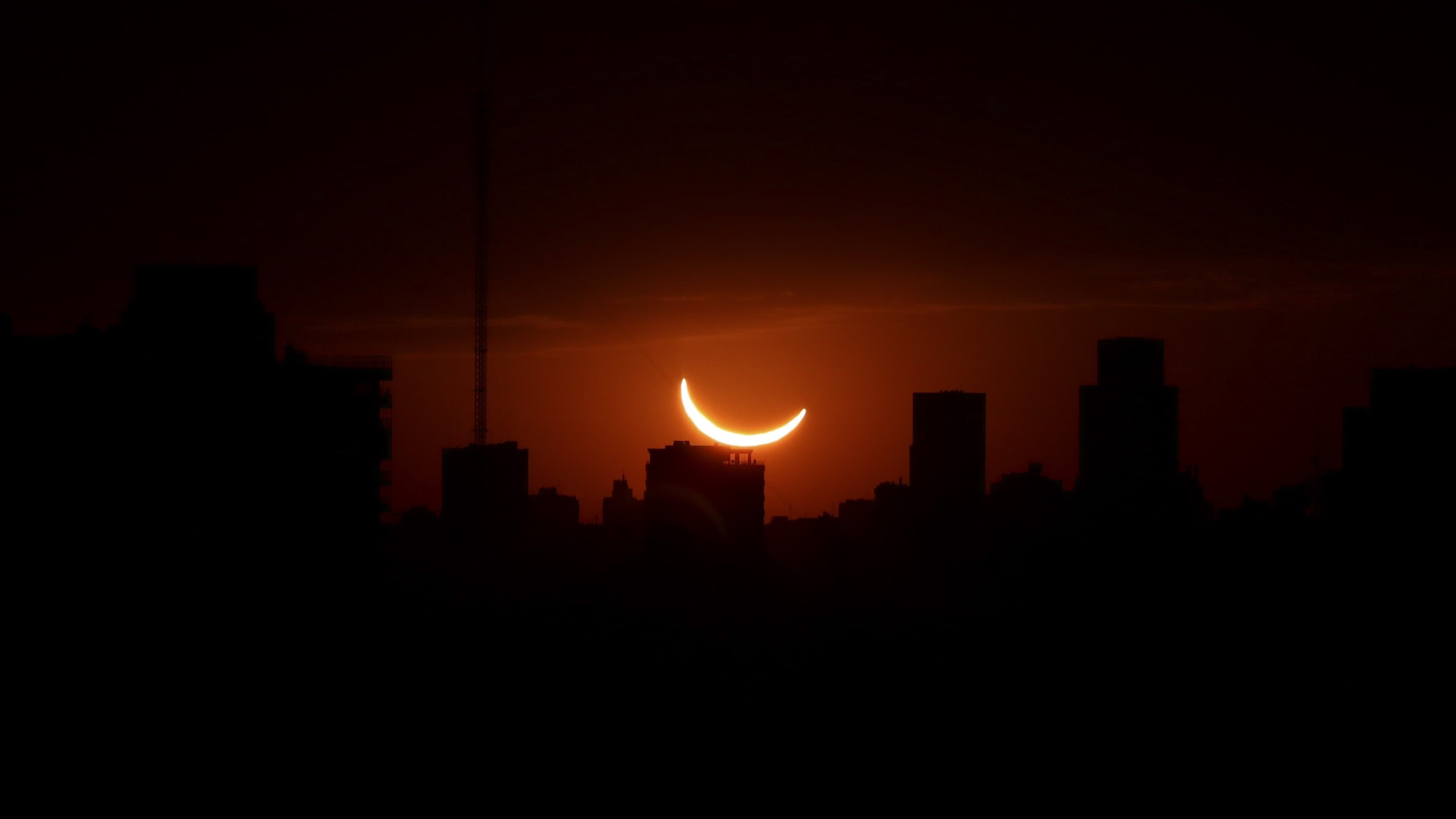
- Spain will see totality just 2 degrees above the horizon, creating a sunset eclipse effect not seen there since 1905.
- Over 20 European countries will witness a partial eclipse at sunset, with Poland seeing 83% coverage.
- Northwest Africa, including Morocco and Tunisia, will also see a partially eclipsed sunset.
Mark your calendars for August 12, 2026. A total solar eclipse will trace a path from eastern Greenland through western Iceland and into northern Spain. For eclipse chasers, this is a rare event. Totality will occur just minutes before sunset along Spain's east coast, placing the eclipsed sun only 2 degrees above the western horizon.
This is the first total solar eclipse visible from mainland Spain since 1905. That 121-year gap makes the 2026 event a once-in-a-century occasion for the region.
Why This Eclipse Is Different
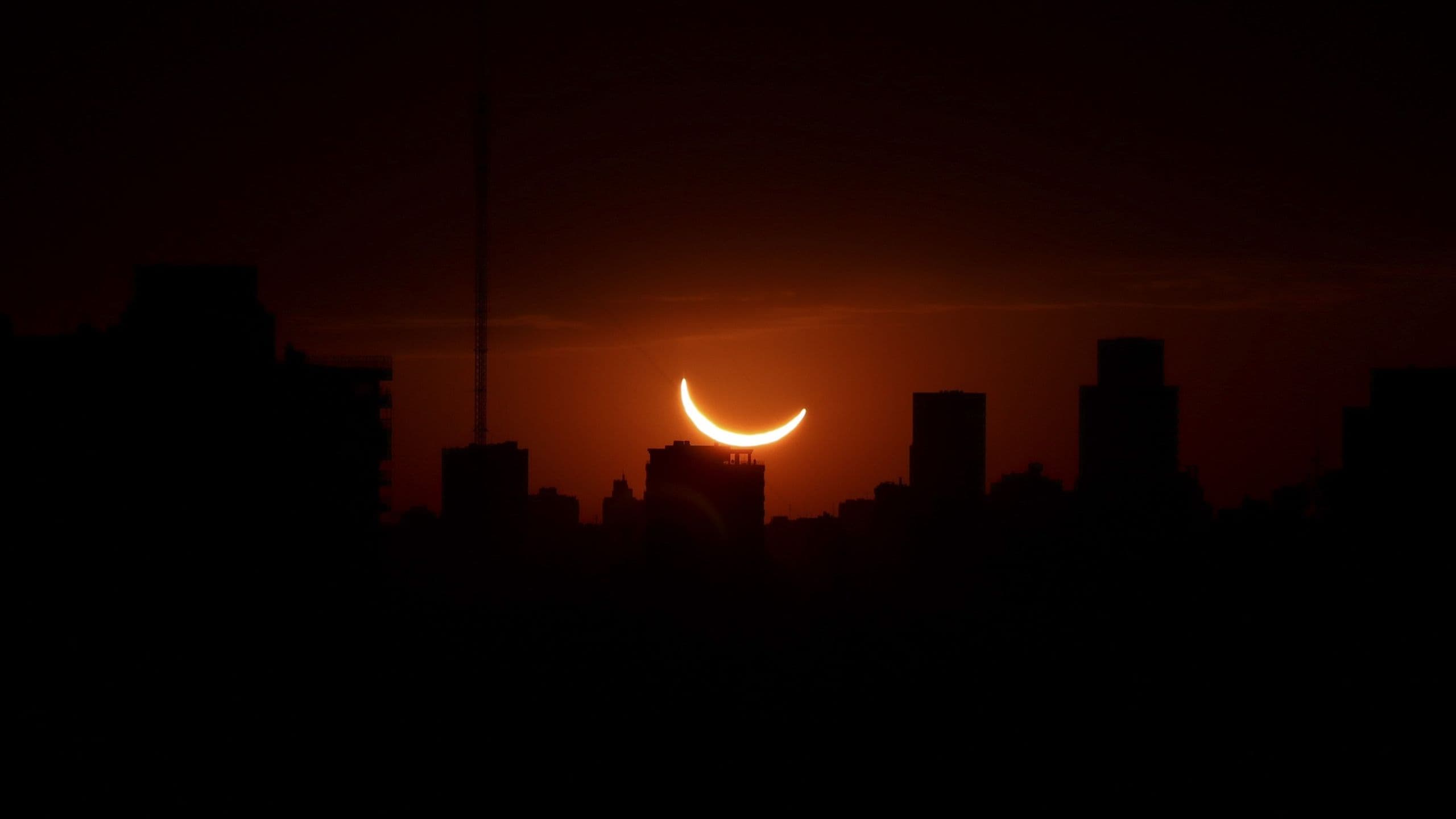
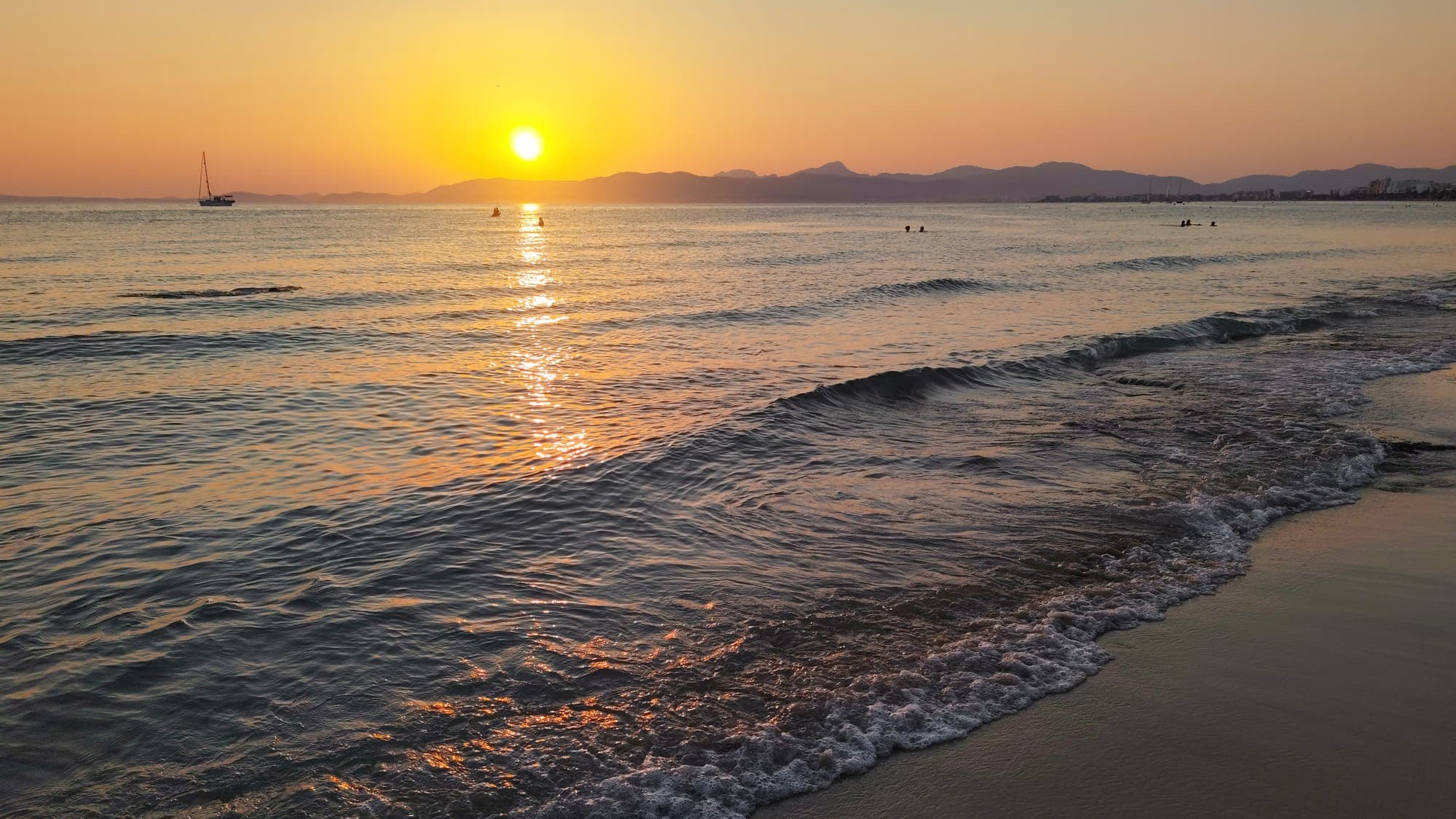
Most total eclipses happen when the sun is high. This one happens at dusk. On Spain's east coast, observers will see the moon's shadow block the sun while it hovers just above the horizon. The solar corona, normally visible only against a dark sky, will blend with the orange and red hues of sunset.
“The 2026 eclipse is set to be one of the most visually dramatic solar events of the decade due to the unique timing at dusk over the Spanish landscape.”
— Eclipse Chaser, International Astronomical Union
The moon's shadow will be approximately 182 miles (293 km) wide as it crosses the Arctic and Europe. That width determines the path of totality, the narrow strip where observers experience complete darkness.
Where to See the Partial Eclipse in Europe
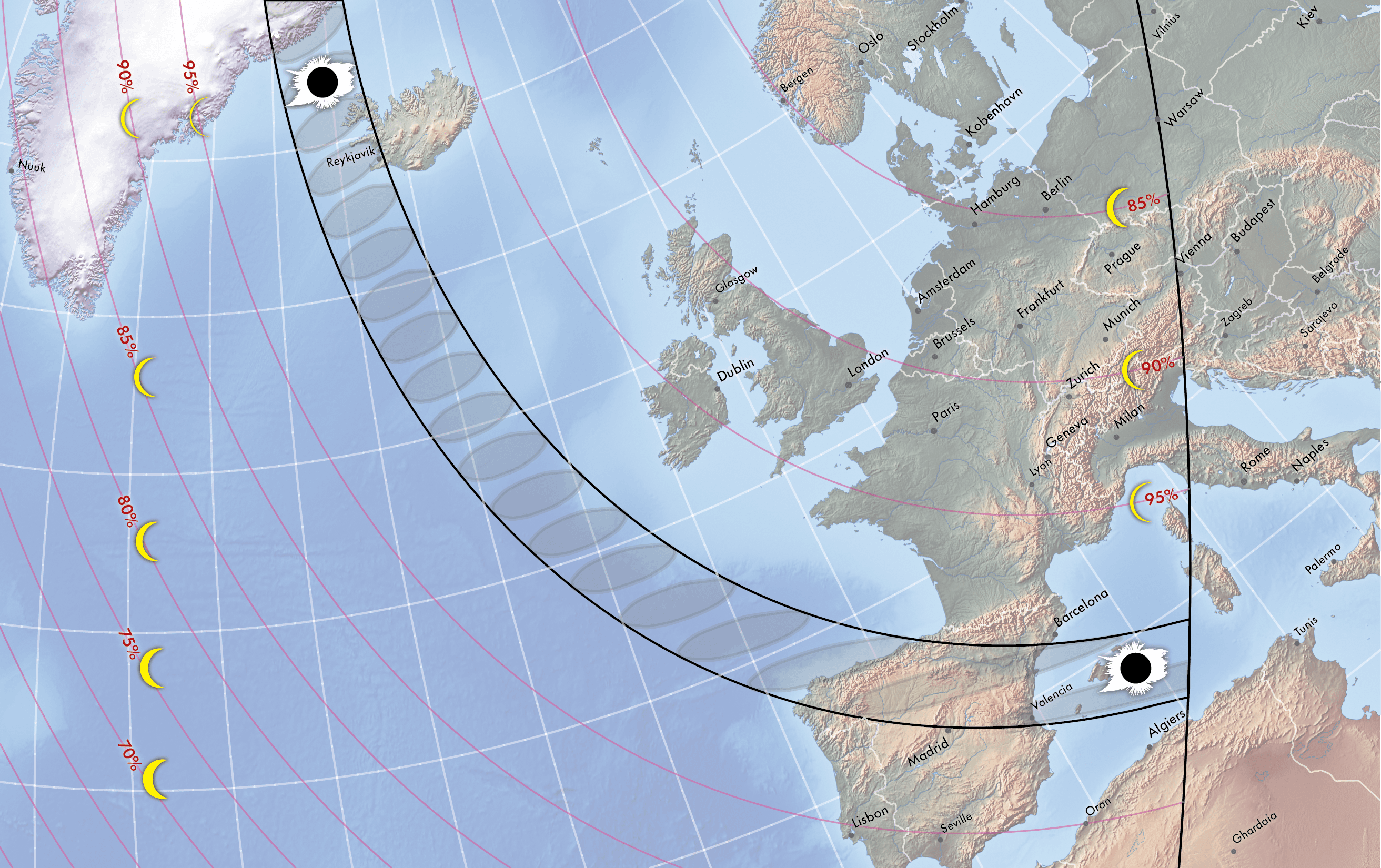
You don't need to be in the path of totality to witness something spectacular. Almost the entire European continent will see a significant partial eclipse. Better yet, many countries will watch a partially eclipsed sun set below the horizon.
In Warsaw, Poland, the sun will be 83% eclipsed at maximum coverage, occurring as it sets. Similar views await observers in France, Belgium, Germany, Finland, Austria, Italy, Croatia, Hungary, Romania, Serbia, and the Baltic states.
- France, Belgium, Germany: Deep partial eclipse at sunset
- Poland: 83% eclipsed at maximum, coinciding with sunset
- Finland, Estonia, Latvia, Lithuania: Partial eclipse visible as sun sets
- Italy, Austria, Hungary, Croatia: Sunset eclipse with high coverage
- Romania, Serbia, Albania, North Macedonia: Similar timing near dusk
Ukraine, Belarus, and parts of western Russia will also see the partial eclipse, though weather and timing vary by location.
Northwest Africa Gets a Sunset Eclipse Too
The eclipse isn't limited to Europe. Morocco, Western Sahara, Mauritania, Algeria, Tunisia, Mali, Senegal, the Gambia, Guinea-Bissau, Guinea, Sierra Leone, Liberia, Ivory Coast, and Burkina Faso will all see a partially eclipsed sunset. For travelers seeking alternatives to crowded European viewing spots, these locations offer similar timing with different logistics.
How to Read an Eclipse Map
Eclipse maps show a black line indicating where the maximum partial eclipse coincides with sunset. If you're on the line, the sun sets at maximum coverage. Just east of the line, the sun sets before the partial eclipse ends. Just west, sunset happens as the eclipse deepens.
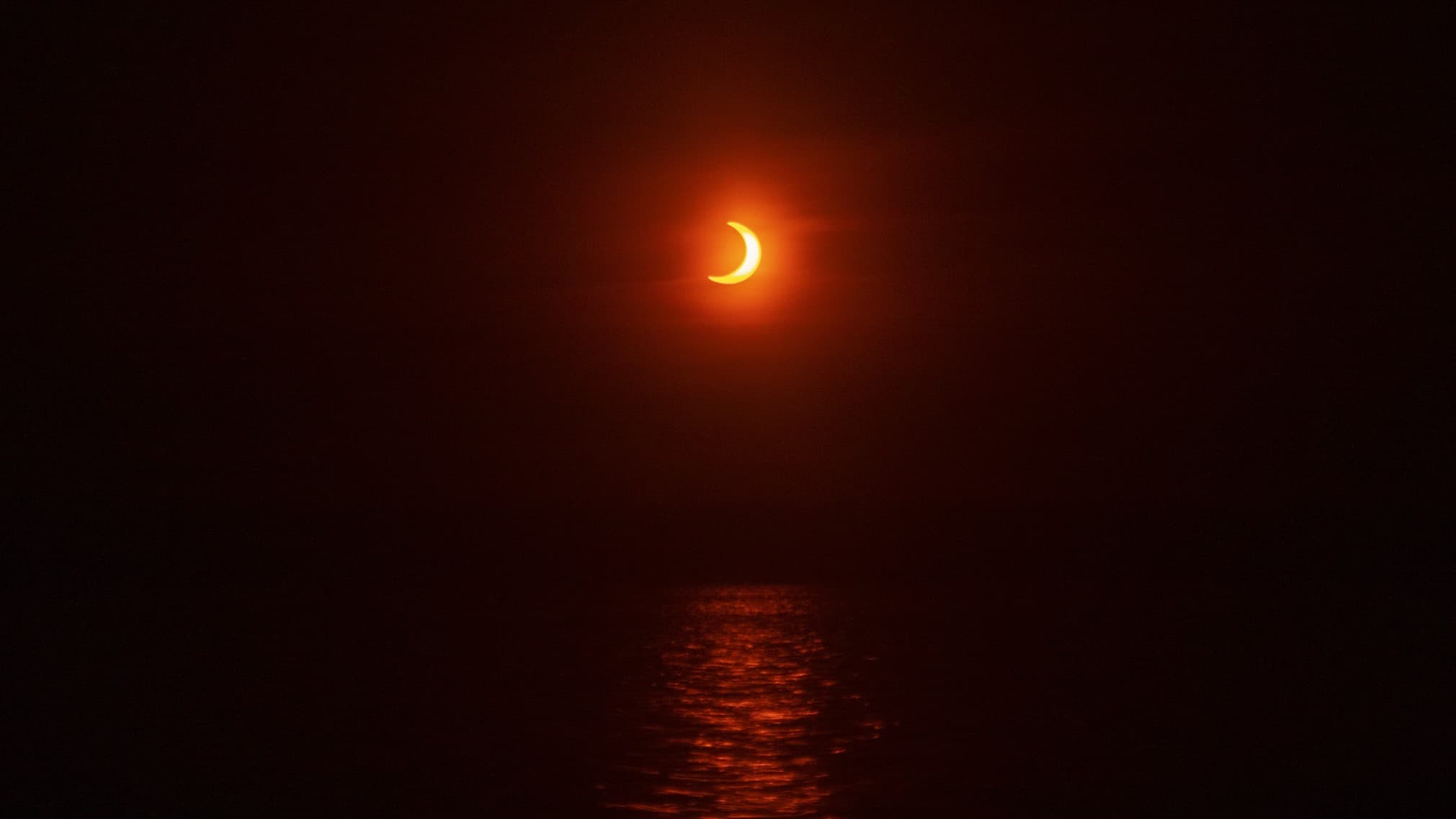
For photographers aiming to capture a deep partial eclipse against a colorful horizon, positioning yourself slightly west of the black line is ideal. Being on the line or just east works too. The margin for error is wider than it is for totality.
Best Viewing Spots in Spain
Spain's east coast, particularly around Mallorca and Valencia, offers the best combination of totality and the sunset effect. The sun will be roughly 2 degrees above the horizon during totality in Mallorca. That extreme low angle creates challenges. Trees, buildings, and even small hills can block the view. Coastal spots with unobstructed western horizons are essential.
Eclipse chaser communities are already planning. On Reddit's r/solareclipse, discussions focus heavily on Spanish logistics. This event is the first of a "triple crown" of major solar events in the region, with significant eclipses also occurring in 2027 and 2028. Accommodation prices in Mallorca and Valencia are expected to surge as August 2026 approaches.
Planning Your Trip
If you're considering travel, book early. Spain in August is already peak tourist season. Add a rare astronomical event and hotel availability will tighten fast. Alternatives like Iceland or Greenland offer totality earlier in the eclipse path, when the sun is higher. They trade the sunset effect for potentially clearer viewing angles and fewer crowds.
- Spain (Mallorca, Valencia): Sunset totality, extreme low sun angle, peak crowds expected
- Iceland: Totality with higher sun, cooler weather, fewer tourists
- Greenland: Remote access, excellent visibility conditions possible
Safety Reminder
Even during a partial or sunset eclipse, looking directly at the sun without proper eye protection can cause permanent damage. Eclipse glasses or solar filters are mandatory for any viewing before and after totality. Only during the brief totality phase, when the sun is completely blocked, is it safe to view without protection.

Logicity's Take
Frequently Asked Questions
When is the 2026 total solar eclipse?
August 12, 2026. Totality occurs in late afternoon and evening across Greenland, Iceland, and Spain.
Where is the best place to see the 2026 eclipse?
Spain's east coast (Mallorca, Valencia) offers totality at sunset. Iceland and Greenland provide totality earlier in the path with higher sun angles.
Can I see the 2026 eclipse from the UK?
The UK will see a partial eclipse, but not totality. Coverage will be significant, and sunset timing varies by location.
How long will totality last in Spain?
Totality duration varies by location but will be relatively short compared to some other eclipses, lasting around 1-2 minutes in most spots along the path.
Do I need special glasses for a sunset eclipse?
Yes. Even when the sun is low on the horizon, direct viewing without eclipse glasses or solar filters can cause permanent eye damage. Only during totality is unprotected viewing safe.
Need Help Implementing This?
Source: Latest from Space.com
Manaal Khan
Tech & Innovation Writer
Produced with AI assistance and reviewed by the Logicity editorial team. Learn more in our Editorial Policy.