Key Takeaways
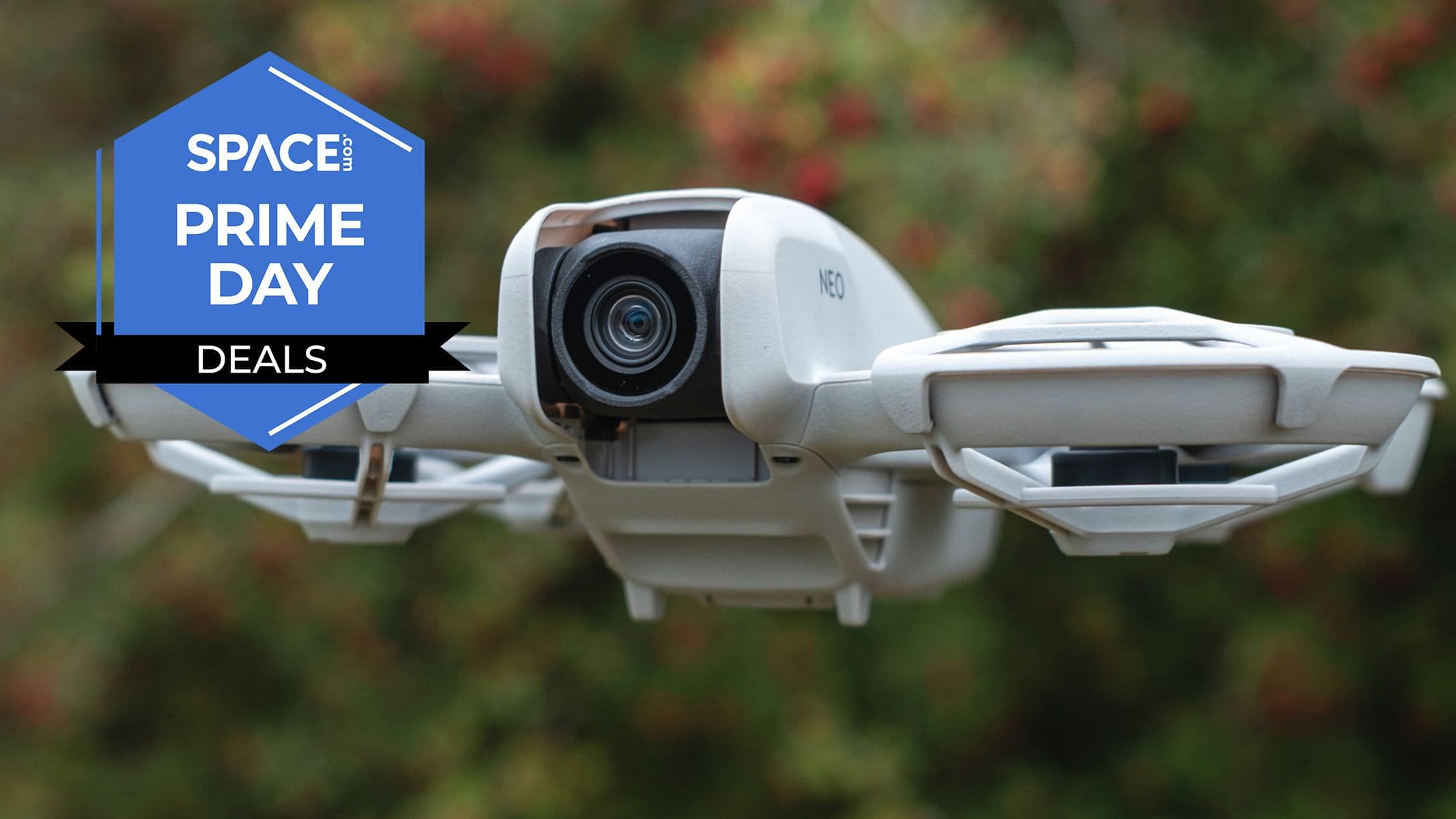
- DJI Neo is discounted to $169 from $199, a 15% price cut ahead of Amazon Prime Day 2026
- At 135g, the drone falls under the 250g FAA threshold, meaning no registration required for recreational use
- The Neo 2 has launched, so once current Neo stock sells out, this price point disappears
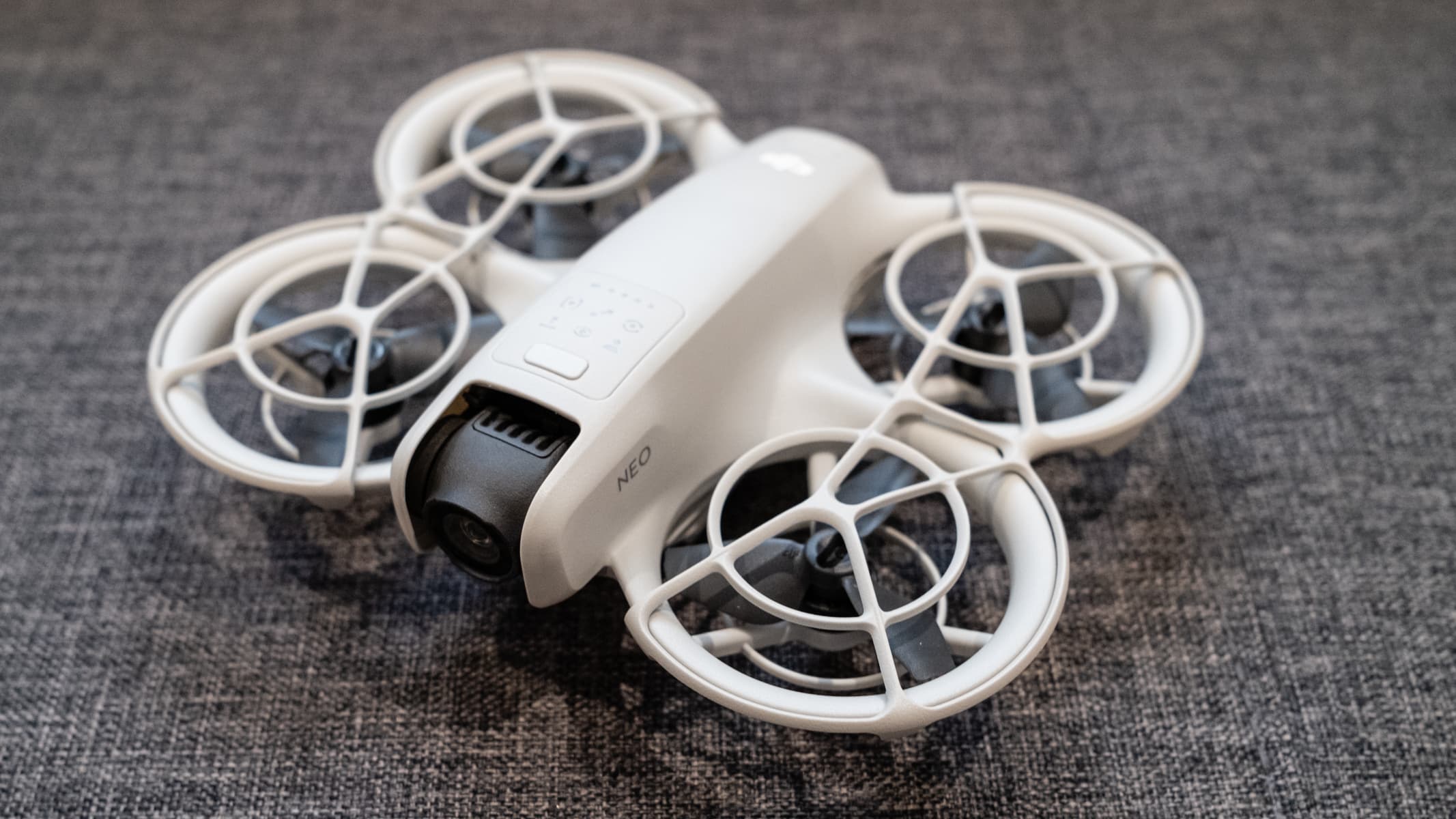
The DJI Neo, a 135-gram beginner drone that shoots 4K video and doesn't require FAA registration, is on sale for $169 at Amazon. That's $30 off its usual $199 price, and the deal is live now before Prime Day 2026 kicks off tomorrow.
For first-time drone buyers, the Neo hits a sweet spot: cheap enough to be an impulse buy, capable enough to produce footage worth posting. James Abbott, a drone and photography expert at Space.com, awarded it four stars and called it "incredibly easy to use and fun." TechRadar and Tom's Guide gave it similar marks.
Why the 250g threshold matters
In the US, the FAA requires recreational drone operators to register any aircraft weighing 250 grams or more. The DJI Neo weighs 135g, roughly half that limit. You can fly it without paperwork, without fees, and without worrying about the registration database. The same sub-250g exemption applies in the UK under CAA rules and across much of Europe.
This regulatory loophole has shaped DJI's entire consumer lineup. The company, which controls roughly 70% of the global consumer drone market from its Shenzhen headquarters, has pushed hard into the sub-250g category. The Neo sits at the entry-level end; the Mini series targets users who want better cameras without the registration hassle.
What the $169 gets you
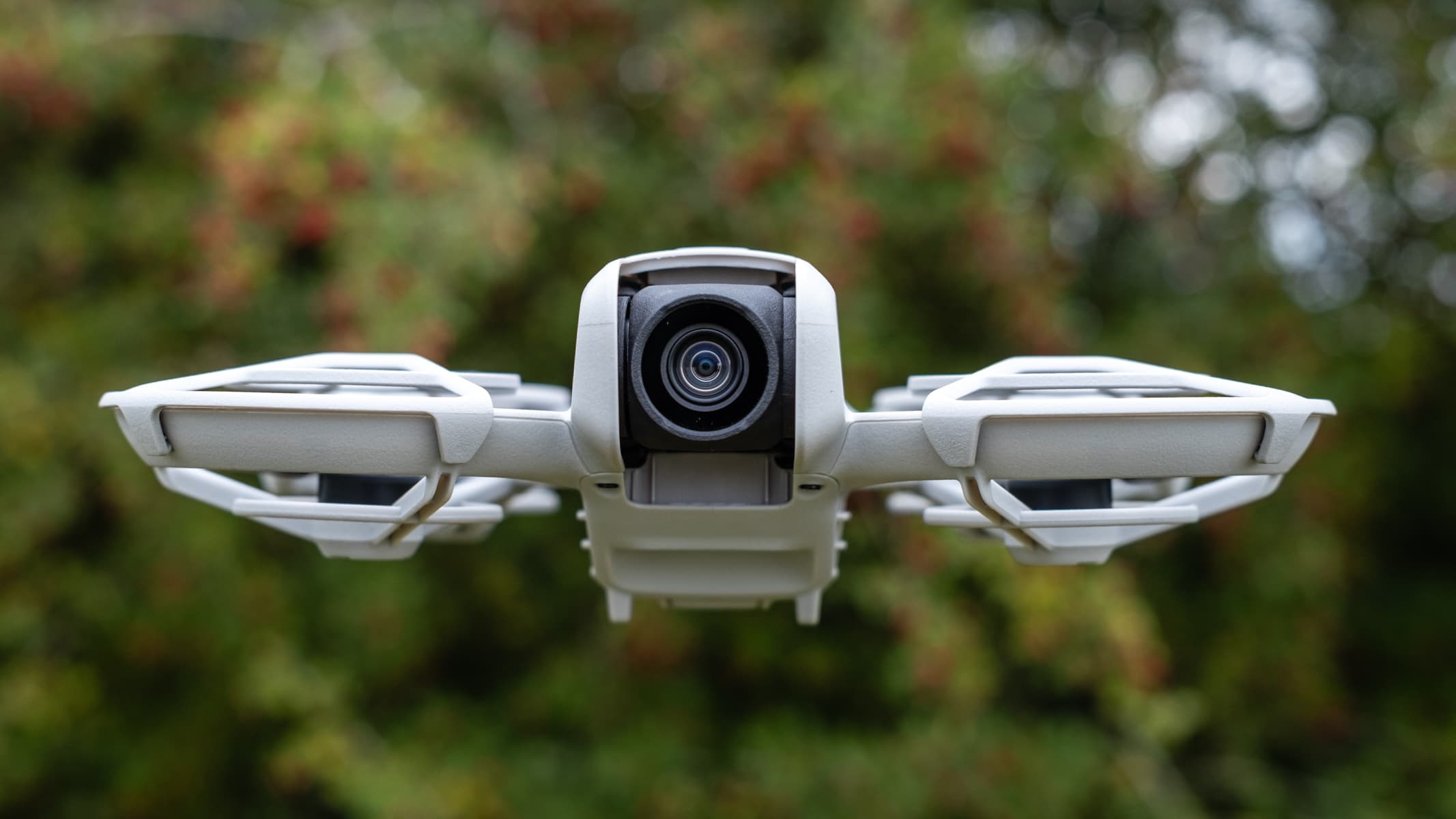
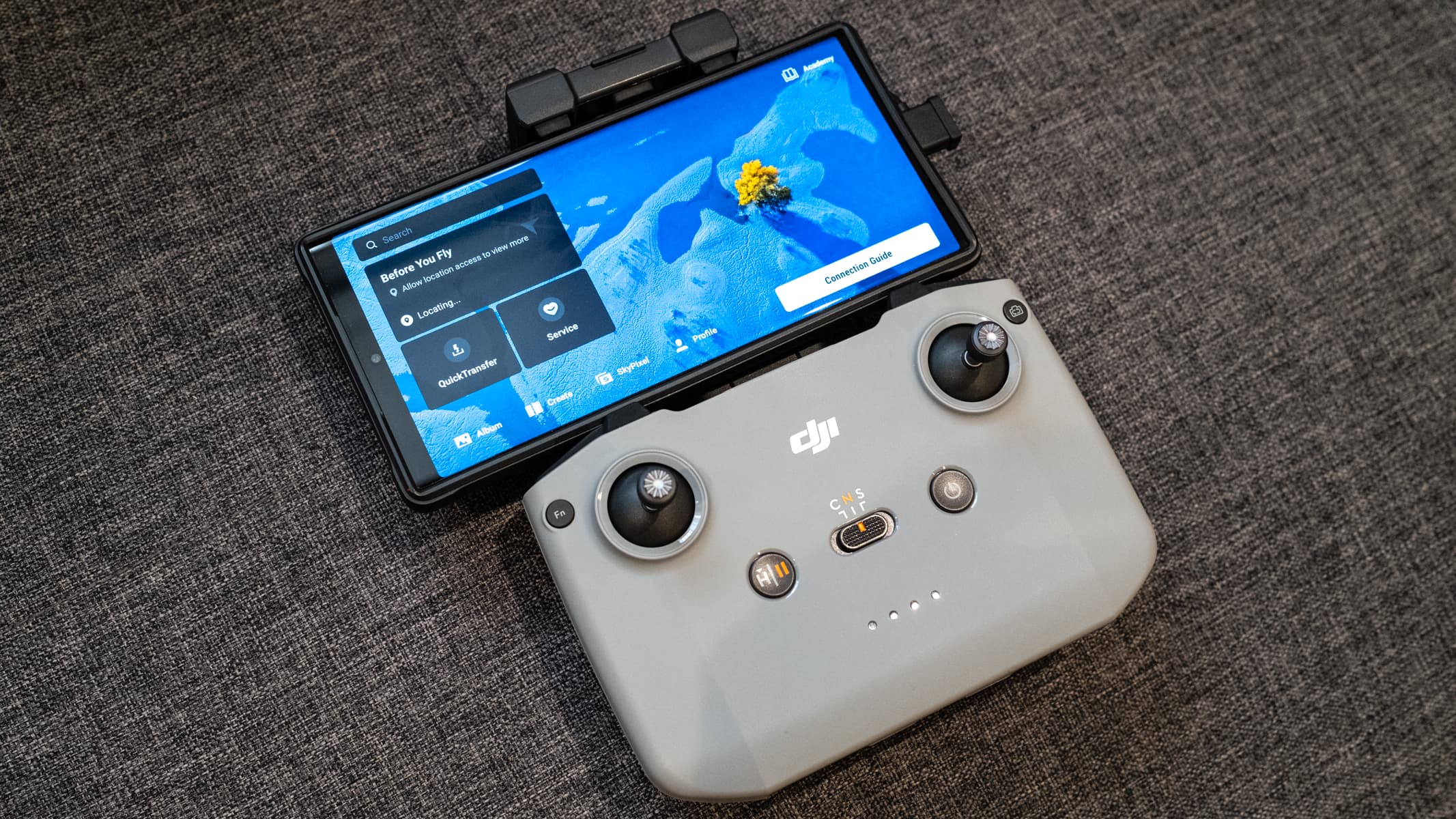
The box includes the drone, a charger, a screwdriver, and spare propellers. You fly it through the DJI Fly app on your phone. No separate controller is required, though DJI sells one if you want physical sticks.
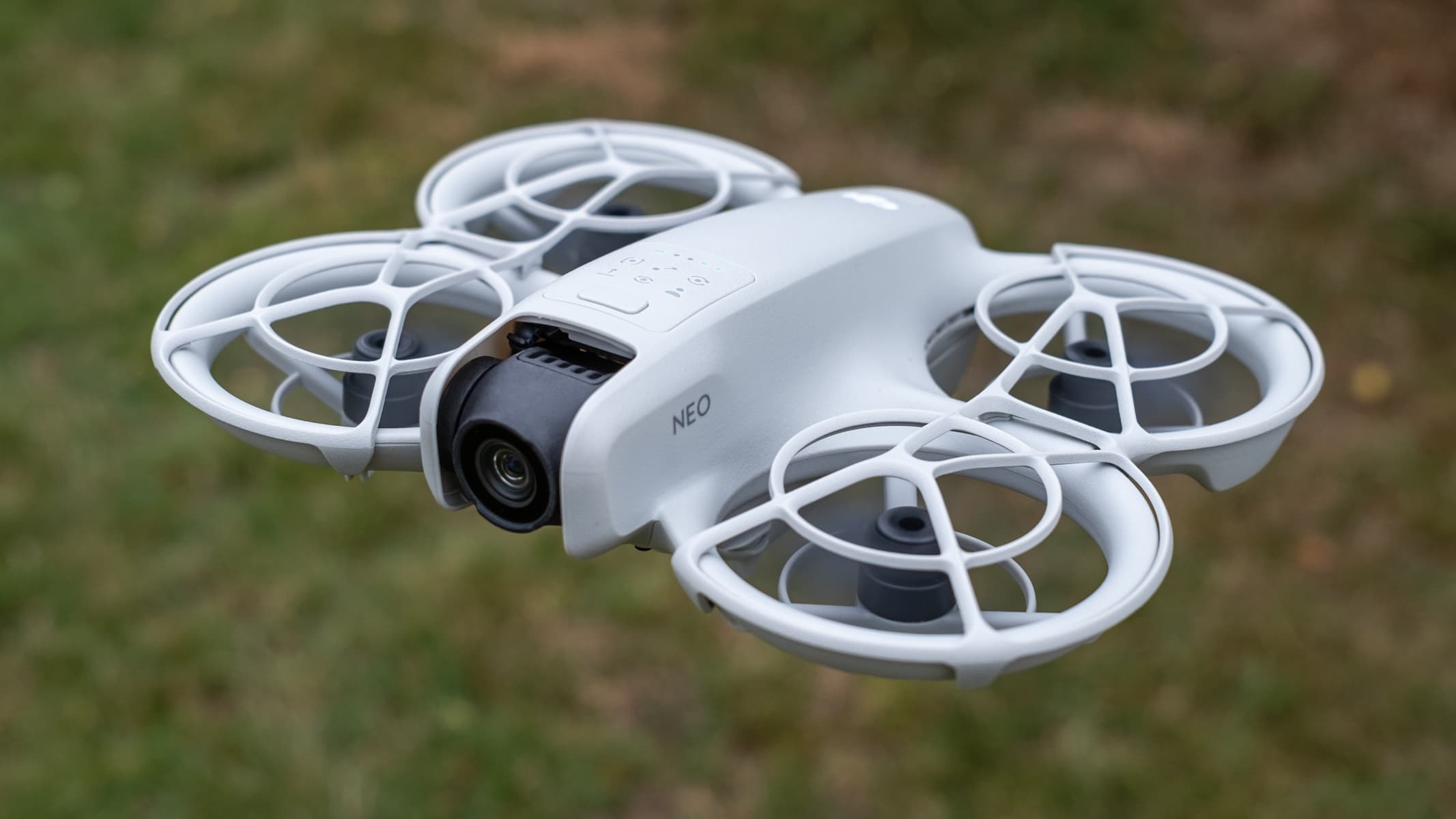
The Neo records 4K video at 30 frames per second or 1080p at 60fps. Its 12-megapixel 1/2-inch sensor captures stills. The 117.6-degree field of view is wide enough for landscape shots but not fisheye-distorted. Battery life runs about 18 minutes per charge.
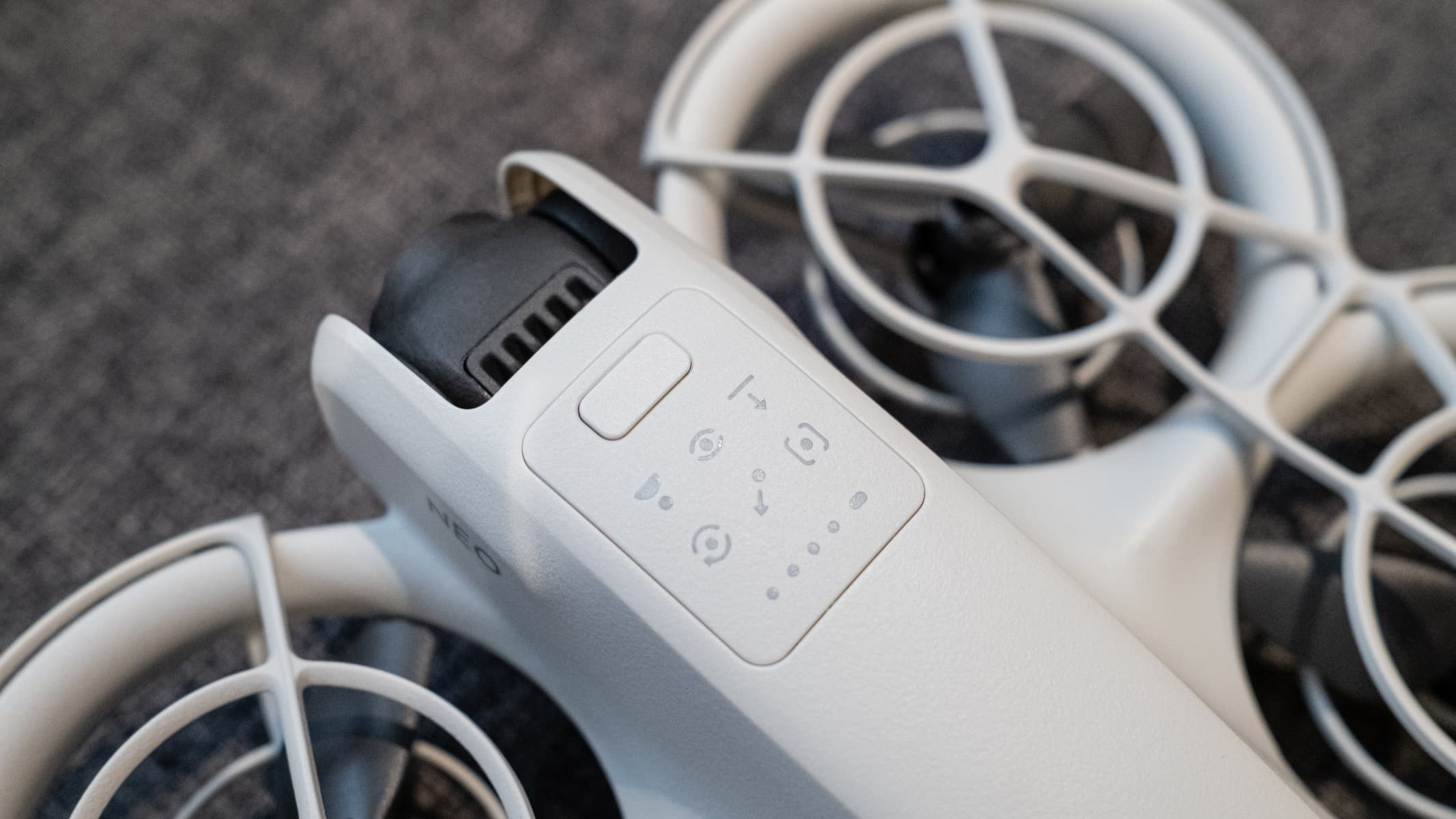
Autonomous flight modes let the Neo track a subject or fly preset patterns without constant joystick input. A return-to-home function brings it back if you lose visual contact or the battery runs low. These are features that used to cost $500 or more.
The catch: no MicroSD slot
The Neo stores footage internally and transfers it to your phone via the app. There's no MicroSD card slot. If you plan to shoot hours of video per session, this becomes a bottleneck. DJI's Mini 4K, priced higher, solves that problem with expandable storage.
For casual users who want to grab a few clips per outing and share them immediately, the internal storage works fine. For serious videographers, it's a dealbreaker.
Why this deal matters now
DJI released the Neo in September 2024. The Neo 2 has since launched. That means the original Neo is being cleared out. Space.com notes the price has dropped to $159 before, but once inventory sells through, this model disappears from Amazon entirely.
Prime Day 2026 runs through June 26. Historically, DJI products see their steepest discounts during this window. If Amazon drops the Neo further in the next 48 hours, this $169 price becomes the floor, not the ceiling.
“The DJI Neo is beginner-friendly but with enough features that you won't grow out of it easily.”
— James Abbott, Space.com
Who should buy the DJI Neo?
The Neo makes sense for three groups. First, absolute beginners who want to learn drone flight without risking an expensive machine. Second, content creators who need a pocket-sized drone for travel vlogging. Third, parents buying a first drone for teenagers. It flies out of the box, doesn't require government registration, and costs less than most video games.
Professional videographers and experienced pilots should look elsewhere. The Neo's sensor and stabilization can't match DJI's Air or Mavic lines. But for $169, it isn't trying to.
Frequently Asked Questions
Do I need to register the DJI Neo with the FAA?
No. The Neo weighs 135g, which falls under the FAA's 250g registration threshold for recreational drones. You can fly it without registration in the US.
How long does the DJI Neo battery last?
DJI rates the Neo at 18 minutes of flight time per charge. Real-world use in windy conditions may reduce that.
Can I add a MicroSD card to the DJI Neo?
No. The Neo uses internal storage only and transfers footage to your phone via the DJI Fly app. If you need expandable storage, consider the DJI Mini 4K.
What video quality does the DJI Neo record?
The Neo shoots 4K video at 30fps or 1080p at 60fps using a 12MP 1/2-inch sensor with a 117.6-degree field of view.
Is the DJI Neo being discontinued?
DJI has released the Neo 2, so the original Neo is being phased out. Once Amazon's current stock sells, this model likely won't be restocked.
Logicity's Take
The DJI Neo represents a deliberate strategy: build a drone so cheap and easy that it becomes a gateway product. DJI knows most Neo buyers will eventually want better cameras, longer flight times, and obstacle avoidance. Those upgrades cost $400 to $1,500. At $169, the Neo isn't a profit center. It's a customer acquisition tool. For buyers, that calculus works in your favor. You get a capable drone at near-cost pricing because DJI is betting on your future upgrade.
Need Help Implementing This?
Logicity covers the tech and tools shaping how businesses operate. Subscribe to our newsletter for deals, analysis, and product breakdowns delivered to your inbox.
Source: Latest from Space.com
Huma Shazia
Senior AI & Tech Writer
Produced with AI assistance and reviewed by the Logicity editorial team. Learn more in our Editorial Policy.