Key Takeaways
- The new moon occurs at 10:54 p.m. EDT on June 14, creating moonlight-free viewing conditions
- Venus, Jupiter, and Mercury form a diagonal line above the western horizon at sunset
- Mercury reaches greatest eastern elongation on June 15, its best evening visibility of 2026
June's new moon arrives on June 14, 2026, bringing a window of dark nights ideal for spotting three planets clustered above the western horizon. Venus, Jupiter, and Mercury will form a crooked diagonal line in the twilight sky, with Mercury putting on one of its best evening shows of the year.
The new moon phase occurs at 10:54 p.m. EDT on June 14 (0254 GMT on June 15). At this moment, the lunar disk passes between the sun and Earth, leaving the nights before and after free of moonlight interference.
The Three-Planet Show
Look to the western horizon at sunset on June 14 to find Venus shining about three degrees above Jupiter. The two gas giants will still be close from their June 9 conjunction, when they approached within 1.5 degrees of each other. Stargazing communities have nicknamed that event the "Cosmic Kiss."
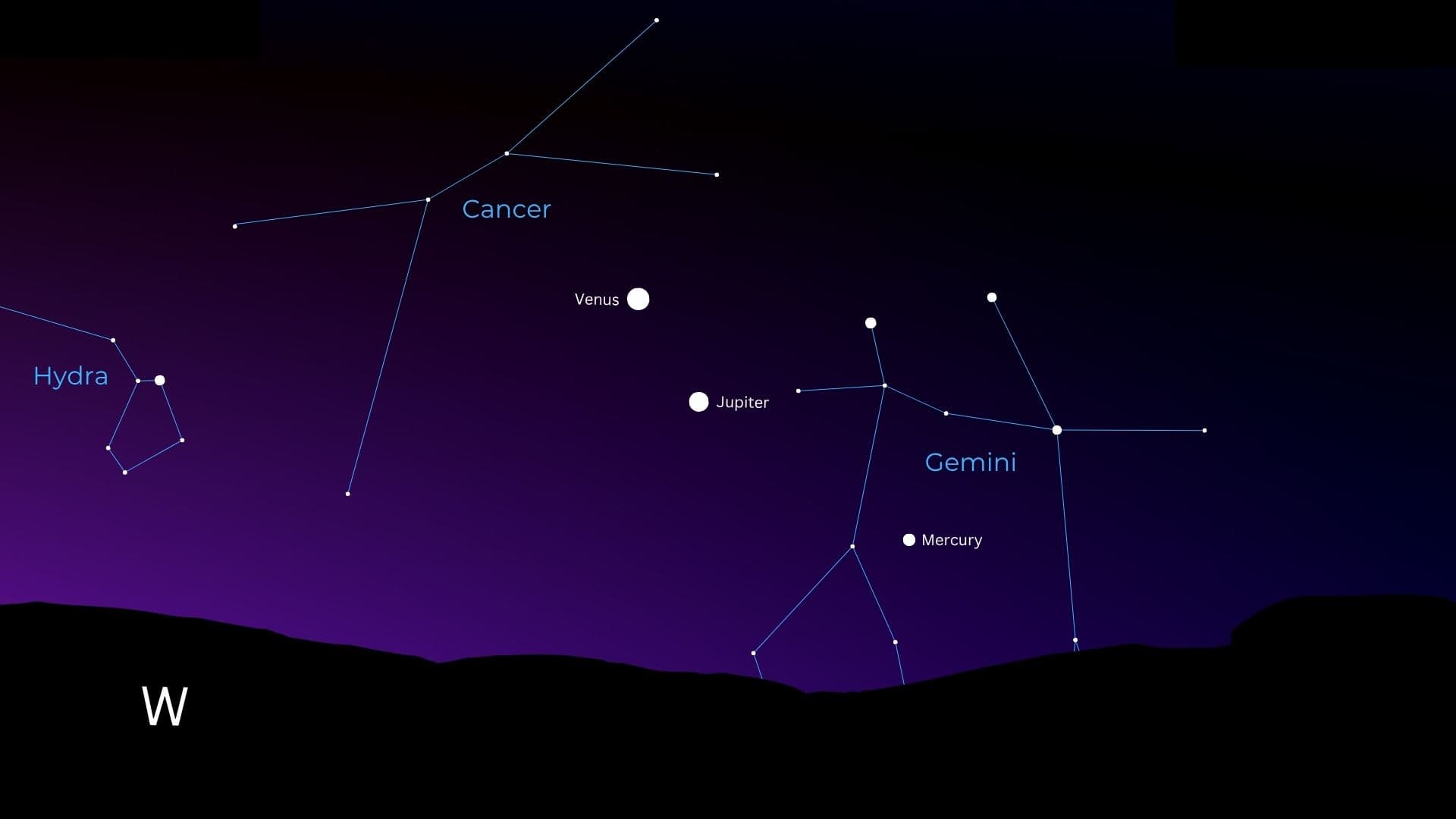
Mercury sits to the lower right of Jupiter, separated by roughly 10 degrees. That's about the width of a clenched fist held at arm's length against the sky. Together, the three planets create a striking lineup that's easy to spot with the naked eye.
Mercury reaches its point of greatest eastern elongation on June 15, just one day after the new moon. This is when the planet appears farthest from the sun in the evening sky, making it easier to spot before it sets. Still, you'll need a clear western horizon. Mercury dips below the horizon less than two hours after sunset.
“This rare alignment offers a perfect opportunity for both casual stargazers and astrophotographers to capture a dynamic display of our solar system's inner workings.”
— Dr. Sarah Aris, Senior Astronomer at the International Stargazing Society
Morning Planets: Mars and Saturn
Early risers get their own planetary views. Mars glows red less than 10 degrees above the eastern horizon in the predawn hours around the new moon phase. Saturn shines higher to the east, positioned among the stars of Pisces.
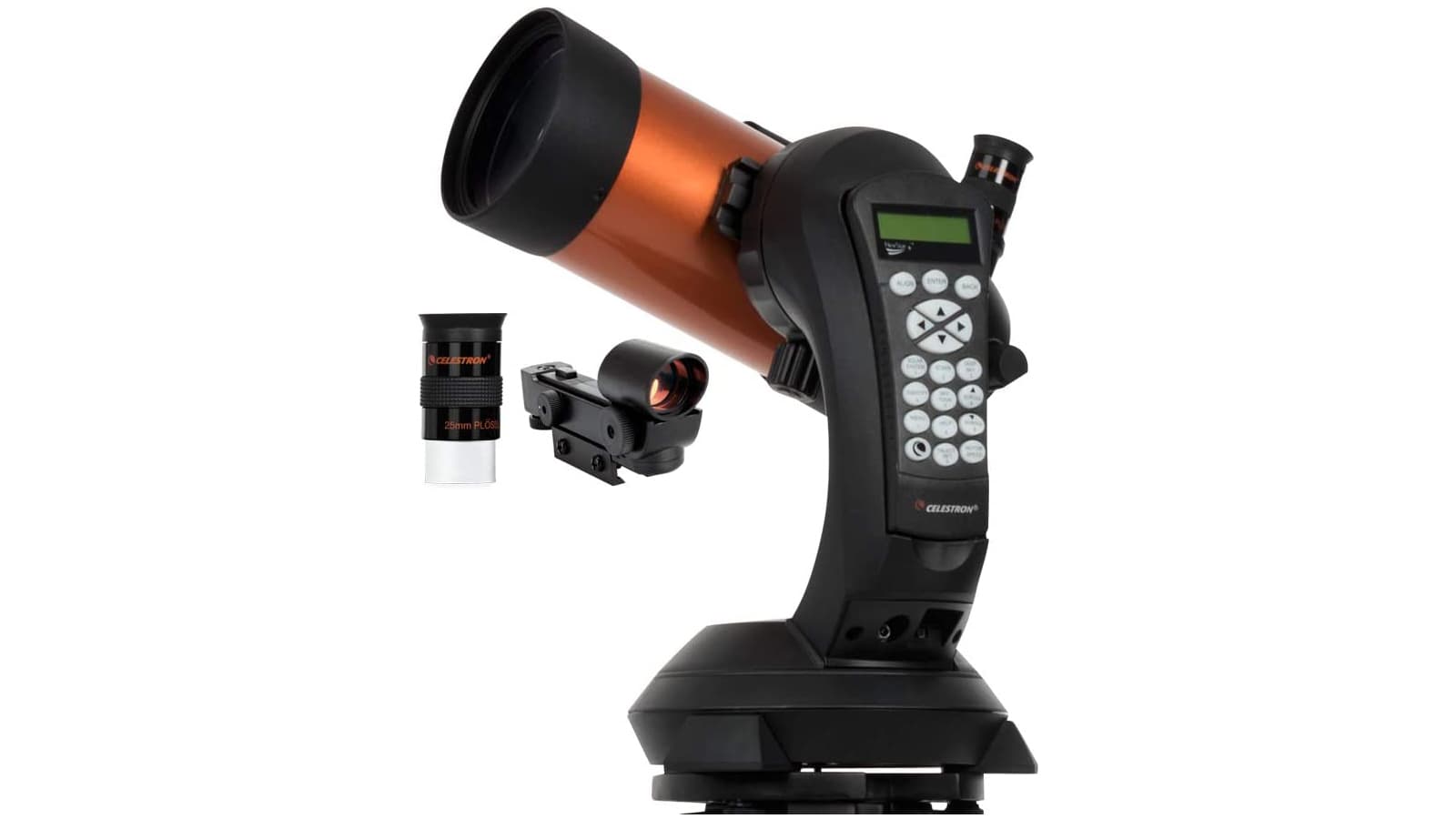
Neptune also lurks in the morning sky, sitting about 10 degrees to the upper right of Saturn. It's too dim for naked-eye viewing, but an 8-inch telescope from a dark sky location will reveal its disk as a small blue dot.
Faint Constellations Worth Finding
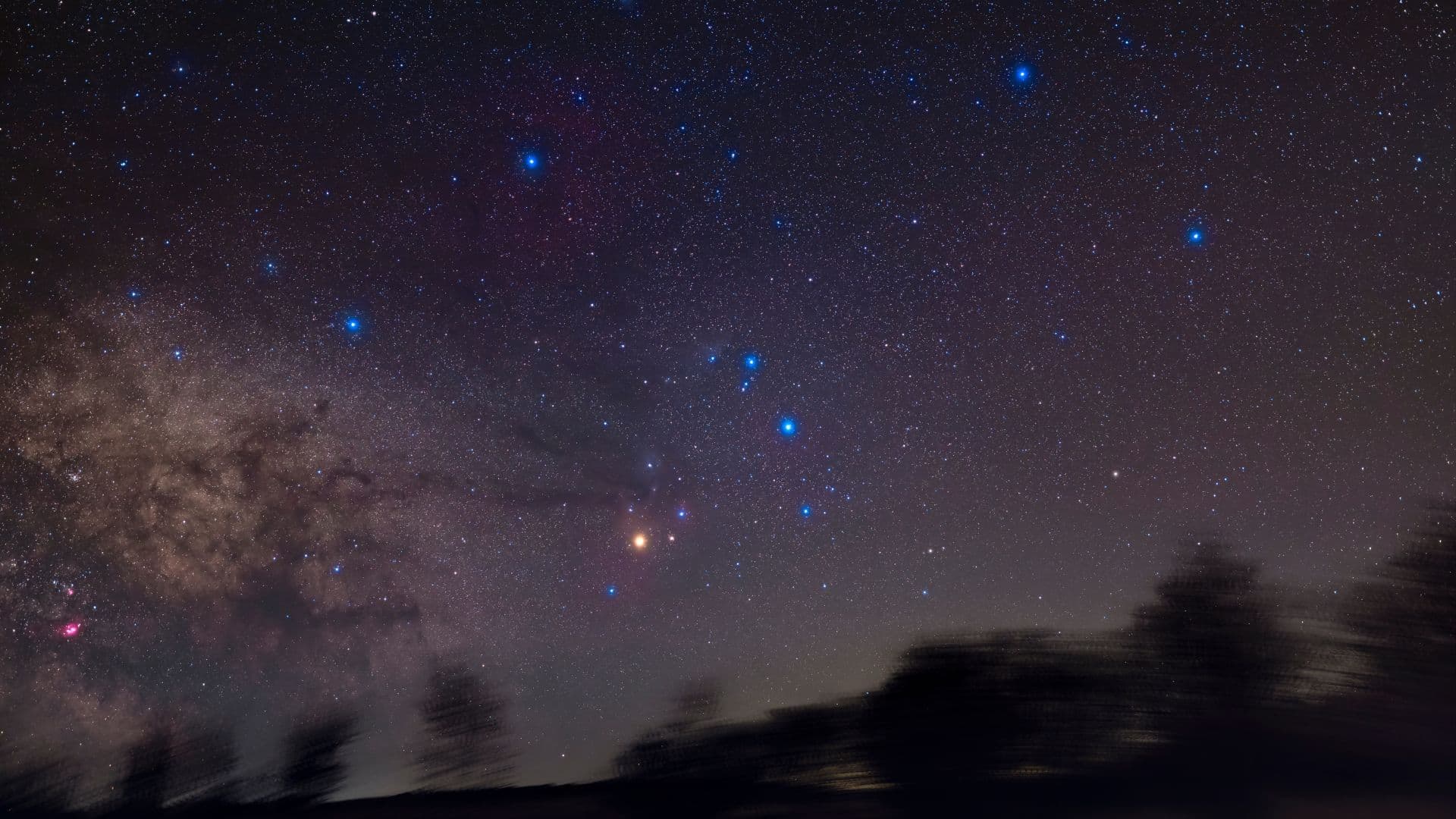
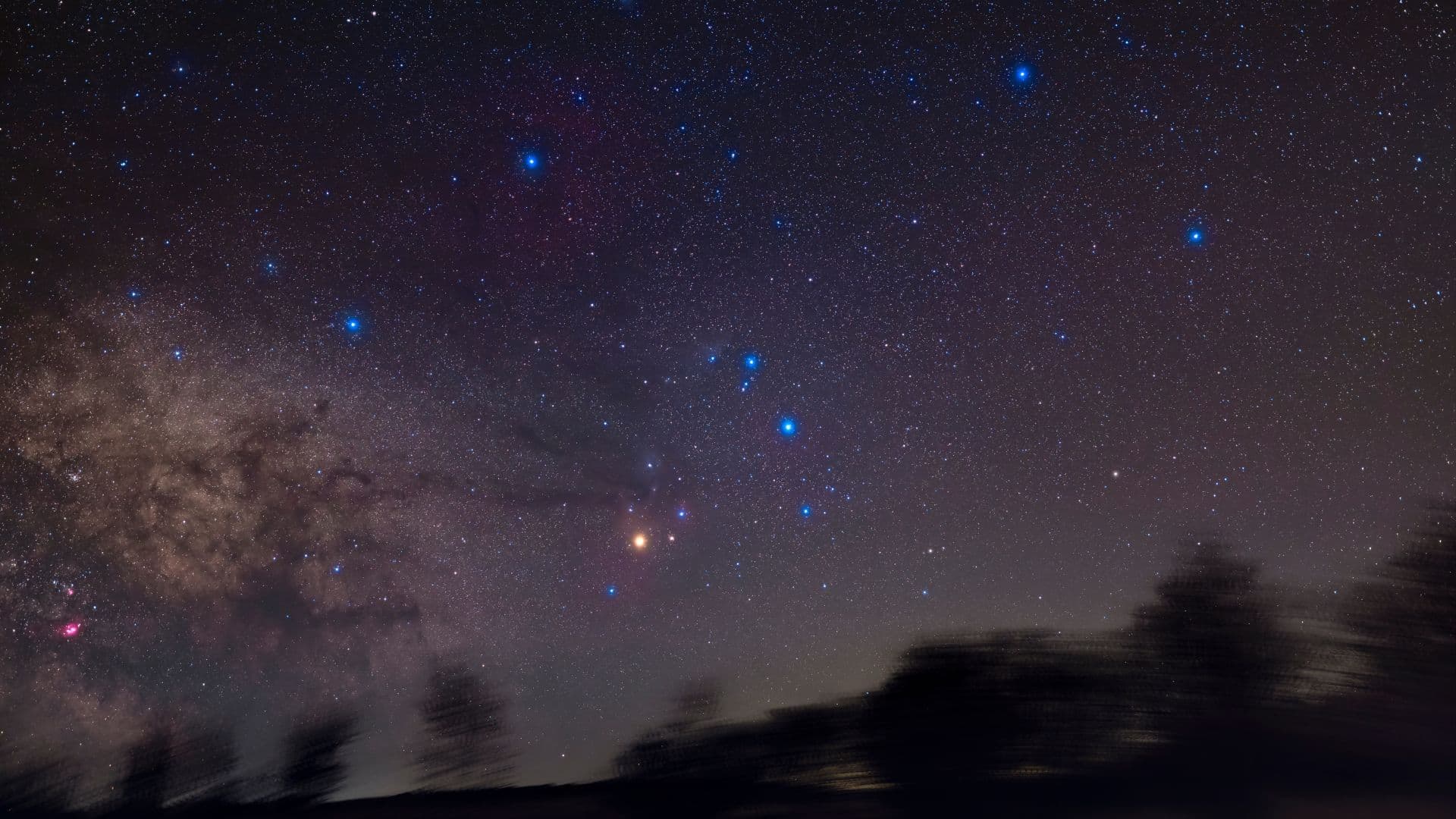
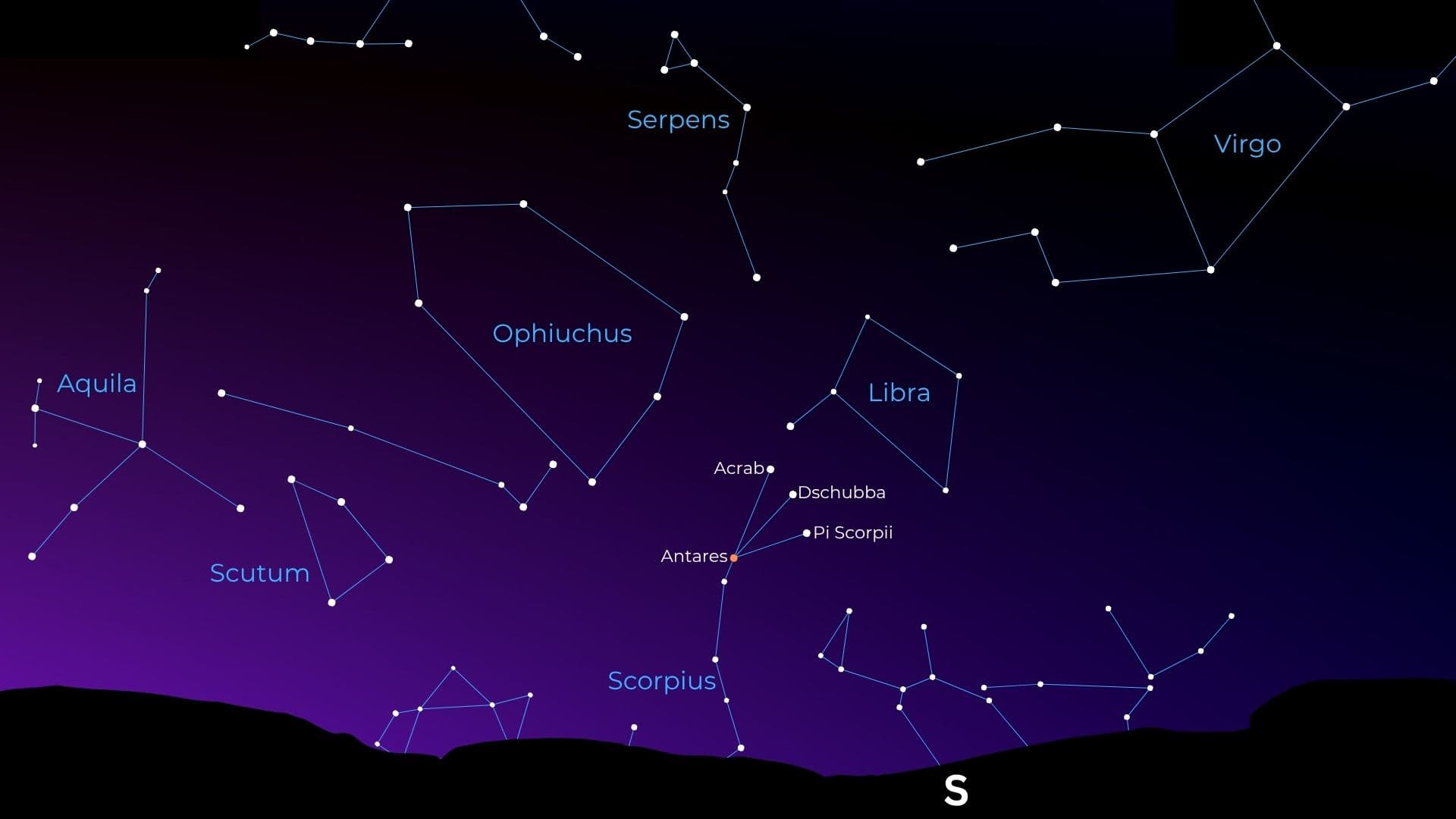
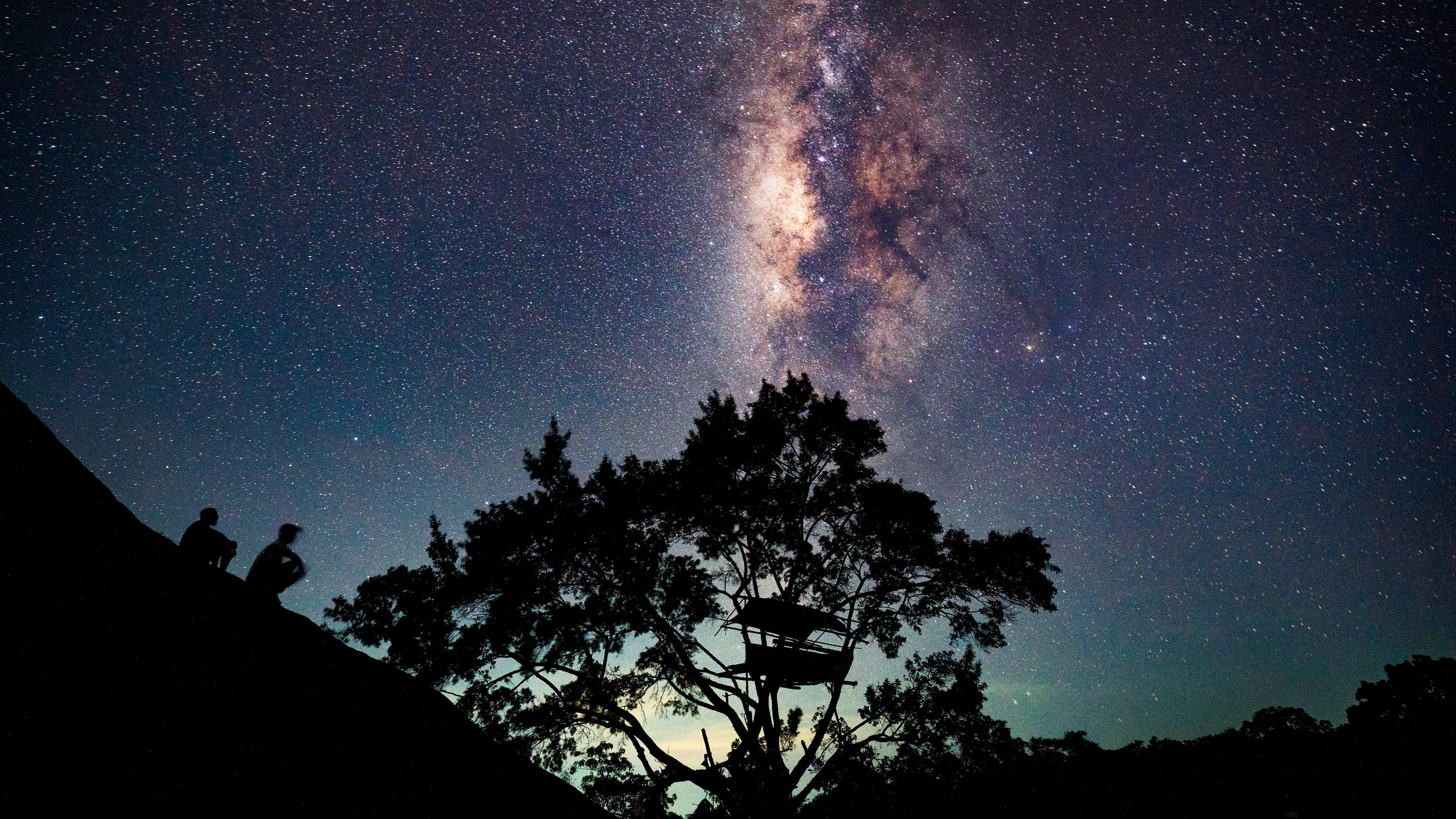
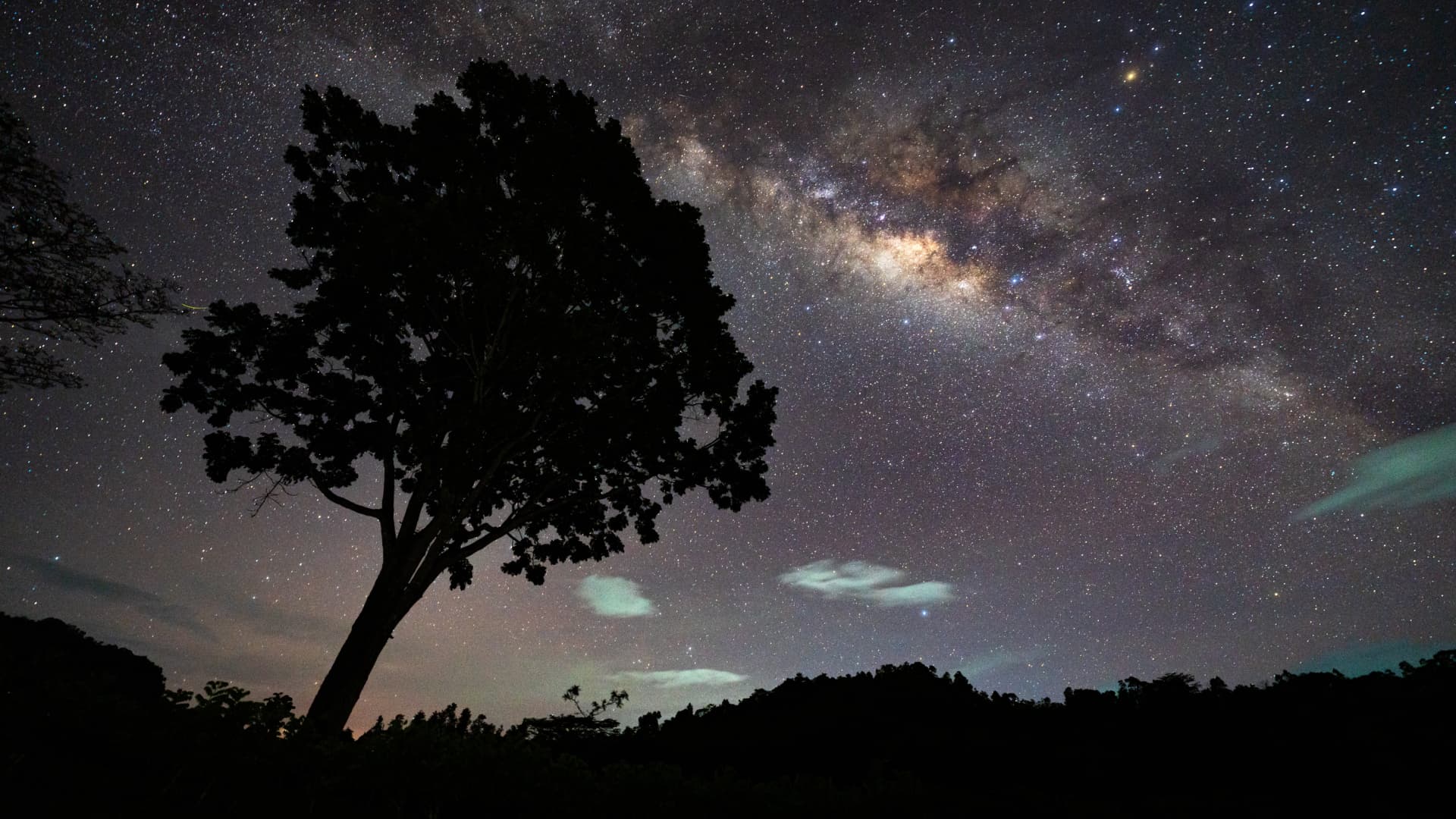
The new moon phase is the best time to escape city lights and hunt for faint constellations that moonlight normally washes out. Turn southeast after sunset in mid-June and look for Antares, the red supergiant star glowing 10 to 20 degrees above the horizon.
Antares sits at the heart of Scorpius. The three bright stars to its upper right, Dschubba, Pi Scorpii, and Acrab, represent the scorpion's head and claws. Nearby, the fainter constellation Libra becomes visible in the absence of moonlight.
How to Photograph the Alignment
Amateur astronomy forums and Reddit's r/astronomy community have been sharing tips for capturing this event. Many recommend smartphone photography as accessible for beginners. The Venus-Jupiter conjunction on June 9 serves as a warm-up, with photographers testing settings before the full three-planet lineup on June 14.
For the best views, find a location with an unobstructed western horizon. Start watching about 30 minutes after sunset, when the sky darkens enough to reveal Mercury but before it dips too low. Venus and Jupiter will remain visible longer, giving you more time to appreciate the alignment.
Logicity's Take
Frequently Asked Questions
What time should I look for the June 2026 planetary alignment?
Look to the western horizon starting about 30 minutes after sunset on June 14. Mercury sets less than two hours after the sun, so earlier is better for spotting all three planets.
Do I need a telescope to see Mercury, Venus, and Jupiter?
No. All three planets are visible to the naked eye. Venus and Jupiter are among the brightest objects in the night sky. Mercury is fainter but visible without equipment if you have a clear western horizon.
When is the new moon in June 2026?
The new moon phase occurs at 10:54 p.m. EDT on June 14, 2026 (0254 GMT on June 15). The nights immediately before and after offer the darkest skies for stargazing.
What is Mercury's greatest elongation?
Greatest elongation is when Mercury appears farthest from the sun as viewed from Earth. On June 15, 2026, Mercury reaches greatest eastern elongation, making it visible in the evening sky rather than lost in the sun's glare.
Can I see other planets during the June 2026 new moon?
Yes. Mars and Saturn are visible in the predawn eastern sky. Neptune can also be spotted near Saturn with an 8-inch telescope from a dark location.
Need Help Implementing This?
Source: Latest from Space.com
Huma Shazia
Senior AI & Tech Writer
Produced with AI assistance and reviewed by the Logicity editorial team. Learn more in our Editorial Policy.