Huawei Eyes China AI Chip Lead as Nvidia H200 Stalls
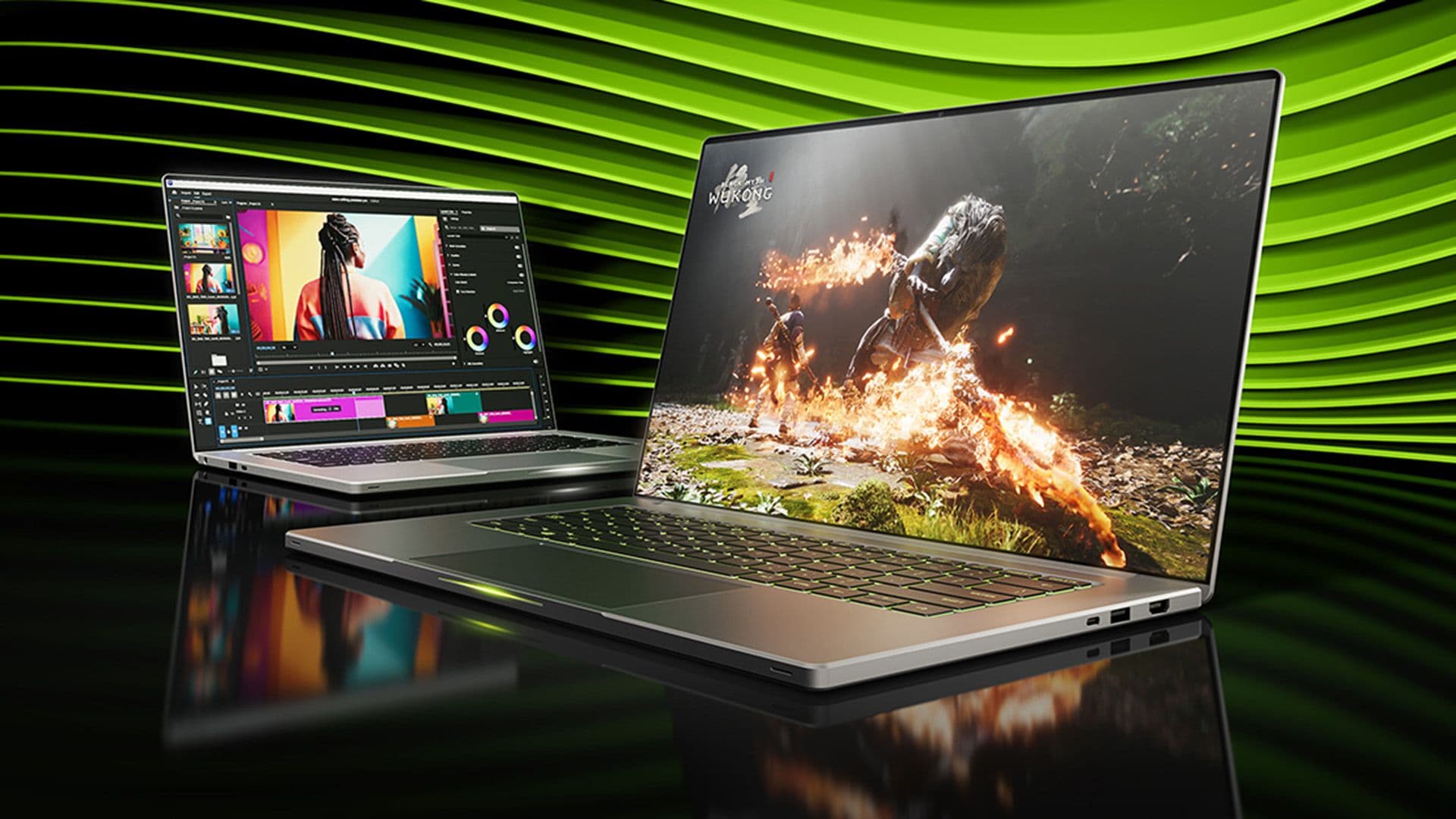
Huawei expects AI chip revenue to hit $12 billion this year, up 60% from 2025, as regulatory conflicts between the U.S. and China leave Nvidia's H200 shipments stuck in customs. Beijing is pushing domestic tech firms to use homegrown chips for local operations while Nvidia faces contradictory demands from both governments.

Linux Root Exploit CVE-2026-31431 Hits Most Distros Since 2017
A newly disclosed vulnerability in the Linux kernel's cryptography layer grants instant root access to any local user. The flaw affects Ubuntu, RHEL, SUSE, Amazon Linux, and even Windows WSL2. Patches exist, but many distributions are still catching up.

Samsung Galaxy S27 Ultra May Drop to Three Rear Cameras
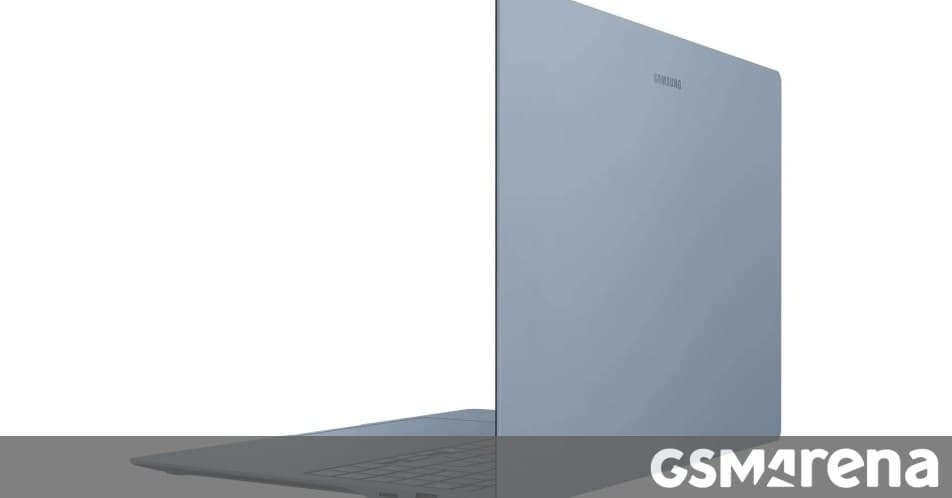
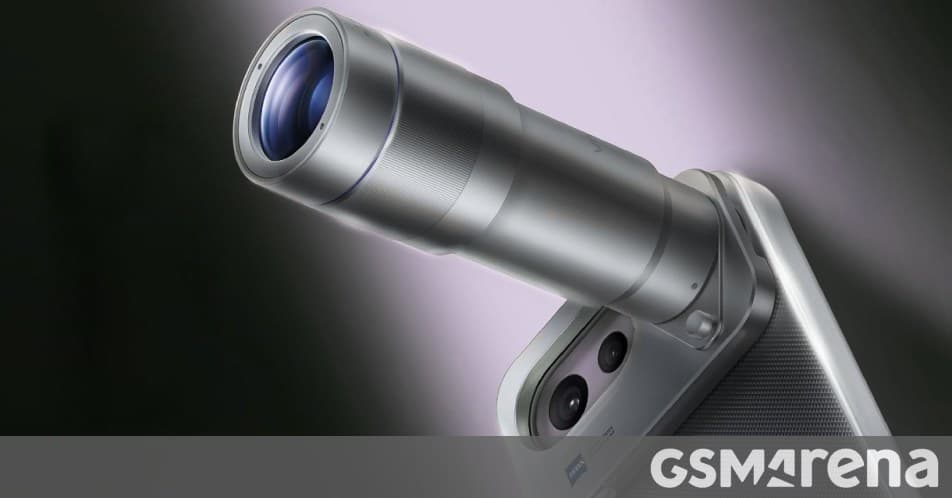
Leaker Ice Universe claims Samsung will remove the 3x telephoto lens from the Galaxy S27 Ultra, ending a six-year run for the dedicated mid-range zoom camera. The move would shift the Ultra lineup to a triple-camera setup, relying on a high-resolution main sensor for cropped zoom instead.

Windrose Game Writes 108GB Per Hour to SSDs, Patch Released
The early access pirate survival game Windrose has been discovered writing up to 108GB per hour to players' SSDs due to its RocksDB save system. Developer Kraken Express has released a patch that substantially reduces disk usage, though QLC and older drives remain at higher risk from this behavior.

Samsung Memory Division Posts Record Quarter as AI Demand Soars
Samsung's Device Solutions division posted an 86% revenue jump to KRW 81.7 trillion in Q1, driven by AI memory products. Meanwhile, the mobile division stayed profitable but faces headwinds that could lead to its first annual loss.

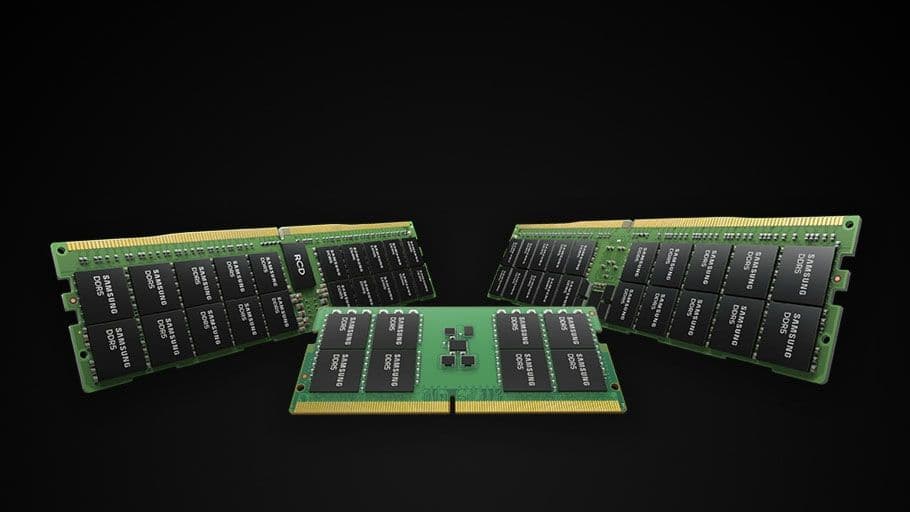
AI Memory Shortage Could Last Until 2027, Samsung and SK Hynix Warn
Samsung and SK Hynix, controlling over 90% of global DRAM production with Micron, are warning of memory shortages extending through 2027 and possibly to 2030. The crunch is driven by explosive demand for HBM chips used in AI accelerators, with customers already reserving supply years in advance.

Big Tech AI Spending Hits $725 Billion in 2026
Google, Microsoft, Meta, and Amazon will spend a combined $725 billion on capital expenditures this year, a 77% increase from 2025's record $410 billion. The spending surge reflects rising memory chip costs and intense competition for data center resources.

Samsung Foundry Hits 80% Yield on 4nm Chips
Samsung's 4nm chip manufacturing process has crossed the 80% yield threshold, signaling process maturity after six years of production. The milestone positions Samsung to compete more directly with TSMC for AI accelerator and automotive chip contracts.

Lenovo Drops ThinkPad's Magnesium Roll Cage After 20 Years
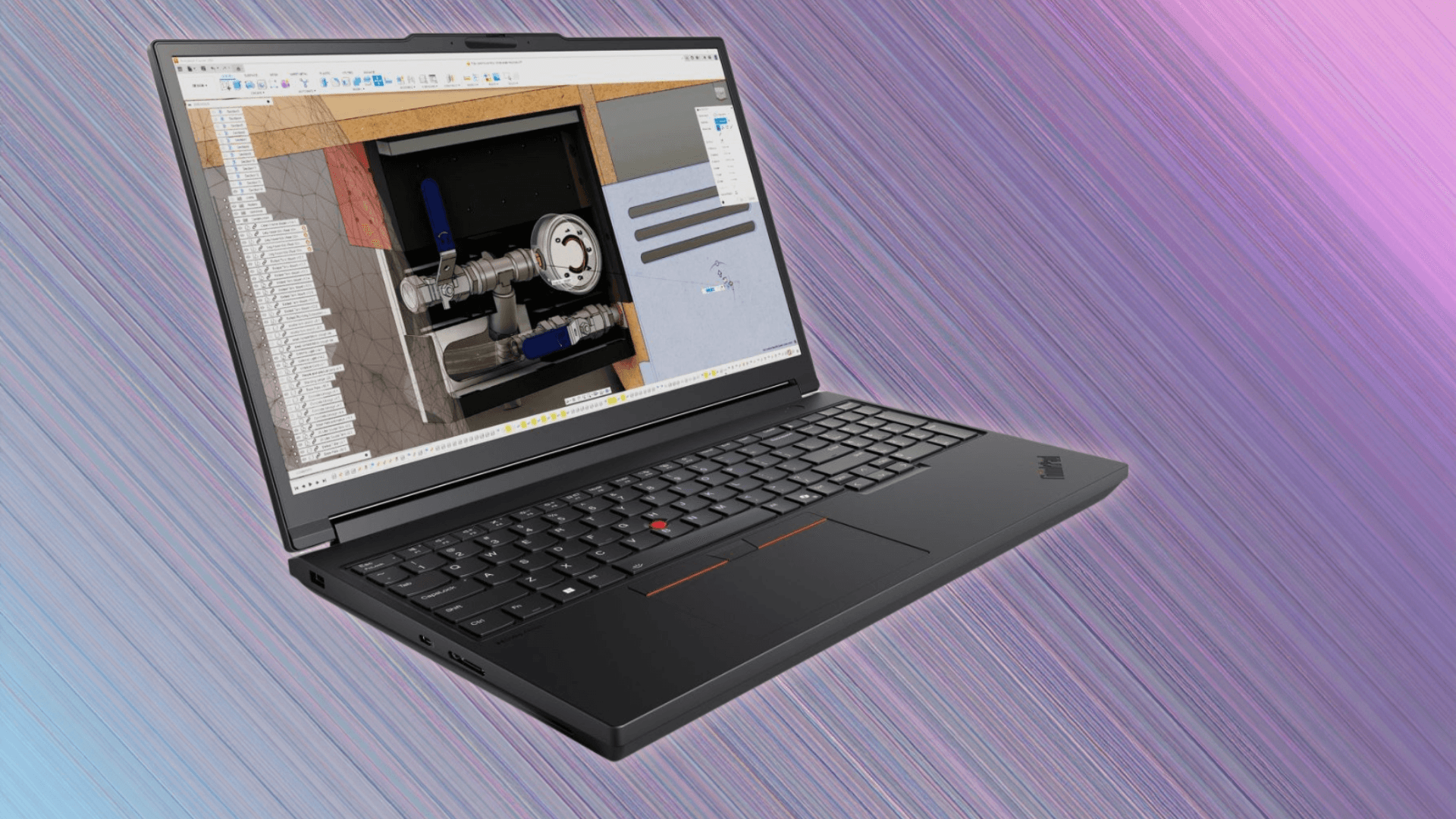
The ThinkPad P16 Gen 3 abandons the internal magnesium subframe that defined Lenovo's workstation laptops since 2006. The company now integrates magnesium into the outer shell instead, trading structural redundancy for a thinner profile.

EPFL Builds Device That Turns Evaporating Water Into Electricity
Swiss researchers have built a three-layer nanoscale device that generates continuous electricity from evaporating tap water or seawater, aided by modest heat and sunlight. The system could power battery-free sensors and wearable electronics without chemical fuel or moving parts.

iPhone Ultra vs Huawei Pura X Max: Dummy Unit Shows Size Parity
A hands-on comparison of an iPhone Ultra dummy unit against the Huawei Pura X Max reveals the two foldables share nearly identical dimensions. With Samsung's Galaxy Z Fold Wide also incoming, 2025 is shaping up as the year large foldables go mainstream.

China Plans CPU-Only Exascale Supercomputer with 47,000 Processors
China's National Supercomputing Center in Shenzhen announced the Lingshen project, targeting 2+ ExaFLOPS using only domestic CPUs. If built, it would be the first exascale system to reach that tier without GPU accelerators, though significant questions remain about timeline and component sourcing.

Pre-Stuxnet NSA Tool 'fast16' Targeted Nuclear Reactor Software
Security researchers at Sentinel Labs have uncovered a cyber-sabotage platform called fast16 that predates Stuxnet by at least five years. The tool, which the NSA internally marked as 'nothing to see here,' was designed to introduce subtle calculation errors into software used for nuclear reactors, dam design, and physics simulations.

Does Your RTX 30-Series GPU Need an Upgrade in 2026?
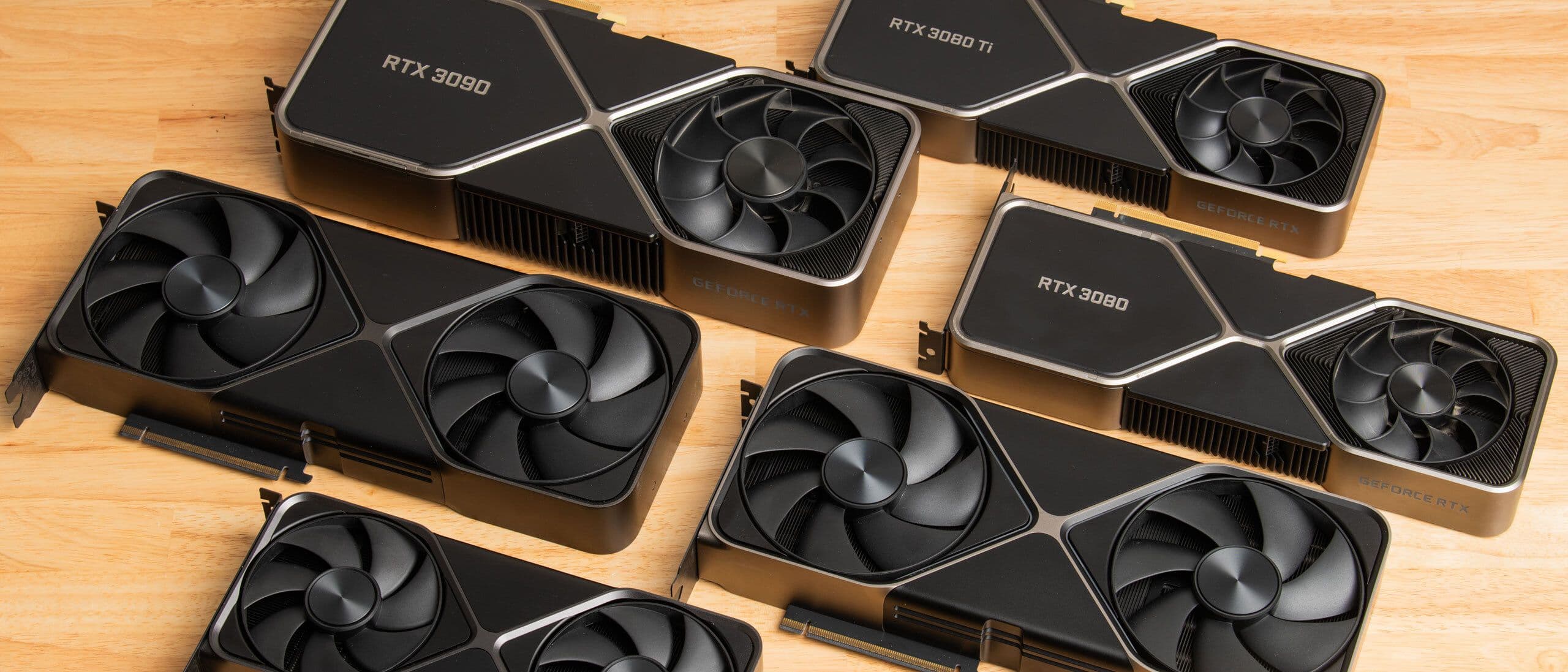
Nvidia's Ampere GPUs turn six this year, and cracks are showing. VRAM limits, missing DLSS features, and no frame generation support have owners wondering if it's finally time to move on. Tom's Hardware's upgrade matrix breaks down who should stay and who should go.

Apple Ultra Branding Rumored for iPhone, MacBook, and iPad
Fresh rumors suggest Apple plans to launch an iPhone Ultra foldable, a MacBook Ultra with OLED touchscreen, and eventually a foldable iPad Ultra. The naming strategy mirrors the Apple Watch Ultra positioning: premium devices at premium prices.

Samsung Galaxy S27 May Move Cameras for Qi2 Magnets
A Korean rumor suggests Samsung is considering a camera redesign on the Galaxy S27 to make room for built-in Qi2 magnets. The change would let Samsung phones work with MagSafe accessories without a case. Cost concerns around RAM and storage prices could delay the feature to the S28.