Key Takeaways
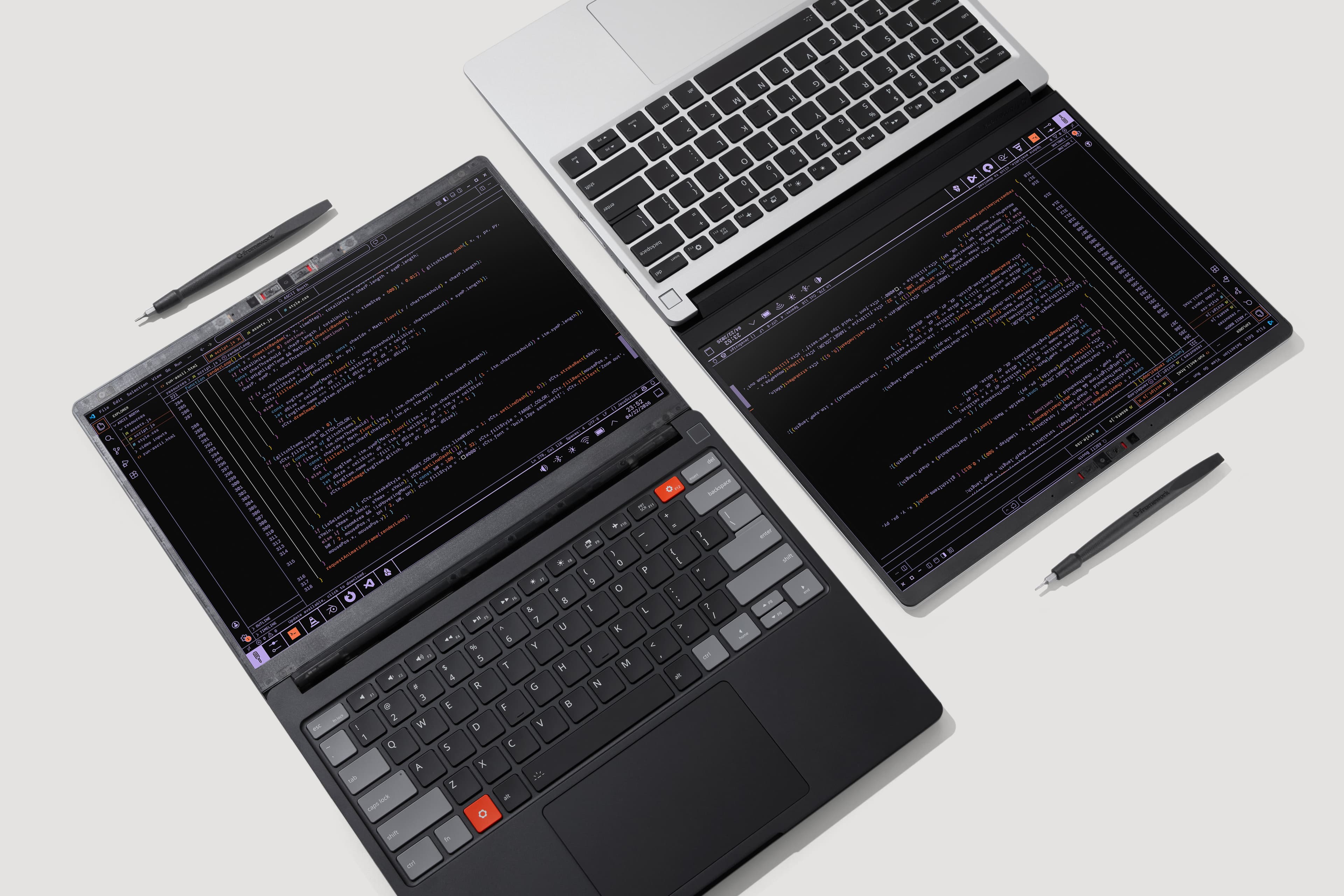
- Lenovo removed the internal magnesium subframe from the ThinkPad P16 Gen 3, ending a 20-year design tradition
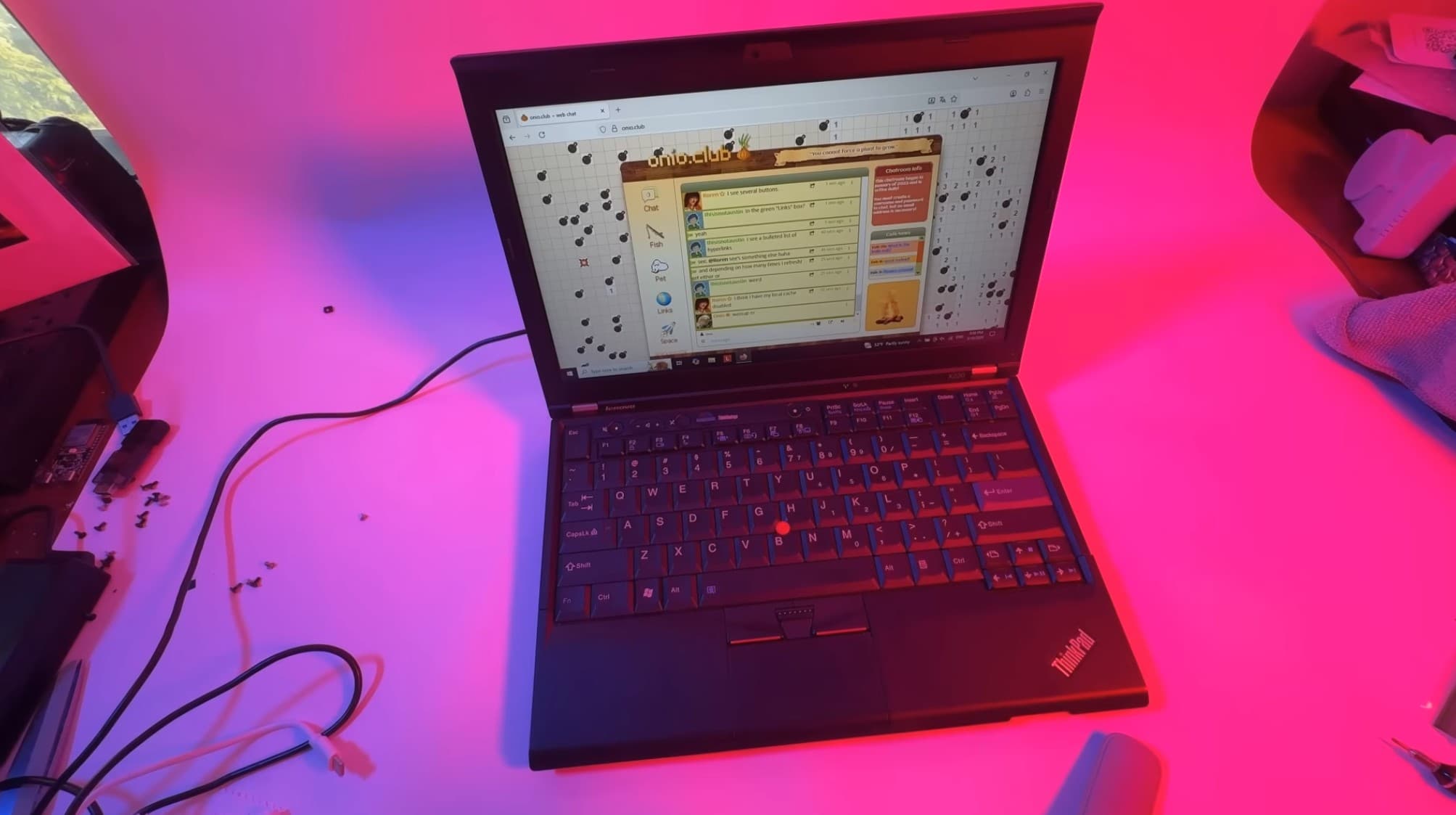
- The roll cage was introduced in 2006 with the ThinkPad T60, Lenovo's first ThinkPad after acquiring IBM
- Magnesium is now integrated into the outer shell rather than existing as a separate internal frame
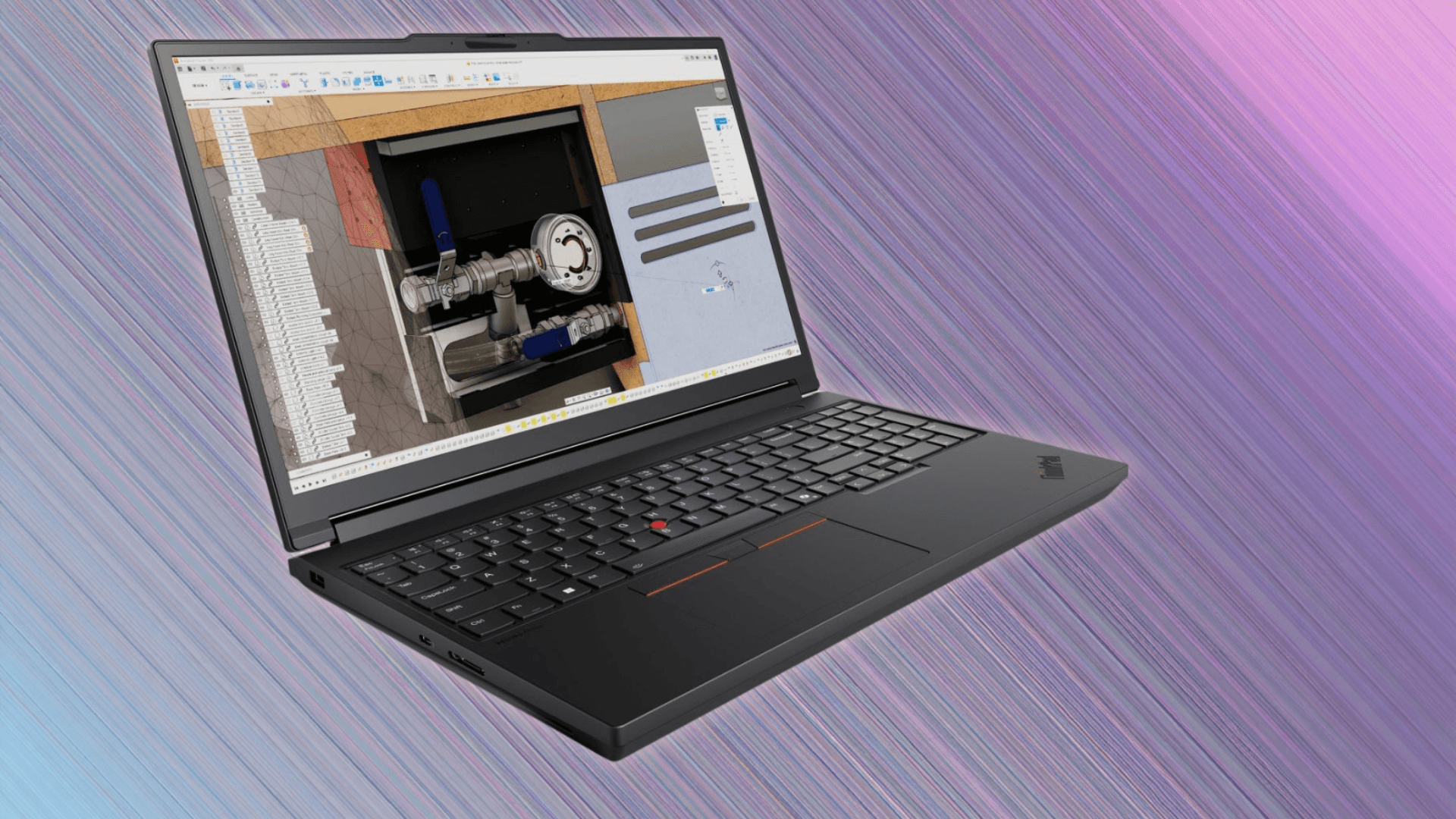
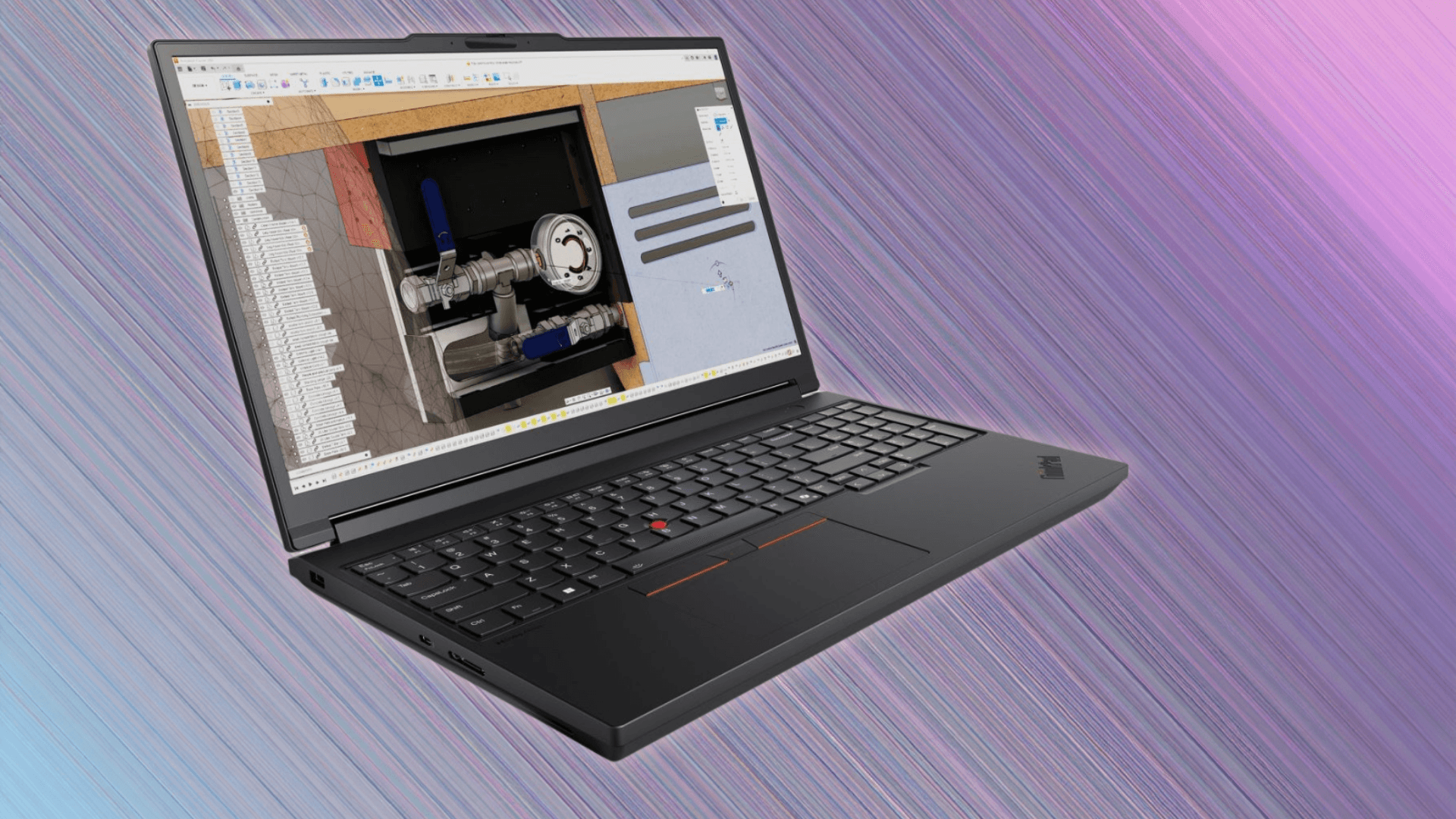
Lenovo has removed one of the defining features of its ThinkPad workstation line. The ThinkPad P16 Gen 3 no longer includes the magnesium subframe, nicknamed the "roll cage," that gave these machines their reputation for surviving rough handling.
The change ends a design philosophy that started with the ThinkPad T60 in 2006. That was Lenovo's first ThinkPad after acquiring IBM's PC division in 2005. For nearly two decades, the internal magnesium frame set ThinkPad P series laptops apart from competitors that used magnesium only in external shells.
Why the Roll Cage Mattered
Most premium laptops use magnesium alloy in their chassis because it's light and rigid. Lenovo took this further with the P series by adding a second layer of magnesium as an internal skeleton. This doubled up on structural protection, particularly around stress points.
“People will hold their machines in one corner of the keyboard, or the palm rest area, and that becomes a stress area. So, we have to understand how is that area flexing, what is it in contact with on the motherboard, are you going to stress components? So, we look at the amount of flex in that area.”
— Al Makley, Lenovo Executive Director of Workstation Development, in interview with AEC Magazine
The internal frame protected components from flex damage when users gripped the laptop at awkward angles. It also shielded the motherboard and display panel from impacts that might crack solder joints or damage delicate parts.
The screen got similar treatment. A magnesium subframe behind the display prevented the wobble and flex that plagues larger laptop screens.
“16 inches is a lot of panel, and you don't want to get those videos on YouTube where someone's bending it and going, 'What is going on with this flex?”
— Sam Patterson, Lenovo Industrial Designer, in interview with AEC Magazine
What Lenovo Changed
In the P16 Gen 3, Lenovo moved from a separate internal frame to magnesium integrated directly into the outer shell. The company gains a few millimeters of thickness reduction. Users lose the redundant protection layer.
Lenovo's own designers previously defended the thickness trade-off. Patterson told AEC Magazine that the roll cage "does require some compromises on overall size. It adds a millimeter or two to the X, Y and Z dimensions, but it's one of those things that's not worth compromising on, because its value to the customer is so high."
That stance has clearly changed. Lenovo has not explained why the company reversed course on a feature it publicly championed as essential.
Possible Reasons for the Change
The shift could reflect cost pressures across the PC industry. Memory chip shortages and supply chain constraints have squeezed margins. Removing a manufacturing step saves money even if the raw material cost stays similar.
Market trends may also play a role. Professional users increasingly work from home offices rather than construction sites or factory floors. The original ThinkPad durability standards targeted IBM's enterprise customers who deployed laptops in harsh field conditions. Today's workstation buyers might prioritize portability over ruggedness.
Modern adhesives and manufacturing techniques could also make the separate frame less necessary. Integrated magnesium shells can be designed with reinforced stress points that approximate the protection of an internal cage.
What This Means for Buyers
The P16 Gen 3 will still be sturdier than most consumer laptops. Magnesium construction remains, just in a different configuration. Real-world durability will depend on how well Lenovo's engineers compensated for the missing frame.
Professional users who work in demanding physical environments should watch for independent durability testing before committing. YouTube drop tests and bend videos will reveal whether the new design holds up.
For office-based professionals, the change may never matter. Most workstation laptops live on desks and in padded bags. The original roll cage protected against stresses that many users never encounter.

Logicity's Take
Frequently Asked Questions
What is the ThinkPad magnesium roll cage?
An internal magnesium frame that sits between the outer shell and internal components, providing extra structural rigidity and protecting parts from flex damage when the laptop is gripped or stressed.
When did Lenovo introduce the roll cage?
The magnesium subframe debuted in the ThinkPad T60 in 2006, the first ThinkPad model Lenovo released after acquiring IBM's PC division in 2005.
Does the ThinkPad P16 Gen 3 still use magnesium?
Yes, but the magnesium is now integrated into the outer shell rather than existing as a separate internal frame. This reduces thickness but removes the redundant protection layer.
Why did Lenovo remove the roll cage?
Lenovo has not officially explained the decision. The change allows for a thinner design and may reduce manufacturing costs, though the company previously said the roll cage was worth the size trade-off.
Will the ThinkPad P16 Gen 3 be less durable?
Potentially, though real-world impact depends on how well the new integrated design compensates. Independent durability testing will reveal whether protection has actually decreased.
Need Help Implementing This?
Source: Latest from Tom's Hardware
Manaal Khan
Tech & Innovation Writer
Produced with AI assistance and reviewed by the Logicity editorial team. Learn more in our Editorial Policy.