Key Takeaways
- Device Solutions revenue hit KRW 81.7 trillion, an 86% increase quarter-on-quarter
- Operating profit jumped from KRW 1.1 trillion to KRW 53.7 trillion year-over-year
- Samsung began shipping HBM4 and SOCAMM2 memory for Nvidia's Vera Rubin platform
Memory Division Breaks Records
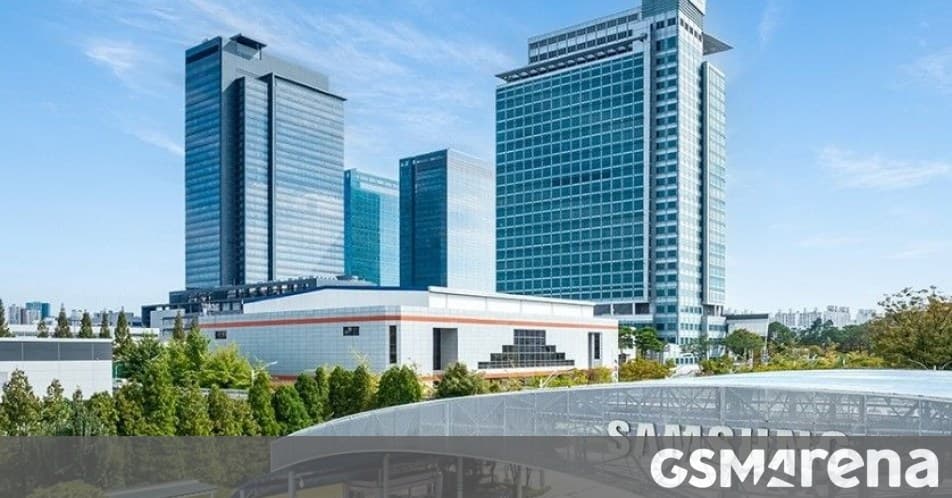
Samsung Electronics posted its Q1 financial results, and the numbers tell two very different stories. The Device Solutions (DS) division, which includes the memory business, hit an all-time revenue high of KRW 81.7 trillion. That's an 86% increase from the previous quarter.
Operating profit jumped to KRW 53.7 trillion. Compare that to KRW 1.1 trillion in the same period last year. The memory business broke its quarterly sales record on the back of high-value products built for the AI market.
Samsung has already started shipping HBM4 and SOCAMM2 memory for Nvidia's Vera Rubin platform. Rubin succeeds Blackwell, with first products expected later this year. In Q2, the memory division plans to deliver HBM4E samples to clients and capture the early PCIe Gen6 SSD market for AI infrastructure.
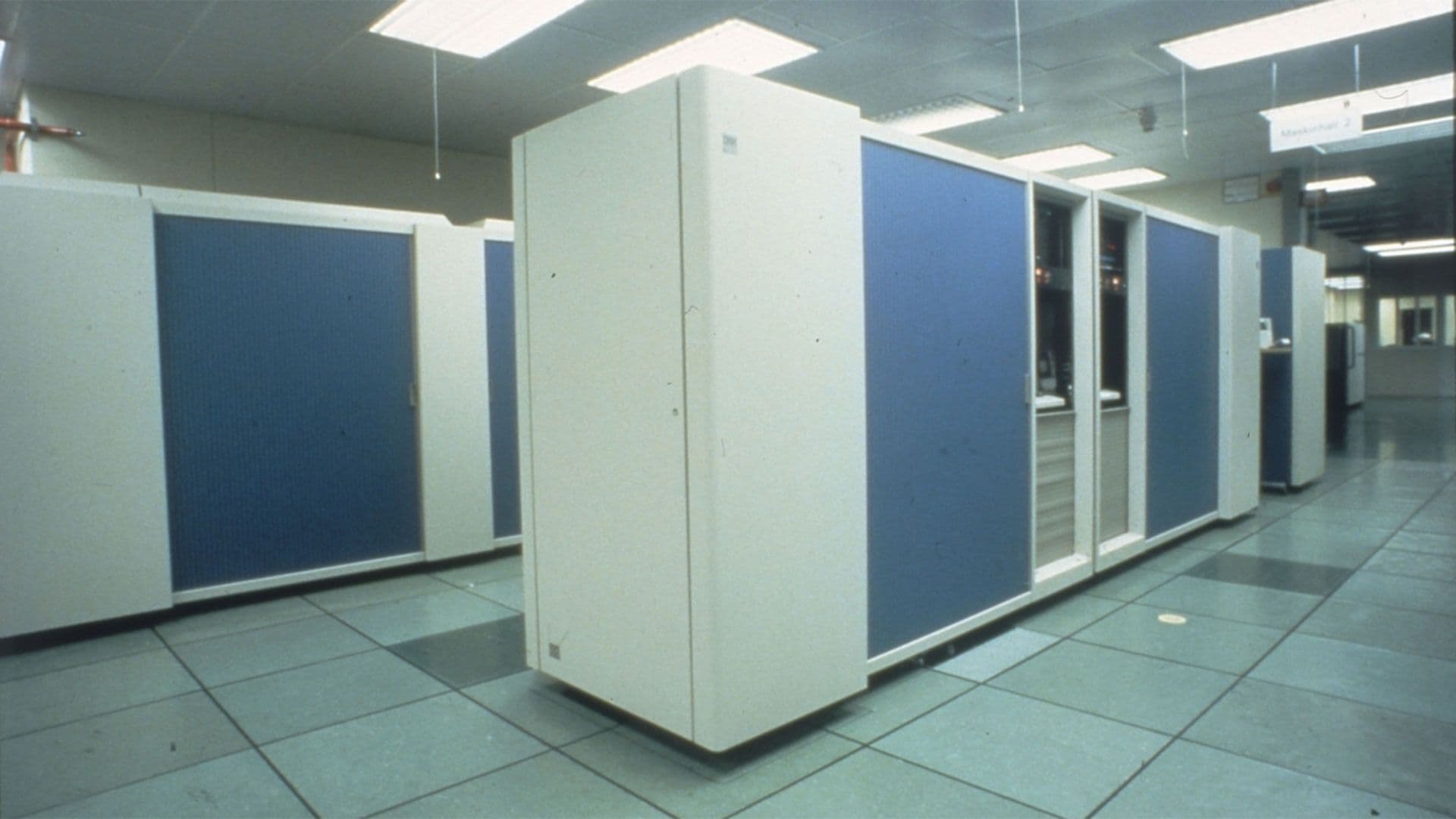
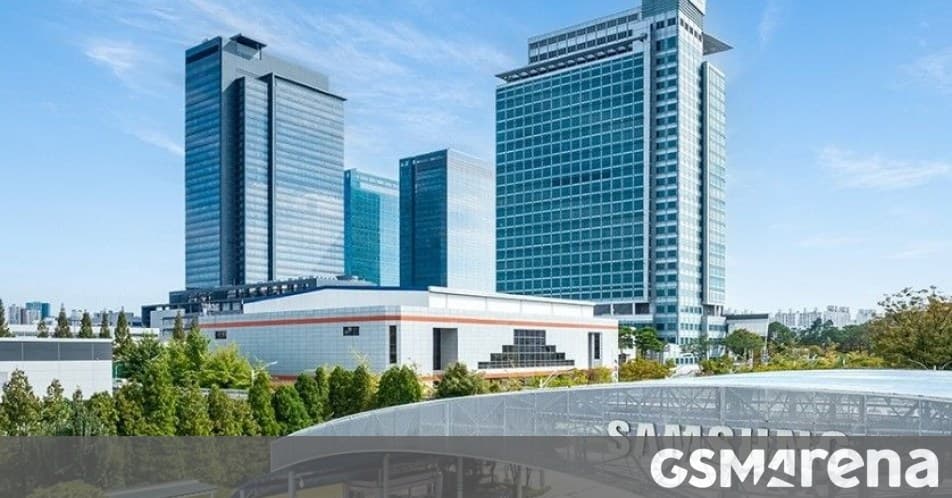
Context on the supply crunch driving Samsung's memory profits
Mobile Division Stays Profitable, But Barely
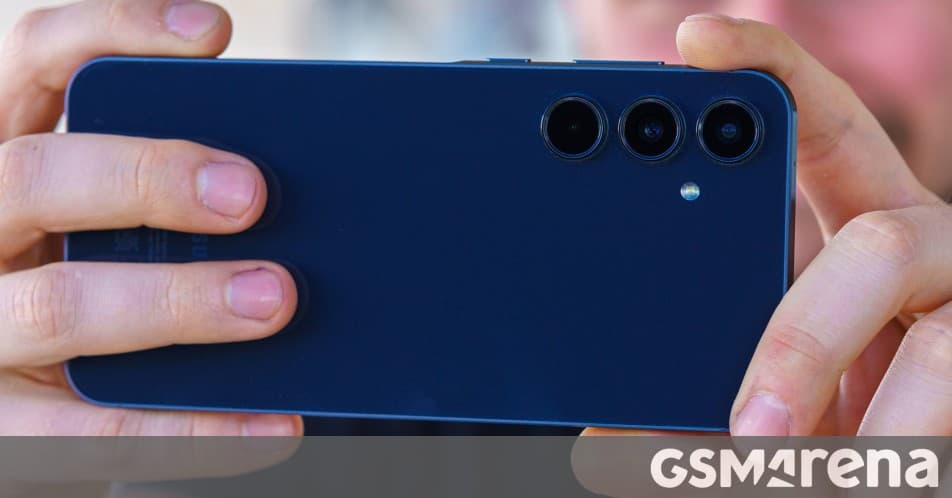
The mobile division (MX) tells a less triumphant story. Combined with Network Businesses, MX brought in KRW 38.1 trillion in consolidated revenue and KRW 2.8 trillion in operating profit. Revenue is up from KRW 37 trillion in Q1 2024, but profit fell from KRW 4.3 trillion.
Samsung managed single-digit profitability by leaning on premium models and cutting costs. Still, the company expects revenue to decline in Q2. TM Roh, head of the mobile division, has expressed concern that MX might post its first-ever annual loss this year.
The financial report forecasts higher revenue for MX in 2026 compared to last year. But there's no prediction for yearly profit. In the second half, Samsung plans to focus on flagship sales and strengthen its position in foldables.
Memory Crunch Squeezes Other Divisions
The AI-driven memory boom creates pressure elsewhere. Samsung Display Corporation (SDC) posted KRW 6.7 trillion in revenue and KRW 0.4 trillion in operating profit. Demand for small and medium displays dropped due to seasonal effects and high memory prices affecting smartphone sales.
One bright spot: OLED gaming monitors saw strong demand. When GPU upgrades become expensive, a new monitor offers an alternative path to better image quality.
The AI infrastructure investments fueling Samsung's memory sales
What's Next for Samsung
The coming quarters will test whether Samsung's mobile division can avoid that historic annual loss. Premium focus and cost cuts bought time in Q1. But with memory prices squeezing the broader electronics market, smartphone margins face pressure from multiple directions.
The memory business shows no signs of slowing. HBM4E samples, PCIe Gen6 SSDs, and continued AI infrastructure demand should keep Device Solutions on its record-breaking trajectory. Samsung's bet on high-bandwidth memory for AI training and inference is paying off at scale.
Logicity's Take
Frequently Asked Questions
Why did Samsung's memory division profits increase so much?
High-value memory products for AI applications drove record sales. Samsung began shipping HBM4 and SOCAMM2 memory for Nvidia's upcoming Vera Rubin platform, capitalizing on strong demand for AI infrastructure.
Is Samsung's mobile division profitable in 2025?
Yes, the mobile division remained profitable in Q1 with KRW 2.8 trillion in operating profit. However, TM Roh has warned the division might see its first annual loss this year.
What is HBM4 memory used for?
HBM4 (High Bandwidth Memory 4) is used in AI accelerators and GPUs for machine learning training and inference. Samsung is supplying it for Nvidia's next-generation Vera Rubin architecture.
How does the memory shortage affect smartphone sales?
High memory prices increase component costs for smartphones, squeezing margins and potentially reducing demand. Samsung's display division specifically cited memory price impacts on smartphone sales.
Need Help Implementing This?
Source: GSMArena.com / Peter
Manaal Khan
Tech & Innovation Writer
Produced with AI assistance and reviewed by the Logicity editorial team. Learn more in our Editorial Policy.