Key Takeaways
- Huawei projects $12 billion in AI chip revenue for 2026, a 60% jump from $7.5 billion in 2025
- Nvidia H200 shipments to China are stuck due to contradictory U.S. and Chinese regulations
- Huawei is targeting the AI inference market with its 950PR processor as a strategic wedge against Nvidia
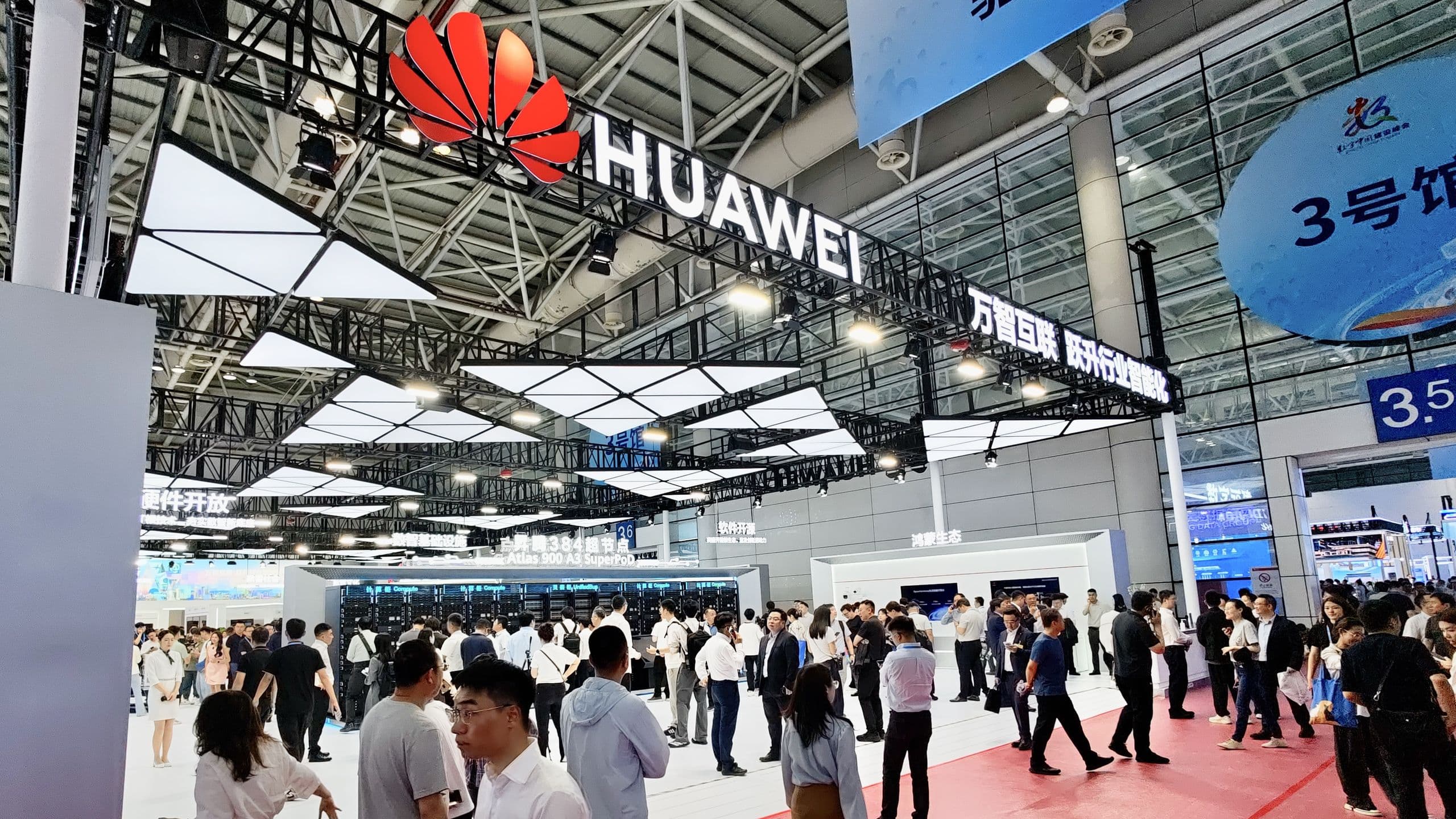
Huawei is on track to capture the largest share of China's AI chip market this year, according to a Financial Times report. The Shenzhen company expects AI chip revenue to reach $12 billion in 2026, up from $7.5 billion last year. That's a 60% surge driven by existing orders for its 950PR processor, which entered mass production last month.
The timing is no accident. Nvidia's China business, which once accounted for up to 25% of its data center revenue, is caught between two governments with conflicting rules.
The Regulatory Stalemate
Nvidia CEO Jensen Huang confirmed in March 2026 that the company had received U.S. licenses to sell H200 AI chips to China and was restarting production. The company secured orders from Chinese customers. But shipments haven't moved.
The problem: contradictory demands from Washington and Beijing. U.S. regulators require that all Nvidia chips ordered by Chinese clients be used only in China. Meanwhile, Beijing has instructed Chinese tech companies to limit Nvidia chips to their overseas operations while supporting domestic manufacturing. These opposing rules have created a customs clearance deadlock.
Huawei's Production Push
Most of Huawei's AI chips come from Semiconductor Manufacturing International Corporation (SMIC), China's leading fab. Huawei plans to add two dedicated fabrication plants this year. If production ramps successfully, that $12 billion forecast could go higher.
The company is also preparing an upgraded chip, the 950DT, for launch in the fourth quarter. This aggressive expansion reflects both opportunity and necessity. With Nvidia constrained, Chinese firms need alternatives.
The Inference Strategy
Nvidia's chips remain more advanced. Huawei isn't trying to match them directly. Instead, the company is targeting a specific and rapidly growing segment: inference.
Inference is the computation AI models use to generate answers and perform tasks after training is complete. Training requires massive compute power. Inference, while still demanding, has different requirements. Huawei has positioned its 950PR processors as the hardware of choice for domestic companies running inference workloads.
This approach makes strategic sense. Inference workloads will grow as more AI applications deploy to production. A chip that's "good enough" for inference at a lower price point, with no regulatory barriers, becomes attractive.
Market Context
China's AI chip market is projected to hit $67 billion by 2030. That's a massive prize. For years, Nvidia dominated this space. Export restrictions changed the calculus.
The current situation creates a feedback loop. Restrictions push Chinese companies toward domestic chips. Increased demand funds more R&D. Better chips attract more customers. Beijing's directive to use domestic hardware accelerates this cycle.
Logicity's Take
What Happens Next
The regulatory impasse may not resolve quickly. Both governments have domestic political reasons to maintain their positions. Nvidia is caught in the middle with licenses it can't use and orders it can't fulfill.
Huawei's revenue forecast assumes current conditions hold. If the customs deadlock breaks, Nvidia could reclaim share. If it persists, Huawei's position strengthens with each passing quarter.
Frequently Asked Questions
Why can't Nvidia ship H200 chips to China despite having U.S. licenses?
U.S. rules require chips ordered by Chinese clients to be used only in China, while Beijing instructs Chinese companies to use Nvidia chips only overseas. These contradictory demands have stalled customs clearance.
What is Huawei's 950PR chip used for?
The 950PR processor is designed for AI inference workloads, the computation that trained AI models use to generate answers and perform real-world tasks.
How much of Nvidia's revenue came from China?
China once accounted for up to 25% of Nvidia's data center business revenue before export restrictions and regulatory barriers took effect.
Who manufactures Huawei's AI chips?
Semiconductor Manufacturing International Corporation (SMIC), China's leading fab, produces most of Huawei's AI chips. Huawei plans to add two more dedicated fabrication plants this year.
Need Help Implementing This?
Source: Latest from Tom's Hardware
Manaal Khan
Tech & Innovation Writer
Produced with AI assistance and reviewed by the Logicity editorial team. Learn more in our Editorial Policy.