Key Takeaways

- Zapier integrates with 9,000+ apps versus ChatGPT's handful of connectors including Gmail, Google Drive, and HubSpot
- ChatGPT workspace agents are free until May 6, 2026, then switch to credit-based pricing
- Zapier offers multi-model flexibility while ChatGPT agents are locked to OpenAI's Codex
OpenAI is rolling out workspace agents powered by Codex. They're AI assistants that run workflows in the background on the cloud. The pitch sounds familiar: describe what you want in plain English, and the agent handles the rest.
Zapier has been doing this for a while with Zapier Agents. Both platforms let non-technical users build automation without code. But the similarities end there.
The real differences show up in three areas: how many apps each platform connects to, which AI models power the agents, and how much control IT gets over what's running.
Integration Count: 9,000 vs. a Handful
Zapier connects to more than 9,000 apps with pre-built, secure connections. That's the number that matters for enterprise use. If your company runs on Salesforce, NetSuite, Jira, and a dozen SaaS tools, Zapier probably already has connectors for all of them.
ChatGPT workspace agents start with a much smaller list: Gmail, Google Drive, Google Calendar, Outlook, SharePoint, GitHub, and HubSpot. That covers the basics for many teams, but it's nowhere near comprehensive.
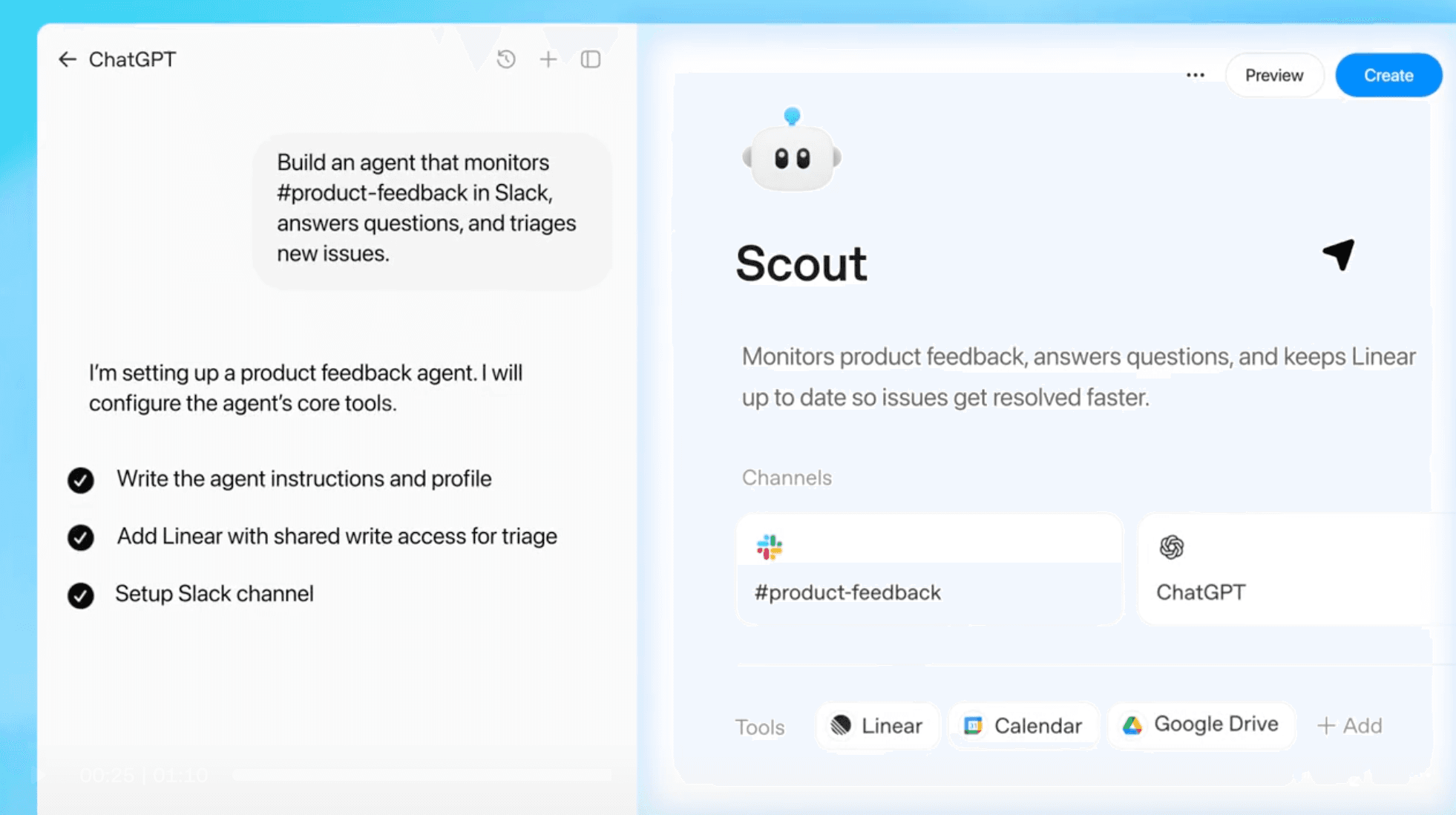
For a marketing team that lives in Google Workspace and HubSpot, ChatGPT's connectors might be enough. For an operations team juggling ERP systems, project management tools, and custom databases, the limited integration list becomes a blocker fast.
Model Flexibility: Multi-Vendor vs. OpenAI Only
Zapier Agents can make tool calls to any AI model in Zapier's directory. That includes models from OpenAI, Google, and Anthropic. If you've standardized on Claude for certain tasks or need Gemini for others, Zapier supports that.
ChatGPT workspace agents run exclusively on Codex, which means OpenAI models only. This isn't necessarily a drawback if you're already committed to the OpenAI ecosystem. But for organizations with multi-vendor AI strategies, it limits options.
Zapier also offers Bring Your Own Model through AWS Bedrock. Companies with strict data residency requirements or existing AWS contracts can run their agents on infrastructure they already control.
Governance and Enterprise Controls
Both platforms take security seriously, but they approach governance differently.
Zapier offers action restrictions, workspaces, AI Guardrails for PII and prompt injections, a full audit trail, and SOC 2 Type II compliance. The company recently launched new governance features across Agents, Zaps, and MCP-connected assistants. IT teams get control over what's running while giving builders freedom to create.
ChatGPT workspace agents include role-based controls, monitoring, built-in prompt injection safeguards, and the Compliance API for audit logs. Enterprise-tier users inherit controls from the ChatGPT Enterprise plan. The protections are real, but the governance toolkit is newer and less battle-tested.
Building Agents: Similar Starting Points
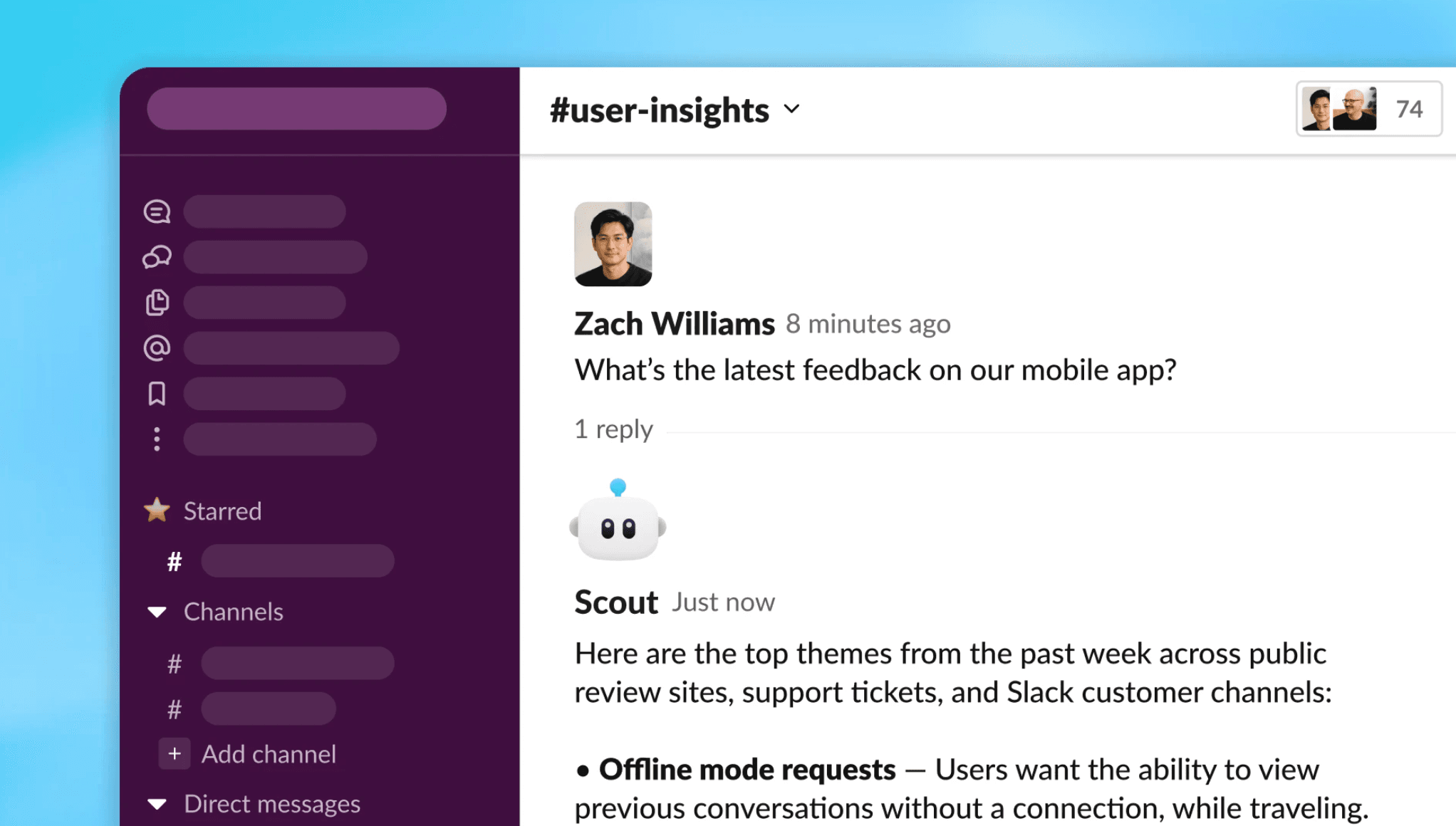
The setup experience is surprisingly similar on both platforms. Both accept plain English prompts. Both generate a plan for your agent based on what you describe.
Zapier gives you three paths: build from scratch, use Zapier Copilot to generate from a prompt, or start from one of 90+ templates. ChatGPT offers prompts and a little over a dozen templates.
Where they diverge is depth. Zapier lets you build end-to-end business systems. Agents can trigger Zaps, which means your agent can set off complex multi-step automations across thousands of apps. ChatGPT workspace agents handle workflows within their supported apps but can't reach as far.
Deterministic vs. Probabilistic Execution
Here's a technical distinction that matters for reliability: Zapier has a deterministic layer. When an agent triggers a Zap, that Zap runs the same way every time. Step A leads to Step B leads to Step C. No variation.
ChatGPT workspace agents are probabilistic by nature. The AI interprets your intent and executes accordingly. That's powerful for flexible tasks but introduces unpredictability for processes where consistency is mandatory.
For financial workflows or compliance-sensitive processes, the deterministic layer is a safety net. For creative or exploratory tasks, the probabilistic approach might feel more natural.
| Feature | Zapier Agents | ChatGPT Workspace Agents |
|---|---|---|
| App Integrations | 9,000+ | Gmail, Drive, Calendar, Outlook, SharePoint, GitHub, HubSpot |
| AI Models | OpenAI, Google, Anthropic, more | Codex (OpenAI only) |
| Templates | 90+ | 12+ |
| Pricing | Free tier; paid from $33.33/month | Free until May 6, 2026, then credit-based |
| Availability | All Zapier plans | Business, Enterprise, Edu, Teachers (preview) |
| Governance | SOC 2, GDPR, CCPA, AI Guardrails, BYOM | Role-based, Compliance API, Enterprise controls |
Pricing and Availability
Zapier Agents are available on all Zapier plans, including free. Paid plans start at $33.33 per month for more activities.
ChatGPT workspace agents are in research preview for Business, Enterprise, Edu, and Teachers plans. They're free until May 6, 2026. After that, OpenAI will switch to credit-based pricing. The exact credit costs haven't been announced.
The free preview period is generous. If you're already paying for ChatGPT Enterprise, you can experiment with workspace agents at no extra cost for nearly a year.
Where Each Platform Wins
Zapier wins on breadth. More integrations, more AI models, more templates, more mature governance. If you need agents that connect to obscure SaaS tools or trigger complex multi-step workflows, Zapier is the obvious choice.
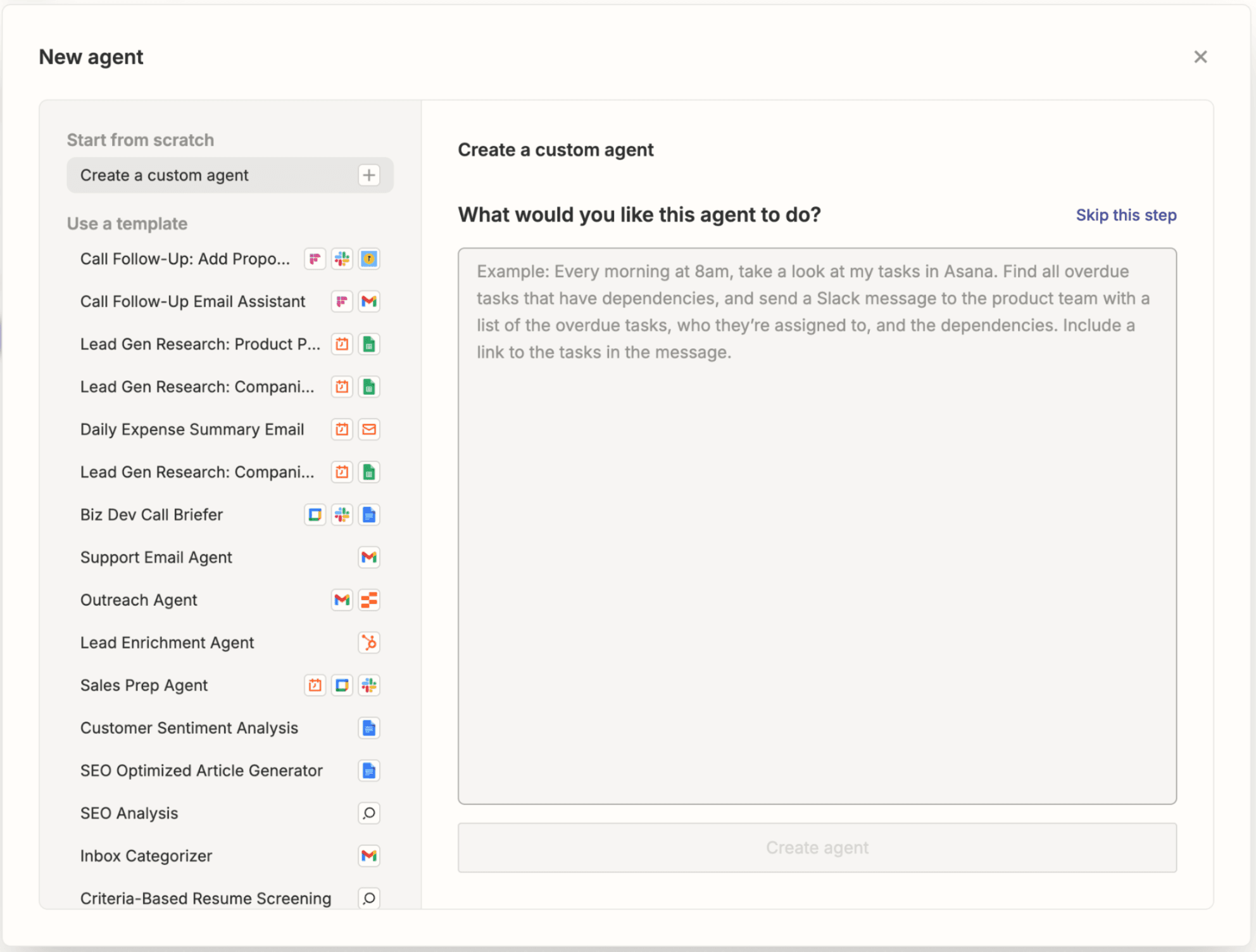
ChatGPT workspace agents win on simplicity for existing OpenAI users. If your team already lives in ChatGPT and you primarily use Google Workspace or Microsoft 365 apps, the native integration is frictionless. The Slack presence is also notable. Agents can run inside channels where your team already works.
The Real Question: Ecosystem Lock-In
Both platforms want to be the center of your automation strategy. Zapier has been building that position for years. OpenAI is leveraging ChatGPT's user base to make a similar play.
Choosing between them is partly a bet on which ecosystem you're willing to commit to. Zapier offers more flexibility today. ChatGPT workspace agents may grow quickly as OpenAI adds integrations. But OpenAI's track record on enterprise features is shorter than Zapier's.
Logicity's Take
Frequently Asked Questions
Can ChatGPT workspace agents connect to Salesforce or other CRM tools?
Currently, ChatGPT workspace agents support HubSpot but not Salesforce. The connector list is limited to Gmail, Google Drive, Google Calendar, Outlook, SharePoint, GitHub, and HubSpot. Zapier connects to both and thousands more.
Is Zapier Agents free to use?
Yes, Zapier Agents has a free tier. Paid plans with more activities start at $33.33 per month.
When do ChatGPT workspace agents stop being free?
ChatGPT workspace agents remain free until May 6, 2026. After that, OpenAI will switch to credit-based pricing, though specific costs haven't been announced.
Can I use Claude or Gemini with ChatGPT workspace agents?
No. ChatGPT workspace agents run exclusively on OpenAI's Codex. Zapier Agents supports multiple AI models including those from OpenAI, Google (Gemini), and Anthropic (Claude).
Which platform has better enterprise security features?
Zapier offers SOC 2 Type II, GDPR, CCPA compliance, AI Guardrails, and Bring Your Own Model through AWS Bedrock. ChatGPT workspace agents provide role-based controls and the Compliance API, with additional controls for Enterprise plan users. Zapier's governance features are more mature.
Enterprise integration platform comparison
Need Help Implementing This?
Source: The Zapier Blog
Huma Shazia
Senior AI & Tech Writer
Produced with AI assistance and reviewed by the Logicity editorial team. Learn more in our Editorial Policy.