Key Takeaways
- Celigo's complexity drives 40% of teams to seek simpler alternatives within 6 months
- No-code platforms like Zapier cut integration deployment from months to days
- Microsoft-heavy companies can save 30% by choosing Power Automate over third-party iPaaS
According to [Zapier's enterprise automation team](https://zapier.com/blog/celigo-alternatives), Celigo's deep ERP connectors come with a hidden cost: months of setup time and technical complexity that shuts out non-developer teams from building automations.
Here's the uncomfortable truth about enterprise integration: the platform you chose 18 months ago is probably slowing you down today. Celigo is powerful. It connects NetSuite, Shopify, Salesforce, and SAP with impressive depth. But if your company doesn't live exclusively in those ecosystems, or if you want marketing, ops, and finance teams building their own workflows, you're going to hit walls fast.
Why Are Companies Switching From Celigo in 2026?
The business case for switching isn't about Celigo being bad. It's about opportunity cost. Every month your integration project stays in the 'IT backlog' is a month your competitors are automating customer onboarding, syncing inventory in real-time, or letting their ops team build approval workflows without filing tickets.
- Pre-built connector dependency: Celigo excels with NetSuite and Shopify, but custom integrations require developer resources
- Technical barrier: Teams that 'close a tab the moment they see a JSON payload' won't adopt it
- AI features still maturing: Celigo's Ora AI assistant exists, but lags behind purpose-built no-code AI tools
- Total cost of ownership: License fees plus implementation plus ongoing developer time adds up
The question isn't whether Celigo works. It's whether it works for who needs to use it. If integration stays locked in IT, you're paying enterprise prices for a bottleneck.
What's the Best Celigo Alternative for Your Company?
The right choice depends on three factors: your existing tech stack, who needs to build integrations, and your compliance requirements. A Microsoft-heavy Fortune 500 company has different needs than a 50-person e-commerce startup scaling fast.
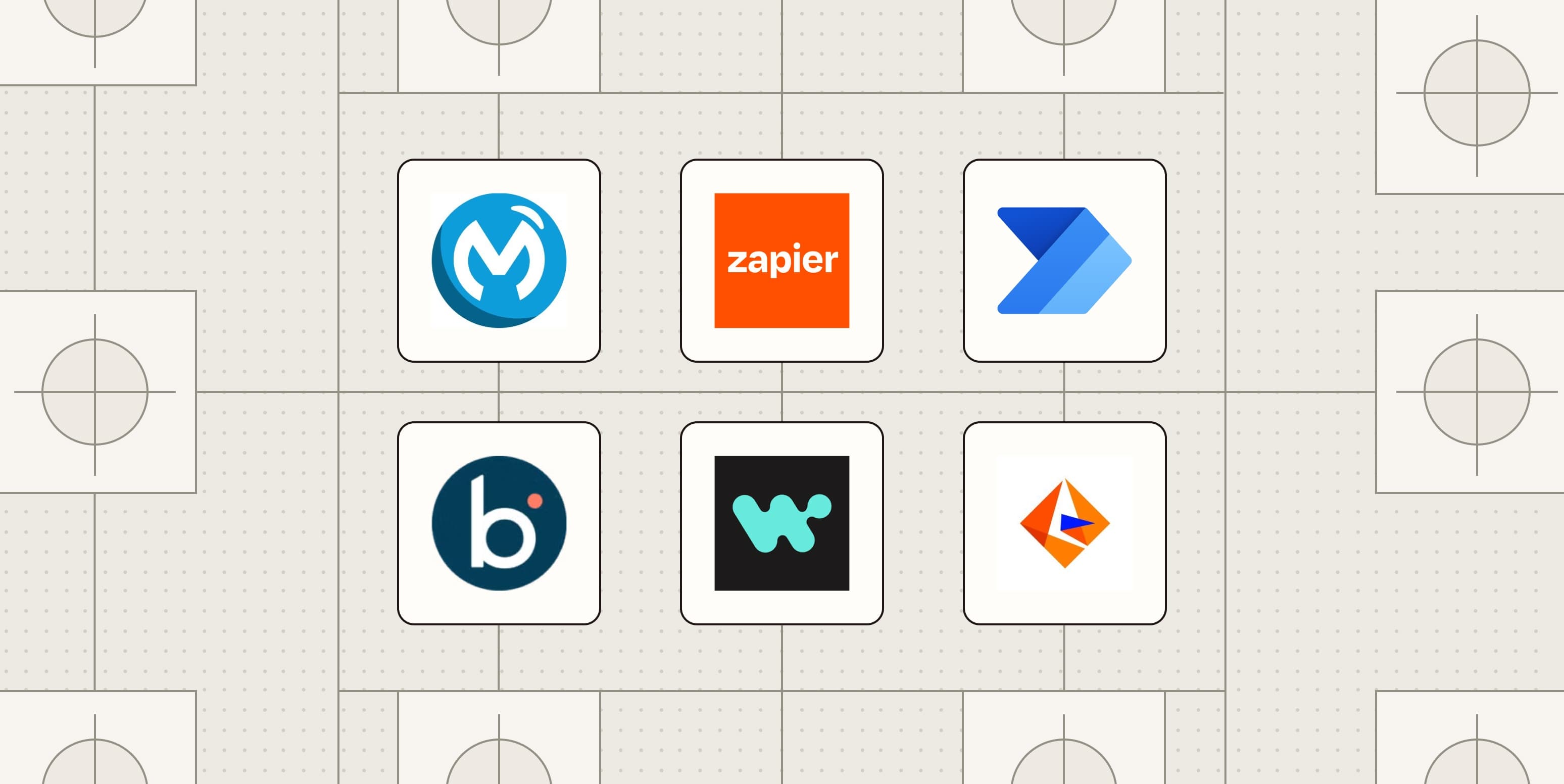
| Platform | Best For | Starting Price | Time to First Integration |
|---|---|---|---|
| Zapier | AI orchestration, org-wide automation | $19.99/month | Hours |
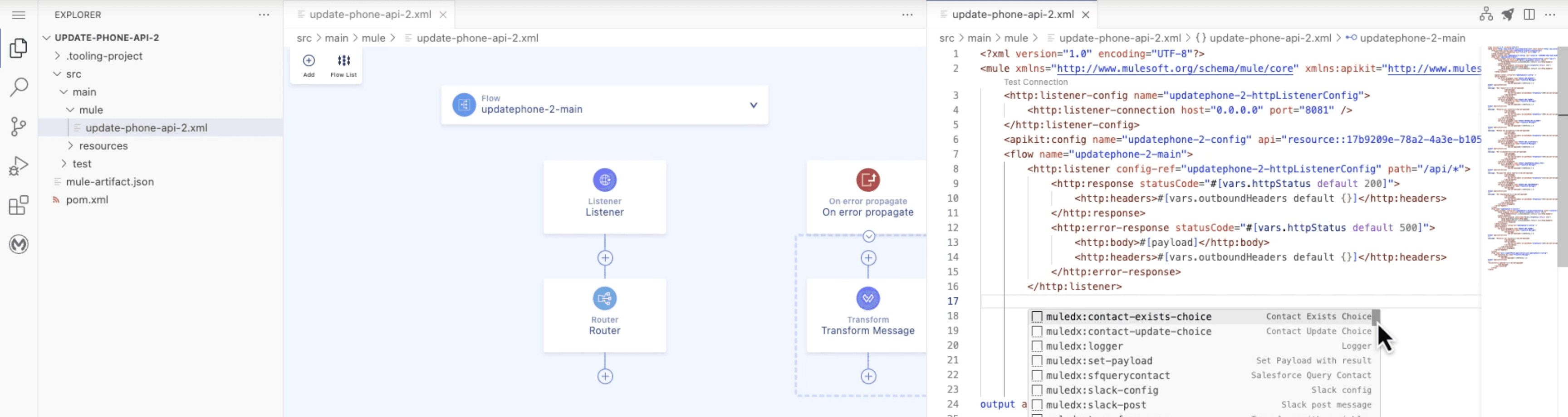
| MuleSoft Anypoint | Enterprise API management | Custom quote | Weeks |
| Microsoft Power Automate | Microsoft 365 companies | $15/user/month | Days |
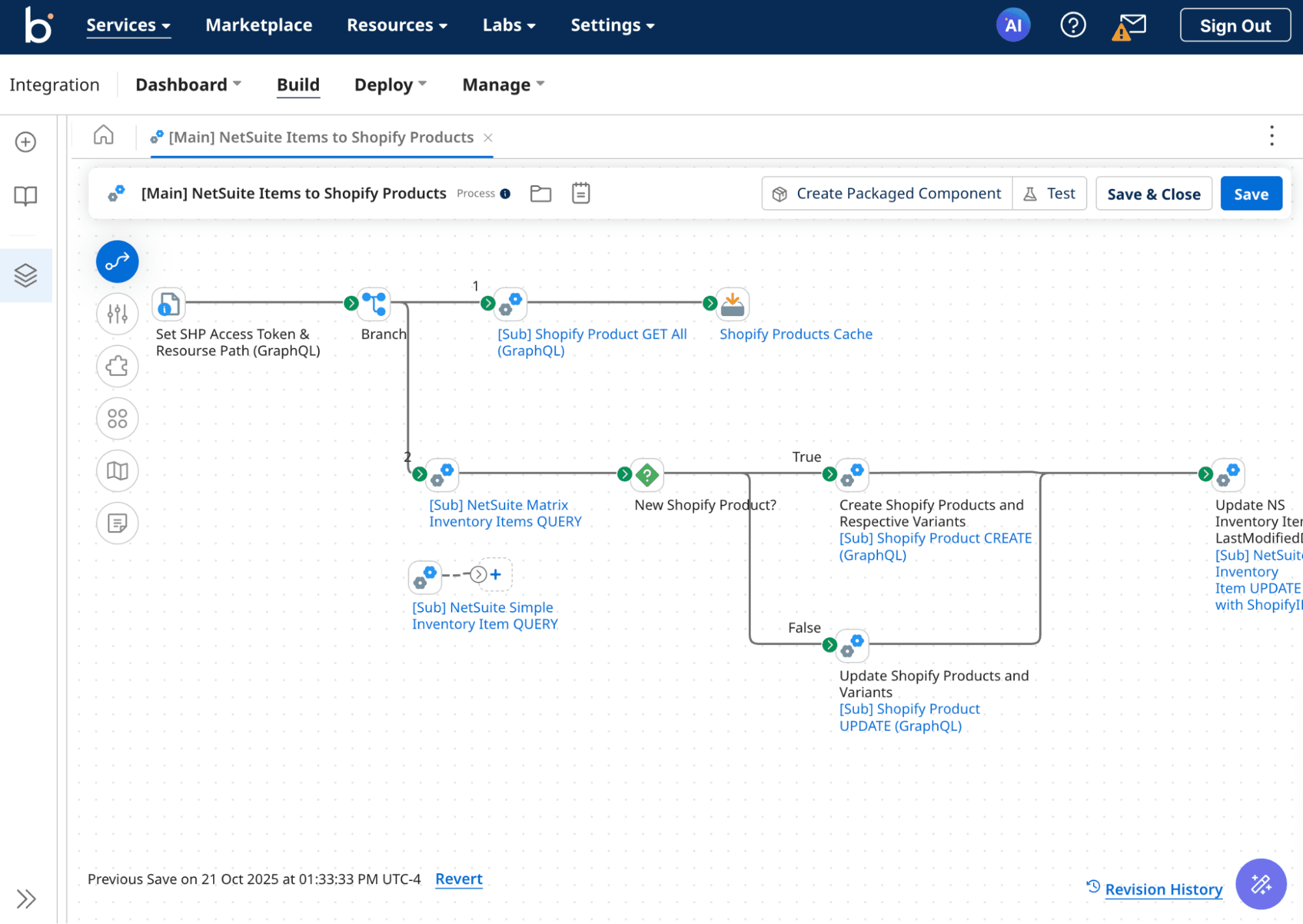
| Boomi | Hybrid cloud/on-prem unification | Custom quote | Weeks |
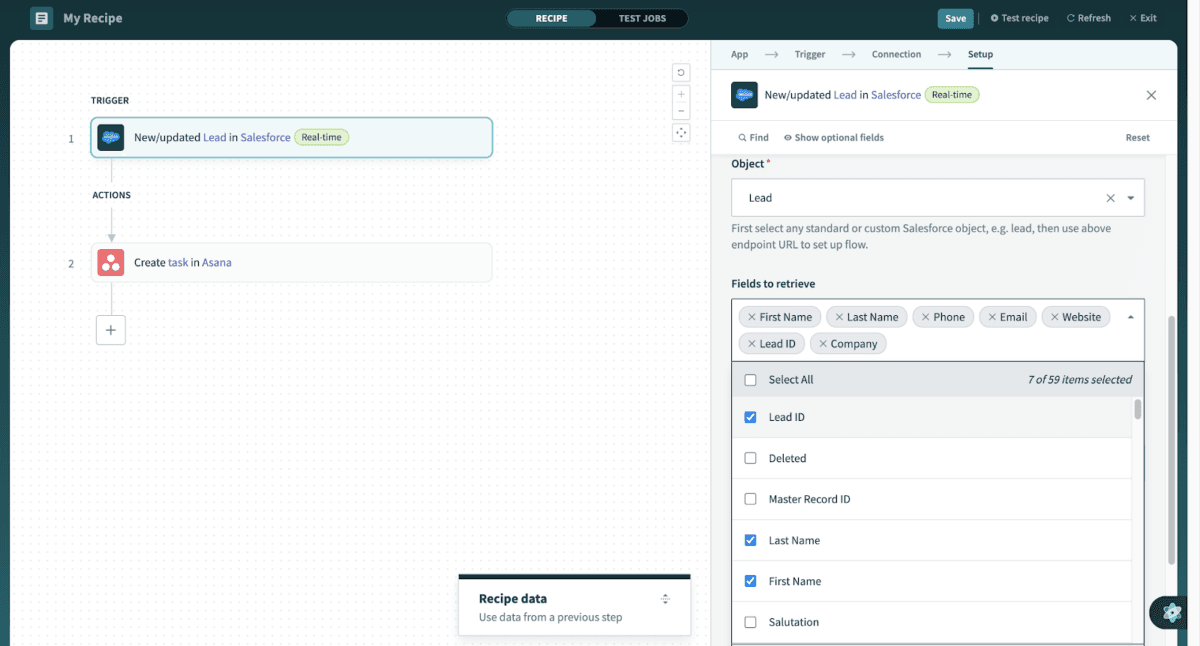
| Workato | Enterprise iPaaS recipes | Custom quote | Days-Weeks |
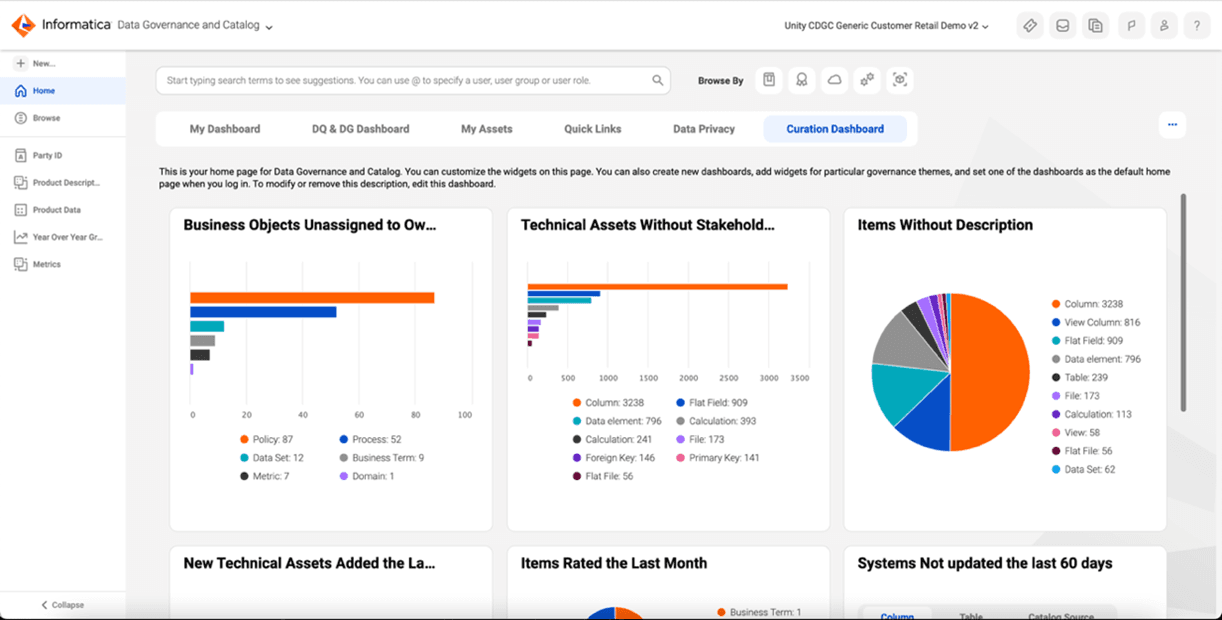
| Informatica | Cloud data management | Custom quote | Weeks |
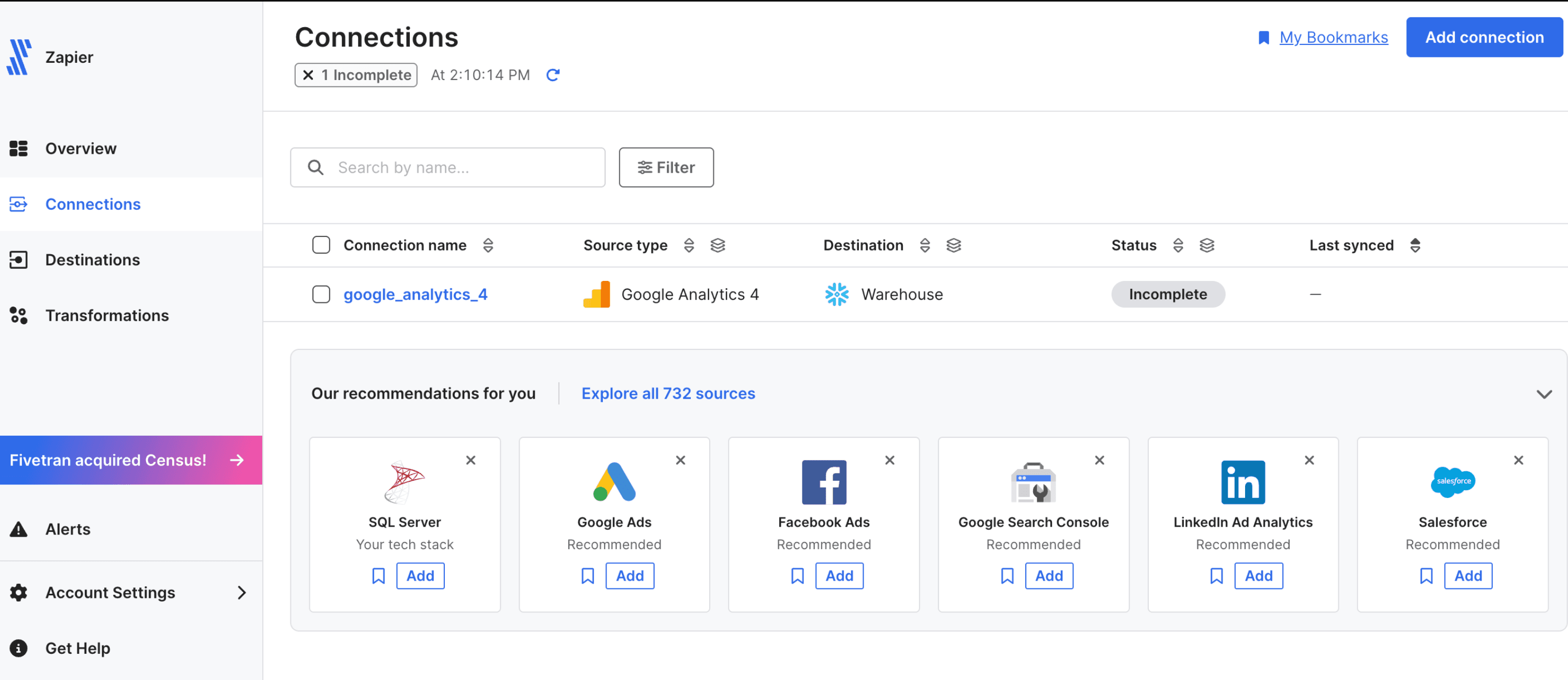
| Fivetran | ETL and data pipelines | Usage-based | Hours-Days |
How Does Zapier Compare to Celigo for Enterprise Use?
Zapier has repositioned itself from 'simple automation tool' to 'AI orchestration platform.' For business leaders, the translation is this: your marketing manager can build a workflow that routes leads, updates your CRM, and triggers personalized follow-ups without waiting for IT approval.
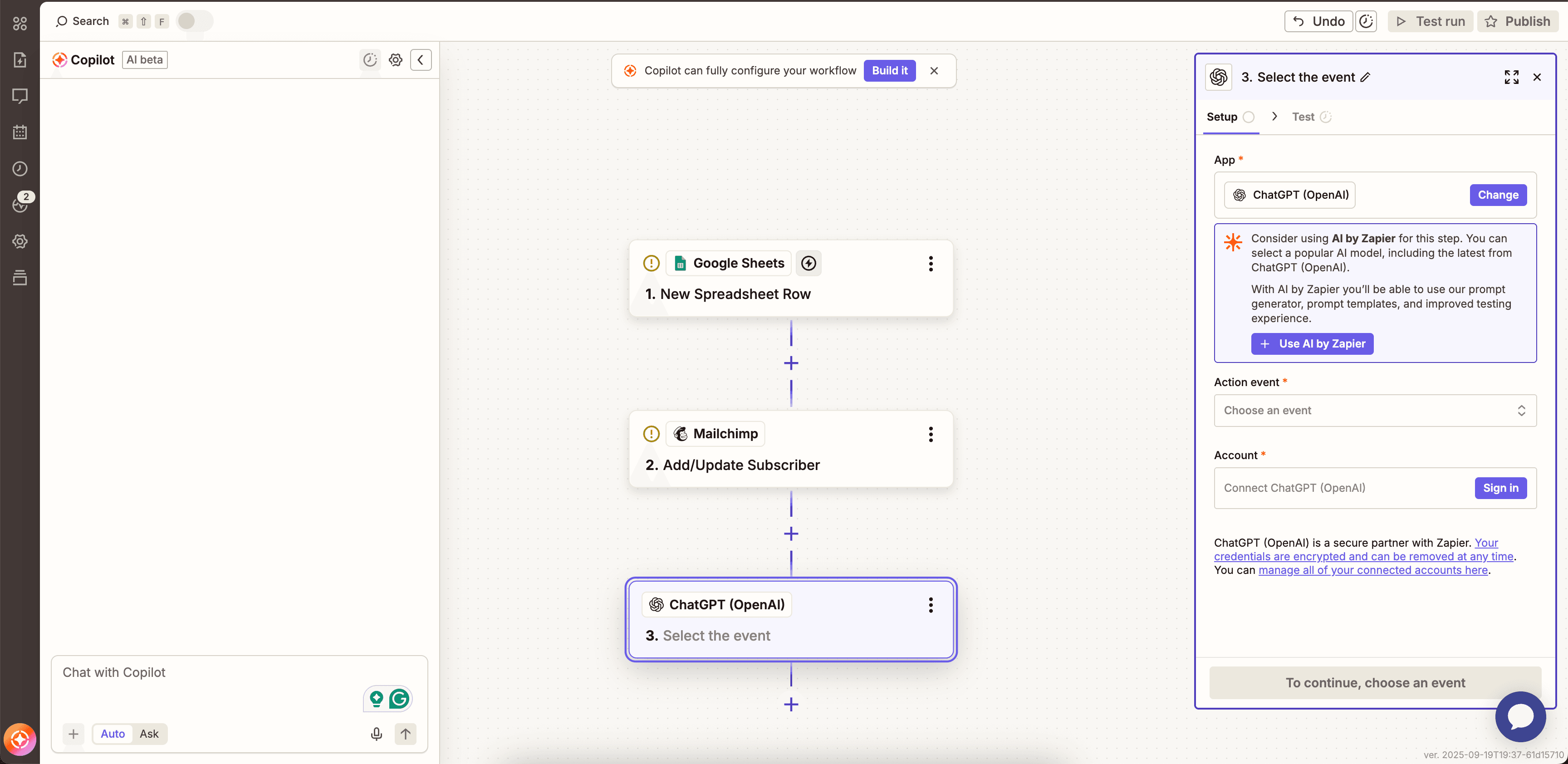
The strategic advantage isn't just breadth. Zapier's Copilot lets teams describe what they want in plain English and generates the workflow. For companies struggling with technical adoption, this removes the biggest barrier to ROI: actually getting people to use the tool.
✅ Pros
- • Natural language workflow building reduces training costs
- • Free tier allows proof-of-concept before budget approval
- • Agents, Tables, and Forms create end-to-end automation without coding
❌ Cons
- • Less depth on ERP-specific integrations than Celigo
- • Enterprise compliance features require higher-tier plans
- • High-volume usage can get expensive quickly
Which Integration Platform Works Best for Microsoft Companies?
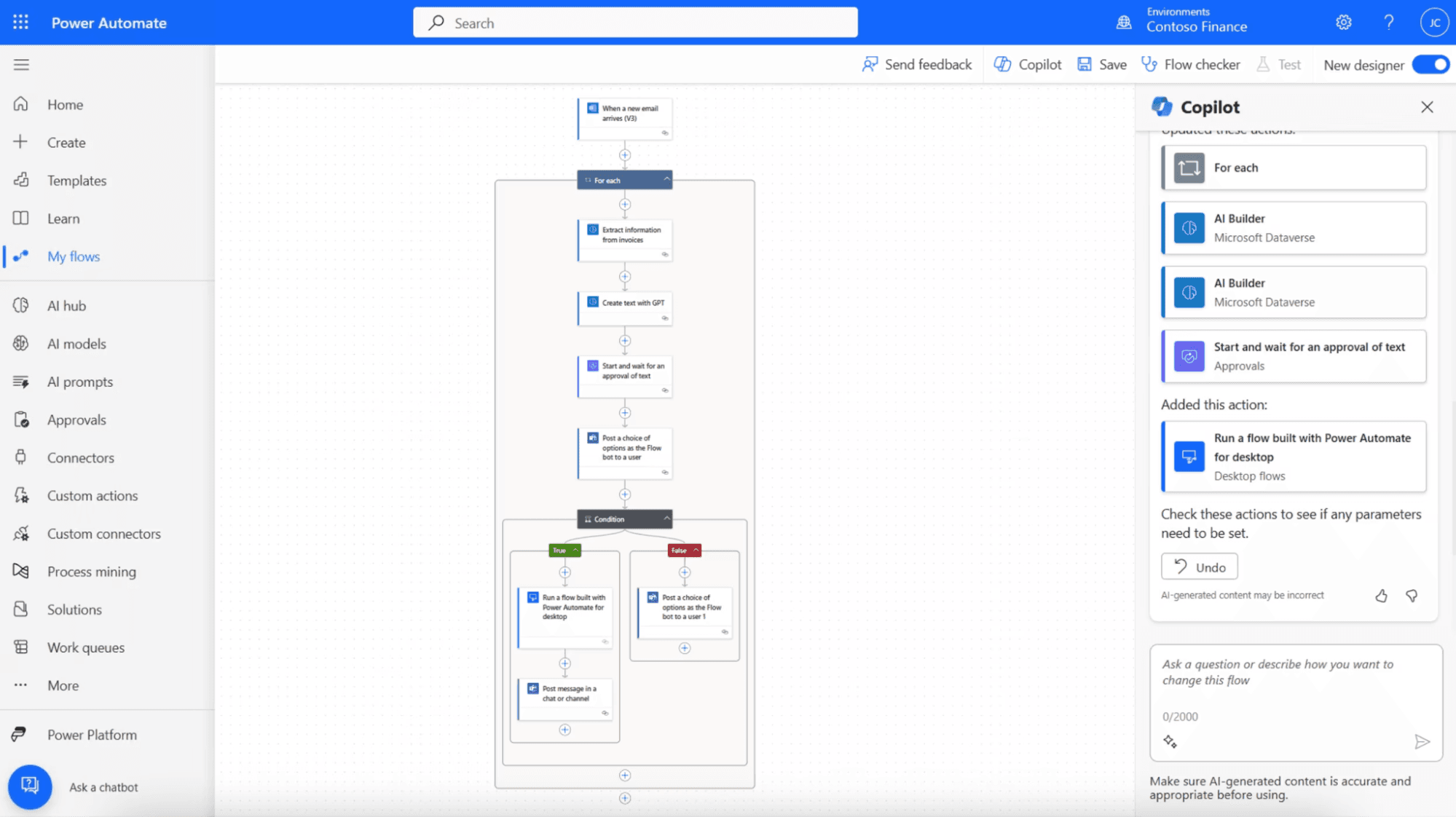
If your company runs on Microsoft 365, Teams, Dynamics, and Azure, choosing a third-party integration platform might be leaving money on the table. Power Automate's $15/user/month pricing includes deep hooks into the Microsoft ecosystem that competitors charge premium rates to match.
The business case is straightforward: you're already paying for the Microsoft stack. Power Automate's RPA capabilities, process mining, and Copilot integration come bundled. For Microsoft-centric companies, this can mean 30% lower total cost compared to adding Celigo or Workato on top.
Strategic Consideration
Power Automate's value drops significantly if you need to integrate non-Microsoft apps heavily. The platform works best when 70%+ of your workflows stay within Microsoft's ecosystem.
When Should You Choose MuleSoft or Boomi Over Simpler Tools?
Here's the honest answer: if you're asking this question, you probably don't need them yet. MuleSoft Anypoint and Boomi are enterprise-grade platforms designed for companies with complex API governance requirements, hybrid cloud/on-prem architectures, and dedicated integration teams.
The indicators that you've outgrown simpler tools:
- You have 50+ systems that need to communicate with strict data governance
- Regulatory compliance requires audit trails and policy enforcement across all integrations
- You're running significant on-premise infrastructure alongside cloud services
- You have (or plan to hire) dedicated integration architects
For companies at this scale, MuleSoft's full API lifecycle management and Boomi's unified platform approach deliver ROI that simpler tools can't match. But the implementation cost and timeline are measured in months and hundreds of thousands of dollars. This is a conversation for your board, not a quick operational decision. Security becomes critical at this scale too. If you're evaluating enterprise platforms, understanding [open source security tools and the build-versus-buy decision](/blog/open-source-security-tools-build-or-buy-for-your-startup) should inform your integration security strategy.
How Much Do Celigo Alternatives Actually Cost?
Pricing transparency is rare in enterprise software, but here's what the numbers actually look like for a mid-size company (200-500 employees) with moderate integration needs:
| Platform | Typical Annual Cost | Hidden Costs to Watch |
|---|---|---|
| Zapier (Team) | $6,000-25,000 | Task overages on high-volume workflows |
| Power Automate | $36,000-90,000 | Premium connectors cost extra |
| Workato | $50,000-150,000 | Recipe complexity tiers |
| Celigo | $75,000-200,000 | Implementation services often required |
| MuleSoft | $150,000-500,000+ | Salesforce dependency, consulting fees |
| Boomi | $100,000-300,000 | Add-on modules for full functionality |
The pattern is clear: you're trading implementation complexity for sticker price. Zapier and Power Automate cost less upfront and deploy faster, but may require workarounds for complex enterprise scenarios. MuleSoft and Boomi cost more but handle edge cases that would break simpler tools.
What About AI-Powered Integration Features in 2026?
Every platform now claims AI capabilities, but the business impact varies dramatically. The question isn't 'does it have AI?' It's 'does AI make my team more productive?'
Zapier's approach stands out here. Their Copilot doesn't just suggest actions. It builds complete workflows from natural language descriptions. For a CFO who needs 'alert me when any invoice over $50,000 is 30 days overdue,' that's a workflow built in minutes instead of a ticket filed with IT.
Celigo's Ora and Workato's AI features focus more on assisting developers than enabling business users. That's a valid approach for companies with strong IT resources, but it doesn't solve the adoption problem. The rise of AI-assisted development tools across the stack is worth watching. How your team uses [AI coding assistants like GitHub Copilot](/blog/github-copilot-cli-what-business-leaders-need-to-know) often predicts how they'll adopt AI-powered integration tools.
Making the Decision: A Framework for Business Leaders
Cut through the feature comparisons with these three questions:
- Who will build integrations? If the answer is 'only IT,' enterprise platforms like Celigo or MuleSoft make sense. If you want business teams self-serving, prioritize Zapier or Power Automate.
- What's your primary integration use case? E-commerce and ERP sync favors Celigo. Data pipeline and analytics favors Fivetran. API management at scale favors MuleSoft.
- What's your timeline? Need results this quarter? No-code tools. Planning a 12-month digital transformation? Enterprise platforms can deliver more comprehensive solutions.
Logicity's Take
We've implemented integration solutions across dozens of projects, from startup MVPs to enterprise systems. Here's what we've learned: the 'best' platform is almost never the most powerful one. It's the one your team will actually use. For most of our clients in the 50-500 employee range, Zapier delivers 80% of what they need at 20% of the complexity. The companies that genuinely need MuleSoft or Boomi usually know it already because they've outgrown simpler tools. One pattern we see repeatedly: companies choose Celigo because it looks 'enterprise-ready,' then struggle with adoption because only three people in the company can actually build workflows. Six months later, they're running Zapier alongside Celigo for the things business teams need to do themselves. If you're evaluating platforms, start with a pilot. Pick one painful integration, build it on your top two candidate platforms, and measure not just whether it works, but whether the people who need it can maintain and modify it without filing IT tickets.
Frequently Asked Questions
How long does it take to migrate from Celigo to another platform?
Plan for 2-4 months for a full migration, depending on complexity. Most companies run both platforms in parallel during transition. The technical migration is usually faster than the organizational change management.
Is Zapier secure enough for enterprise use?
Zapier's Enterprise plan includes SOC 2 Type II compliance, SSO/SAML, and data retention controls. For most industries, this meets compliance requirements. Highly regulated sectors (healthcare, finance) should verify specific certifications match their needs.
What's the ROI timeline for switching integration platforms?
Companies typically see positive ROI within 6-9 months when moving to simpler platforms, driven by reduced IT dependency and faster time-to-automation. The savings come from labor costs more than software licensing.
Can I use multiple integration platforms together?
Yes, and many enterprises do. A common pattern: Zapier for business team automations, MuleSoft for core system APIs, and Fivetran for data warehouse pipelines. The key is clear governance on which platform handles which use cases.
Which Celigo alternative has the best customer support?
Zapier and Workato consistently rate highest for support responsiveness in G2 and Gartner reviews. MuleSoft support quality depends heavily on your Salesforce relationship and contract tier.
Integration platforms handle sensitive data. Understanding your security tooling options helps inform vendor selection.
AI-assisted development tools are reshaping how teams build and maintain integrations.
Need Help Implementing This?
Logicity helps companies select, implement, and optimize integration platforms. Whether you're evaluating Celigo alternatives or building custom automation workflows, our team can accelerate your timeline and avoid common pitfalls. Get in touch for a free integration strategy consultation.
Source: The Zapier Blog
Manaal Khan
Tech & Innovation Writer
Produced with AI assistance and reviewed by the Logicity editorial team. Learn more in our Editorial Policy.