Key Takeaways
- RTX 30-series cards can't use DLSS Frame Generation or Multi-Frame Generation, limiting their usefulness in modern titles
- 8GB VRAM is now a hard wall for 2026 AAA games at resolutions above 1080p
- DLSS 4.5 works on Ampere but with a significant performance penalty compared to newer cards
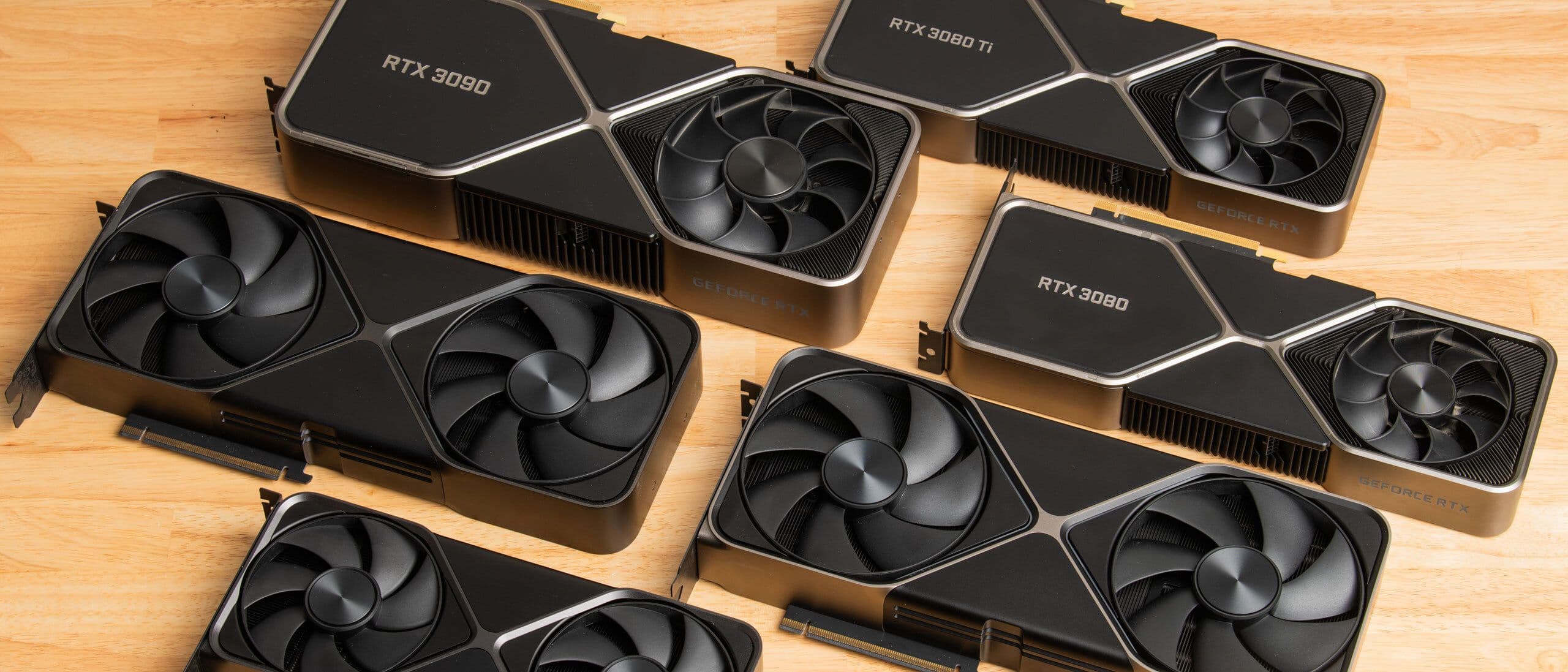
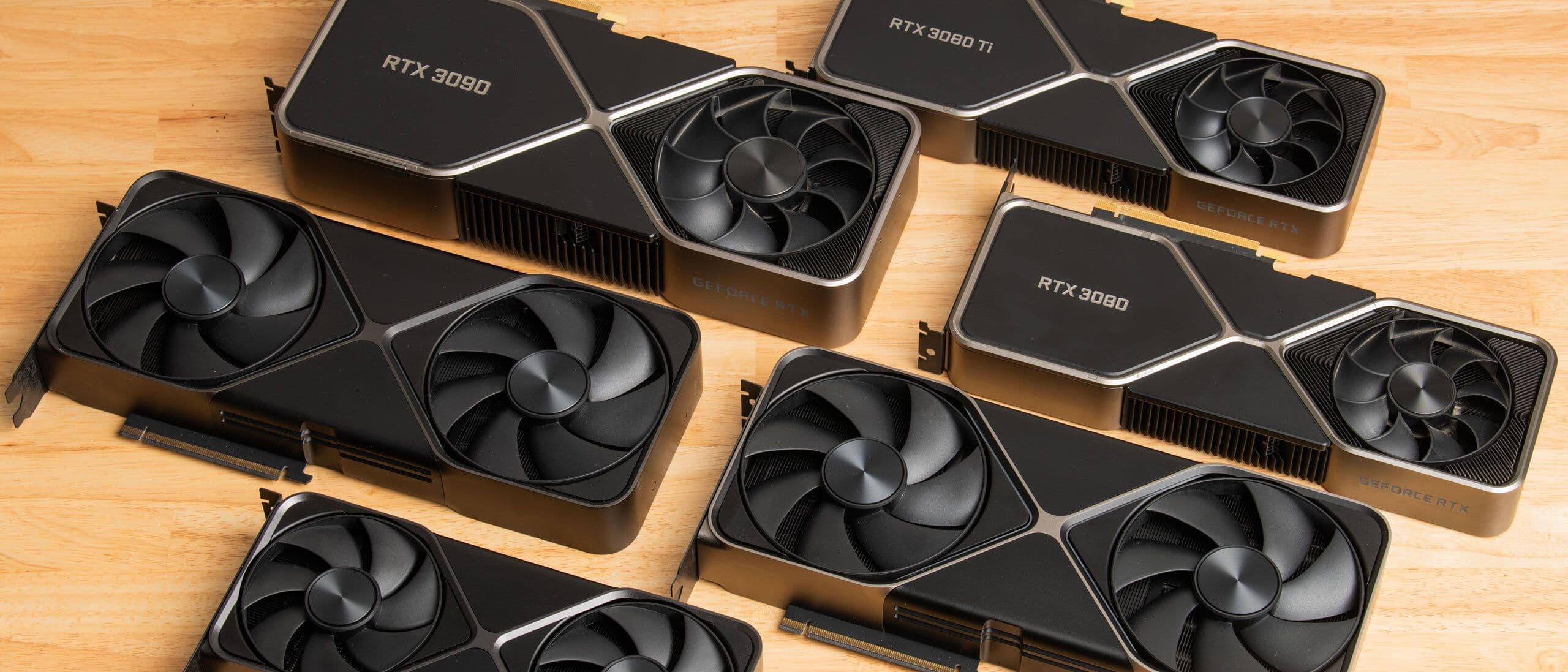
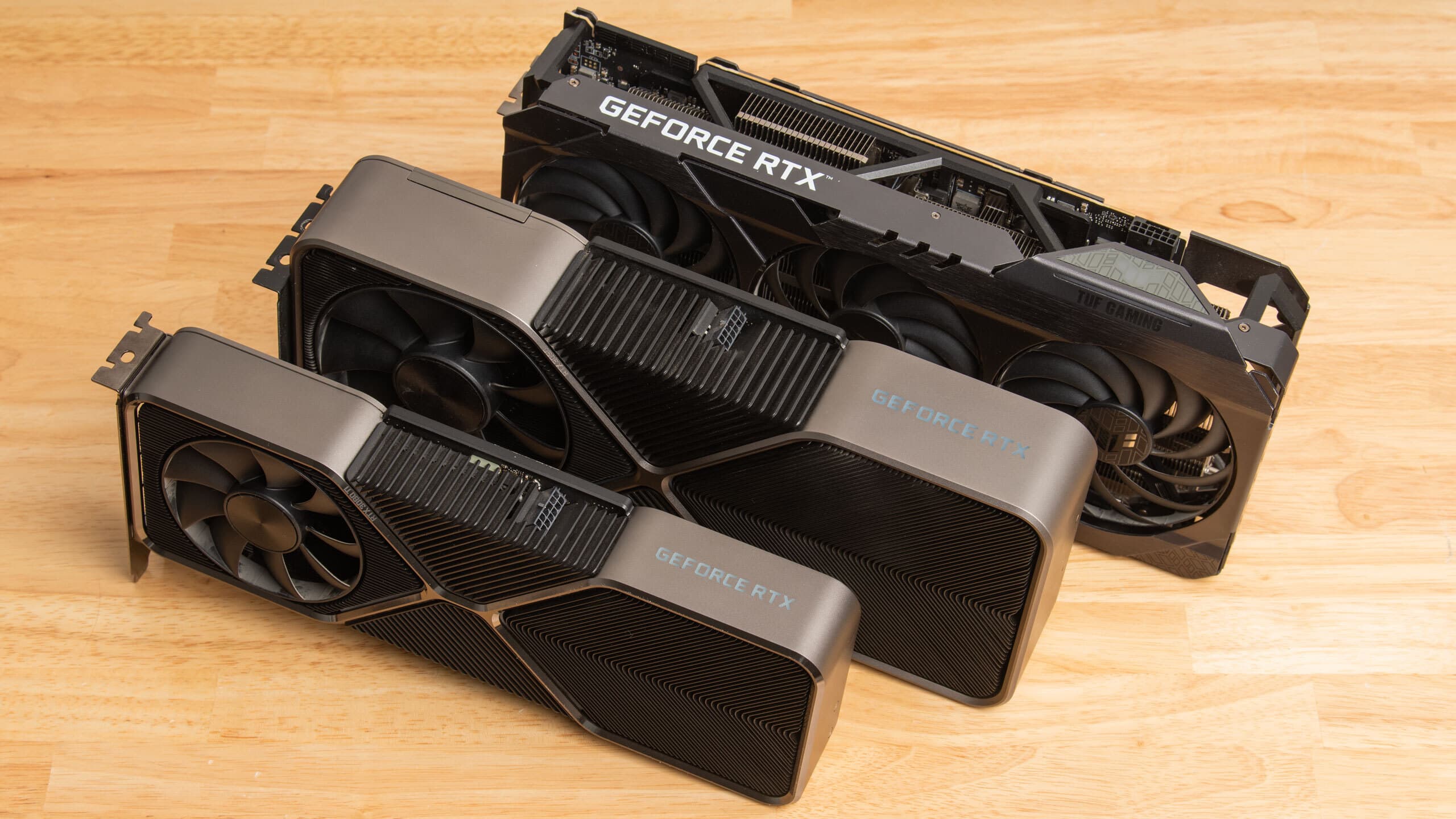
The RTX 30-series made a splash when it arrived in 2020. Massive performance gains, a global chip shortage that made them nearly impossible to buy, and eventually a pandemic-fueled gaming boom that cemented their place in millions of PCs. Now those same cards are approaching their sixth birthdays, and the question many owners face is simple: is it finally time to upgrade?
Tom's Hardware published an extensive upgrade matrix this week, walking through each Ampere GPU and recommending specific upgrade paths. The analysis reveals a generation caught between impressive longevity and increasingly obvious limitations.
The VRAM Wall Is Real
The most pressing issue for RTX 30-series owners isn't raw compute power. It's memory. Even the RTX 3080, the workhorse of the Ampere lineup, shipped with just 10GB of VRAM. That seemed generous in 2020. In 2026, it's a constraint.
Modern AAA titles now treat 8GB as a hard floor. Games like Resident Evil Requiem require owners of 8GB cards to drop texture quality to Medium at resolutions above 1080p. Unless you bought into the high end of Ampere, specifically the 3080 Ti, 3090, or 3090 Ti, you're likely hitting VRAM walls with max settings in current games.
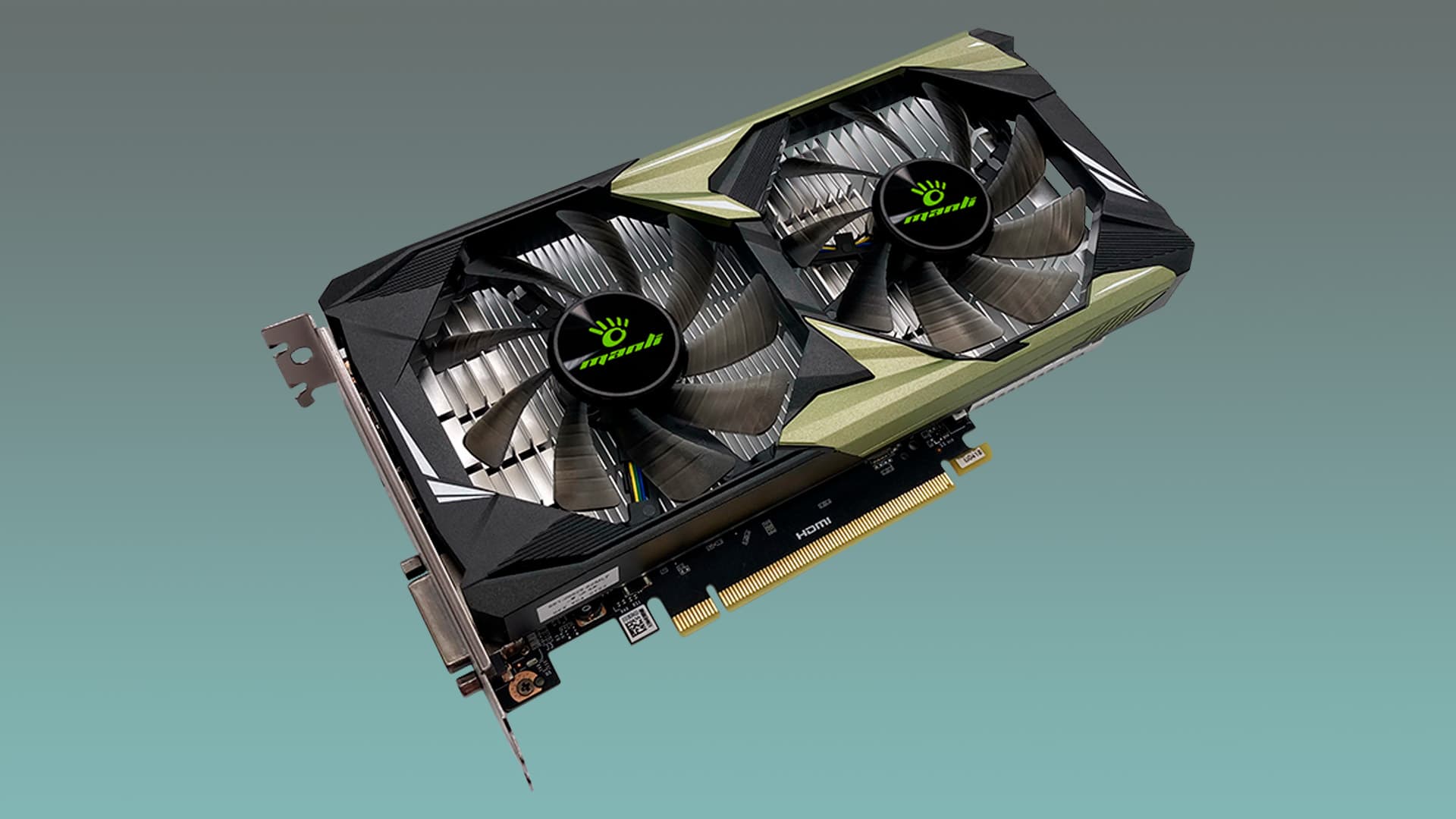
“The 10GB model is particularly constrained... 2026 is the ideal exit point for the Ampere platform.”
— Jeffrey Kampman, Senior Editor at Tom's Hardware
DLSS Support: Present but Penalized
Nvidia hasn't abandoned RTX 30-series owners. The company continues to include Ampere in Game Ready driver updates and DLSS model upgrades. But there's a catch: some features will never come to these cards.
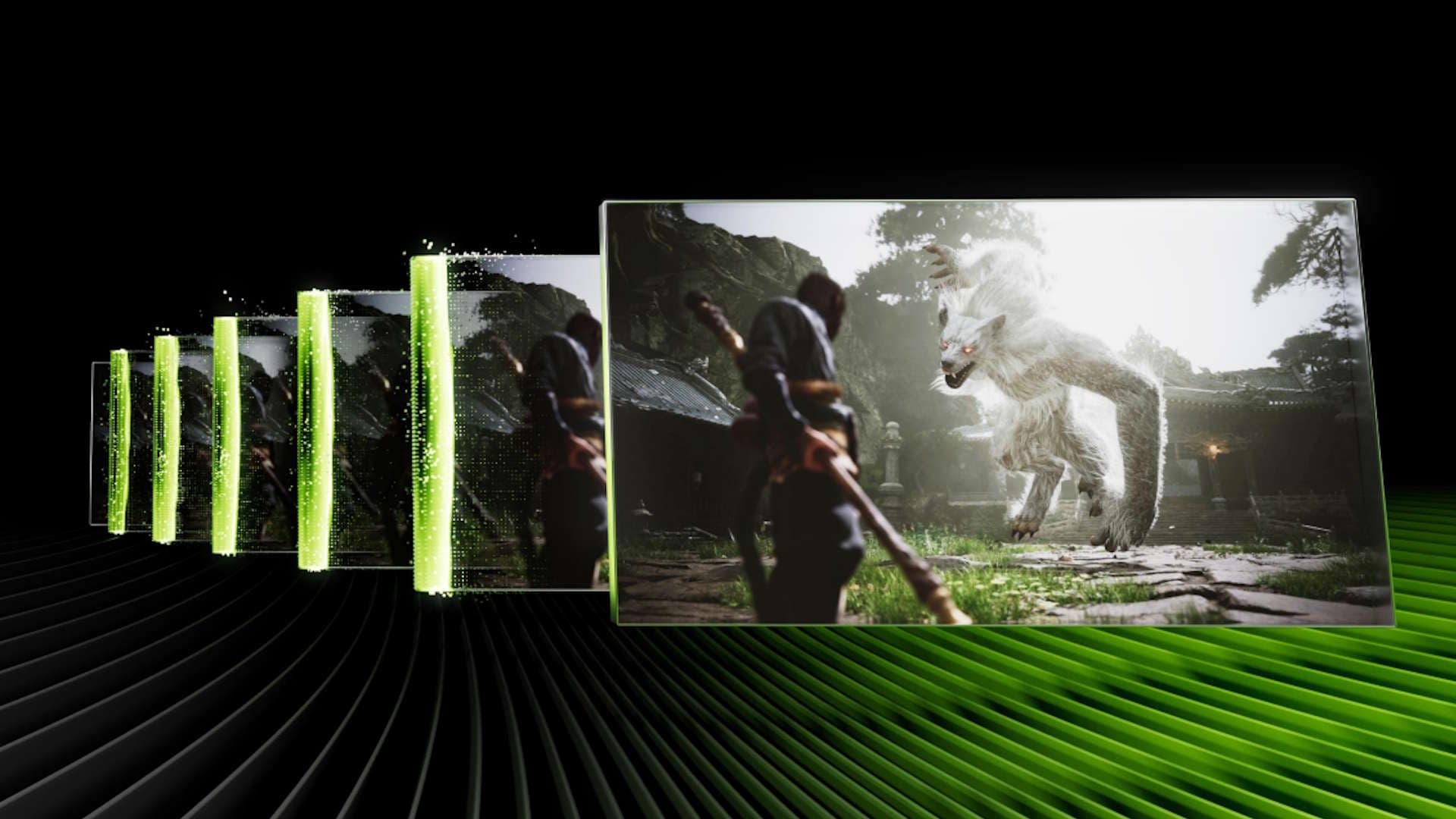
DLSS Frame Generation, the AI-powered feature that inserts interpolated frames to boost perceived smoothness, requires RTX 40-series or newer hardware. The same goes for Multi-Frame Generation, which generates multiple interpolated frames per rendered frame. If you want these features, you need to upgrade.
DLSS 4.5, the latest upscaling model, technically runs on Ampere cards. But it comes with asterisks. The new Transformer-based upscaling takes advantage of FP8 acceleration that only exists in RTX 40 and 50-series Tensor Cores. Running DLSS 4.5 on an RTX 30-series card delivers improved image quality but demands a significant performance penalty compared to older DLSS versions.
For frame generation, Ampere owners are stuck with AMD's cross-platform FSR 3.1 tech, which offers lower image quality than Nvidia's implementation. And that's only in titles that support it.
The RTX 3060: The New GTX 1060
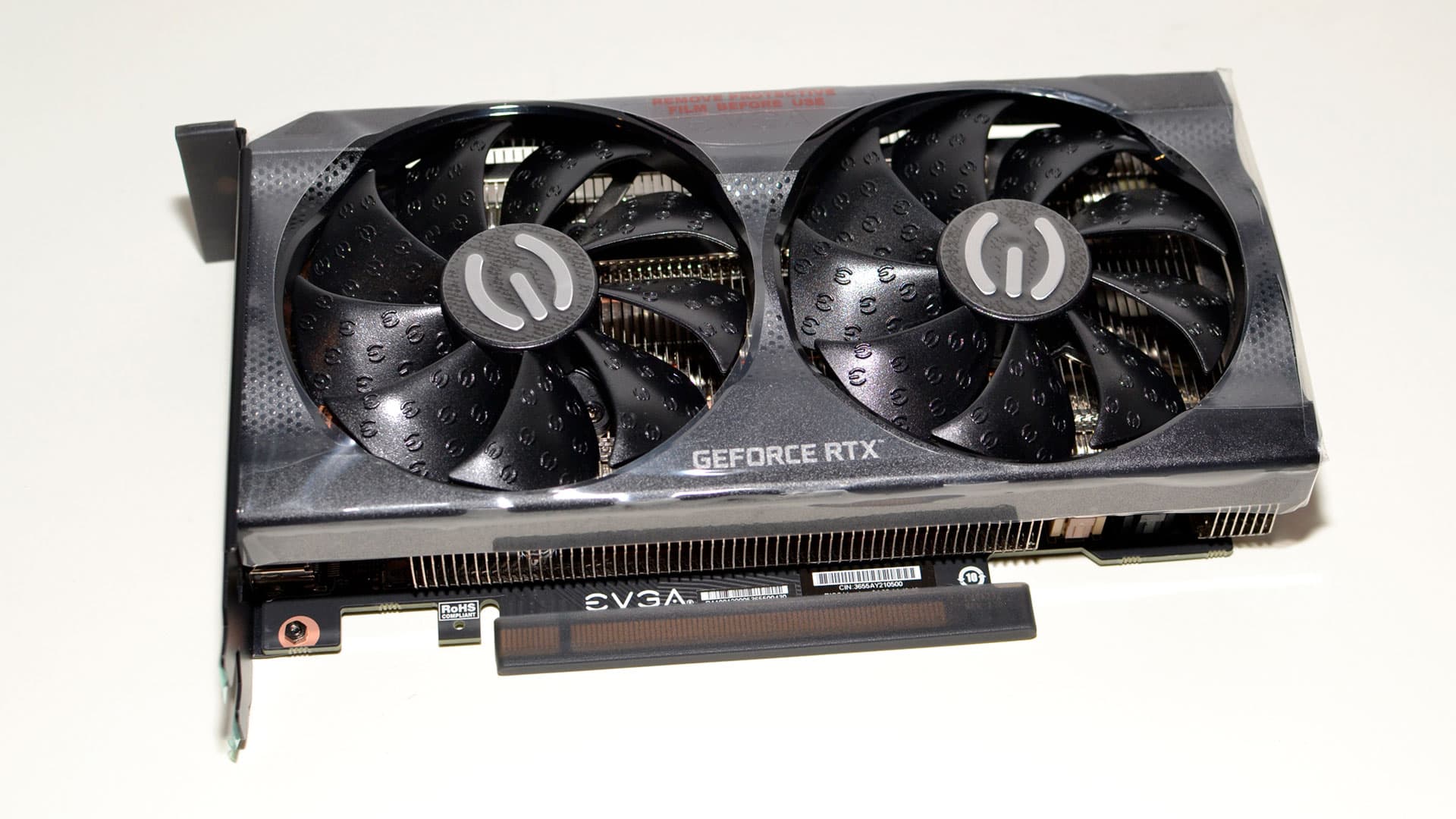
Despite these limitations, one Ampere card refuses to fade away. The RTX 3060 holds 4.1% of Steam's total market share as of March 2026, making it the single most-used GPU on the platform. Six years after launch, it's the dominant force in PC gaming.
“The RTX 3060 is the new GTX 1060—a card with such high adoption it remains the dominant force six years later.”
— Steve Burke, Editor-in-Chief at Gamers Nexus
This presents a challenge for game developers. They can't ignore the massive RTX 3060 install base, which means optimization efforts and minimum specs still account for these cards. For 3060 owners playing at 1080p, that's good news. The card remains viable for longer than its specs might suggest.
What Defines a True Upgrade?
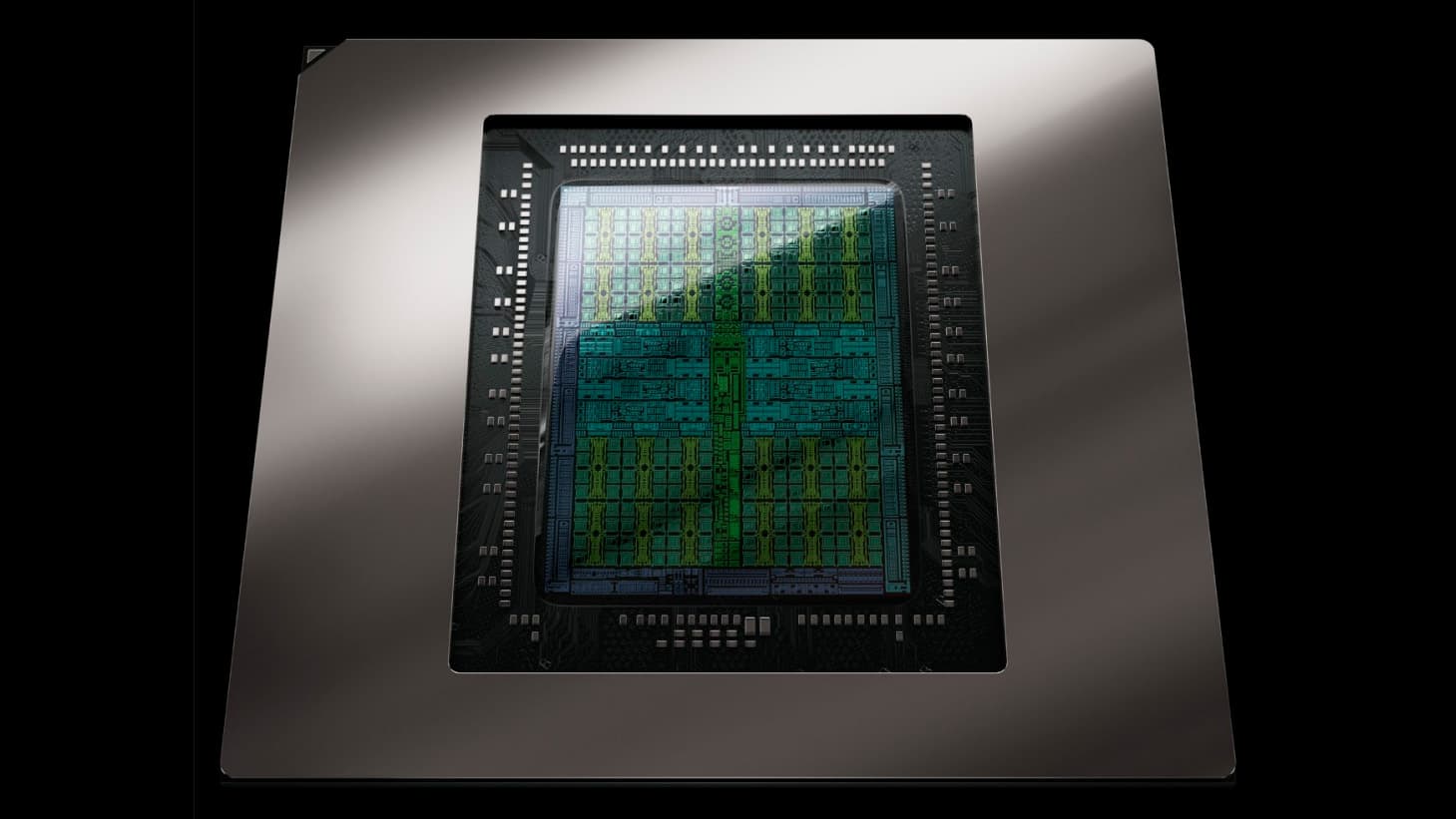
Tom's Hardware set clear criteria for their upgrade recommendations. They looked for at least a 1.5x improvement in overall raster performance as a baseline. Larger jumps are better, but anything below that threshold doesn't justify the cost and hassle of swapping hardware.
The architectural advances in Nvidia's Blackwell GPUs mean any upgrade also delivers improved ray tracing performance. And you'll gain access to DLSS 4.5 without the performance penalty, plus Multi-Frame Generation support.
Their path-traced performance testing with Pragmata illustrates why these AI features matter. In heavily ray-traced scenes, the combination of native rendering plus DLSS upscaling plus frame generation can turn an unplayable 15 fps into a smooth 60 fps experience.
The Community Is Split
Online discussions reveal a divided user base. Some owners, particularly those with RTX 3080, 3090, or their Ti variants, argue their cards remain capable. They point to the "Ampere Truther" position: raw performance is still excellent, VRAM concerns are overblown for 1440p gaming, and waiting for RTX 60-series makes more sense.
Others experience what communities have dubbed "Software FOMO." They're not struggling with frame rates, but they want access to DLSS Frame Generation, Multi-Frame Generation, and the full benefits of DLSS 4.5. For them, the upgrade is about features, not raw power.
Nvidia's 72.8% GPU market share as of April 2026 is largely built on this massive Ampere install base. The company has succeeded in keeping these users in the GeForce ecosystem, but converting them to newer hardware remains a challenge.
The Bottom Line
If you own an RTX 3060 or 3070 and play at 1080p, you can probably hold out another year. These cards remain the backbone of PC gaming, and developers won't abandon them soon.
If you own an RTX 3080 or higher and play at 1440p, the calculus is trickier. Raw performance is fine, but you're hitting VRAM limits in the most demanding titles and missing out on Nvidia's AI-powered frame generation features.
If you want ray tracing with path tracing, frame generation, or Multi-Frame Generation, there's no path forward on Ampere. These features require RTX 40 or 50-series hardware. The upgrade isn't optional. It's mandatory.
Frequently Asked Questions
Can RTX 30-series cards use DLSS Frame Generation?
No. DLSS Frame Generation requires RTX 40-series or newer hardware. RTX 30-series owners can only use AMD's FSR 3.1 frame generation in supported titles.
Does DLSS 4.5 work on RTX 30-series GPUs?
Yes, but with a performance penalty. DLSS 4.5 uses FP8 acceleration only available on RTX 40 and 50-series Tensor Cores. Ampere cards run it slower than previous DLSS versions.
Is 8GB VRAM enough for gaming in 2026?
Barely. Current AAA games treat 8GB as the minimum, often requiring Medium textures at resolutions above 1080p. Cards with 10GB or less are increasingly constrained.
What's the most popular GPU on Steam in 2026?
The RTX 3060, with 4.1% market share as of March 2026. It's the most-used single GPU model on the platform.
Should I upgrade from an RTX 3080 in 2026?
It depends on your priorities. For raw raster performance at 1440p, the 3080 remains capable. For DLSS Frame Generation, Multi-Frame Generation, or VRAM headroom in future titles, upgrading to Blackwell makes sense.
Logicity's Take
For readers considering display upgrades alongside GPU upgrades
Need Help Implementing This?
Source: Latest from Tom's Hardware
Huma Shazia
Senior AI & Tech Writer
Produced with AI assistance and reviewed by the Logicity editorial team. Learn more in our Editorial Policy.