Key Takeaways
- Samsung is reportedly considering moving the Galaxy S27's camera placement to accommodate Qi2 magnets
- Built-in magnets would allow MagSafe accessories to work without a case, matching Google Pixel and iPhone functionality
- Rising RAM and storage costs may delay the magnet feature to the Galaxy S28 series
Why Samsung Might Redesign the Camera Layout
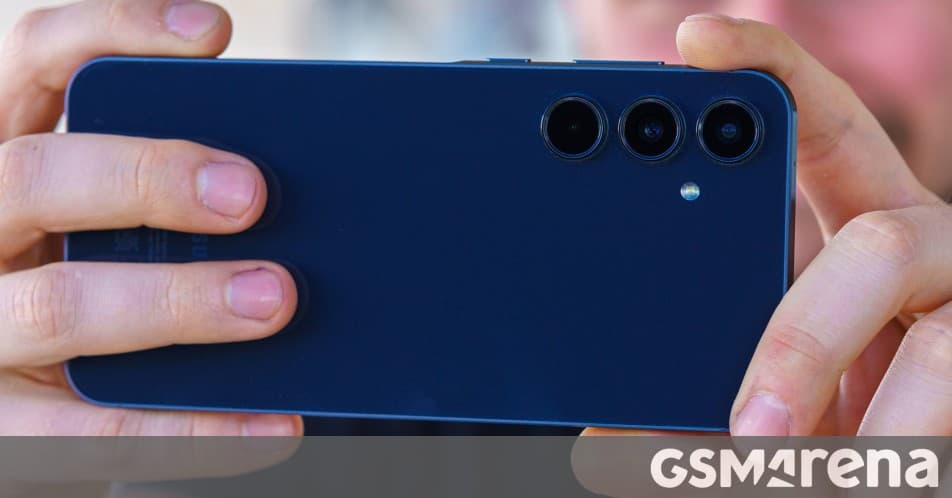
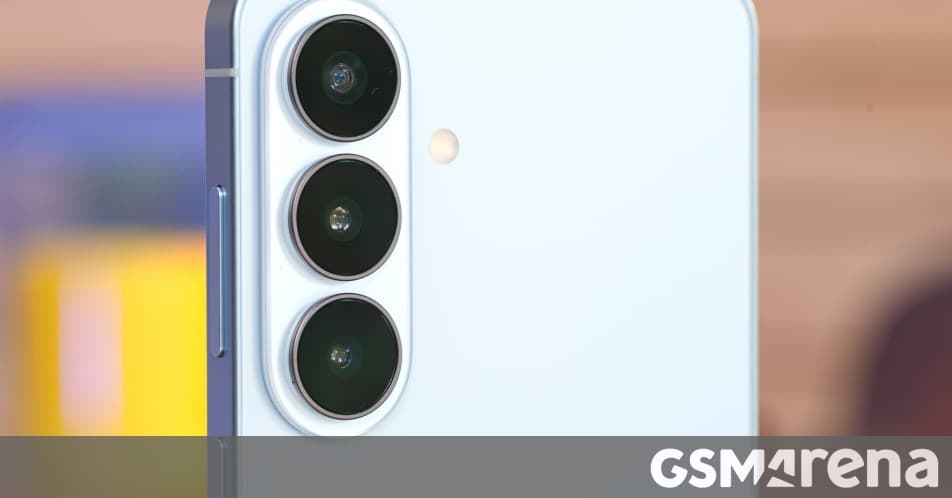
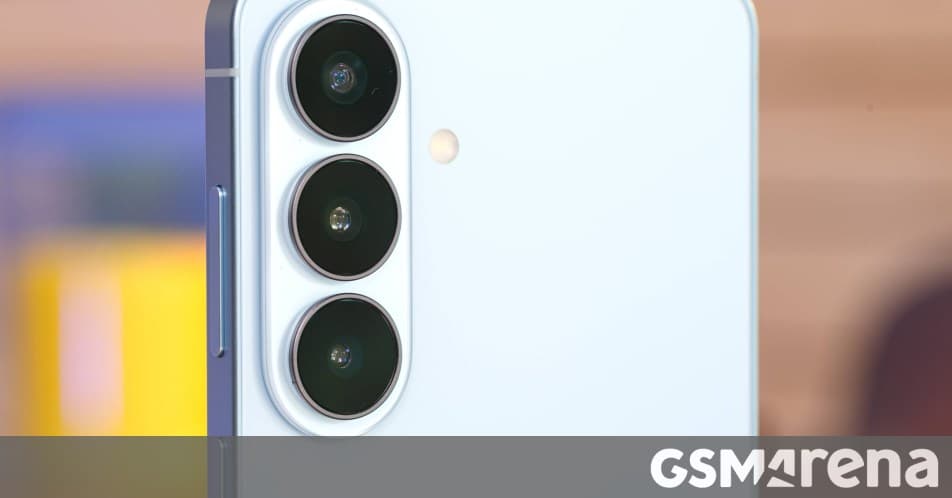
Samsung has kept the same basic camera island placement on its flagship phones for years. The vertical strip of lenses in the upper left corner became a signature design element. But according to a new rumor out of Korea, the Galaxy S27 may break that tradition.
The reason isn't purely aesthetic. The rumored camera shuffle would make room for magnets on the back of the phone. These magnets are part of the Qi2 wireless charging standard, which Apple pioneered with MagSafe on the iPhone 12 back in 2020.
The report doesn't specify exactly how the camera island would change. It only notes that Samsung is actively considering the redesign. If it happens, the S27 would look noticeably different from its predecessors.
What Qi2 Magnets Would Mean for Galaxy Users
Qi2 is the latest version of the wireless charging standard. Its defining feature is a ring of magnets that align the phone perfectly with the charging pad. This alignment improves charging efficiency and lets accessories snap directly onto the phone's back.
Apple has had this for five years. Google added Qi2-compatible magnets to its Pixel phones. But Samsung's flagship Galaxy S devices still lack built-in magnets. Users who want MagSafe-style accessories need a special case with magnets embedded in it.
Built-in magnets would change that. Galaxy S27 owners could use MagSafe wallets, car mounts, battery packs, and chargers without any case at all. It's a convenience feature that Samsung's competitors already offer.
Cost Concerns May Delay the Feature
The rumor includes a significant caveat. The source mentions that "due to recent cost issues," Samsung may put the entire magnet project on hold. If that happens, Qi2 magnets might not appear until the Galaxy S28 instead.
The specific cost pressure cited is RAM and storage prices. Memory prices fluctuate based on supply and demand across the entire tech industry. If prices rise, Samsung may need to cut costs elsewhere to maintain its target profit margins.
Adding magnets requires engineering work beyond just the magnets themselves. The camera repositioning, new back panel tooling, and potential changes to internal component layout all cost money. It's the kind of project that could get trimmed during a cost crunch.
Timeline and What to Expect
The Galaxy S27 would launch in early 2026 if Samsung follows its usual schedule. The company typically announces its flagship S-series phones in January or February.
This rumor is early. Design decisions at this stage can change multiple times before a phone reaches production. The fact that Samsung is considering the change doesn't guarantee we'll see it.
If the Qi2 magnets do get pushed to the S28, that phone would arrive in early 2027. Samsung would be seven years behind Apple and two years behind Google in adding native MagSafe support.
More on Samsung's upcoming product plans
Frequently Asked Questions
Will the Samsung Galaxy S27 support MagSafe?
According to the rumor, Samsung is considering adding Qi2-compatible magnets to the Galaxy S27. This would allow MagSafe accessories to work without a special case. The feature may be delayed to the S28 due to cost concerns.
Why would Samsung need to move the cameras for magnets?
The Qi2 magnet ring needs to be centered on the phone's back panel. The current camera island placement may conflict with where the magnets need to go. Moving the cameras would free up space for proper magnet positioning.
When is the Samsung Galaxy S27 expected to launch?
Samsung typically announces its flagship S-series phones in January or February. The Galaxy S27 would follow this pattern, launching in early 2026.
Do any Android phones currently have built-in MagSafe magnets?
Yes. Google added Qi2-compatible magnets to its recent Pixel phones. Samsung's Galaxy S series does not currently have built-in magnets, so users need a magnetic case for MagSafe accessories.
Logicity's Take
Need Help Implementing This?
Source: GSMArena.com / Vlad
Manaal Khan
Tech & Innovation Writer
Produced with AI assistance and reviewed by the Logicity editorial team. Learn more in our Editorial Policy.