Key Takeaways
- Samsung Galaxy Glasses will cost between $379 and $499, competing directly with Meta Ray-Ban glasses
- The glasses run Android XR with Gemini built in and weigh about 50g with a 12MP Sony IMX681 camera
- A second-generation model with a display is codenamed Haean and expected in 2027 for $600-$900
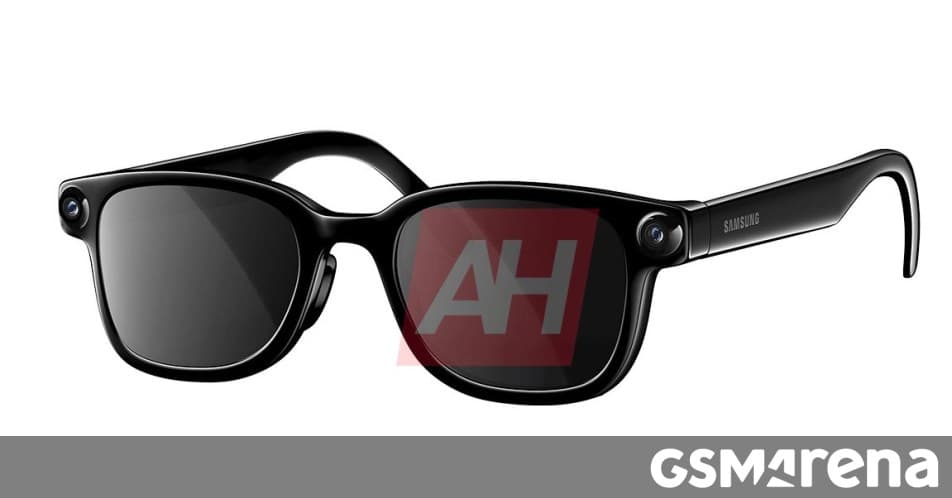
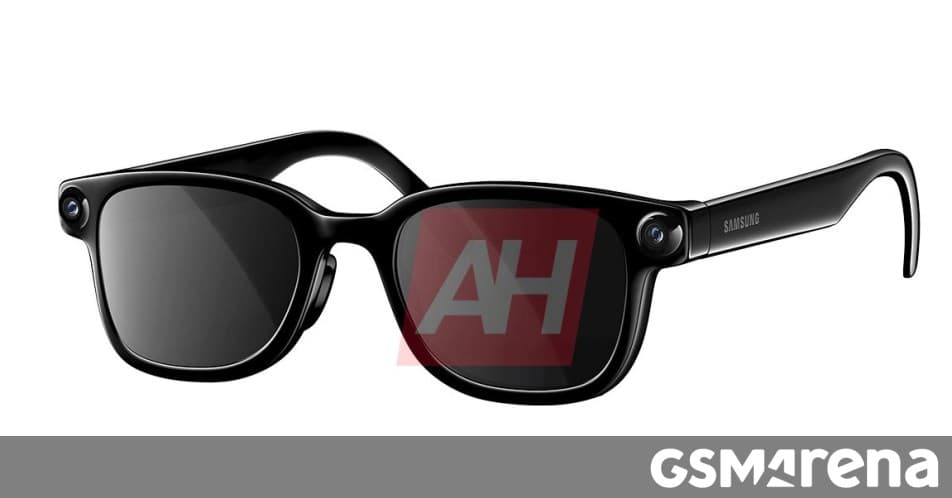
Samsung's first smart glasses just got a lot more real. Leaked renders published today show the Galaxy Glasses from three different angles, giving us our clearest look yet at what Samsung has been building since it first teased the project in March.
The price? Between $379 and $499, according to the leak. That puts Samsung's entry squarely in Meta Ray-Ban territory, setting up a direct fight for the smart glasses market.
What the Specs Tell Us
The first-generation Galaxy Glasses won't have a display. Instead, Samsung is focusing on camera, audio, and AI integration. Here's what the leak reveals about the hardware:
- Qualcomm Snapdragon AR1 chipset with Wi-Fi and Bluetooth 5.3
- 12MP camera using Sony's IMX681 sensor
- 155 mAh battery
- Directional speakers
- Weight of approximately 50 grams
The 50g weight matters. For context, the Meta Ray-Ban glasses weigh about 49g. Samsung clearly studied what users will tolerate wearing on their faces all day.
Samsung partnered with Warby Parker and Gentle Monster on the frame designs. That's a smart move. Fashion brands bring credibility that tech companies can't manufacture on their own.
Android XR and Gemini Integration
Unlike Meta's glasses, which run custom Meta software, Samsung's Galaxy Glasses will run Android XR. That means Google's Gemini AI comes built in.
Google I/O is happening next month, and we should hear more about the Android XR platform then. This timing suggests Samsung and Google are coordinating their announcements.
The choice of Android XR creates an interesting split in the smart glasses market. Meta controls its own AI stack with Meta AI. Samsung is betting on Google's ecosystem instead. For users already deep in Google's services, that could be a selling point.
Second-Generation Already Planned
Samsung isn't stopping with the first model. A second-generation version, codenamed Haean, will add an actual display. The leak puts that release in 2027 with a price between $600 and $900.
That's a big jump in price, but it also represents a big jump in capability. Screen-equipped glasses move from "camera and AI assistant" territory into augmented reality. Think navigation overlays, notifications in your field of view, and visual translations.
When to Expect the Launch
The Galaxy Glasses will likely debut at Samsung's summer Unpacked event, expected in July. That's the same event where Samsung plans to unveil the Galaxy Z Fold8, Galaxy Z Flip8, and the new Galaxy Z Fold Wide.
Bundling the glasses announcement with major phone launches makes sense. Samsung can pitch the glasses as part of a broader Galaxy ecosystem rather than a standalone experiment.
The Competition Samsung Is Facing
Meta has a head start. The Meta Ray-Ban glasses launched in 2023 and have built up a user base and app ecosystem. They start at $299, making them cheaper than Samsung's rumored entry price.
But Samsung has advantages too. Integration with Galaxy phones could be tighter than what Meta offers for Android users. And Gemini might prove more capable than Meta AI for certain tasks.
The real question is whether consumers want smart glasses at all. Meta hasn't released sales figures, which usually means the numbers aren't impressive enough to brag about. Samsung is betting the market will grow, and they want to be there when it does.
Logicity's Take
Frequently Asked Questions
When will Samsung Galaxy Glasses be released?
Samsung is expected to unveil the Galaxy Glasses at its summer Unpacked event in July 2025.
How much will Samsung Galaxy Glasses cost?
The first-generation Galaxy Glasses are rumored to cost between $379 and $499.
Do Samsung Galaxy Glasses have a display?
No, the first-generation Galaxy Glasses won't have a screen. A second-generation model with a display, codenamed Haean, is expected in 2027.
What AI assistant will Samsung Galaxy Glasses use?
The Galaxy Glasses will run Android XR with Google's Gemini AI built in.
How do Samsung Galaxy Glasses compare to Meta Ray-Ban glasses?
Both weigh about 50g and offer camera and AI features. Meta starts at $299, while Samsung's are expected to start at $379. Samsung uses Android XR with Gemini, while Meta uses its own AI assistant.
Need Help Implementing This?
Source: GSMArena.com / Vlad
Huma Shazia
Senior AI & Tech Writer
Produced with AI assistance and reviewed by the Logicity editorial team. Learn more in our Editorial Policy.