Key Takeaways
- 14 critical vulnerabilities patched — delaying this update exposes enterprise devices to known exploits
- Galaxy A53 nearing its 4-year update commitment — time to plan device refresh cycles
- Rolling out region by region — IT teams should push manual updates rather than waiting
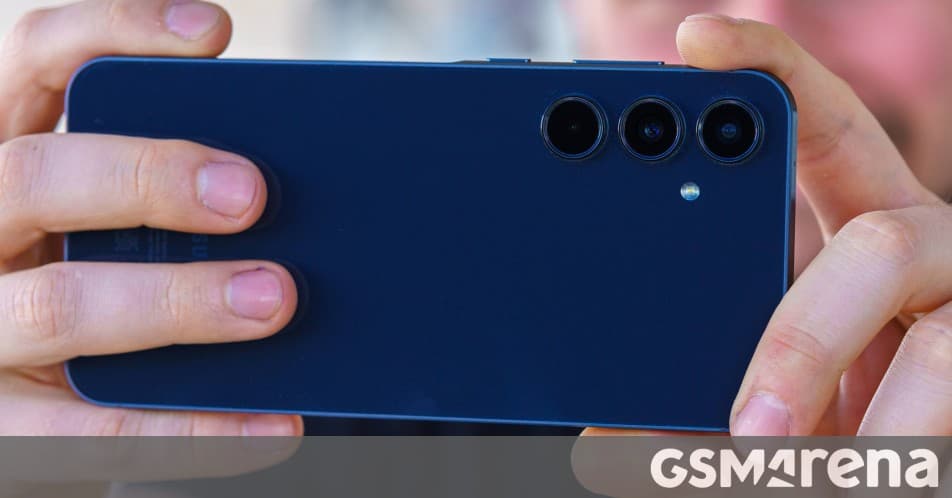
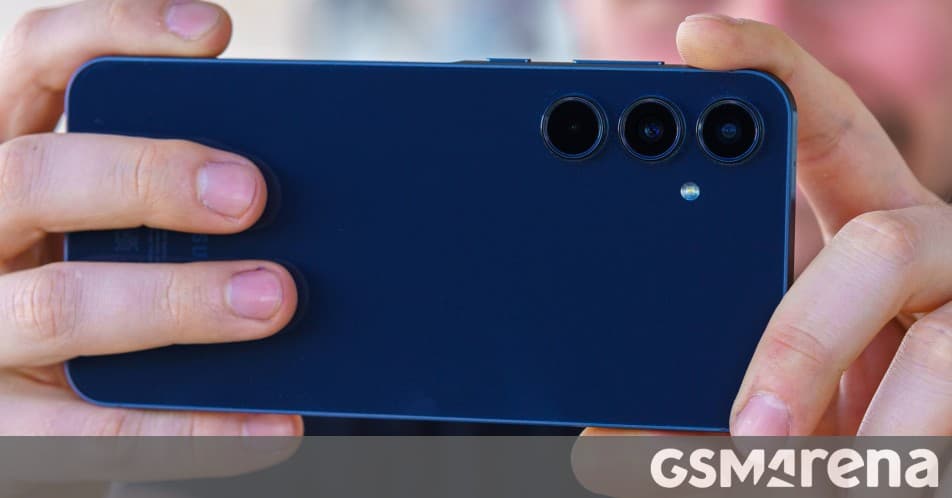
According to [GSMArena](https://www.gsmarena.com/samsung_galaxy_a53_galaxy_a55_april_2026_security_update-news-72438.php), Samsung has released the April 2026 security patch for the Galaxy A53 and Galaxy A55, with rollouts currently live in South Korea and India respectively.
Here's the business reality: if your company deployed Galaxy A53 or A55 devices to field teams, remote workers, or as corporate phones, you're sitting on 47 known security vulnerabilities until this update hits your devices. Fourteen of those are classified as critical. That's not a technical footnote — it's an open door for attackers who read the same patch notes your IT team does.
What Does the Samsung April 2026 Security Update Fix?
Samsung's April 2026 patch bundles 47 security fixes total. The breakdown matters for risk assessment: 33 come from Google's Android security bulletin (affecting all Android devices), while 14 are Samsung-specific fixes for One UI and proprietary components.
The critical vulnerabilities aren't theoretical. Security researchers publish exploit details after patches drop, which means attackers can reverse-engineer attack vectors within days. For businesses, the math is simple: every day between patch release and deployment is a day your devices run with documented weaknesses.
“This update is going to be very important, in fact critical, because we have 14 critical security vulnerabilities that were patched... make sure you do this as soon as possible.”
— Saki, Lead Tech Reviewer at Saki Tech
| Device | Firmware Version | Current Rollout Region | Update Size |
|---|---|---|---|
| Galaxy A53 | A536NKSSGGZD1 | South Korea | ~300 MB (estimated) |
| Galaxy A55 | A556EXXSECZD1 | India | 296.34 MB |
Why Should Business Leaders Care About Mid-Range Phone Security?
The Galaxy A53 and A55 aren't flagship devices. They're the phones companies buy in bulk — for sales teams, warehouse staff, delivery drivers, and frontline workers. That's exactly why this update matters more than a flagship patch.
Consider the attack surface. A compromised field device often has access to corporate email, CRM data, inventory systems, and customer information. Mid-range devices frequently connect to less secure networks (public WiFi, customer locations) and are more likely to be lost or stolen. The security stakes are actually higher than a flagship sitting in an executive's pocket.
The cost equation is straightforward. IBM's 2025 data breach report pegged the average breach cost at $4.5 million globally. Even a partial breach affecting customer data or internal systems can cost mid-sized companies hundreds of thousands in remediation, legal fees, and reputation damage. A security patch costs nothing but deployment time.
How to Deploy the Samsung Security Update Across Your Fleet
If you're managing more than a handful of devices, waiting for automatic updates isn't a strategy. Samsung's rollouts happen region by region, carrier by carrier. Your devices in India might update this week while units in Europe wait another month.
- For MDM-managed fleets: Push the update through your mobile device management console. Samsung Knox supports forced update deployment for enterprise-enrolled devices.
- For BYOD environments: Send a company-wide communication with instructions. Users navigate to Settings > Software update > Download and install.
- For unmanaged devices: Consider this a wake-up call. Any device accessing company data should be under some form of management or monitoring.
The firmware versions to look for are A536NKSSGGZD1 for the A53 and A556EXXSECZD1 for the A55. If users report these versions after updating, you're covered.
Galaxy A53 Support Timeline: When to Plan Device Refresh
Here's a planning consideration that IT budgets should account for: the Galaxy A53 launched in March 2022 with Samsung's commitment to four years of major OS updates. That window closes in early 2026.
Samsung typically continues security patches beyond the OS update window, but the cadence slows. Quarterly updates become the norm, then semi-annual. For security-conscious organizations, a device approaching end-of-support represents increasing risk with each passing quarter.
The Galaxy A55, launched in March 2024, has a longer runway. Samsung extended its commitment to five years of security updates for newer A-series devices, giving the A55 support through 2029. If you're planning device procurement, that extra year of support translates to real TCO savings.
For organizations evaluating their mobile device strategies, this update cycle is a good reminder to audit your fleet age. Devices running Android without current security patches are compliance risks for any framework — SOC 2, ISO 27001, HIPAA, you name it. Speaking of Android updates, [Motorola recently expanded enterprise testing for Android 17 Beta](android-17-beta-for-business-motorola-expands-enterprise-testing), which gives IT teams a preview of what's coming next.
Samsung vs. Apple vs. Google: Enterprise Security Update Comparison
How does Samsung's security posture compare for enterprise buyers? The honest answer: it's competitive but not leading.
| Vendor | Security Patch Frequency | Enterprise MDM Support | Update Support Window |
|---|---|---|---|
| Samsung (A-series) | Monthly | Knox (excellent) | 4-5 years |
| Apple iPhone | As needed (rapid) | Native (excellent) | 5-6 years |
| Google Pixel | Monthly + immediate | Android Enterprise | 7 years (Pixel 8+) |
Samsung's Knox platform remains the gold standard for Android enterprise management. The hardware-backed security, containerization options, and granular policy controls justify the Samsung premium for many IT departments. But Google's extended support window on newer Pixels is starting to shift the TCO calculation for some organizations.
The Real Cost of Delayed Security Updates
Let's put numbers to the risk. A single compromised mobile device can serve as an entry point for broader network attacks. The 2024 Verizon Data Breach report found that 15% of breaches involved mobile or IoT devices as initial access vectors. That percentage has grown year over year.
- Direct breach costs: forensics, legal, notification, credit monitoring for affected individuals
- Business disruption: system lockdowns during investigation, productivity loss
- Reputation damage: customer churn, harder sales cycles, partner concerns
- Compliance penalties: regulatory fines for inadequate security controls
Compare that to the cost of pushing an update: essentially IT admin time. For companies using MDM solutions, it's often a few clicks and a monitoring period. The ROI on timely patching isn't even close.
What IT Managers Should Do This Week
Here's the action plan for any organization with Galaxy A53 or A55 devices in their fleet:
- Audit your device inventory: How many A53 and A55 units are active? Which regions are they deployed in?
- Check current firmware versions: Identify devices that haven't received the April 2026 patch.
- Push updates through MDM: If you're using Knox, Samsung's Enterprise Firmware portal, or another MDM, initiate the update deployment.
- Communicate to BYOD users: Send clear instructions for manual updates with the specific firmware versions to verify.
- Plan A53 replacement timeline: Devices approaching end-of-support should be flagged for Q3-Q4 2026 refresh.
For organizations building internal apps or tools that run on these devices, the security foundation matters as much as the application logic. It's worth noting that [AI-powered development tools are changing how businesses build software](claude-vs-chatgpt-vs-gemini-which-ai-codes-best-for-business), but no amount of clever code compensates for an unpatched operating system.
Logicity's Take
As an agency that builds web applications and AI solutions for businesses, we see mobile security as table stakes for any digital operation. Our clients in retail, logistics, and field services often ask about the intersection of mobile devices and business systems. Here's what we tell them: your mobile fleet is only as secure as your least-updated device. Samsung's patch cadence is solid, but the responsibility to deploy sits with IT teams. We've seen organizations with excellent cloud security running field devices three patches behind — that's a gap attackers notice. For Indian businesses specifically, the Galaxy A55 rollout hitting India first is notable. Samsung clearly prioritizes our market for mid-range devices, which makes sense given the enterprise adoption we see locally. If you're building mobile-connected business tools, assume the device layer has vulnerabilities and design your authentication and data handling accordingly. Zero trust isn't just a buzzword; it's how you survive when an endpoint gets compromised.
Frequently Asked Questions
Frequently Asked Questions
How do I manually check for the Samsung April 2026 security update?
Navigate to Settings > Software update > Download and install on your Galaxy A53 or A55. The update should appear if it's available in your region. Look for firmware version A536NKSSGGZD1 (A53) or A556EXXSECZD1 (A55) to confirm you're on the latest patch.
Should our company deploy the Samsung security update immediately or wait?
Deploy as soon as possible. With 14 critical vulnerabilities patched, waiting exposes your devices to known exploits. Security researchers often publish exploit details within days of patch release. If you're using MDM, you can test on a subset of devices first, but don't delay more than 48-72 hours.
How long will Samsung support the Galaxy A53 with security updates?
The Galaxy A53 launched with a 4-year major OS update commitment (ending early 2026) and typically receives security patches for about a year beyond that. Plan for reduced patch frequency through 2027, with end-of-security-support likely in late 2027. Budget for device refresh if security compliance is critical.
Is the Galaxy A55 a better choice than A53 for enterprise deployment?
Yes, if you're making new procurement decisions. The A55 has a 5-year security support commitment (through 2029), better processor performance, and more recent hardware security features. The longer support window improves total cost of ownership for enterprise deployments.
What's the cost of not updating Samsung enterprise devices?
The direct cost is zero until something goes wrong. A single breach involving a compromised mobile device can cost mid-sized companies $200,000+ in remediation, and potentially millions if customer data is exposed. Compliance frameworks like SOC 2 and ISO 27001 also require demonstrable patch management — audit failures can affect business partnerships and customer trust.
Learn what's coming next in Android enterprise features and security
If you're refreshing mobile devices, your laptop fleet might be due too
Need Help With Mobile Security Strategy?
Logicity helps businesses secure their digital operations — from mobile device policies to secure application development. If you're building tools that connect to mobile fleets or need guidance on enterprise security architecture, we'd be happy to chat. Based in Hyderabad, working globally.
Source: GSMArena.com / Sagar
Manaal Khan
Tech & Innovation Writer
Produced with AI assistance and reviewed by the Logicity editorial team. Learn more in our Editorial Policy.