Key Takeaways

- Clean your AC now: annual maintenance is the single most important factor in reducing summer electricity costs
- Try supercooling: run AC hard at night when rates are lower, then coast through peak afternoon hours
- 64% of homeowners now use ceiling fans to create wind-chill effects, up from 40% in previous years
Summer 2026 is shaping up to be brutal. Global warming continues pushing temperatures higher, and the average summer electricity bill is projected to reach $784, a 6.2% increase and a 12-year record. If you're the type who prefers experiencing summer through a window with the AC running, you're not alone. But you'll need a smarter approach than just cranking the thermostat down and hoping for the best.
The good news: 99% of homeowners are already rethinking their cooling strategies due to economic uncertainty. The shift isn't about suffering through the heat. It's about working smarter with the systems you have.
1. Service Your Air Conditioner Now
This is the single most important thing you can do. A neglected AC unit works harder, runs longer, and costs more. You should clean your AC at least once a year. If you haven't done it yet, this weekend is the time.
For window or portable units, pull up the owner's manual and follow the cleaning instructions. Replace or wash filters, clear debris from vents, and check that nothing is blocking airflow. For central air systems, call a professional. The upfront cost pays for itself in efficiency gains.
2. Try the Supercooling Technique
Supercooling has become a favorite strategy in Reddit communities like r/HomeImprovement and r/Frugal. The concept is simple: run your AC aggressively during off-peak hours (typically overnight) when electricity rates are lower. Cool your home down to around 68°F or lower. Then during peak afternoon hours when rates spike, raise the thermostat and let your home gradually warm.
Your home's thermal mass, the walls, furniture, and floors, holds onto that cold air longer than you might expect. You're essentially shifting your energy consumption to cheaper hours while staying comfortable during expensive ones.
“The average planned indoor temperature has dropped from 72.9°F in 2025 to 69.4°F in 2026, indicating that as heatwaves become more frequent, people are prioritizing immediate comfort over energy savings.”
— Industry Analyst, 2026 DuraPlas Summer Cooling Report
3. Create Strategic Airflow
Air conditioning is essential, but that doesn't mean you should seal your place hermetically until September. Open windows and shades strategically during cooler summer mornings and evenings. The temperature difference between 6 AM and 3 PM can be 20 degrees or more.
Place a fan in an upper window facing outward to suck hot air out. Let another fan circulate air inside. Hot air rises, so exhausting it from the top while drawing cooler air in from lower windows creates natural circulation. Nothing makes a home feel more like summer than warm breezes flowing through, and it costs almost nothing.
4. Embrace Ceiling Fans
Ceiling fan usage is up dramatically. 64% of homeowners now use ceiling fans to create wind-chill effects, compared to roughly 40% in previous years. The reason is simple: fans make you feel cooler without actually lowering the temperature.
A ceiling fan lets you raise your thermostat by 4°F without noticing a difference in comfort. That translates to real savings. Make sure your fan is spinning counterclockwise during summer so it pushes air downward.
5. Install Blackout Curtains
Passive cooling techniques are getting more attention as electricity costs rise. Blackout curtains are one of the simplest investments you can make. They block solar heat gain through windows, which is responsible for a significant portion of your cooling load.
The math works out clearly: keeping heat out costs nothing. Removing heat after it enters costs electricity. Install blackout curtains on south and west-facing windows, and close them during the hottest parts of the day.
6. Declutter for Better Airflow
The beginning of summer is the perfect time to get rid of things you don't need. Clutter blocks airflow and makes rooms feel stuffier. It also creates more surfaces that absorb and radiate heat.
Donate, toss, or store your excess stuff. Give yourself a clean summer slate. The psychological benefit of a decluttered space during long indoor summer days is real too.
If You Need a New AC
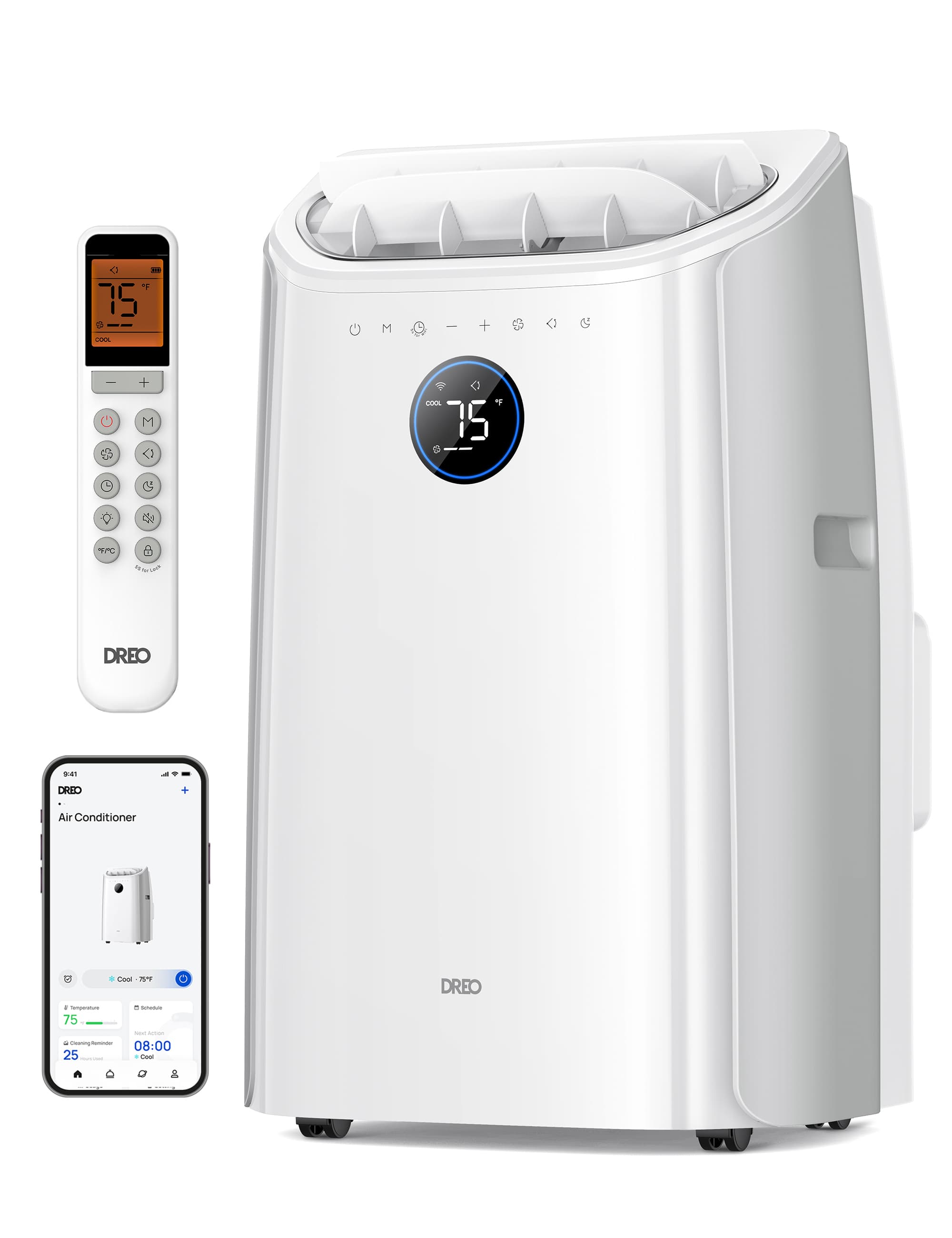
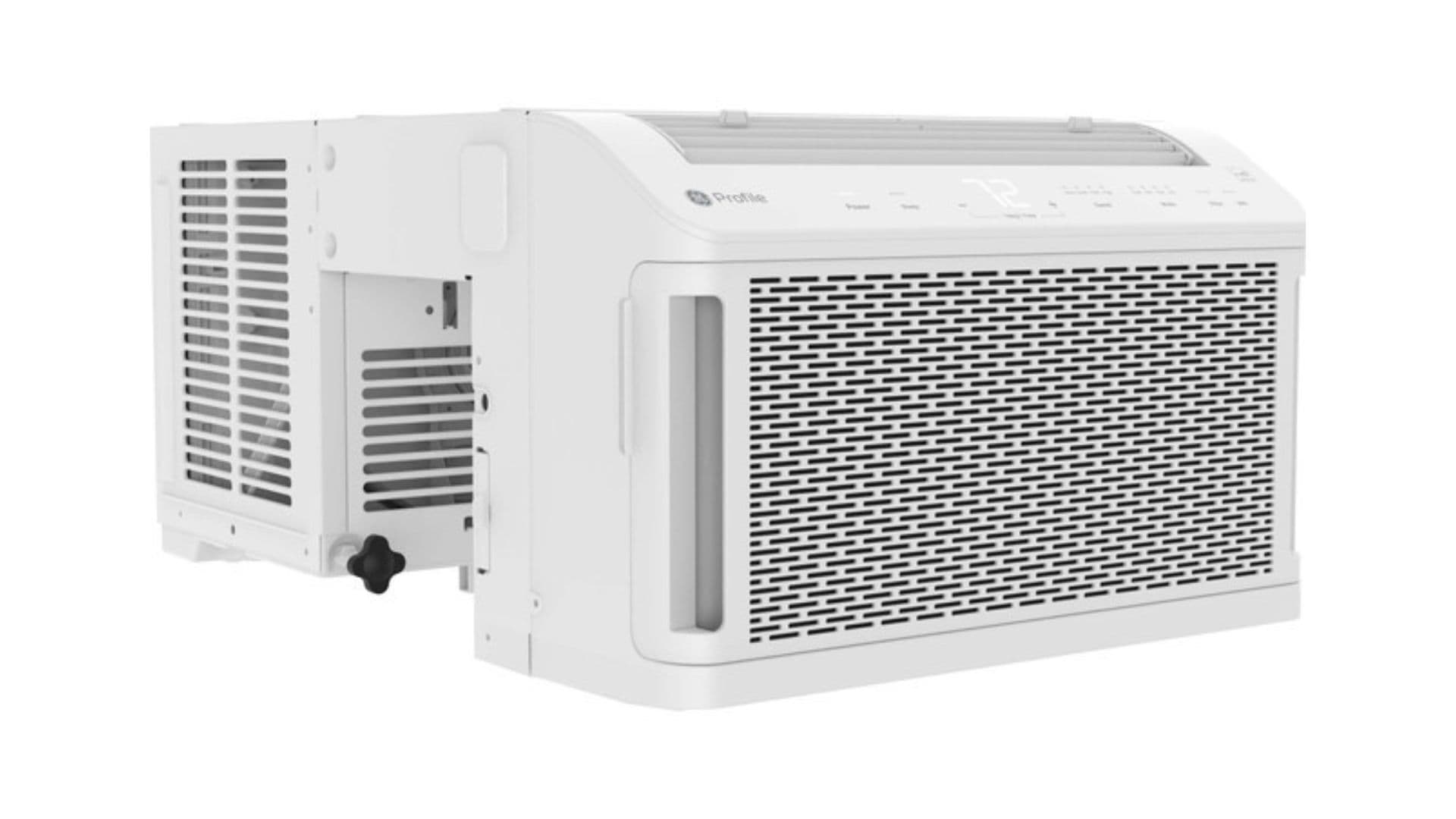
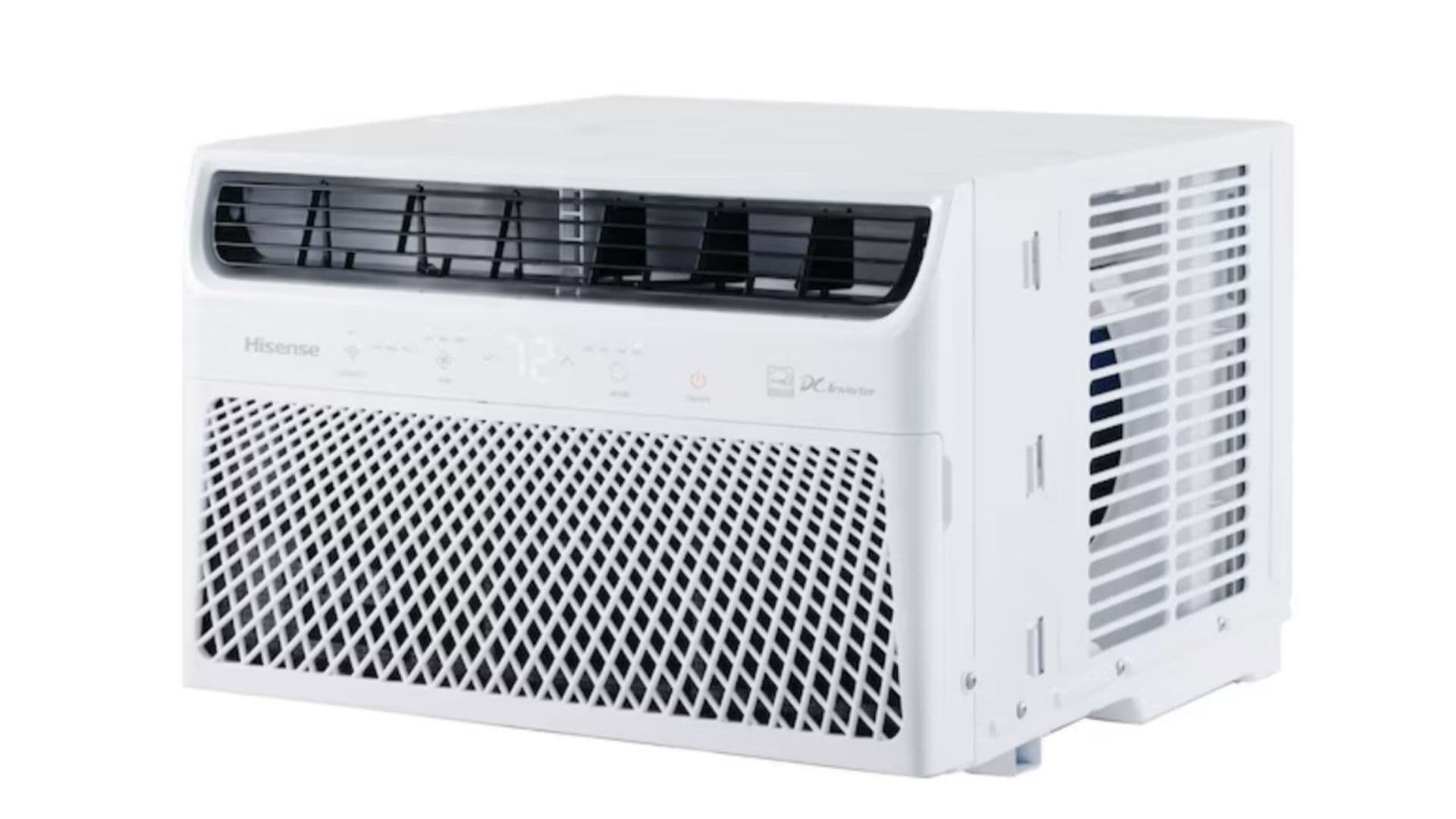
If your current unit is failing or you don't have AC at all, smart air conditioners have become the standard recommendation. PC Mag recently published their guide to the best smart air conditioners of 2026. Options range from the Midea U-Shaped Window AC at $346 to the Friedrich Kuhl Series at $1,500.
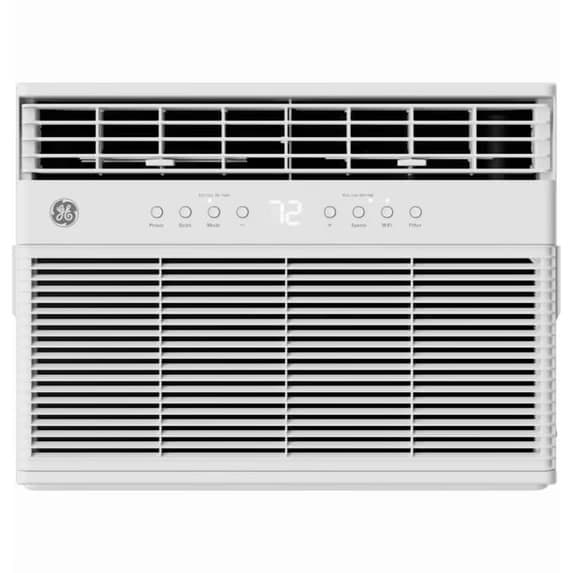
Smart features matter more than ever because they enable the supercooling and scheduling strategies that save money. A unit you can program or control remotely is worth the modest premium.
Logicity's Take
Frequently Asked Questions
What is supercooling and does it actually save money?
Supercooling means running your AC aggressively during off-peak hours when electricity is cheaper, then raising the thermostat during expensive peak hours. Your home's thermal mass holds the cold air, keeping you comfortable while using less peak-rate electricity.
How often should I clean my air conditioner?
At least once a year, ideally before summer begins. This includes cleaning or replacing filters, clearing debris, and checking airflow. For central air systems, schedule a professional maintenance visit.
Do ceiling fans actually reduce cooling costs?
Yes. Ceiling fans create a wind-chill effect that makes you feel cooler without lowering the actual temperature. This lets you raise your thermostat by 4°F without noticing a difference, which reduces AC runtime and costs.
What's the ideal indoor temperature to set for summer 2026?
Industry data shows the average planned temperature has dropped to 69.4°F in 2026, down from 72.9°F in 2025. However, optimal settings depend on your utility rates, home insulation, and personal comfort.
For when you do venture outside, get your audio setup right
Need Help Implementing This?
Source: Lifehacker
Manaal Khan
Tech & Innovation Writer
Produced with AI assistance and reviewed by the Logicity editorial team. Learn more in our Editorial Policy.