Key Takeaways
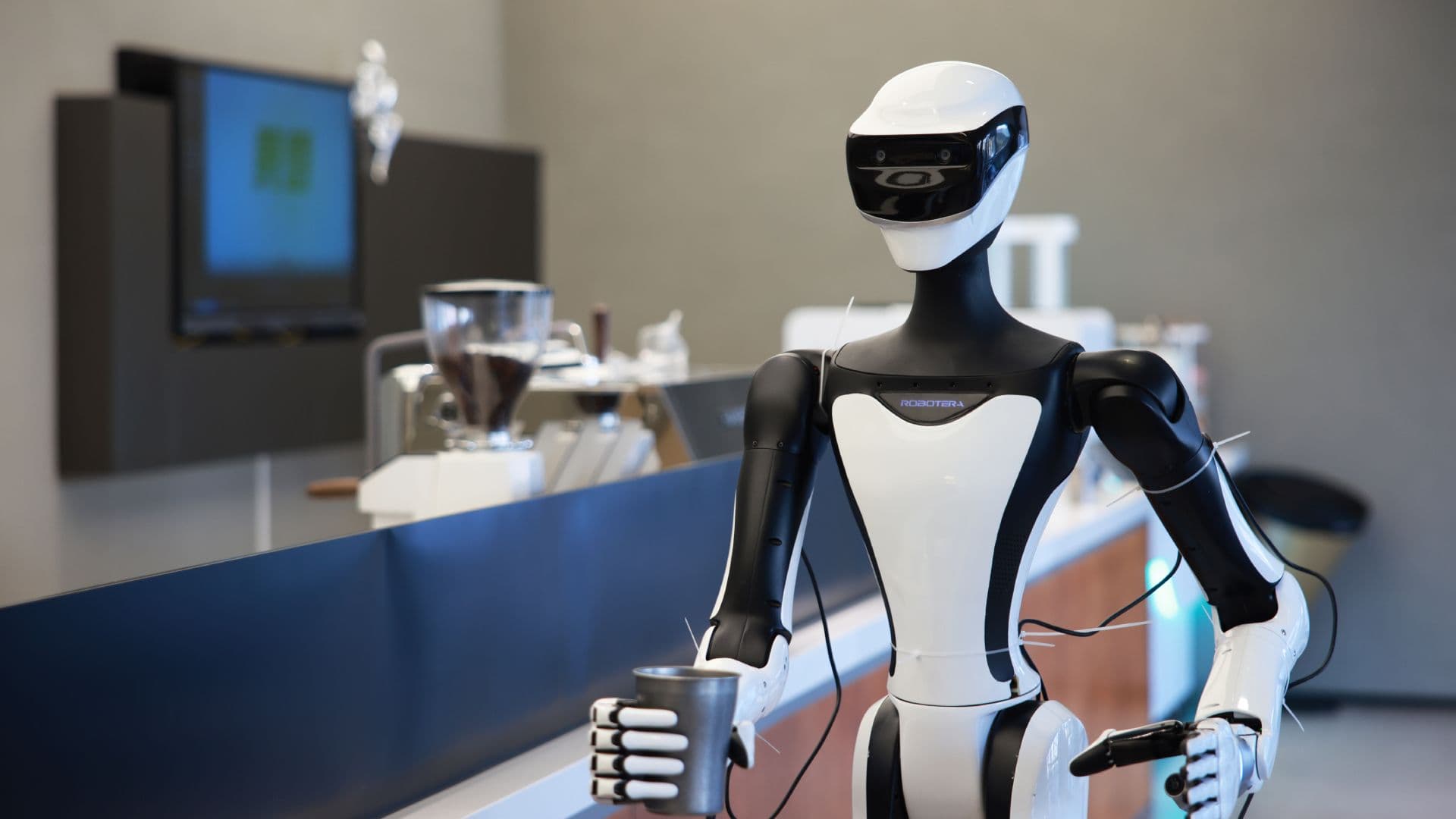
- SoftBank is creating Roze, an AI and robotics startup focused on building data centers in the U.S.
- The company targets a $100 billion valuation and plans to IPO as early as 2025
- This adds to SoftBank's existing AI investments including Stargate and a 10-gigawatt Ohio data center
SoftBank founder Masayoshi Son is launching a new U.S.-based company called Roze that will focus on AI and robotics for data center construction. According to the Financial Times, Son is targeting a $100 billion valuation for the startup and wants to take it public this year.
The move represents another major bet on AI infrastructure from the Japanese telecom and investment giant. SoftBank has already committed to several large-scale AI projects in the United States, making Roze the latest piece of an aggressive expansion strategy.
SoftBank's Growing AI Portfolio
Roze joins a substantial collection of AI investments from SoftBank. In early 2025, the company partnered with OpenAI and Oracle on Stargate, a $500 billion AI infrastructure project. That initiative has faced challenges. OpenAI reportedly abandoned plans for first-party data centers and shifted to leasing compute instead.
SoftBank is also building a 10-gigawatt data center in Ohio. The facility will be powered by a $33 billion natural gas plant funded by the Japanese government. The scale of this project alone shows the company's commitment to dominating AI infrastructure.
Beyond infrastructure, SoftBank invested $2 billion in Intel more than a year after the chipmaker reported poor financial results. While modest by semiconductor standards, the investment signaled confidence in Intel's turnaround efforts at a difficult moment for the company.
Son's Track Record: Big Wins and Big Losses
Masayoshi Son is known for making large, risky bets on technology companies. Some have paid off spectacularly.
SoftBank acquired ARM Holdings in 2016 for $32 billion. The company still holds about 90% of ARM despite listing it in 2023. ARM's current market cap sits around $223 billion. SoftBank used ARM shares as collateral for a $5 billion loan to invest in OpenAI.
Not every bet has worked out. SoftBank lost heavily on WeWork and various tech startups, particularly during the early years of its Vision Fund. The company lost 93% of its market value during the dotcom crash and nearly went bankrupt.
Risks in the Current AI Market
SoftBank's heavy AI concentration exposes it to volatility in the sector. In late 2025, the company showed a $50 billion loss when investors questioned whether the billions poured into AI infrastructure would ever turn profitable.
The company has rebounded since then. But it faces fresh pressure after reports that OpenAI missed internal targets for both revenue and active users. Any cooling in AI enthusiasm could affect Roze's IPO prospects and valuation.
Practical applications driving enterprise AI demand
What Roze Could Mean for Data Center Construction
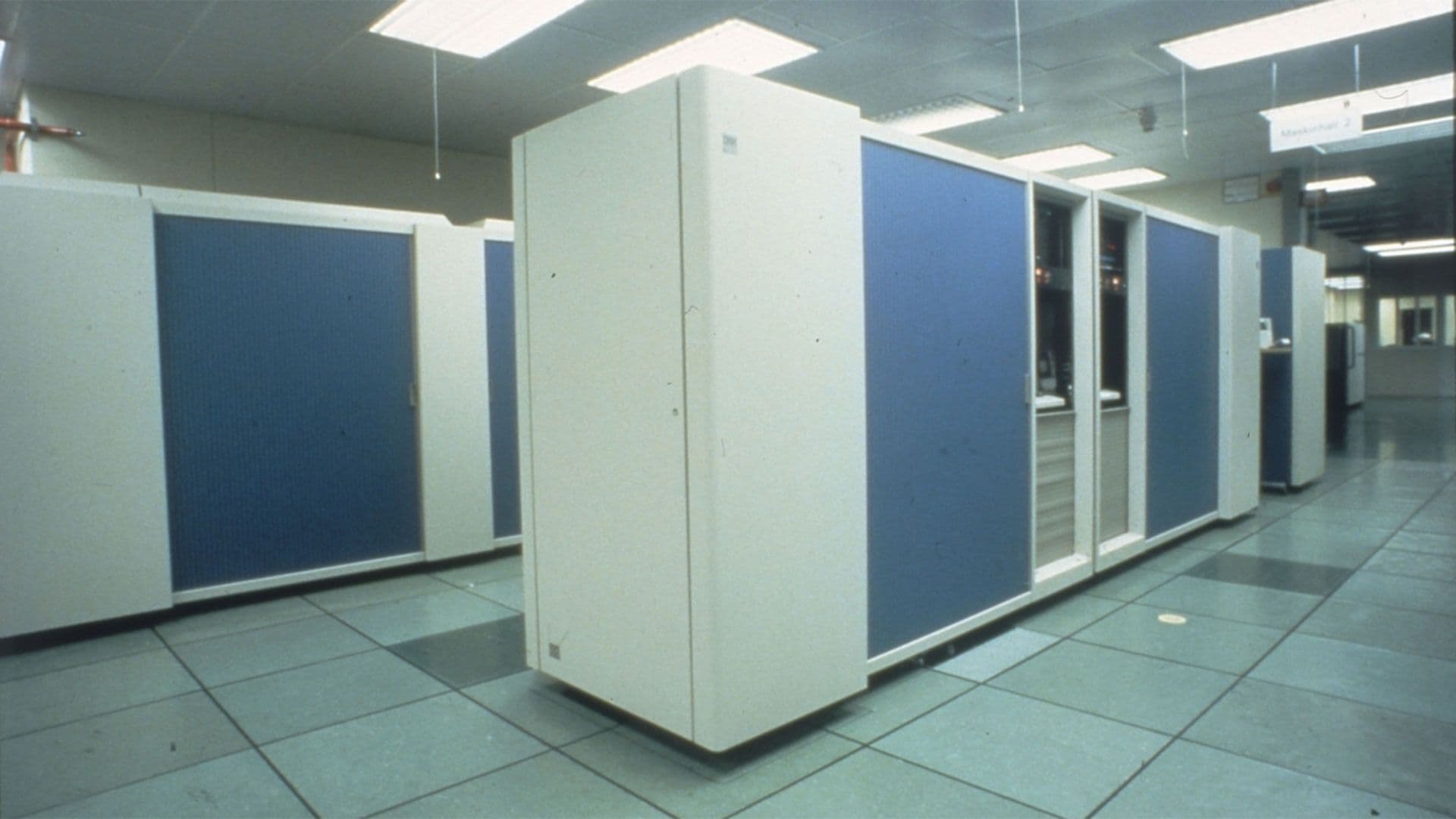
The combination of AI and robotics for data center construction addresses a real bottleneck. Building AI infrastructure requires massive physical construction. Current data center demand outstrips the construction industry's capacity to deliver facilities fast enough.
If Roze can automate or accelerate parts of the construction process, it would give SoftBank's other AI investments an advantage. Faster data center deployment means faster compute availability. That's valuable whether you're running Stargate or competing with it.
Logicity's Take
Frequently Asked Questions
What is SoftBank's Roze company?
Roze is a planned U.S.-based startup from SoftBank that will combine AI and robotics technology to build data centers. The company is targeting a $100 billion valuation and an IPO in 2025.
Who is behind the Roze AI robotics startup?
Masayoshi Son, founder of SoftBank, is creating Roze as part of the company's broader AI investment strategy.
How does Roze fit into SoftBank's AI investments?
Roze joins SoftBank's existing AI portfolio, which includes the $500 billion Stargate project with OpenAI and Oracle, a 10-gigawatt data center in Ohio, and a $2 billion investment in Intel.
When will Roze go public?
According to the Financial Times, Masayoshi Son plans to list Roze as early as 2025.
What are the risks of SoftBank's AI investments?
SoftBank showed a $50 billion loss in late 2025 when investors questioned AI profitability. The company is also exposed to any slowdown in AI demand, including reports that OpenAI missed internal revenue and user targets.
Need Help Implementing This?
Source: Latest from Tom's Hardware
Manaal Khan
Tech & Innovation Writer
Produced with AI assistance and reviewed by the Logicity editorial team. Learn more in our Editorial Policy.