Key Takeaways
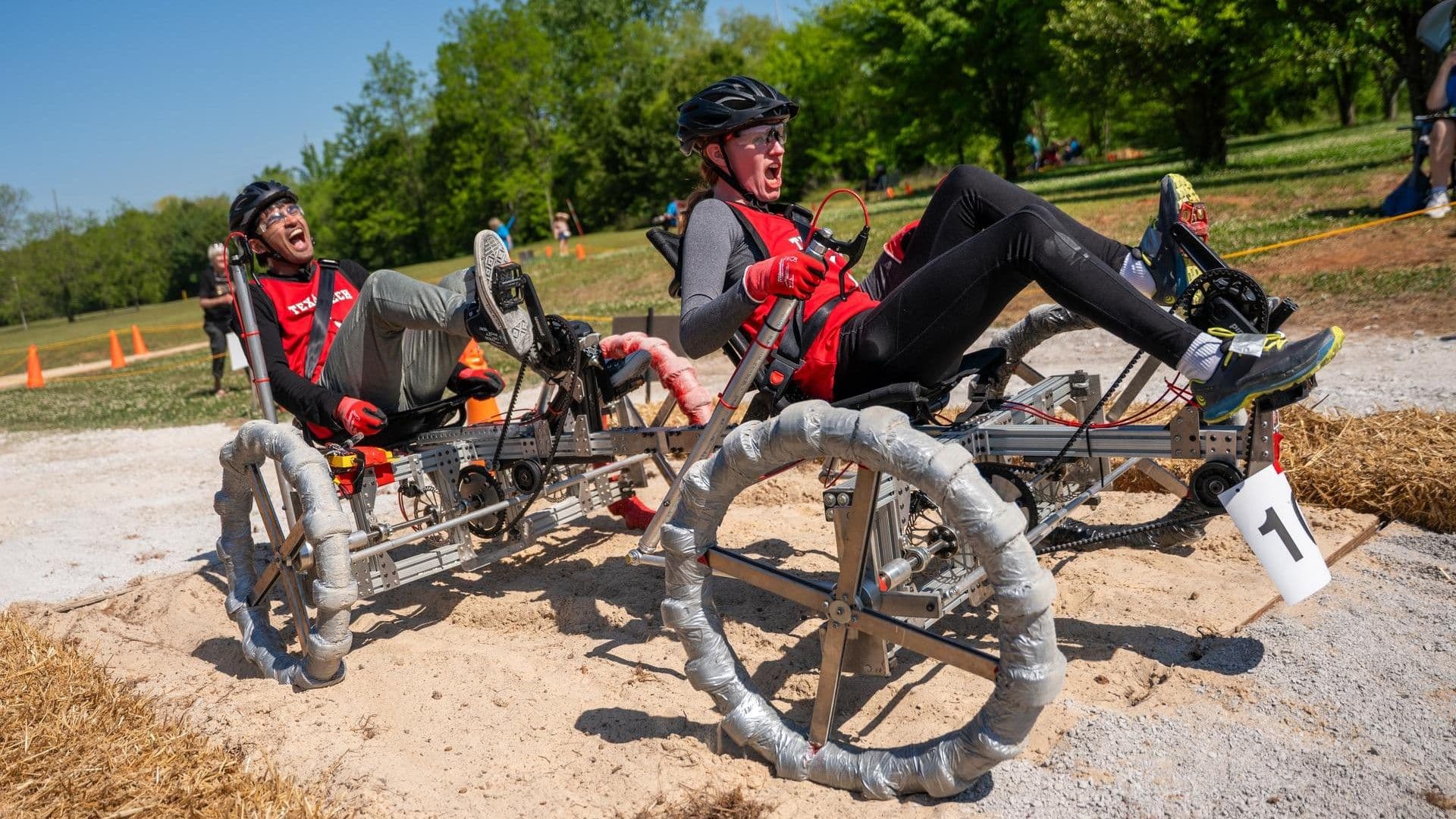
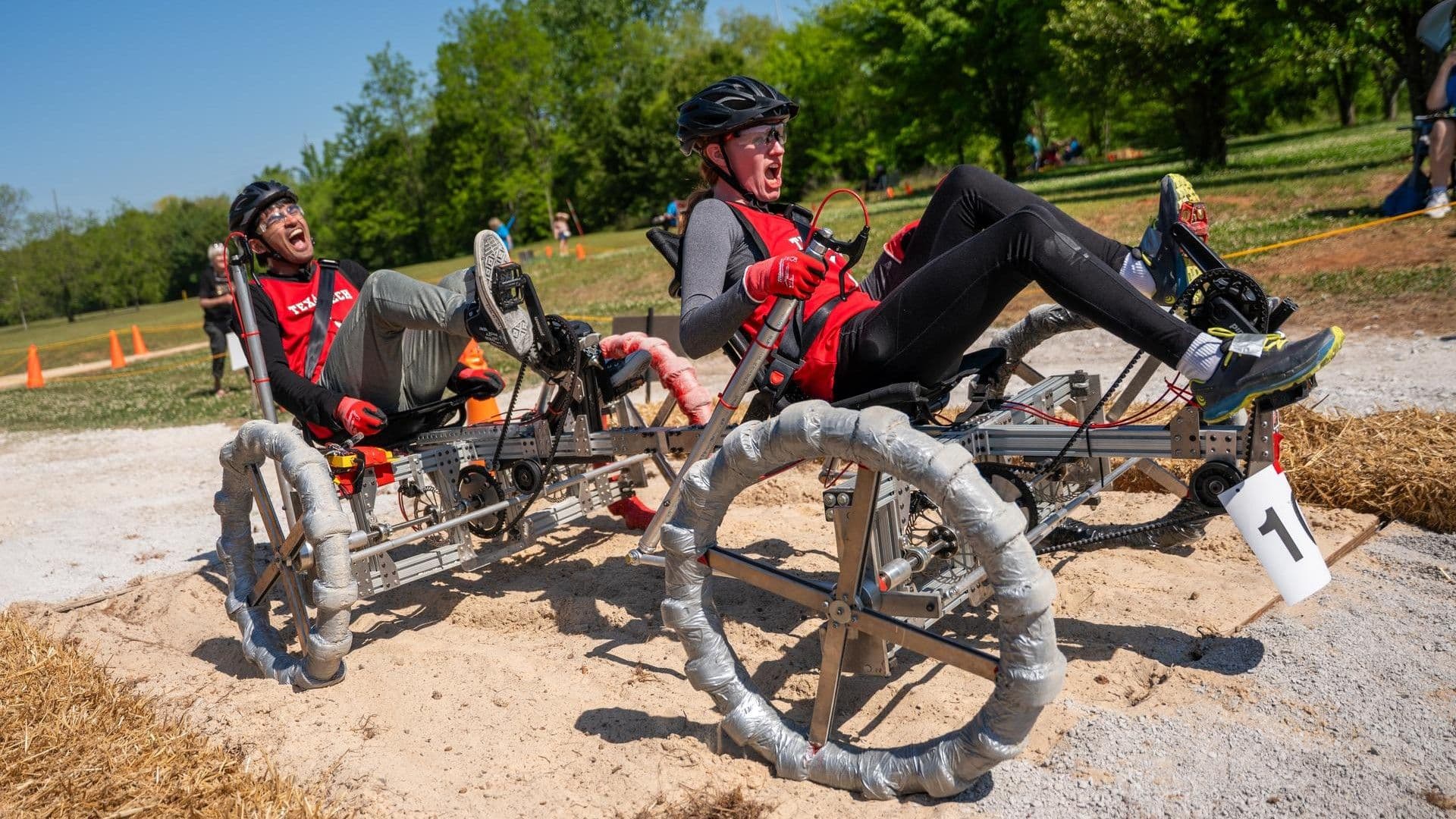
- 600 students from 44 teams participated in the 32nd annual NASA rover challenge
- Teams built human-powered or remote-controlled rovers and tested them on a half-mile lunar-simulating obstacle course
- Students completed NASA-style design reviews before competing, mirroring real spaceflight hardware development
Getting humans to the moon requires years of engineering work. Getting students to think like lunar engineers? That takes a half-mile obstacle course and some serious pedal power.
NASA's Human Exploration Rover Challenge wrapped up its 32nd year in April 2026 at the U.S. Space & Rocket Center in Huntsville, Alabama. The event brought 600 students from 44 teams to test rovers they spent nine months designing and building.
The competition, hosted near NASA's Marshall Space Flight Center, challenges students to create human-powered or remote-controlled vehicles capable of traversing terrain that simulates the moon's surface. Think craters, rough ground, and obstacles that would make a mountain bike course look tame.
Who Competes in HERC?
The age range is surprisingly wide. This year's participants included students from 28 colleges and universities, 13 high schools, and one middle school. Teams came from around the world, each tackling the same question: how do you build a vehicle that can move people across the moon?
The challenge is not just about building something that moves. NASA structures HERC to mirror actual spaceflight hardware development. Before teams could compete on the obstacle course, they had to pass a design review, an operational readiness review, a mission readiness review, and an excursion readiness review.
That process alone teaches students how real aerospace programs work. You don't just build a rocket and launch it. You prove, in stages, that it's ready.
NASA Provides Real Expertise
Part of what makes HERC valuable is access. NASA pairs student teams with agency subject matter experts and space industry professionals throughout the nine-month project. These aren't just judges who show up at the end. They're mentors who help students understand the engineering tradeoffs in real lunar vehicle design.
“The ingenuity displayed by these students each year is a vital indicator of the next generation of engineers who will help humanity return to the moon and eventually reach Mars.”
— NASA Program Official, Human Exploration Rover Challenge
The final obstacle course is a half-mile test of everything the teams built. Human-powered rovers require students to physically pedal their vehicles through simulated lunar terrain. Remote-controlled versions demand precise operation over rough surfaces designed to mimic what actual moon rovers would face.
Why Human-Powered Rovers Matter
The human-powered category might seem odd for a space competition. Astronauts won't be pedaling across the lunar surface. But the category forces students to think about weight, efficiency, and mechanical advantage in ways that directly translate to space vehicle design.
Online communities, including Reddit's r/space, often note the gap between the simple concept of a pedal-powered rover and the extreme complexity required to make one survive the simulated terrain. Wheels break. Frames bend. Steering fails. Students learn that space engineering is about anticipating what will go wrong.
The Talent Pipeline
HERC is explicitly designed as a workforce development program. Students who complete the challenge have hands-on experience with review processes, deadline management, and iterative design. They've worked with NASA engineers. They've tested hardware under realistic conditions.
For aerospace companies hiring entry-level engineers, that experience matters. A student who has built and tested a physical rover has already crossed the gap between theoretical knowledge and applied engineering. They've seen their designs fail and fixed them. That's the work.


Logicity's Take
Frequently Asked Questions
What is NASA's Human Exploration Rover Challenge?
HERC is a nine-month competition where students from middle school through college design and build human-powered or remote-controlled rovers. Teams test their vehicles on a half-mile obstacle course simulating lunar terrain at the U.S. Space & Rocket Center in Huntsville, Alabama.
Who can participate in the NASA rover challenge?
Students from middle school through college can participate. The 2026 competition included 28 colleges and universities, 13 high schools, and one middle school, with teams from around the world.
How long has the Human Exploration Rover Challenge been running?
The 2026 event marked the 32nd year of the competition, making it one of NASA's longest-running student engineering challenges.
What do students have to do before competing in the obstacle course?
Teams must pass four reviews that mirror real NASA hardware development: a design review, operational readiness review, mission readiness review, and excursion readiness review.
Need Help Implementing This?
Source: Latest from Space.com
Huma Shazia
Senior AI & Tech Writer
Produced with AI assistance and reviewed by the Logicity editorial team. Learn more in our Editorial Policy.