Key Takeaways
- An ESP32 with 520KB of RAM has been hosting a live website since 2022
- The chip can run real-time AI inference for audio and video processing
- Home Assistant integration makes ESP32 ideal for DIY smart home sensors
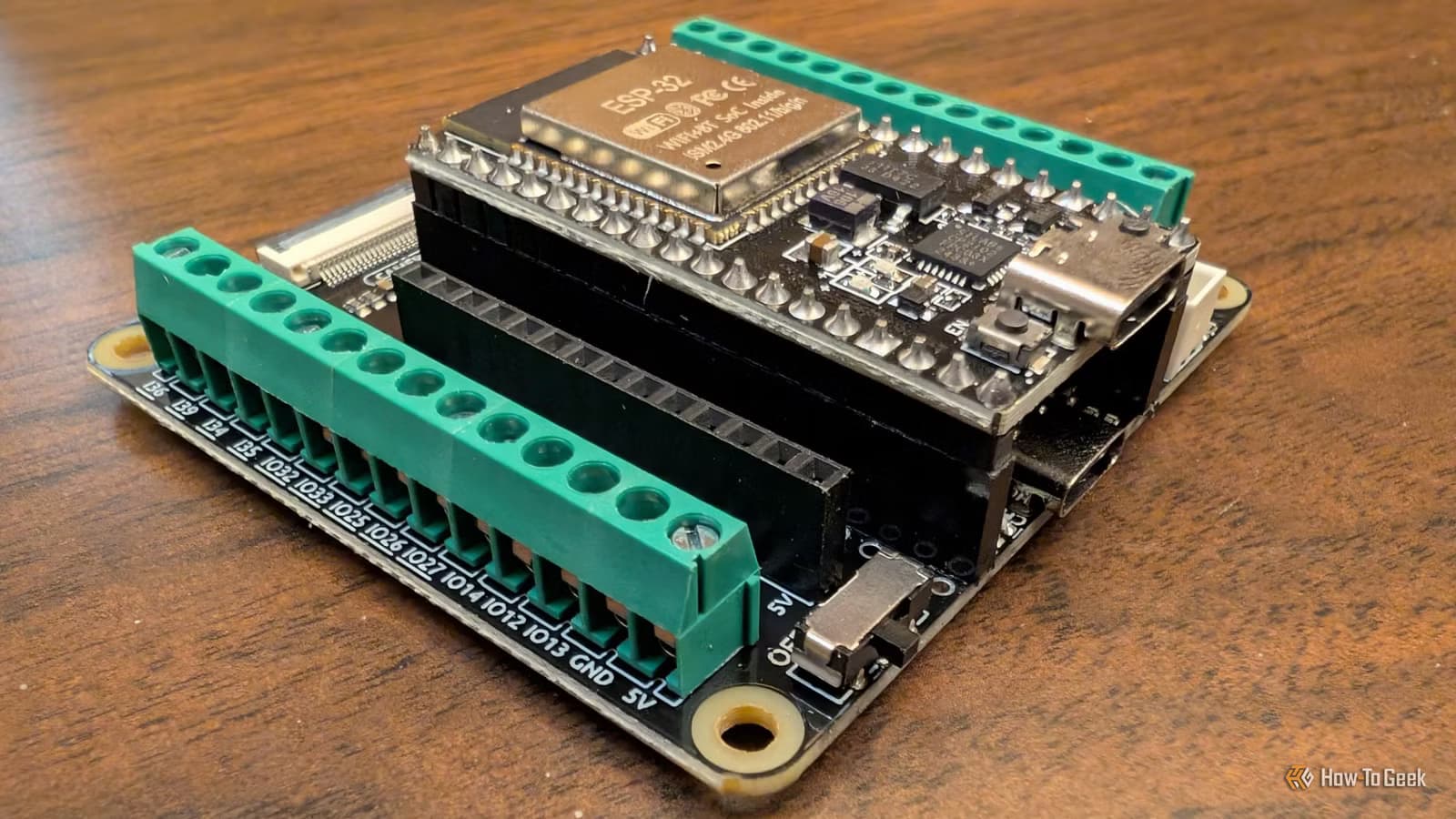
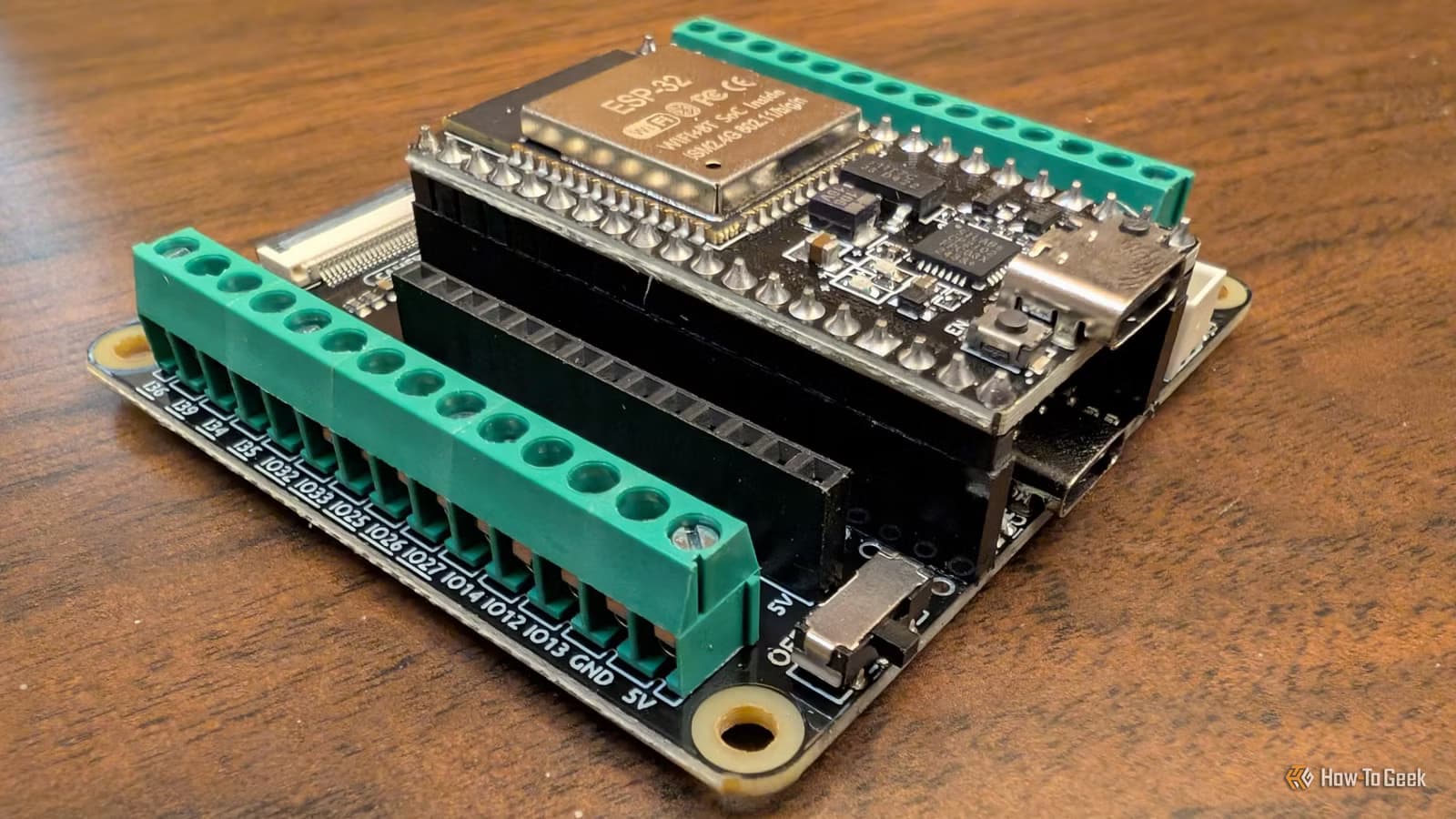
The ESP32 shows up in cheap smart plugs, budget sensors, and countless hobby projects. At around $5, it's the kind of component you buy in bulk and stuff into breadboards without much thought. But a handful of makers have been pushing this microcontroller way past its comfort zone, and the results are worth paying attention to.
From hosting live websites to running AI models in real time, these five projects demonstrate that raw hardware specs don't always dictate what's possible.
Hosting a Live Website on 520KB of RAM
HelloESP is exactly what it sounds like: a website running on a $10 ESP32 development board with just 520KB of RAM. The project launched in 2022 as an experiment to see how far a cheap microcontroller could be pushed. The original hardware lasted 500 days before burning out. In mid-2026, the creator rebuilt it, and the site is live again.
The full build uses an ESP32 DOIT DevKit V1, BME280 and CCS811 sensor arrays for environmental data, a 128x64 OLED panel showing server status, a microSD card, and two LEDs. The project is completely open source on GitHub.
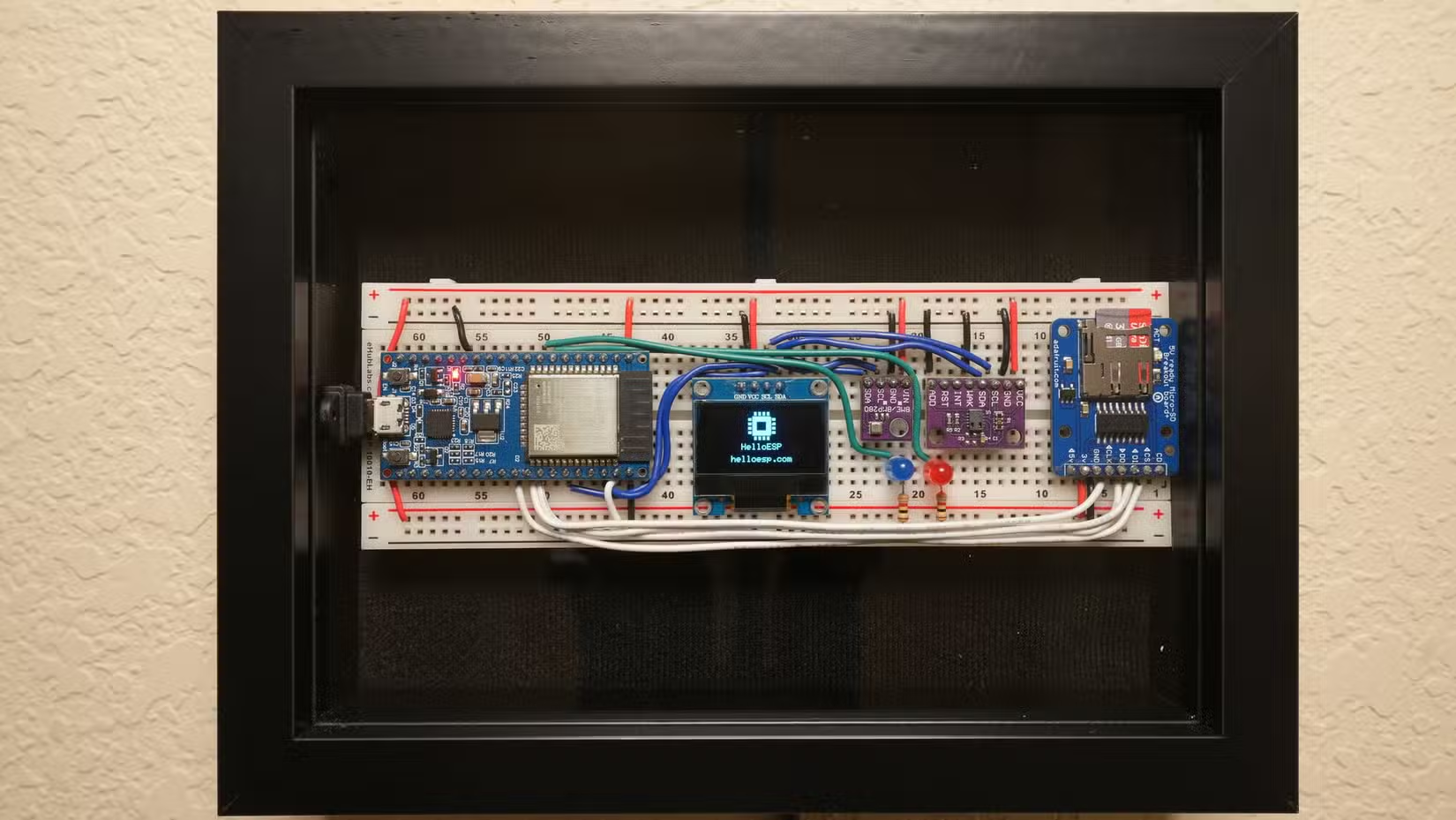
This isn't a practical way to run a production website. But it proves that the ESP32 can handle HTTP requests, serve pages, and stay online for extended periods. For internal dashboards, local network tools, or IoT device interfaces, the same approach works well.
Real-Time AI Inference at the Edge
One Reddit user demonstrated pushing an ESP32-S3 to its limits for real-time audio and video AI inference. The chip processed sensor data locally without needing cloud connectivity, which matters for applications where latency or privacy are concerns.
The ESP32-S3 variant includes vector instructions that help with basic machine learning tasks. You won't run GPT-4 on it, but wake word detection, simple image classification, and audio processing are all within reach.
Smart Home Integration via ESPHome
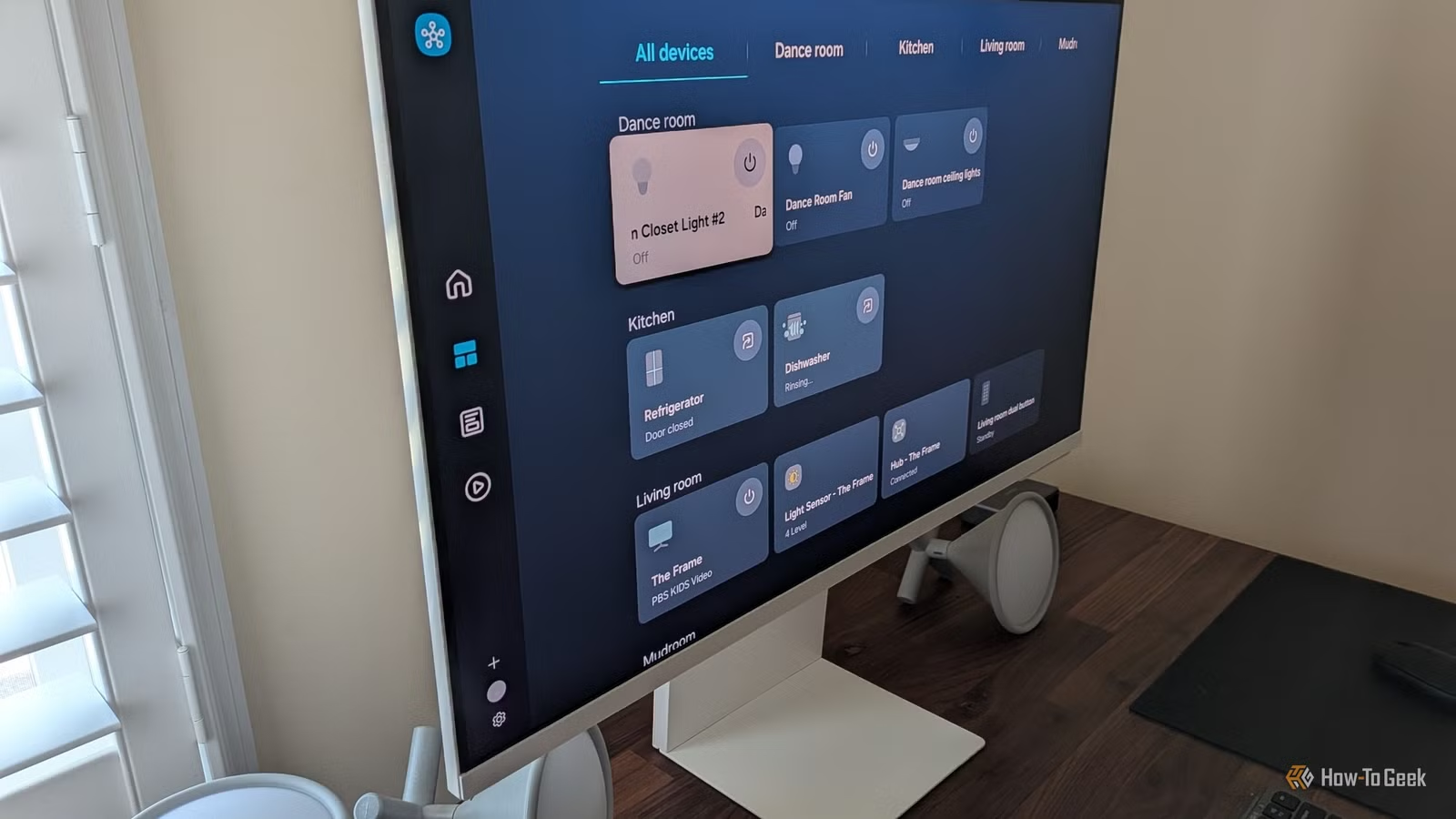
The most practical use case for most people is turning the ESP32 into a smart home sensor or controller. ESPHome, an open-source firmware, lets you configure sensors and actuators through YAML files and integrate them directly into Home Assistant.
The Seeed Studio XIAO ESP32-C3 costs $5 at retail and includes Wi-Fi, Bluetooth, and a deep sleep mode that draws minimal power when idle. Its compact size makes it easy to embed in custom enclosures. The ESP32-C6 variant adds Zigbee, Thread, and Matter support for $5, plus Wi-Fi 6 connectivity.
Utility Meter Monitoring
Older water, gas, and electricity meters often have rotating dials or pulsing LEDs that can be read with basic sensors. An ESP32 paired with a photodiode or hall effect sensor can track consumption and push data to Home Assistant or a custom dashboard.
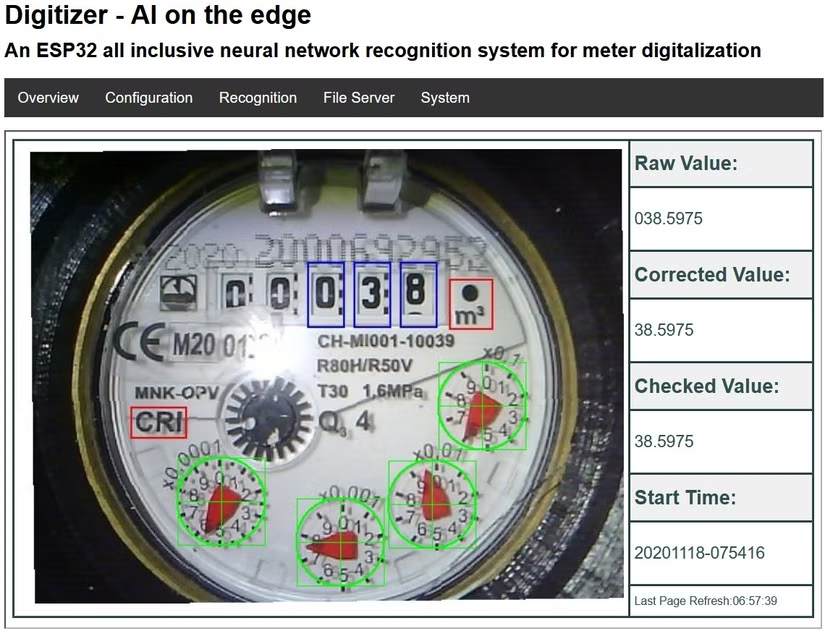
This approach works around the problem of smart meters that don't expose their data or require proprietary apps. You're reading the physical meter directly, so it works with nearly any model.
Which ESP32 Should You Buy?
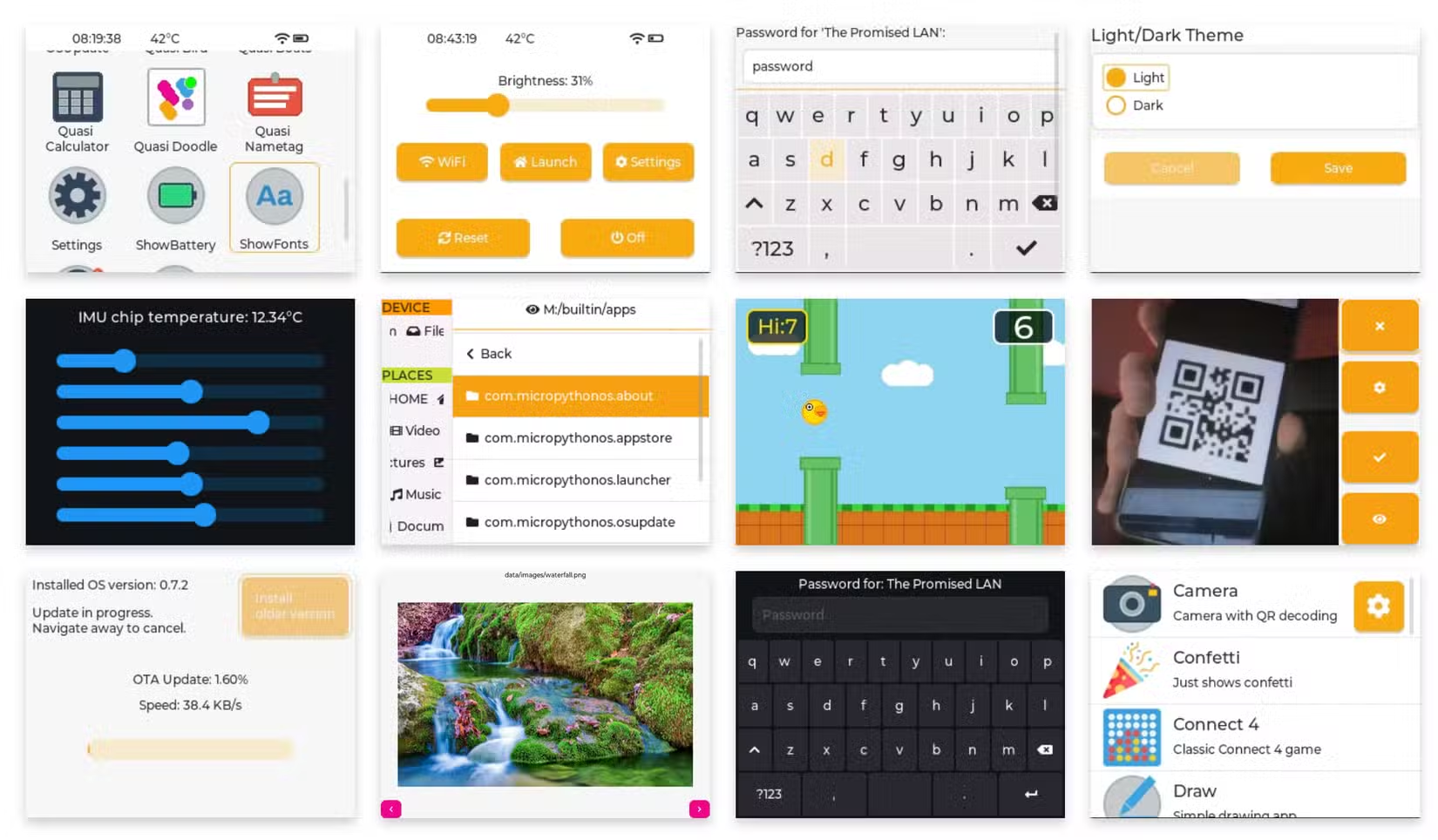
Several ESP32 variants exist, each with different tradeoffs. The XIAO ESP32-C3 is the cheapest option at $5 and handles most basic projects. The ESP32-C6 adds modern wireless protocols for smart home builds. The ESP32-S3 includes more processing power and vector instructions for edge AI work.
| Model | Price | Wi-Fi | Bluetooth | Zigbee/Thread | Best For |
|---|---|---|---|---|---|
| XIAO ESP32-C3 | $5 | Yes | Yes | No | Basic sensors, simple projects |
| XIAO ESP32-C6 | $5 | Wi-Fi 6 | Yes | Yes | Smart home, Matter devices |
| ESP32-S3 | $8-12 | Yes | Yes | No | AI inference, audio processing |
What Makes These Projects Work
The ESP32's value comes from its integration. Wi-Fi, Bluetooth, GPIO pins, and a capable CPU are all on a single chip that costs less than lunch. The open-source ecosystem around it, including Arduino IDE support, MicroPython, and ESPHome, means you're not starting from scratch.
The hardware limitations force creative solutions. A web server on 520KB of RAM can't cache much, so you optimize aggressively. Edge AI models need to be tiny, so you pick architectures that fit. These constraints often lead to solutions that work better in production than overengineered alternatives.
Logicity's Take
The ESP32's real appeal isn't raw power. It's that five dollars gets you a networked computer small enough to embed anywhere. For enterprises exploring IoT pilots or edge computing experiments, these hobby projects are essentially free R&D. The techniques that makers develop to work around hardware limits often translate directly into production-ready solutions.
Another deep dive into understanding hardware constraints
More hobbyist hardware engineering
Frequently Asked Questions
How much does an ESP32 cost?
Basic ESP32 development boards like the Seeed Studio XIAO ESP32-C3 cost around $5. More capable variants like the ESP32-S3 run $8-12. Prices are higher on Amazon than direct from manufacturers.
Can an ESP32 run a web server?
Yes. The HelloESP project demonstrates an ESP32 hosting a live website with just 520KB of RAM. It's not suitable for high-traffic sites, but works well for local dashboards, IoT interfaces, and internal tools.
What's the difference between ESP32-C3, C6, and S3?
The C3 is the basic model with Wi-Fi and Bluetooth. The C6 adds Zigbee, Thread, Matter support, and Wi-Fi 6. The S3 has more processing power and vector instructions for AI inference.
Can ESP32 run AI models?
The ESP32-S3 can run small AI models for tasks like wake word detection, simple image classification, and audio processing. You won't run large language models, but edge inference for specific tasks works.
How do I integrate ESP32 with Home Assistant?
ESPHome is the easiest path. It's open-source firmware that lets you configure ESP32 sensors and actuators through YAML files and integrates directly with Home Assistant over Wi-Fi.
Need Help Implementing This?
If you're exploring ESP32 for industrial IoT, smart building sensors, or edge computing pilots, we can connect you with integration specialists. Contact the Logicity team to discuss your specific use case and requirements.
Source: How-To Geek
Manaal Khan
Tech & Innovation Writer
Produced with AI assistance and reviewed by the Logicity editorial team. Learn more in our Editorial Policy.