Key Takeaways
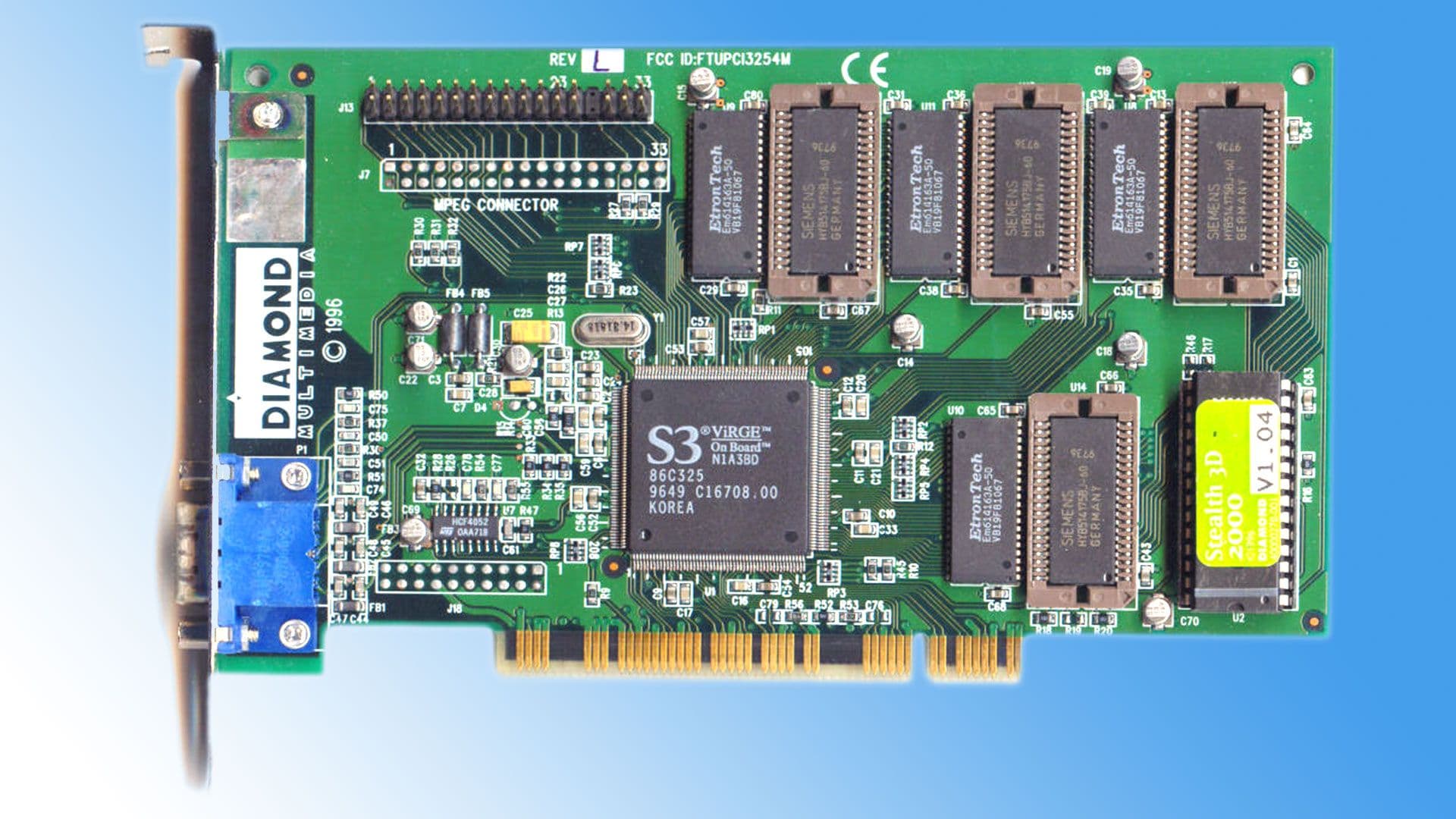
- The 'pedestal bit' in S3 graphics cards raises black levels to dark gray, causing washed-out visuals on modern displays
- Changing a single hexadecimal value in the VBIOS from 3F to 1F restores true black levels
- The fix affects S3 Virge, Trio, and early Savage family graphics cards from the 1990s
For 30 years, owners of S3 graphics cards have dealt with an annoying quirk: blacks that look more like charcoal gray. Now, a retro hardware enthusiast known as Bits und Bolts has documented a fix that finally restores proper black levels to these classic 1990s GPUs.
The culprit is something called the 'pedestal bit,' a deliberate design choice S3 baked into the VBIOS of cards like the Virge DX, Trio, and early Savage family models. By editing a single hexadecimal value, you can disable this feature and get the deep blacks these cards should have always displayed.
Why S3 Made Blacks Look Gray
Back in the mid-1990s, S3 made a deliberate choice to raise black levels in their graphics cards. The company was worried that true blacks would look too dark on old CRT monitors, particularly those built to the NTSC television standard. Their solution was to set 'full black' to a slightly higher value in the VBIOS, creating what's called a pedestal.
The problem is that this pedestal affects everything from boot time onward. The moment your system powers on with an S3 card, you're seeing elevated black levels. On a quality monitor, especially modern displays, this makes the image look washed out and flat.
Hunting Down the Pedestal Bit
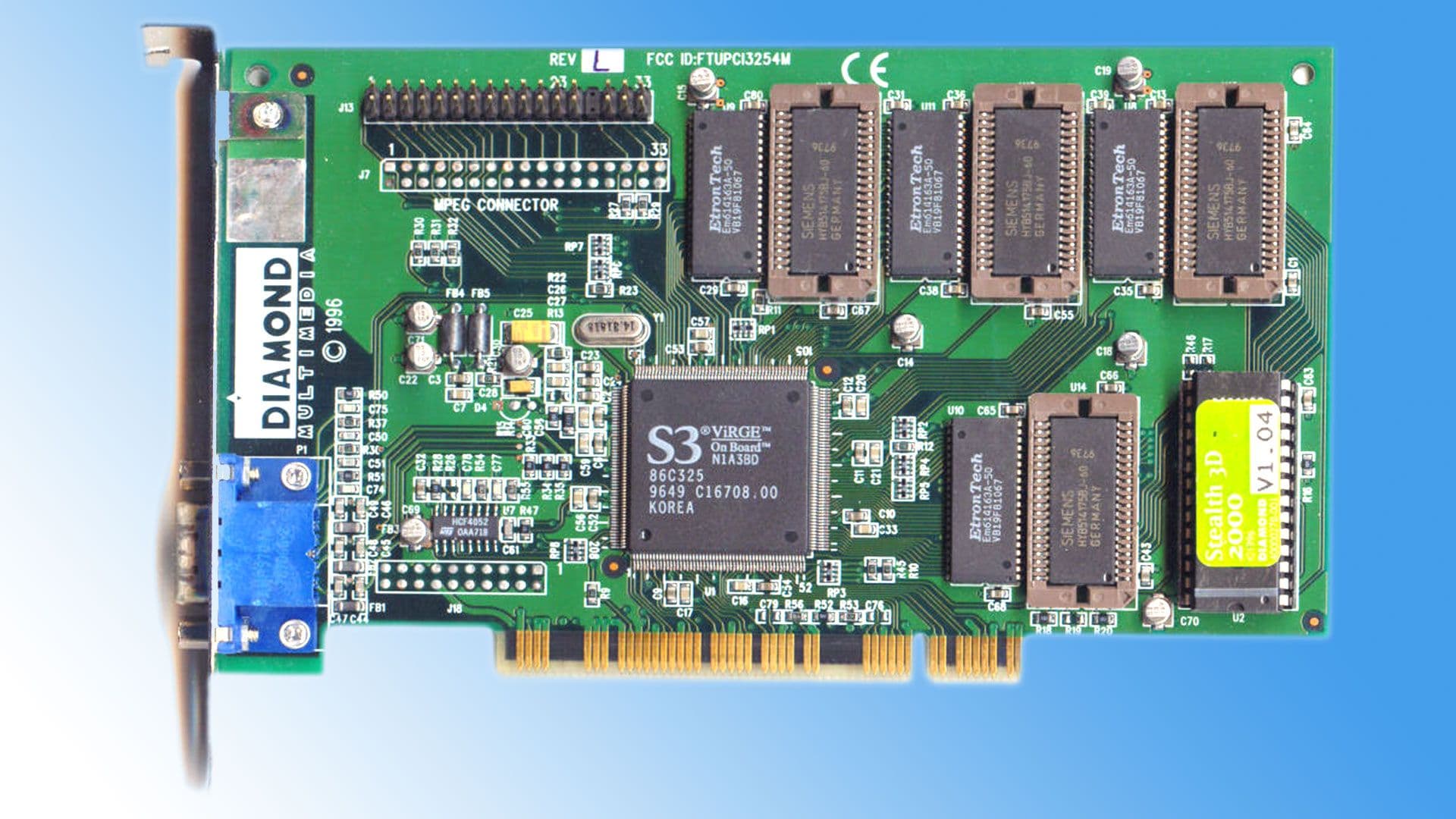
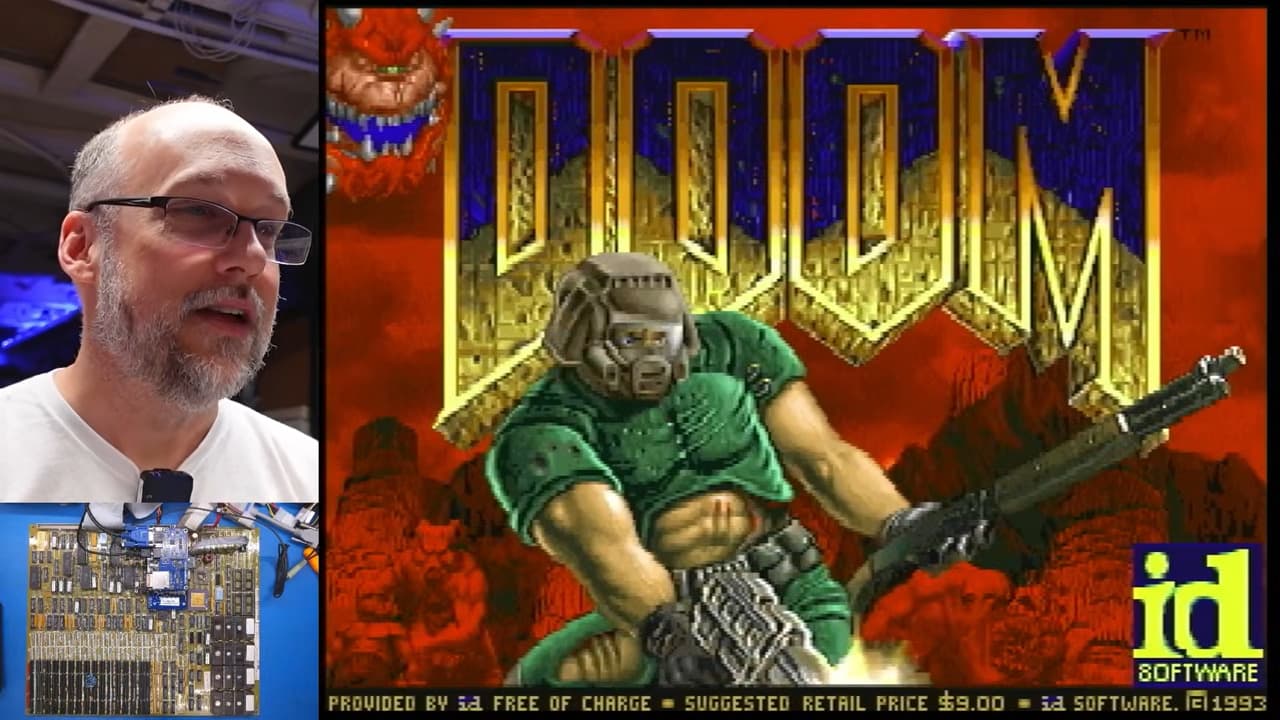
Bits und Bolts worked on an S3 Virge DX 4MB graphics card to track down and neutralize this problematic setting. The process involved using a debugger to probe memory addresses and locate the specific code responsible for the elevated black levels.
The first attempt at live-editing the code in the debugger came up empty. Setting the probed values to zero produced no visible change. But a second shot, targeting the debug address 3c4 at location 1a, hit the mark. When that value was set to zero, the background immediately went darker.
To confirm the find, Bits und Bolts reset the values back to their original state. The washed-out appearance returned, proving that one of the eight bits edited was indeed the pedestal bit.
The One-Byte Fix
The actual fix is surprisingly simple once you know where to look. In the VBIOS code, the original value at the target location is set to 3F in hexadecimal. Changing this to 1F disables the pedestal and restores true black output.
This modification can be made permanent by editing and reflashing the VBIOS, or applied temporarily through software tools at runtime. Either way, the result is the same: blacks that actually look black.
Which Cards Are Affected
The pedestal bit wasn't unique to the Virge DX. S3 implemented this feature across several product lines from the era, including the Trio series and some early Savage family models. If you're running retro hardware with any of these cards and have noticed that blacks look more like dark gray, this fix should apply.
For retro computing enthusiasts who care about accurate video output, whether for gaming, period-correct computing, or just aesthetic preferences, this discovery fills a gap that's existed since these cards were new.

Logicity's Take
Frequently Asked Questions
What is the pedestal bit in S3 graphics cards?
The pedestal bit is a VBIOS setting that raises black levels to dark gray. S3 implemented it to prevent images from appearing too dark on old NTSC CRT monitors.
Which S3 graphics cards have the pedestal bit issue?
The issue affects S3 Virge, Trio, and some early Savage family graphics cards from the 1990s.
How do you fix the S3 pedestal bit problem?
The fix involves changing a hexadecimal value in the VBIOS from 3F to 1F at a specific address. This can be done by reflashing the VBIOS or through software modification at runtime.
Is the S3 black level fix permanent?
It can be. Editing and reflashing the VBIOS makes the change permanent. Alternatively, software tools can apply the fix at each boot.
Need Help Implementing This?
Source: Latest from Tom's Hardware
Manaal Khan
Tech & Innovation Writer
Produced with AI assistance and reviewed by the Logicity editorial team. Learn more in our Editorial Policy.