Key Takeaways
- Immich can replace Google Photos or Amazon Photos for self-hosted photo backups
- All three apps run in LXC containers on Proxmox, keeping them isolated and lightweight
- Immich requires at least 32GB storage and 4GB RAM for its advanced features
Weekend projects hit different when they actually replace services you're paying for. Instead of tinkering for the sake of it, you end up with something useful. Here are three self-hosted apps that do exactly that: Immich for photo backups, Uptime Kuma for uptime monitoring, and Mealie for recipe management.
All three run on Proxmox, the open-source virtualization platform. If you've got an old laptop collecting dust, it's enough hardware to get started. The setup uses LXC containers, which are lightweight, isolated Linux environments that keep each app separate from your host system.
Immich: Self-Hosted Photo Backups
Immich is the one I've been putting off. Not because it's complicated, but because migrating away from Google Photos feels like a commitment. Immich handles automatic photo backups from your phone, facial recognition, and album organization. It's the closest open-source alternative to what Google and Amazon offer.
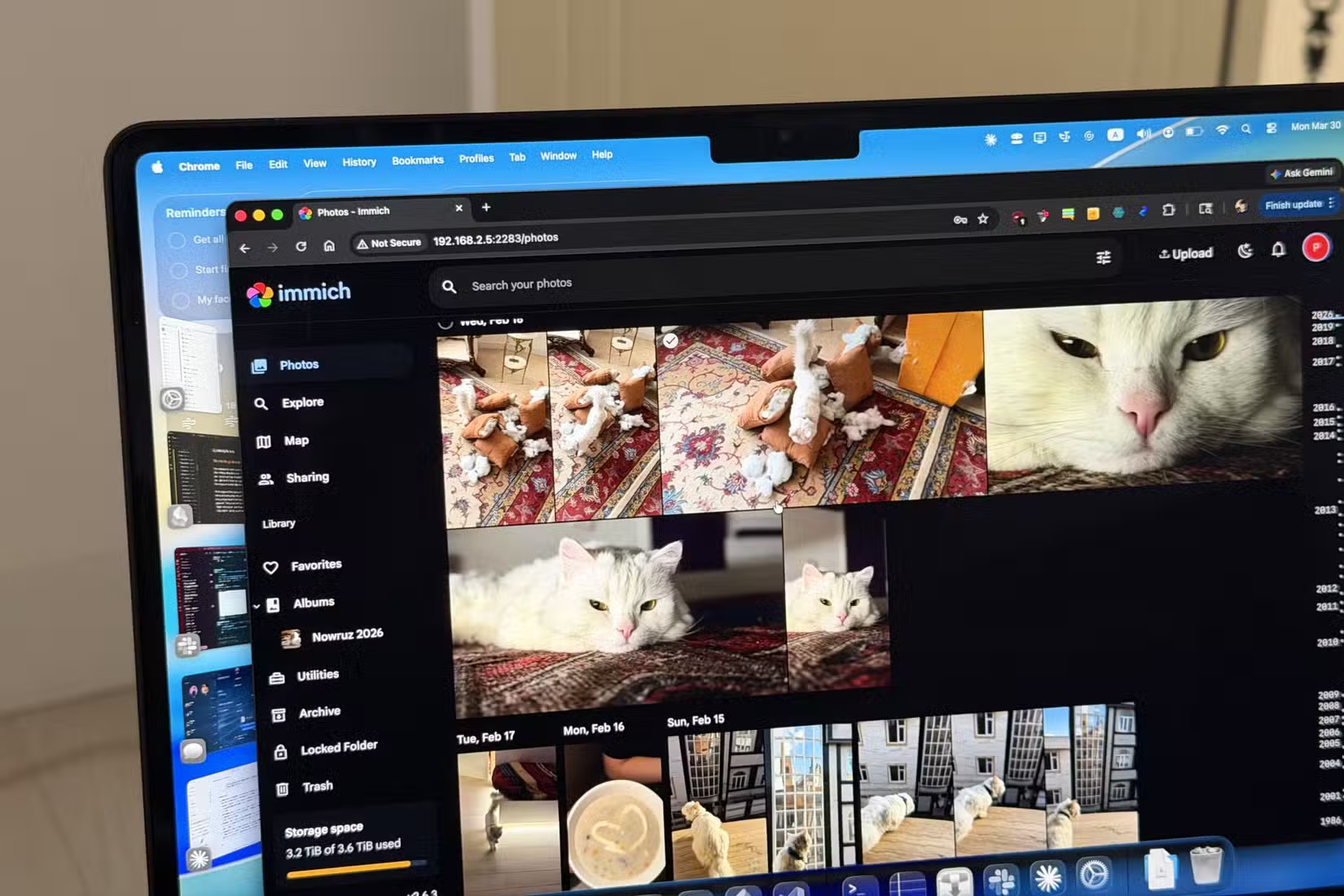
Setting Up the LXC Container
First, download the Debian 12 Bookworm LXC container template. In Proxmox, click your node in the left panel (whatever you named your hostname), select "local," then "CT Templates," and hit the Templates button. Search for "debian 12 bookworm" and download it.
Next, create the container with these settings:
- General: Set hostname to "immich" and choose a secure password
- Template: Select the Debian 12 Bookworm template you downloaded
- Disks: Allocate at least 32GB minimum
- CPU: Give Immich two cores
- Memory: Allocate 4096MB to both Memory and Swap
- Network: Set your IPv4 static address and gateway from your ipconfig output
A note on IP addresses: the examples in guides typically use 192.168.1.x, but your network might use 192.168.0.x or 10.0.0.x. Run ipconfig (Windows) or ifconfig (Mac/Linux) to find your actual gateway and subnet. Copy those values instead of blindly pasting example addresses.
Uptime Kuma: Service Monitoring
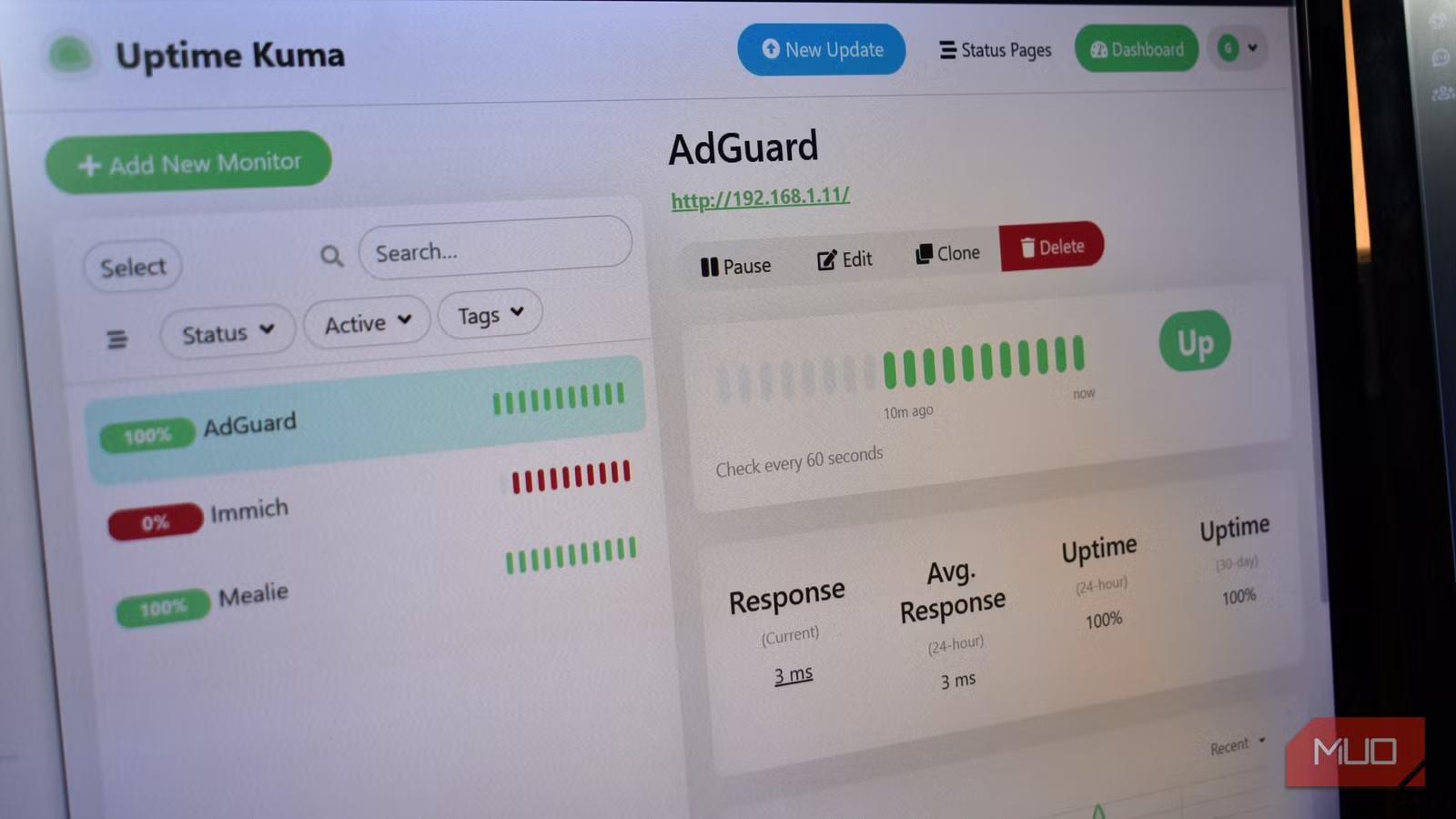
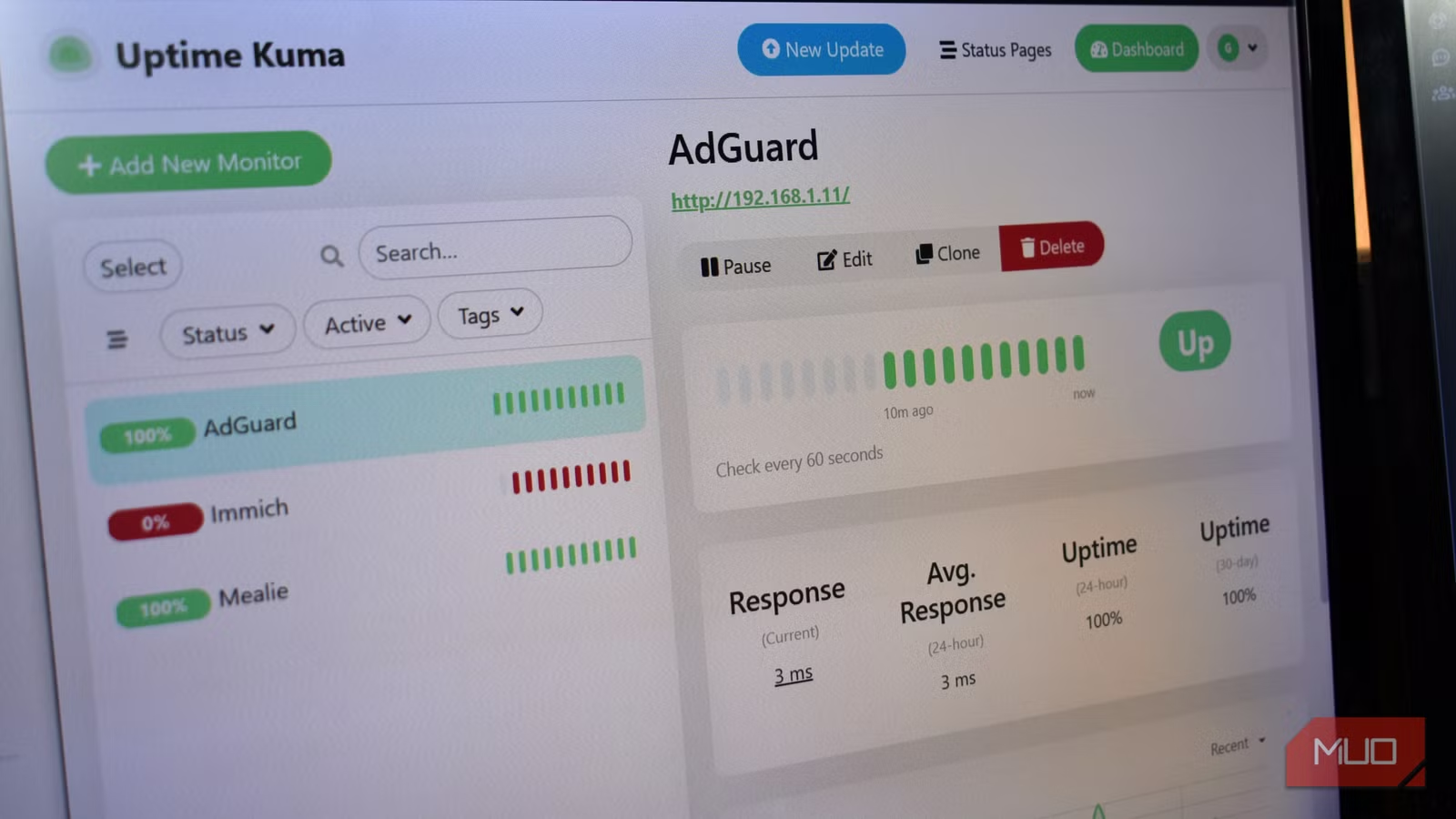
Uptime Kuma tracks whether your services are online. It pings your websites, APIs, or internal services at intervals you set, then alerts you when something goes down. The interface is clean, the setup is quick, and it supports dozens of notification methods including Slack, Discord, and email.
For anyone running side projects, internal tools, or client services, this fills a real gap. Paid monitoring tools charge per monitor or per seat. Uptime Kuma is free and runs on hardware you already own.
Mealie: Recipe Management
Mealie is a recipe manager that does one thing well: it pulls recipes from URLs and strips out the life stories. Paste a link from any food blog, and Mealie extracts the ingredients and instructions into a clean format. It also handles meal planning and grocery lists.
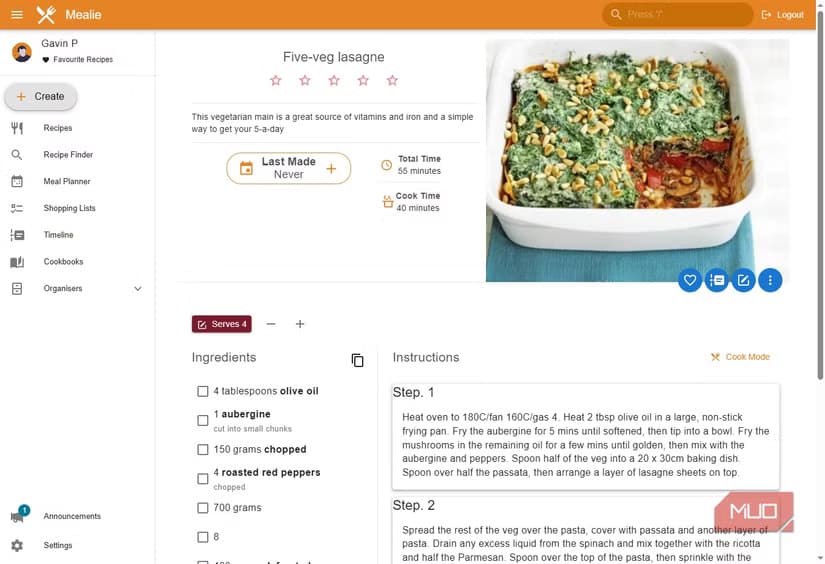
It sounds trivial until you've scrolled through the fifteenth paragraph about someone's grandmother's kitchen just to find out how much butter goes in the sauce. Mealie fixes that.
Why Proxmox on an Old Laptop Works
You don't need dedicated server hardware for these projects. An old laptop running Proxmox handles all three apps without breaking a sweat. The original author runs AdGuard and Unbound DNS on the same machine.
LXC containers are the key. They're lighter than full virtual machines but still isolated from each other. If one app breaks, the others keep running. You can snapshot, backup, and restore individual containers without touching the rest of your setup.
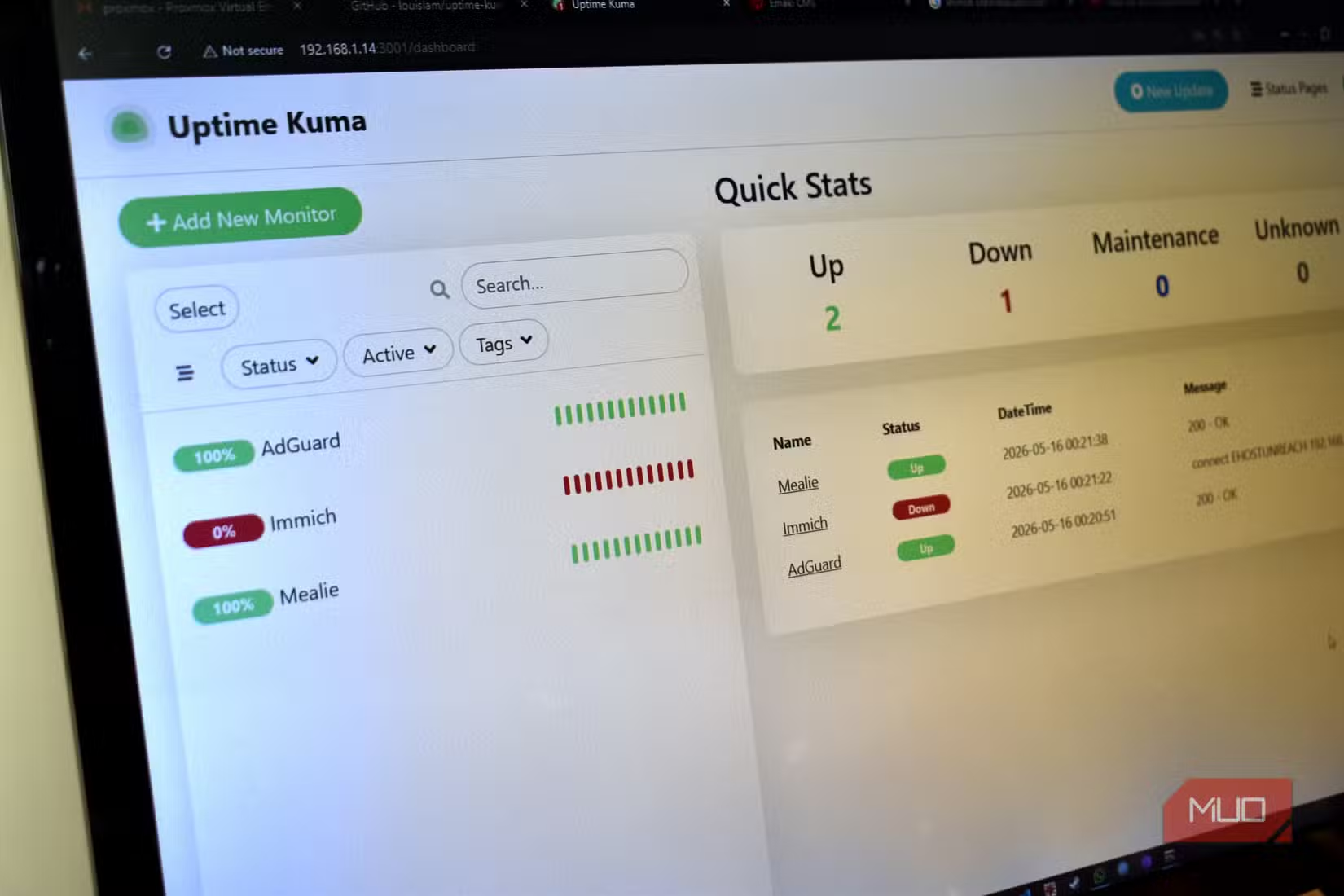
Logicity's Take
Frequently Asked Questions
How much storage does Immich need?
Minimum 32GB for the container itself, but you'll need significantly more for actual photo storage. Plan for at least 500GB if you're migrating from Google Photos.
Can I run these apps on a Raspberry Pi?
Uptime Kuma and Mealie run fine on a Pi 4. Immich is more demanding and works better on x86 hardware with more RAM.
Is self-hosting secure?
It can be, but the responsibility is on you. Keep containers updated, use strong passwords, and don't expose services directly to the internet without proper authentication.
What happens to my photos if Immich stops being maintained?
Your photos stay on your hardware in standard formats. Immich doesn't lock you in. You can always access the files directly or migrate to another service.
More useful software you might have missed
Weekend project ideas for home automation
Need Help Implementing This?
Source: MakeUseOf
Huma Shazia
Senior AI & Tech Writer
Produced with AI assistance and reviewed by the Logicity editorial team. Learn more in our Editorial Policy.