Key Takeaways
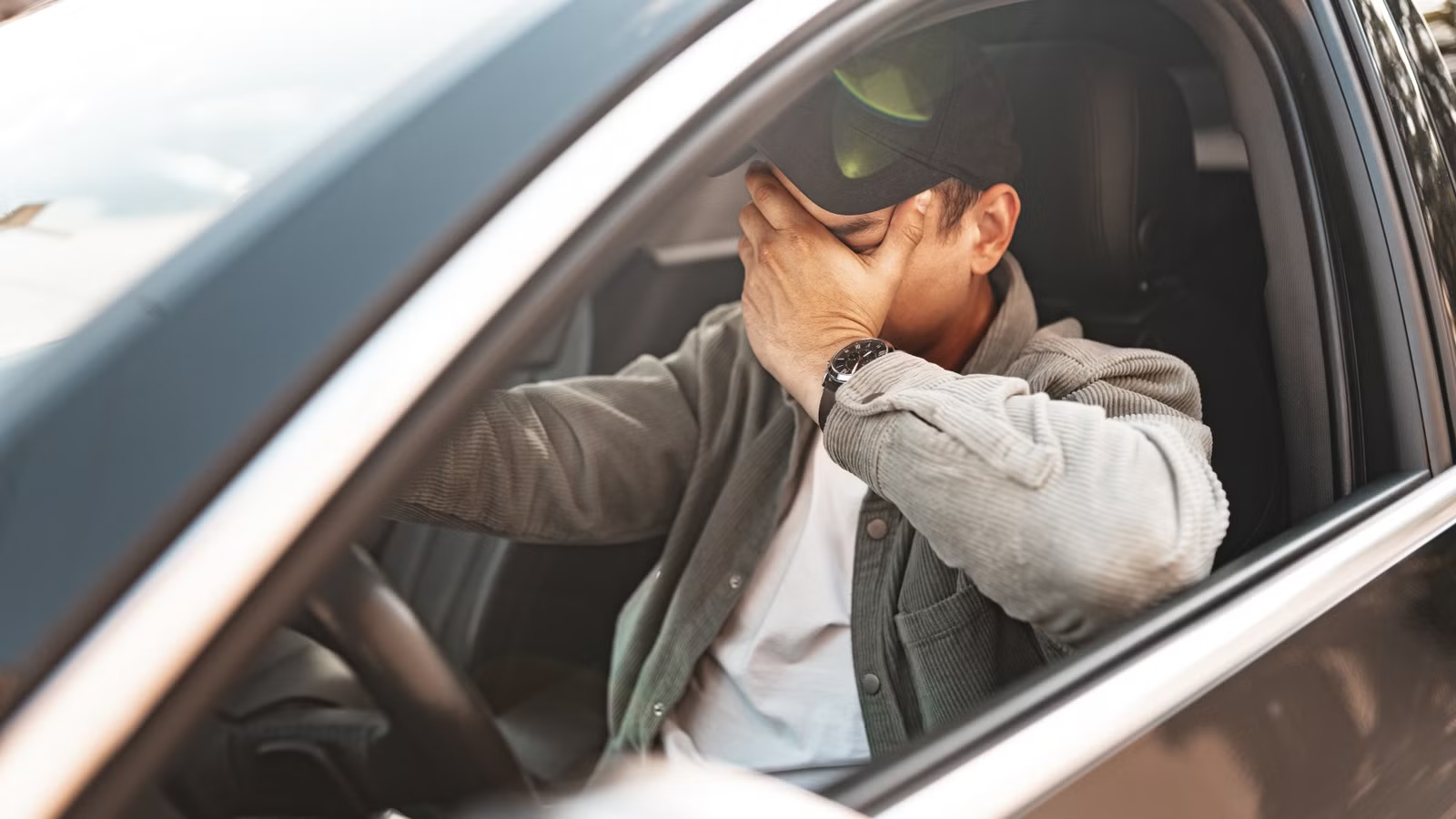
- Tire-related crashes cause approximately 11,000 accidents yearly in the U.S., made worse by summer pavement exceeding 150°F
- The 100 days between Memorial Day and Labor Day are the deadliest stretch on American roads
- Checking tire pressure, tread depth, and spare condition takes minutes but prevents hours of roadside delays
A recent Hertz survey found that 64% of Americans are planning a road trip this summer. Nearly three-quarters expect to take at least one trip between June and September. That's tens of millions of people about to spend hours behind the wheel on unfamiliar highways, in heat they aren't prepared for, pushing through fatigue to maximize vacation time.
The stretch between Memorial Day and Labor Day is known as the 100 Deadliest Days on American roads. Increased traffic, summer heat, and drowsy driving combine to spike accident rates. The good news: most of what goes wrong on a summer road trip is preventable.
1. Check Your Tires Before You Leave
According to the National Highway Traffic Safety Administration, tire-related crashes cause approximately 11,000 accidents every year in the United States. Summer makes this worse. Pavement temperatures can exceed 150 degrees Fahrenheit, causing air pressure inside tires to expand and stress the rubber. If your tires are already worn, the risk multiplies.
Before you leave, check your tire pressure against the manufacturer's recommended level. You'll find this in your owner's manual or on the sticker inside the driver's door. Don't rely on the number printed on the tire sidewall. That's the maximum pressure, not the optimal pressure for your vehicle.
Use the quarter test for tread depth. Insert a quarter into your tire's groove with Washington's head facing down. If you can see the top of his head, your tread is too shallow for safe highway driving. Replace those tires before the trip, not during.
Don't forget the spare. Most drivers haven't looked at their spare tire in years. Check that it's properly inflated and that you have a working jack and lug wrench. A flat spare is worse than no spare. You've already pulled over expecting a solution.
2. Top Off Your Coolant
Summer heat stresses cooling systems that barely held together during milder months. An overheating engine on a mountain pass or in desert traffic isn't just inconvenient. It can cause permanent engine damage within minutes.
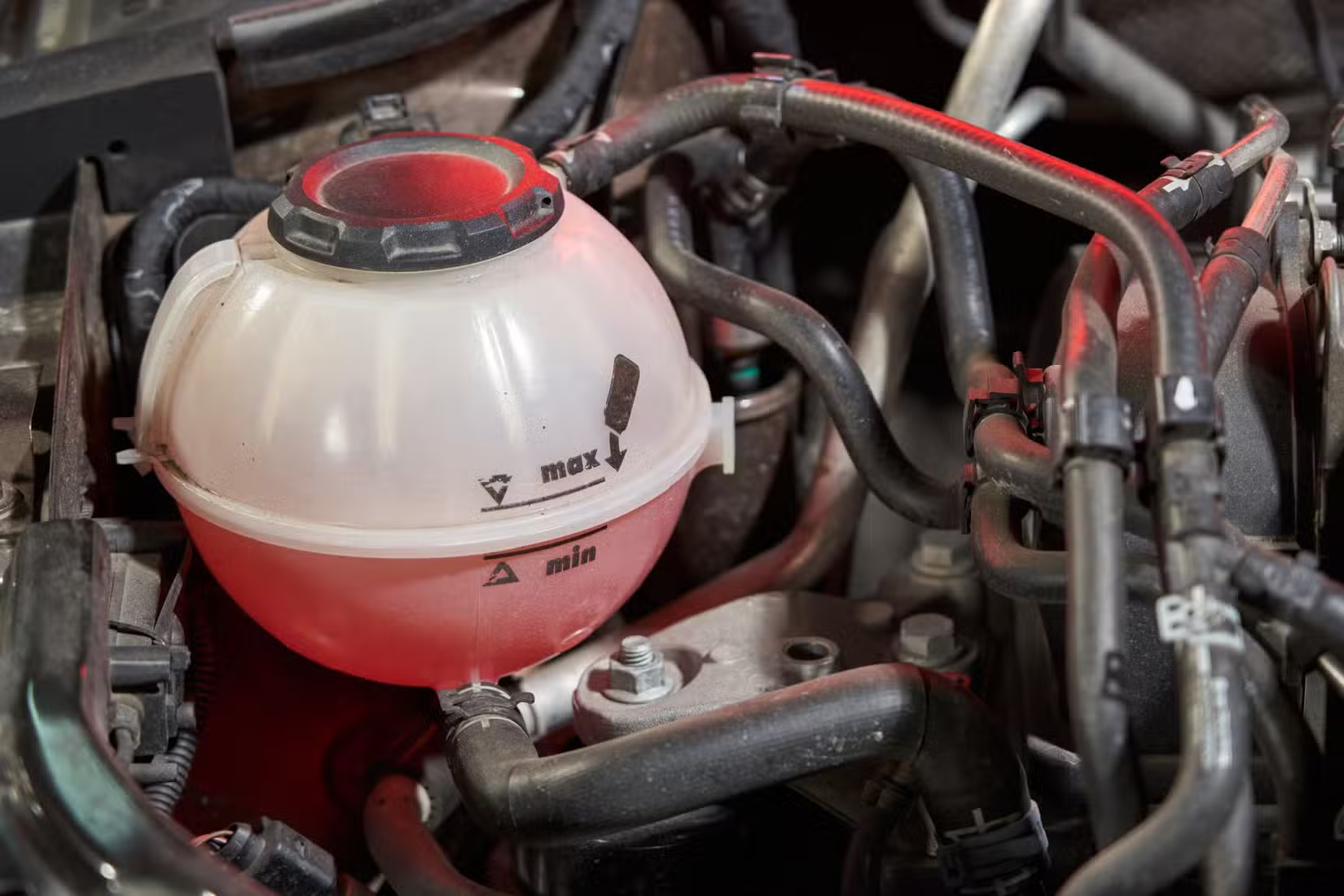
Check your coolant level in the expansion tank when the engine is cold. The fluid should be between the minimum and maximum marks. If it's low, top it off with the correct coolant type for your vehicle. Mixing different coolant formulations can cause gel formation and clogs.
While you're under the hood, look at the coolant hoses. Squeeze them gently. They should feel firm but flexible. Soft, spongy hoses or any visible cracks mean replacement is due. A hose failure at highway speed dumps all your coolant in seconds.
3. Address Drowsy Driving Before It Starts
Drowsy driving is as dangerous as drunk driving but far more common on road trips. After hours behind the wheel, especially in afternoon heat, reaction times slow and attention drifts. The CDC estimates drowsy driving causes over 6,000 fatal crashes annually.
Plan your driving schedule before you leave. Build in stops every two hours regardless of how you feel. Your body's fatigue signals lag behind actual impairment. By the time you feel sleepy, your driving has already degraded.
If you're traveling with another licensed driver, rotate behind the wheel. Solo drivers should plan overnight stops instead of pushing through. Arriving at your destination an hour later beats not arriving at all.
4. Update Your Navigation and Download Offline Maps
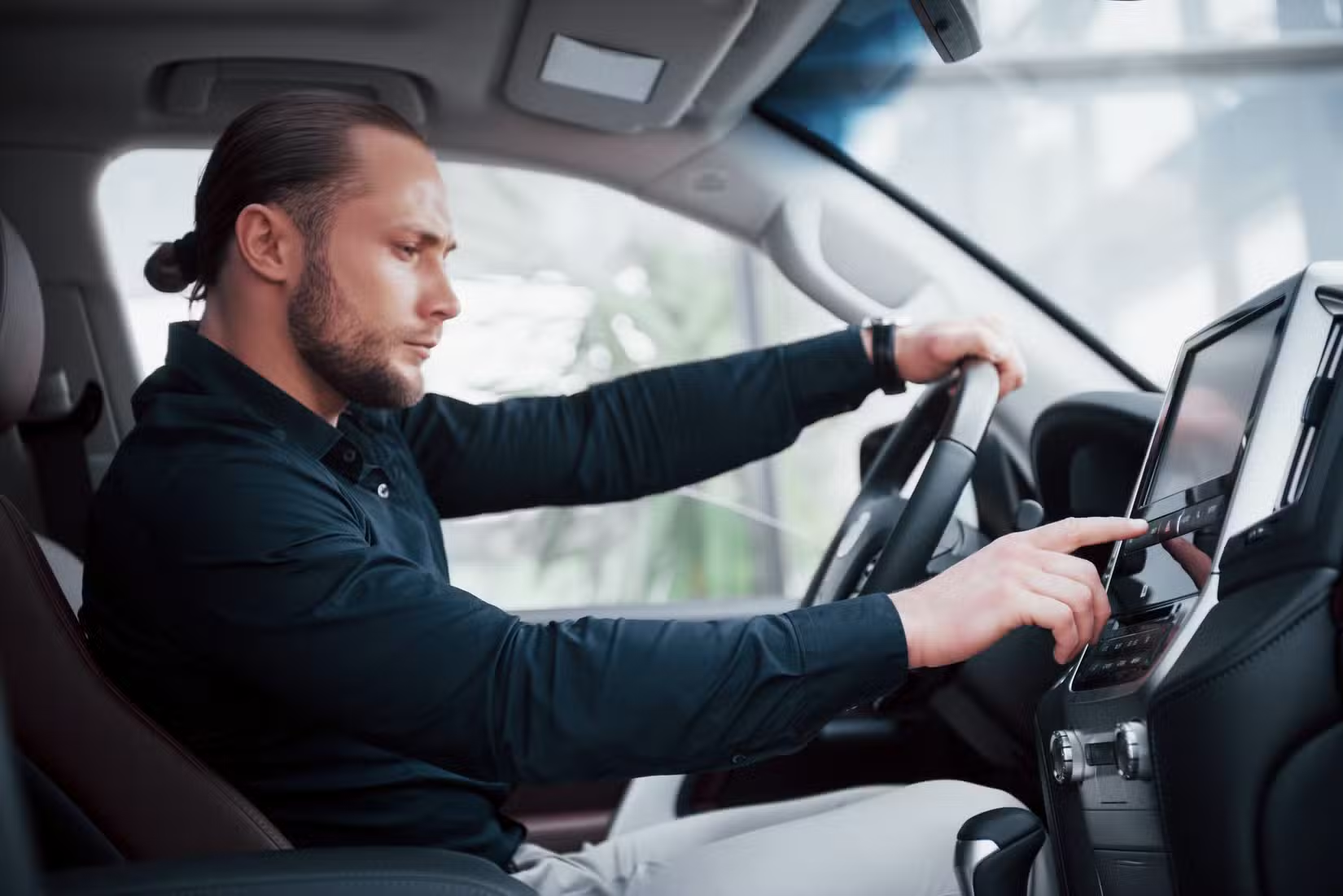
Cell coverage disappears on many scenic routes. Your phone's GPS will keep working, but without data, Google Maps and Apple Maps can't load new route information. Download offline maps for your entire route before you leave home Wi-Fi.
Update your navigation app too. Map data changes constantly. Construction zones, new roads, and changed speed limits won't appear if your app is running on stale information. A five-minute update at home beats a wrong turn into a closed road 200 miles from anywhere.
5. Prepare an Emergency Kit
Even with perfect preparation, breakdowns happen. An emergency kit turns a dangerous situation into a manageable inconvenience. At minimum, carry water, a flashlight with fresh batteries, jumper cables, and a basic first aid kit.
Add a portable phone charger. A dead phone when you need to call for help is a problem that costs nothing to prevent. Throw in a blanket too. Summer nights can drop 40 degrees from daytime highs, especially at elevation.
- 1 gallon of water per person
- Flashlight with extra batteries
- Jumper cables or a portable jump starter
- Basic first aid kit
- Charged portable phone battery
- Emergency blanket
- Reflective triangles or flares

Logicity's Take
Another checklist for preventing problems before they start
Frequently Asked Questions
How often should I check tire pressure on a long road trip?
Check pressure every morning before driving and whenever you stop for fuel. Tire pressure changes with temperature. Morning readings when tires are cold give the most accurate measurement.
What causes most summer road trip breakdowns?
Tire failures and overheating engines top the list. Both are preventable with pre-trip checks. Tire blowouts from underinflation and worn tread account for thousands of accidents annually.
How long can I drive before drowsy driving becomes dangerous?
Impairment begins earlier than most drivers recognize. Take breaks every two hours regardless of how alert you feel. The CDC links drowsy driving to over 6,000 fatal crashes per year.
Do I really need offline maps if I have cellular data?
Yes. Many scenic highways, national parks, and mountain passes have no cell coverage. Your phone's GPS works without data, but navigation apps can't load maps or reroute without a connection.
What's the minimum emergency kit for a summer road trip?
Water, flashlight, jumper cables, first aid kit, portable phone charger, and an emergency blanket. Add reflective triangles if you're driving at night or through remote areas.
Need Help Implementing This?
Source: How-To Geek
Manaal Khan
Tech & Innovation Writer
Produced with AI assistance and reviewed by the Logicity editorial team. Learn more in our Editorial Policy.