Key Takeaways

- Reno16 series features a 200MP main sensor with 50MP periscope and ultrawide cameras
- Reno16 Pro expected to pack Dimensity 9500s chip and 7,000mAh battery
- Standard Reno16 will use a smaller 6.3-inch display and Dimensity 8000-series chip
Triple 50MP+ Cameras Across the Board
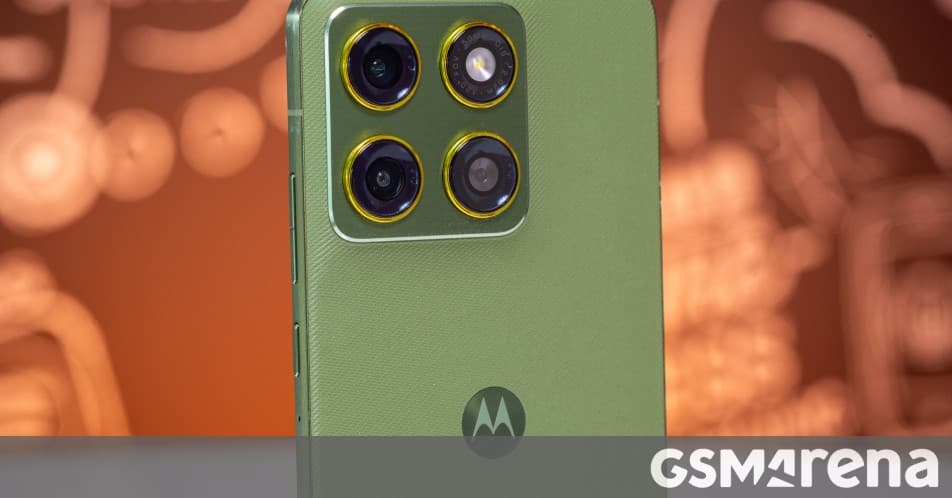
Oppo has pulled back the curtain on the Reno16 series camera system ahead of its China launch. The company confirmed that both the Reno16 and Reno16 Pro will share the same impressive rear camera setup: a 200MP primary sensor, a 50MP periscope telephoto lens, and a 50MP ultrawide unit.
That's a significant step up from the Reno15 series, which topped out at a 50MP main camera. The jump to 200MP puts the Reno16 in direct competition with Samsung's Galaxy S24 Ultra and Xiaomi's recent flagships in the megapixel race.
For selfies, both phones will feature a 50MP ultrawide front camera. Oppo hasn't named the specific sensor models used in either phone. However, fine print in the company's teaser material notes that camera hardware "may differ between the two" models. This suggests the Pro could get better sensors despite the matching specs on paper.
Reno16 Pro: LTPO Display, Dimensity 9500s, 7,000mAh Battery
The Reno16 Pro is shaping up to be a proper flagship. According to recent leaks, the phone will feature a 6.78-inch LTPO display. LTPO technology allows the screen to dynamically adjust its refresh rate, saving battery when you're reading static content and ramping up for smooth scrolling.
Under the hood, the Pro model is expected to run MediaTek's Dimensity 9500s chipset. This is a variant of the company's latest flagship chip, built on TSMC's 3nm process. It should deliver flagship performance while keeping power consumption in check.
The battery is the headline spec here. At 7,000mAh, the Reno16 Pro would be among the largest smartphone batteries on the market. For context, most flagship phones still hover around 5,000mAh. Oppo has not yet confirmed charging speeds, but the company's phones typically support fast wired charging of 80W or higher.
The Pro model will also feature a metal frame, suggesting a more premium build than typical mid-range devices.
Standard Reno16: Compact Option with Dimensity 8000
The standard Reno16 takes a different approach. It's expected to feature a smaller 6.3-inch display, making it a more pocketable option for users who don't want a large phone.
On the chip side, the base model will reportedly use a Dimensity 8000-series SoC. This is still a capable chip, but it sits below the 9500s in MediaTek's lineup. Expect solid performance for everyday tasks and gaming, though it won't match the Pro's raw power.
Battery size for the standard model hasn't been confirmed, but it will likely be smaller than the Pro's 7,000mAh cell given the compact form factor.
Pre-orders Open in China
Both the Reno16 and Reno16 Pro are already available for pre-order in China. Oppo has previously shown off the design of both phones through official teasers. Pricing and exact launch dates for the Chinese market should be announced soon.
There's no word yet on international availability. Oppo typically launches Reno series phones in India and other Asian markets within a few months of the China debut. European and other markets often follow later.
Logicity's Take
Frequently Asked Questions
Frequently Asked Questions
What cameras does the Oppo Reno16 have?
The Oppo Reno16 series features a triple rear camera setup with a 200MP main sensor, 50MP periscope telephoto lens, and 50MP ultrawide camera. The front camera is a 50MP ultrawide sensor.
What chip does the Oppo Reno16 Pro use?
The Reno16 Pro is expected to use MediaTek's Dimensity 9500s chipset, a flagship processor built on TSMC's 3nm process. The standard Reno16 will use a Dimensity 8000-series chip.
How big is the Oppo Reno16 Pro battery?
The Reno16 Pro is rumored to pack a 7,000mAh battery, making it one of the largest smartphone batteries currently available.
When will the Oppo Reno16 launch internationally?
Oppo has not announced international launch dates. Based on past Reno releases, expect availability in India and other Asian markets within a few months of the China launch.
More on recent mobile device launches from Chinese manufacturers
Need Help Implementing This?
Source: GSMArena.com / Siddharth
Manaal Khan
Tech & Innovation Writer
Produced with AI assistance and reviewed by the Logicity editorial team. Learn more in our Editorial Policy.