Key Takeaways
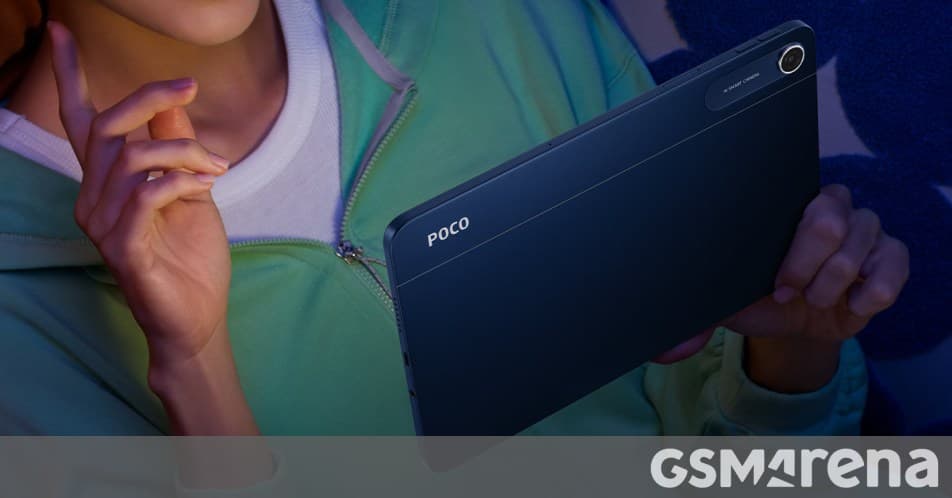
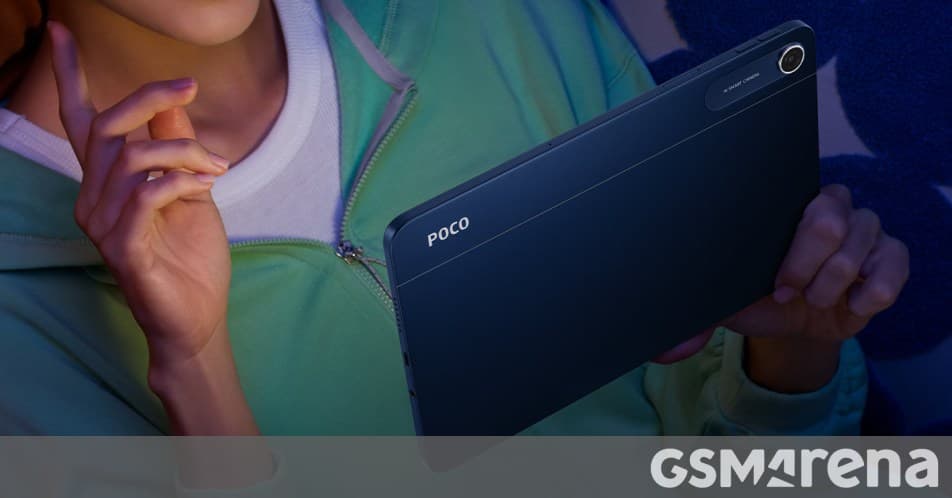
- Poco Pad C1 is identical to the Redmi Pad 2 9.7 released last month
- Features a 9.7-inch LCD with 120Hz refresh rate and Snapdragon 6s 4G Gen 2 chip
- Pricing not yet announced, global retail availability expected soon
A Silent Launch for a Familiar Tablet
Xiaomi has added the Poco Pad C1 to its global website without any formal announcement. The tablet appeared quietly, continuing Xiaomi's habit of rebranding devices across its sub-brands. This time, the Poco Pad C1 is a carbon copy of the Redmi Pad 2 9.7, which hit the market just last month.
The rebranding strategy isn't new for Xiaomi. The company frequently shares hardware designs and specs across its Poco, Redmi, and Mi lineups, tailoring pricing and marketing to different regional markets. For buyers, this means the same hardware could appear under multiple names at varying price points.
What the Poco Pad C1 Offers
The Poco Pad C1 features a 9.7-inch LCD screen with a resolution of 2048x1280 pixels. It supports a 120Hz refresh rate for smoother scrolling and a 180Hz touch sampling rate for better responsiveness. Peak brightness hits 600 nits, which should handle outdoor use reasonably well.
Powering the tablet is Qualcomm's Snapdragon 6s 4G Gen 2 chipset. This is a mid-range processor designed for everyday tasks like browsing, video streaming, and light productivity. Buyers can choose between 4GB or 6GB of RAM, paired with either 64GB or 128GB of internal storage.
- Display: 9.7-inch LCD, 2048x1280, 120Hz, 600 nits peak
- Processor: Snapdragon 6s 4G Gen 2
- RAM/Storage: 4GB/64GB or 6GB/128GB
- Rear camera: 8MP
- Front camera: 5MP
- Battery: 7,600 mAh with 18W charging
- Dimensions: 226.51 x 147.97 x 7.4 mm
- Weight: 406g
- Colors: Blue and Grey
The camera setup is basic. An 8MP rear shooter handles document scanning and casual photos, while a 5MP front camera covers video calls. Neither is particularly impressive, but budget tablets rarely prioritize imaging.
Battery life looks promising. The 7,600 mAh cell should last through extended video sessions or multiple days of light use. Charging tops out at 18W, which isn't fast by 2025 standards but gets the job done.
Pricing and Availability
Xiaomi hasn't announced pricing for the Poco Pad C1 yet. Based on the Redmi Pad 2 9.7's positioning, expect the Poco variant to land in the budget segment, likely under $200 in most markets. The tablet should appear at various global retailers in the coming weeks.
The lack of 5G connectivity might disappoint some buyers. The Snapdragon 6s 4G Gen 2 limits the tablet to LTE networks. For most tablet use cases, this won't matter since Wi-Fi handles the heavy lifting at home or in the office.
Logicity's Take
Who Should Consider This Tablet
The Poco Pad C1 fits buyers who want a media consumption device without spending flagship money. The 120Hz screen makes content look smooth, and the 9.7-inch size hits a sweet spot between portability and usable screen real estate.
It's not for power users or mobile professionals who need top-tier performance. The Snapdragon 6s chip will struggle with demanding games or heavy multitasking. But for streaming, reading, and basic productivity, it should handle daily tasks without issue.
Frequently Asked Questions
Is the Poco Pad C1 the same as the Redmi Pad 2 9.7?
Yes. The Poco Pad C1 is a rebranded version of the Redmi Pad 2 9.7 with identical specifications.
Does the Poco Pad C1 support 5G?
No. The tablet uses the Snapdragon 6s 4G Gen 2 chipset, which is limited to 4G LTE connectivity.
How much will the Poco Pad C1 cost?
Pricing hasn't been announced yet, but based on the Redmi variant, expect it to fall in the budget category under $200.
What colors is the Poco Pad C1 available in?
The tablet comes in blue and grey color options.
How fast does the Poco Pad C1 charge?
The 7,600 mAh battery supports 18W wired charging.
Need Help Implementing This?
Source: GSMArena.com / Vlad
Manaal Khan
Tech & Innovation Writer
Produced with AI assistance and reviewed by the Logicity editorial team. Learn more in our Editorial Policy.