Key Takeaways
- Samsung agreed to remove the 50% bonus cap and allocate 10.5% of annual operating profits to employees
- The 18-day strike by 48,000 workers would have disrupted global memory chip production
- Memory chip division workers will receive 40% of the bonus pool, contingent on profit targets through 2035
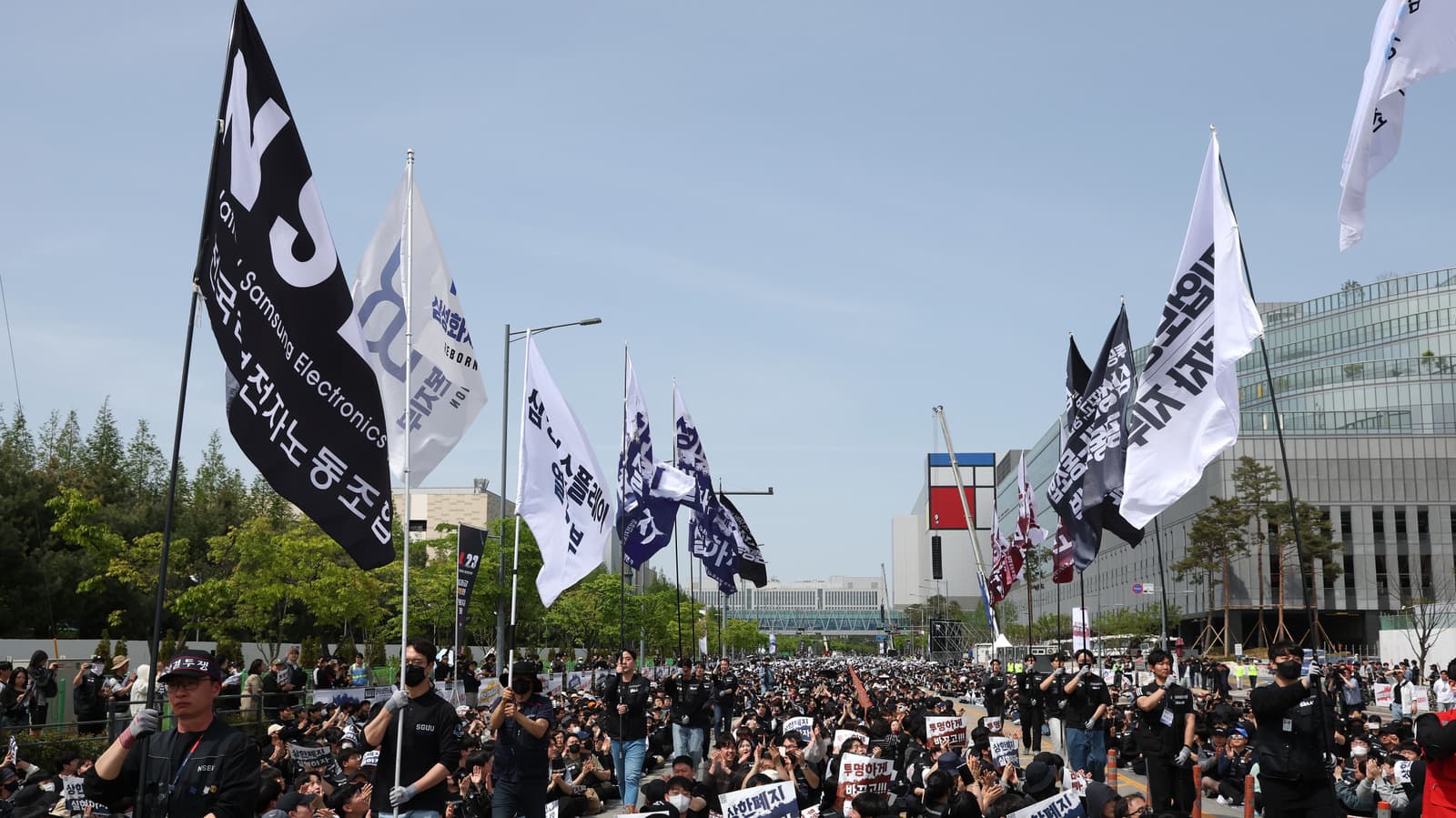
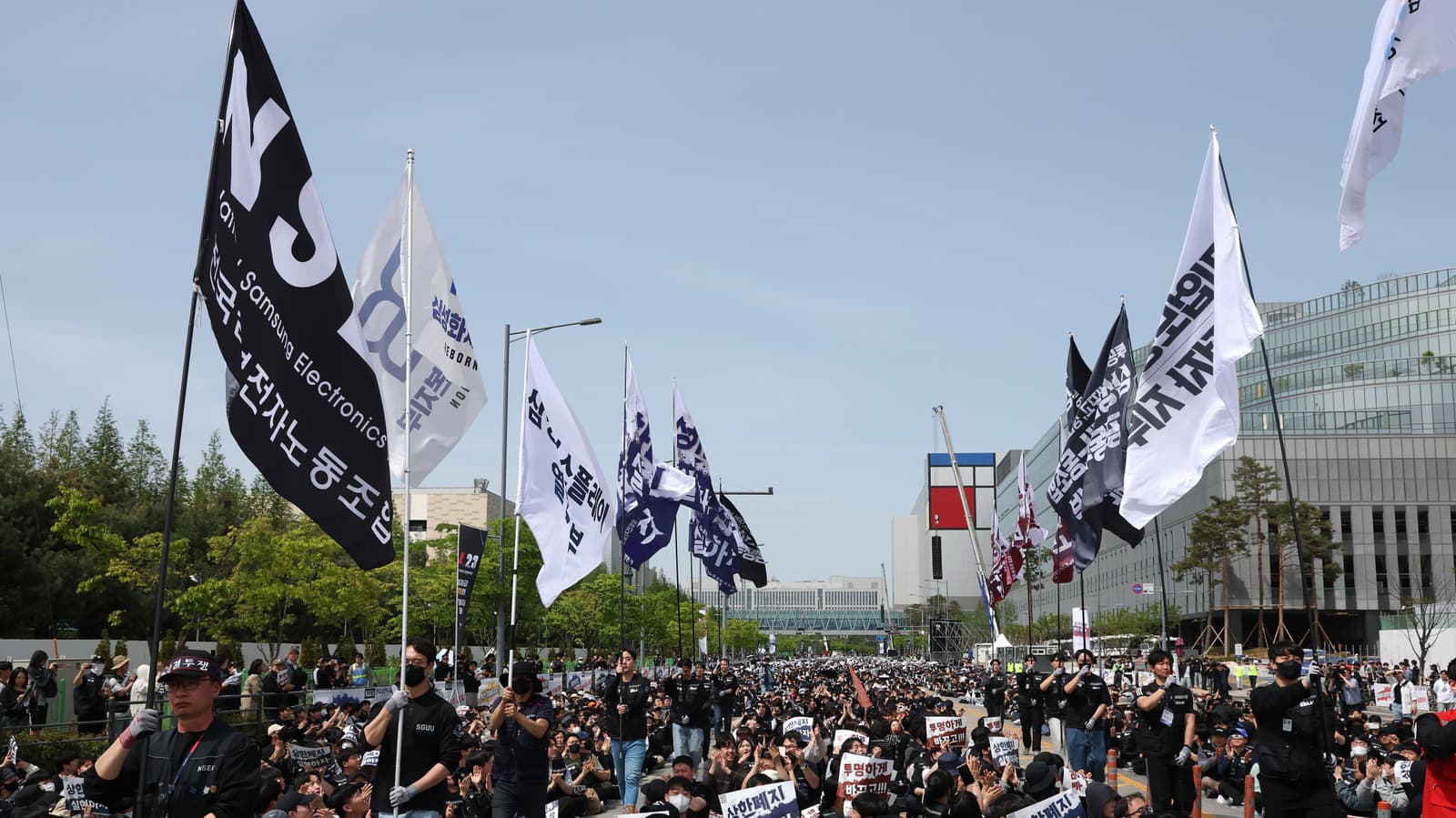
Samsung's largest labor union in South Korea has suspended a planned 18-day strike after reaching a tentative agreement with the company over employee bonuses. The walkout, which would have begun on May 21, threatened to disrupt global memory chip production and cost the company an estimated KRW 1 trillion ($669 million) in direct losses.
Nearly 48,000 workers had prepared to walk out. Most belong to Samsung's memory division, the company's biggest moneymaker. Samsung produces about 40% of the world's memory chips, and the strike's ripple effects would have extended far beyond South Korea's borders.
What the deal includes
Samsung agreed to abolish the cap on employee bonuses, which had been set at 50% of annual salaries. The company will now allocate 10.5% of its annual operating profits to the bonus pool. While that's lower than the union's initial demand of 15%, it's higher than the 10% that rival SK Hynix pays its employees.
Memory chip division workers will receive 40% of the total bonus pool. The remaining 60% will be divided among Samsung's other business units.
There's a catch. The bonuses are contingent on the memory division hitting profit targets: KRW 200 trillion ($133 billion) from 2026 to 2028, and KRW 100 trillion ($66 billion) from 2029 to 2035. Samsung will pay part of these bonuses in company stock for at least 10 years.
Why workers pushed back
The dispute centered on pay parity with SK Hynix, another South Korean semiconductor maker. Union leaders argued that SK Hynix gave employees bonuses three times higher than Samsung workers received last year. Some Samsung personnel left for the rival company as a result.
“With a humble attitude, we will build a more mature and constructive labour-management relationship to ensure that such an incident never happens again.”
— Samsung statement
Union leader Choi Seung-ho announced that workers will vote on the tentative agreement from May 22 to 27. A final deal depends on that vote's outcome.
Government stepped in quickly
It didn't take long for the South Korean government to intervene. Talks restarted just hours after the strike announcement, with Labor Minister Kim Young-hoon serving as mediator.
The government had good reason to act fast. Samsung accounts for 12.5% of South Korea's GDP. Prime Minister Kim Min-seok had warned that direct losses from the 18-day strike could reach KRW 1 trillion ($669 million), with the total economic impact extending further.
Samsung reported KRW 53.7 trillion ($35.63 billion) in operating profit for Q1 2026 alone. The company is the world's largest memory chip maker, and any production disruption would affect global supply chains for smartphones, servers, and data centers.
What happens next
The union's ratification vote runs through May 27. If workers approve the deal, Samsung avoids what would have been a significant blow to its production capacity and reputation with customers who depend on reliable chip supply.
If they reject it, Samsung faces renewed strike risk and potentially tougher negotiations. The profit targets built into the bonus structure also mean this deal's value to workers depends heavily on Samsung's future performance in a cyclical industry.
Logicity's Take
Another case of regulatory and labor dynamics affecting major business operations
Frequently Asked Questions
Why did Samsung workers threaten to strike?
Workers wanted Samsung to remove the 50% cap on bonuses and match competitor SK Hynix, which paid bonuses three times higher than Samsung's last year.
How many workers were involved in the planned strike?
Nearly 48,000 workers, mostly from Samsung's memory chip division, had planned to walk out for 18 days starting May 21.
What did Samsung agree to in the new deal?
Samsung will abolish the bonus cap and allocate 10.5% of annual operating profits to employees. Memory division workers get 40% of that pool.
How significant is Samsung to South Korea's economy?
Samsung accounts for 12.5% of South Korea's GDP. The strike's direct losses were estimated at $669 million.
When will workers vote on the agreement?
Union members will vote on the tentative deal from May 22 to 27, 2026.
Need Help Implementing This?
Source: Engadget
Manaal Khan
Tech & Innovation Writer
Produced with AI assistance and reviewed by the Logicity editorial team. Learn more in our Editorial Policy.