Key Takeaways
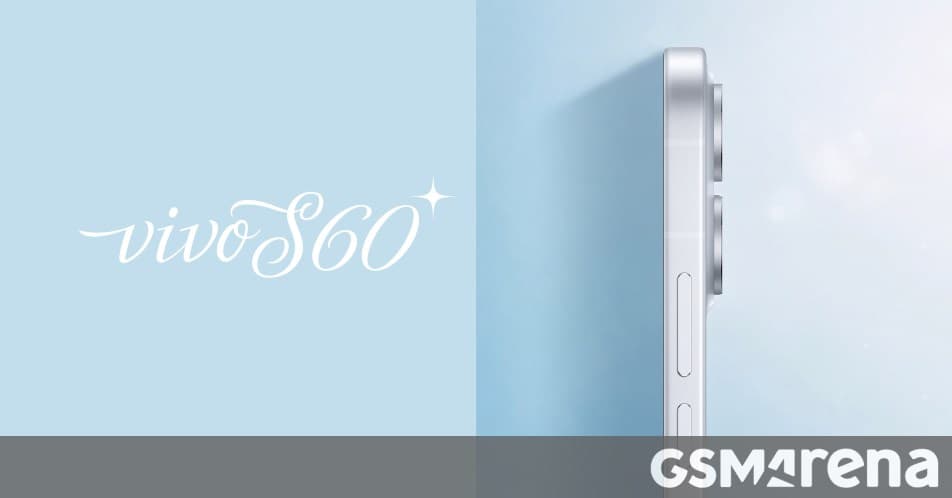
- Vivo S60 teased with aluminum frame and triple camera setup in gradient design
- Main camera rumored to jump from 50MP to 200MP sensor
- IP69 rating would make it one of the most water-resistant phones available
What the Teaser Shows
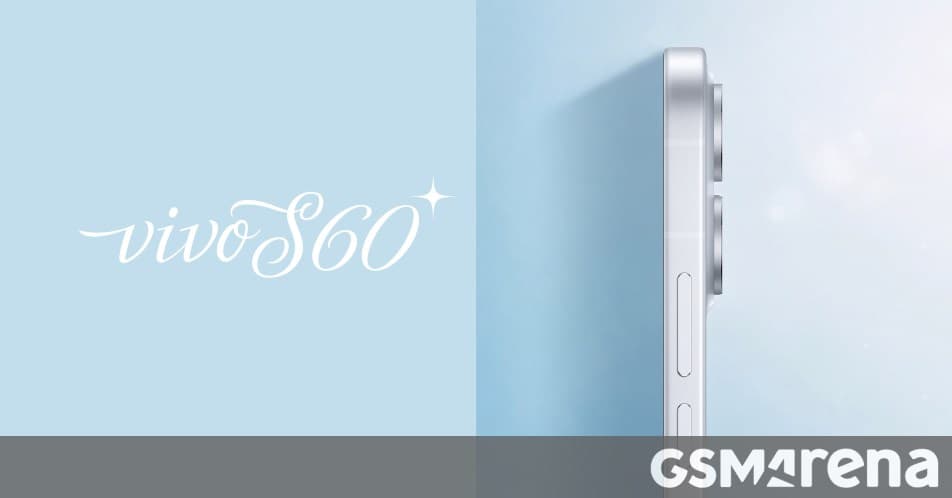
Vivo Product Manager Han Boxiao shared images of the vanilla S60 model on Chinese social media. The teaser shows the phone's side and back profile. Two details stand out: an aluminum frame and a triple camera arrangement on the rear.
The model in the images features a gradient design with sparkling elements. It follows the aesthetic direction Vivo has taken with recent S-series devices, though the exact color options remain unannounced.
The S50 series launched in December, so the S60 reveal is arriving roughly on schedule. Vivo has not shared any official specifications or a launch date.
Rumored Specifications
Based on leaked information, the S60 will pack a 6.59-inch flat AMOLED display with FHD+ resolution and a 120Hz refresh rate. The flat panel marks a continuation from the S50's design language.
Under the hood, the phone is expected to retain the Snapdragon 8s Gen 3 chip from its predecessor. This is Qualcomm's slightly pared-down flagship processor, sitting below the full Snapdragon 8 Gen 3 but still capable of handling demanding tasks.
The camera system is where the S60 could make its biggest jump. Rumors suggest the main sensor will upgrade from 50MP to 200MP. That's a significant resolution bump that would put it in the same territory as Samsung's Galaxy S24 Ultra.
- 200MP main camera (up from 50MP on S50)
- 50MP telephoto camera
- Larger battery capacity (exact mAh unspecified)
- IP69 ingress protection
IP69: Beyond Typical Water Resistance
The rumored IP69 rating deserves attention. Most flagship phones top out at IP68, which protects against submersion in fresh water up to a certain depth. IP69 goes further. It's designed to withstand high-pressure, high-temperature water jets.
This rating originated in industrial applications where equipment needs to survive steam cleaning. If accurate, the S60 would be one of the most water-resistant consumer smartphones on the market.
Global Launch as Vivo V80
According to the same rumors, the Vivo S60 will launch globally under a different name: the Vivo V80. This follows Vivo's typical strategy of rebranding its China-first phones for international markets.
The teaser made no mention of the S60 Pro Mini, a variant that had appeared in earlier leaks. Whether this model still exists in Vivo's plans remains unclear.
Logicity's Take
What's Missing from the Teaser
Vivo's official teaser kept details sparse. We don't have confirmation on price, exact battery size, charging speeds, or regional availability. The company also hasn't announced a launch date, though Chinese releases typically happen within weeks of official teasers.
The global V80 version usually follows the China launch by a few months. Markets like India, Southeast Asia, and parts of Europe tend to get V-series phones first.
For context on the chip manufacturing behind Snapdragon processors
Frequently Asked Questions
When will the Vivo S60 launch?
Vivo hasn't announced an official date. Based on the teaser timing and typical release patterns, a China launch is likely within the next few weeks.
What is the difference between Vivo S60 and V80?
They're expected to be the same phone. Vivo typically sells S-series devices in China and rebrands them as V-series for international markets.
What does IP69 mean for a smartphone?
IP69 indicates protection against high-pressure, high-temperature water jets. It exceeds the IP68 rating found on most flagship phones and was originally designed for industrial equipment.
Will the Vivo S60 have a 200MP camera?
Rumors suggest yes, though Vivo hasn't confirmed this. The S50 had a 50MP main sensor, so a 200MP upgrade would be a major jump.
Need Help Implementing This?
Source: GSMArena.com / Michail
Manaal Khan
Tech & Innovation Writer
Produced with AI assistance and reviewed by the Logicity editorial team. Learn more in our Editorial Policy.