Key Takeaways
- Samsung's mid-range A57 has outsold flagship interest for four consecutive weeks, signaling employee preference for value devices
- Honor's aggressive market push with the 600 Pro could disrupt corporate device procurement in price-sensitive markets
- The gap between what employees search for and what companies buy represents a hidden productivity and satisfaction cost
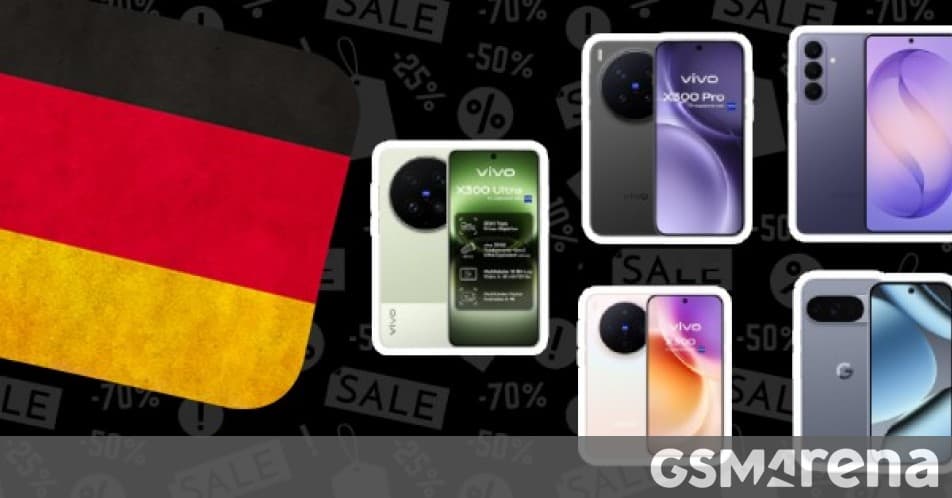
According to [GSMArena's weekly trending report](https://www.gsmarena.com/top_10_trending_phones_of_week_16-news-72443.php), the Samsung Galaxy A57 has held the top spot for four consecutive weeks, with Honor's upcoming 600 Pro surging to second place as the company's teaser campaign hit full speed.
Here's why that matters if you're making device decisions for your company: the phones employees actually research and want are increasingly misaligned with what corporate IT departments typically purchase. That gap costs you money in ways that don't show up on a procurement spreadsheet.
Why Are Mid-Range Phones Dominating 2026 Interest?
The most expensive phone on this week's top 10 is the Galaxy S26 Ultra, sitting at third place. The iPhone 17 Pro Max landed at seventh. Meanwhile, devices priced between $300 and $500 dominated six of the top ten spots.
This isn't about consumers being cheap. It's about diminishing returns on smartphone investment. A $1,200 flagship delivers maybe 15% better performance than a $450 mid-ranger for 160% more cost. Business leaders have recognized this math for years in their personal purchases. The question is whether your corporate device policy has caught up.
| Device | Trending Position | Price Range | Business Use Case |
|---|---|---|---|
| Samsung Galaxy A57 5G | #1 | $470-$700 | Field teams, BYOD supplement |
| Honor 600 Pro | #2 | $400-$500 (est.) | Price-sensitive fleet deployment |
| Galaxy S26 Ultra | #3 | $1,200+ | Executive tier, camera-heavy roles |
| Poco X8 Pro Max | #4 | $300-$400 | High-spec budget option |
| Galaxy A27 | #5 | $200-$300 | Entry-level fleet devices |
| iPhone 17 Pro Max | #7 | $1,100+ | iOS ecosystem requirements |
What Does Honor's Surge Mean for Corporate Procurement?
Honor jumping to second place isn't random. The company has been executing an aggressive teaser campaign for the 600 series, and it's working. For business leaders in price-sensitive markets or with large field teams, Honor's rise deserves attention.
The brand split from Huawei in 2020 specifically to escape U.S. trade restrictions. That means Honor devices can ship with Google services, making them viable for corporate environments that require Google Workspace integration. They've also been investing heavily in enterprise features like enhanced security layers and longer software support windows.
Executive Summary: Honor for Business
Honor devices now ship with full Google services and offer enterprise-grade security features. For companies with 50+ device fleets, Honor's pricing could reduce mobile hardware costs by 25-35% compared to equivalent Samsung or Apple devices. The trade-off is brand perception and potentially shorter accessory ecosystems.
The vanilla Honor 600 also appeared at eighth place, suggesting broad interest across the entire lineup rather than just the flagship Pro variant. That's a signal that Honor's brand rehabilitation is working with consumers.
Samsung's A-Series Strategy: What Business Buyers Should Know
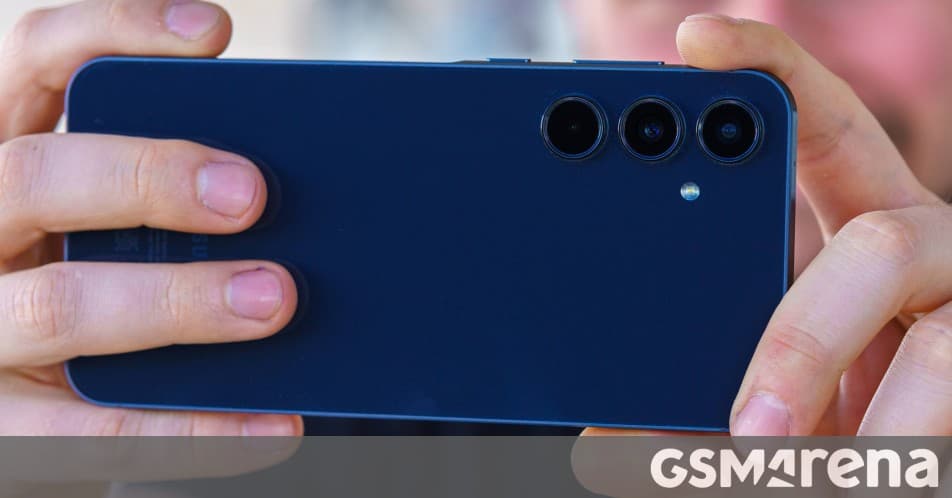
Samsung has three devices in the top 10: the A57 at first, the A27 at fifth, and the A17 at ninth. That's not an accident. Samsung's A-series has become the default "safe choice" for corporate device programs, and the trending data confirms it.
The Galaxy A57 5G specifically hits a sweet spot for business use. The 256GB/8GB configuration runs around $470, while the 512GB/12GB variant sits at roughly $700. Both include 5G connectivity, Samsung Knox security (which most enterprise MDM platforms support natively), and a four-year software update commitment.
Detailed comparison of Samsung's two most popular business-tier devices
If you're running a fleet of 100 devices and you switch from flagship S26 models to A57s, you're looking at savings of $70,000 to $80,000 per refresh cycle. That's real money that could fund better MDM software, stronger device insurance policies, or simply improve your bottom line.
The iPhone 17 Pro Max at Seventh: What It Tells Us
Apple's latest flagship landed at seventh place in trending interest. That's not a failure. It reflects the reality that Apple's customer base doesn't comparison shop the way Android users do. iPhone buyers largely know what they want before they start searching.
For business leaders, the more relevant question is whether iOS requirements justify the premium. If your workforce uses specialized iOS-only apps, relies heavily on iMessage for client communication, or operates in industries where Apple's privacy reputation matters (healthcare, legal, finance), the price premium makes sense.
If you're deploying devices for field teams, warehouse workers, or roles where the phone is primarily a communication and data-entry tool, paying the Apple tax is harder to justify. A $450 Samsung A57 with a rugged case will outperform a $1,100 iPhone for those use cases.
Poco and Infinix: Should Enterprises Consider Budget Brands?
The Poco X8 Pro Max at fourth and the Infinix Note 60 Pro at tenth represent an interesting question for budget-conscious organizations. These devices offer flagship-level specs at prices 40-60% below Samsung or Apple equivalents.
✅ Pros
- • Hardware specs often match or exceed mid-range Samsung devices
- • Significant cost savings on large fleet deployments
- • Increasing quality control and build quality in recent generations
- • Strong option for high-turnover roles where device damage is expected
❌ Cons
- • Software update commitments typically shorter (2 years vs 4)
- • Enterprise MDM support may be inconsistent
- • Resale value drops faster, affecting total cost of ownership
- • IT teams may lack familiarity with these brands' quirks
- • Employee perception may affect satisfaction scores
For companies with dedicated IT support and well-defined device policies, Poco devices can make sense for specific use cases. We're seeing more logistics companies and retail chains quietly deploying these devices for front-line workers who don't need the Samsung brand name.
How Should You Update Your Corporate Device Strategy?
This week's trending data reinforces a pattern we've seen building throughout 2026: the era of automatically defaulting to flagships for corporate devices is ending. Here's how to think about your approach.
- Tier your device program. Executives and client-facing roles get flagships. Field teams and operational roles get mid-rangers. Stop treating all employees identically.
- Calculate total cost of ownership, not just purchase price. A $400 phone with a 2-year update window may cost more than a $470 phone with 4-year support when you factor in replacement cycles.
- Survey employee satisfaction. If your workforce hates their corporate devices, that dissatisfaction shows up in productivity and retention metrics you may not be tracking.
- Revisit BYOD policies. The gap between trending phones and corporate-issued devices suggests employees prefer their personal choices. A strong BYOD program with device subsidies might deliver better results than forced standardization.
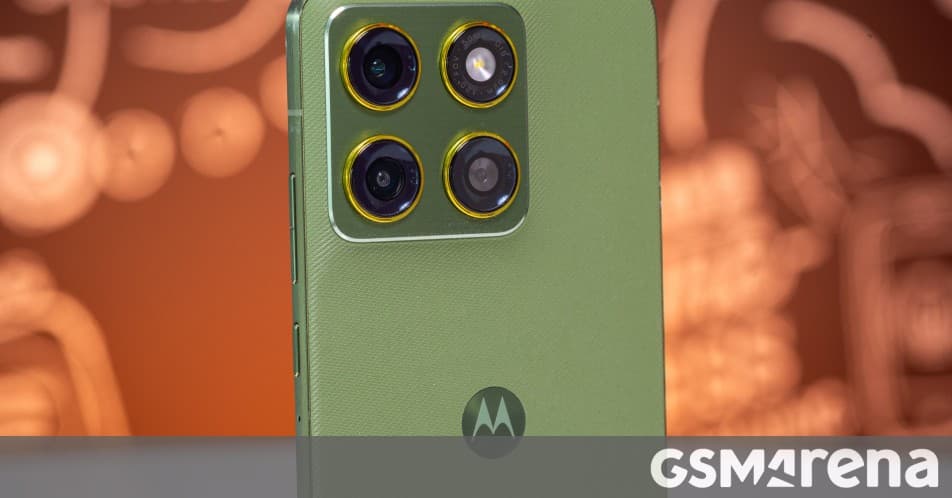
Another mid-range option worth evaluating for stylus-dependent workflows
What's Coming Next in Phone Trends for Business?
Three upcoming devices in the top 10 (Honor 600 Pro, Honor 600, and Galaxy A27) suggest we'll see continued interest in the sub-$500 category through Q2 2026. Samsung's A27 at fifth place is particularly notable because it targets the sub-$300 market, an aggressive price point that could reset expectations for entry-level corporate devices.
Honor's dual placement with both the Pro and standard 600 models suggests their product strategy is resonating. Business leaders should request enterprise pricing and MDM compatibility information from Honor representatives before the official launch. Early adopters often secure better fleet pricing.
Frequently Asked Questions About Corporate Phone Strategy
Frequently Asked Questions
How much can we save by switching from flagships to mid-range corporate phones?
On a 100-device fleet, switching from flagship devices ($1,100+) to mid-range options like the Samsung A57 ($470-$700) can save $50,000 to $80,000 per refresh cycle. Factor in similar performance for most business applications and equivalent enterprise security features, and the ROI case is strong.
Is Honor a safe choice for corporate device deployments?
Honor devices now ship with full Google services and Samsung Knox-comparable security features. They're a viable option for price-sensitive deployments, particularly in field roles. The main concerns are shorter track records in enterprise support and potentially thinner accessory ecosystems.
Should we allow trending phones as BYOD options?
Yes, with proper MDM controls. Employees are clearly more engaged with mid-range devices they choose themselves. A BYOD program with $200-$300 annual device subsidies often delivers better satisfaction than mandated corporate phones at higher total cost.
How long do mid-range phones last in business use?
Samsung's A-series now offers 4-year software support windows, matching typical corporate refresh cycles. Mid-range devices with adequate RAM (8GB+) and storage (256GB+) should perform acceptably for 3-4 years in most business applications.
When is the best time to negotiate corporate phone contracts?
Q4 offers the best leverage for Apple devices as carriers push year-end targets. For Android devices, negotiate 30-60 days after major launches when initial demand stabilizes. Samsung A-series devices typically see best enterprise pricing in Q1 when previous-generation inventory needs clearing.
Logicity's Take
We work with startups and mid-sized companies across India building AI agents and web platforms, and mobile device strategy comes up constantly in our client conversations. Here's what we're seeing on the ground: most companies over-buy on phones and under-invest in the software that makes those phones useful. A client recently asked us to build a custom field service app. They were planning to deploy $900 Samsung S-series devices because 'that's what we've always done.' We ran their actual workflow requirements through testing on a $350 Poco device. Identical performance. They redirected $55,000 in hardware savings toward the app development itself, which delivered actual productivity gains. The trending data from GSMArena reflects a broader truth Indian businesses should internalize: your employees know what devices work for them. The gap between what they search for and what IT departments mandate represents friction that affects productivity, satisfaction, and retention. If your workforce is researching Galaxy A57s on their lunch break but using issued phones they resent, you're paying a hidden tax on every workday.
Another example of smart hardware downgrades delivering business value
Need Help With Your Corporate Tech Strategy?
Logicity helps Indian businesses make smarter technology decisions. Whether you're evaluating device fleet options, building custom mobile apps, or implementing AI tools that actually work, we bring a practical, business-first approach. Get in touch to discuss your specific challenges.
Source: GSMArena.com / Chip
Manaal Khan
Tech & Innovation Writer
Produced with AI assistance and reviewed by the Logicity editorial team. Learn more in our Editorial Policy.