Key Takeaways

- Galaxy S25 FE undercuts A57 by $50 while offering flagship-tier performance
- Pixel 10a matches A37 pricing but delivers 10% better battery life in testing
- Samsung's MSRP hikes don't affect actual purchase prices for bulk buyers
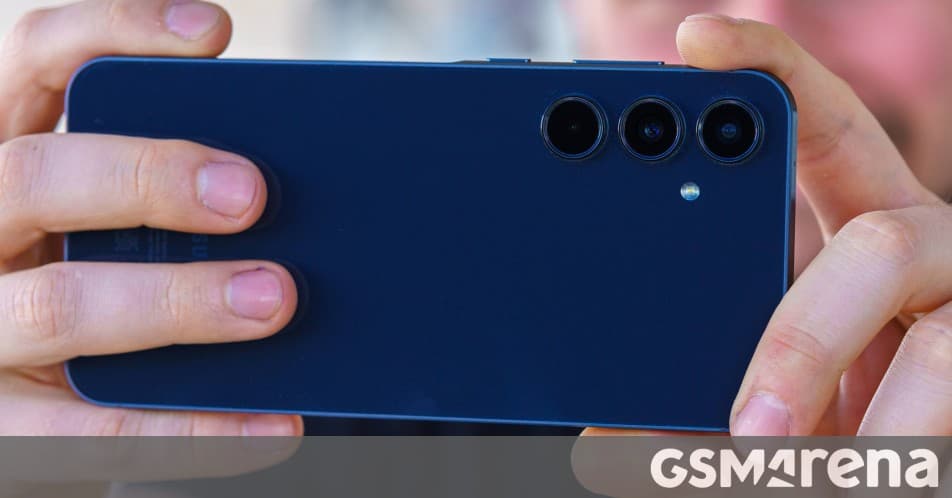
According to [GSMArena](https://www.gsmarena.com/weekly_deals_galaxy_a37_and_a57_launch_but_galaxy_s25_fe_and_pixel_10a_present_a_challenge-news-72418.php), Samsung's newly launched Galaxy A37 and A57 face unexpected competition from the company's own Galaxy S25 FE, which costs $50 less than the A57 while delivering flagship-level performance.
If you're managing a corporate phone fleet or advising on IT procurement, this week's smartphone launches just made your job more complicated. Samsung dropped two new mid-range phones, raised prices on existing models, and somehow created a situation where their budget phone costs more than their flagship variant. Let's untangle this mess.
Why Samsung's Pricing Strategy Matters for Enterprise Buyers
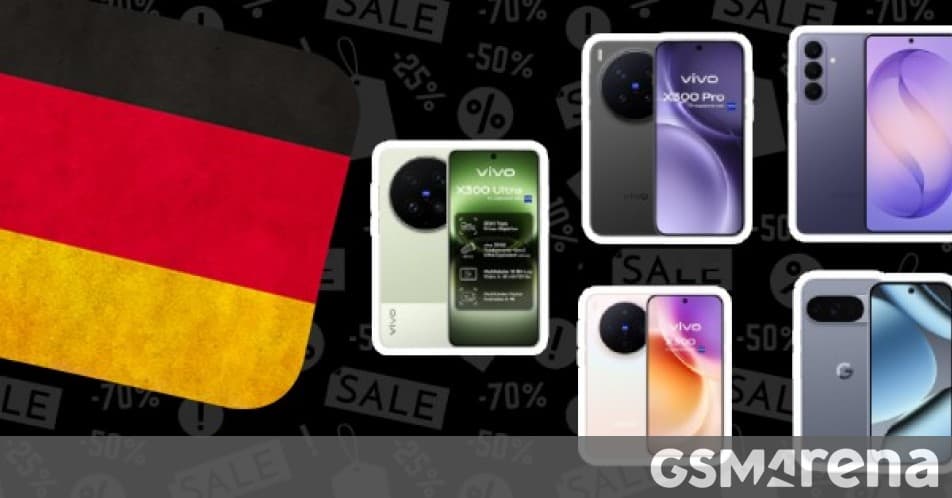
Samsung raised MSRPs on several smartphones and tablets this week. The Galaxy S25 FE 256GB jumped from $710 to $750. But here's what matters for business buyers: nobody pays MSRP. The actual street price for that same S25 FE is currently $560, and the Galaxy S25+ with superior specs can be had for $700.
This pricing inversion creates an unusual opportunity. Companies planning to equip field teams, sales reps, or remote workers with standardized devices can now get flagship performance at mid-range budget allocations. The math simply works better than it did six months ago.
Samsung Galaxy A37 vs A57: Spec Comparison for IT Managers
Both phones launched this week, and the A57 notably arrived faster than its predecessor. The A56 took months to reach US shores, creating headaches for organizations that wanted consistent device rollouts across regions.
| Specification | Galaxy A37 | Galaxy A57 | Business Impact |
|---|---|---|---|
| Chipset | Exynos 1480 | Exynos 1680 | A57 handles multitasking better |
| Water Resistance | IPX8 | IP68 | A57 safer for field workers |
| Weight | 196g | 179g | A57 better for all-day carry |
| Thickness | 7.4mm | 6.9mm | A57 slimmer profile |
| Storage Speed | UFS 3.1 | UFS 3.1 | Equal app loading times |
| Battery | 5,000mAh / 45W | 5,000mAh / 45W | Identical charging infrastructure |
The A37 upgraded its storage from UFS 2.2 to UFS 3.1, which means app launch times and file transfers improved significantly from the A36. For companies standardizing on the A-series, this matters. Employees notice when apps load slowly, and those seconds add up across thousands of daily interactions.
Should Your Company Buy Galaxy S25 FE Instead?
Here's where procurement decisions get interesting. The Galaxy S25 FE runs the high-end Exynos 2400 chip and includes a dedicated 8MP telephoto camera with 3x optical zoom. It costs $50 less than the A57 at both the 128GB and 256GB tiers.
The Strategic Question
Why would Samsung price their flagship variant below their mid-range phone? The answer likely involves clearing inventory before the next product cycle. Smart procurement teams will capitalize on this window.
The S25 FE does have trade-offs. It's thicker at 7.4mm (matching the A37) and heavier at 190g. But it adds an aluminum frame instead of plastic, which typically survives drops better. For organizations that skip case requirements, the FE's build quality could reduce replacement costs.
Google Pixel 10a: The Dark Horse for Enterprise Fleets
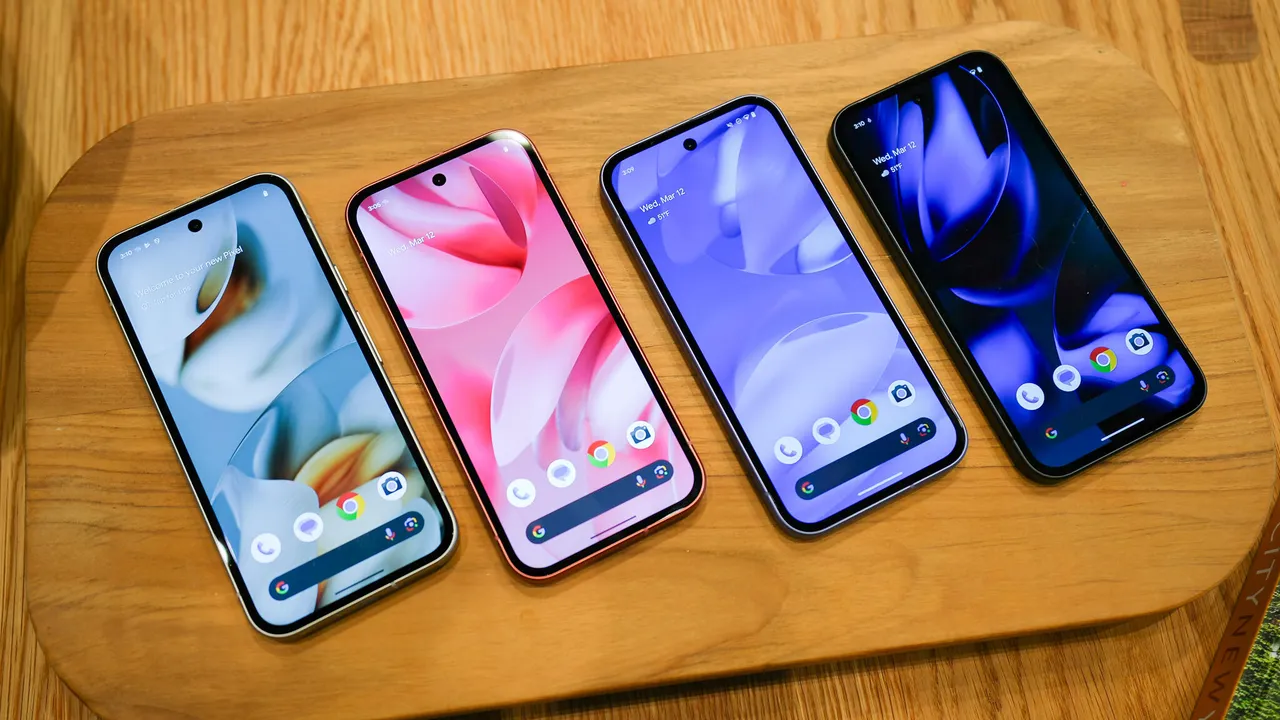
The Pixel 10a matches the Galaxy A37's price point but brings different strengths. Its 6.3-inch display is smaller than the A37's 6.7-inch panel, which some employees prefer for one-handed operation. More importantly, real-world battery testing tells a story the spec sheets miss.
That's nearly 90 extra minutes of screen-on time per charge. For field workers, traveling sales teams, or anyone who can't reliably access outlets throughout the day, this difference matters. The Tensor G4 chip also outperforms the Exynos 1480 in practical tasks, even if it won't win synthetic benchmark competitions.
Both Pixel models offer Satellite SOS messaging, which Samsung's A-series phones lack. For organizations with employees in remote areas, maritime operations, or disaster response roles, this feature alone could justify the platform switch. When traditional cell service fails, satellite connectivity becomes invaluable.
Total Cost of Ownership: Beyond the Purchase Price
Device purchase price represents maybe 30% of total cost for enterprise mobile deployments. The other 70% comes from MDM licensing, support tickets, replacement devices, and productivity losses during device issues. Here's how these phones stack up on factors that affect long-term costs.
✅ Pros
- • Samsung Knox security platform deeply integrated into all Galaxy devices
- • Consistent UI across A-series and S-series simplifies training
- • Wide accessory ecosystem reduces peripheral costs
- • Strong carrier relationships mean better enterprise support
❌ Cons
- • Exynos chips historically receive security patches slower than Snapdragon variants
- • A-series plastic frames increase breakage rates vs. aluminum flagships
- • No satellite connectivity limits use cases for remote workers
- • Price inversions suggest inventory clearing, potential EOL concerns
Google's Pixel line offers seven years of OS updates and security patches, matching Samsung's commitment on flagship devices. For organizations planning three to four-year device cycles, both platforms deliver adequate software support. The differentiation comes in enterprise management tools, where Samsung Knox still holds advantages over Google's native Android Enterprise features.
Security considerations for enterprise technology decisions
What About the Pixel 10 Pro for Executive Devices?
The Pixel 10 Pro and 10 Pro XL have held $250 to $300 discounts for several weeks. At these prices, they compete directly with the Galaxy S25 FE on price while offering superior camera systems. The 10 Pro includes an LTPO display and a larger 1/1.31-inch main camera sensor versus the standard Pixel 10's 1/2.0-inch sensor.
For C-suite executives who use phones for video calls, document scanning, and client presentations, the camera quality difference justifies the premium. A CFO sending photos of whiteboards from a strategy session or a CEO recording quick video messages to teams will appreciate the larger sensor's low-light performance.
Procurement Decision Matrix for 2025
Quick Decision Guide
**Budget-constrained general staff:** Galaxy A37 or Pixel 10a depending on ecosystem preference. **Field workers needing durability:** Galaxy S25 FE for aluminum build. **Remote/disaster response teams:** Pixel 10a for satellite SOS. **Executives:** Pixel 10 Pro at current discounts.
The counterintuitive play this quarter is avoiding Samsung's new A-series entirely. The S25 FE's pricing anomaly won't last forever. Organizations with budget flexibility should accelerate purchases while the flagship device costs less than the mid-range alternative.
Historical context on technology purchasing cycles
Frequently Asked Questions
Frequently Asked Questions
How much do Galaxy A37 and A57 cost for bulk enterprise purchases?
MSRP pricing starts around $350 for the A37 and $450 for the A57, but enterprise buyers typically negotiate 15-25% discounts on orders over 100 units. Contact Samsung's B2B division or authorized enterprise resellers for volume pricing. The current market anomaly means the S25 FE at ~$510 might actually cost less per unit than the A57 after negotiations.
Is the Galaxy S25 FE worth it over the A57 for business use?
Yes, in most scenarios. The S25 FE offers a flagship Exynos 2400 chip, aluminum frame, IP68 rating, and dedicated telephoto camera for $50 less than the A57. Unless your organization specifically needs the A57's lighter weight or has existing A-series MDM profiles that complicate switching, the S25 FE delivers better value.
How long will Samsung support Galaxy A37 and A57 with updates?
Samsung commits to four years of OS updates and five years of security patches for A-series devices. For most enterprise deployment cycles of three to four years, this coverage is adequate. Pixel devices offer seven years of updates, which matters more for organizations planning longer refresh cycles.
Should we switch from Samsung to Pixel for our company phones?
It depends on your existing infrastructure. Samsung Knox integration with enterprise MDM platforms remains more mature than Google's native Android Enterprise tools. However, if your organization values battery life, camera quality, or satellite SOS capabilities, Pixel devices now compete effectively on price while offering differentiated features.
What's the best budget smartphone for remote field workers in 2025?
The Pixel 10a at A37-equivalent pricing offers satellite SOS messaging, superior battery life (15+ hours active use), and Google's AI features. For workers in areas with unreliable cell coverage, the satellite connectivity could be business-critical. The A37's only advantage is Samsung Knox if your MDM requires it.
Logicity's Take
We're a web development and AI agency, not a mobile hardware shop. But we work with enough startups and mid-size companies to see how device decisions ripple through organizations. The smartphone your field team carries affects which apps they can run, how quickly they can access your internal tools, and whether your mobile-first workflows actually work in practice. From our perspective building internal tools and customer-facing applications, the Pixel vs. Samsung choice often comes down to one question: how much do you rely on Google services? Companies running on Google Workspace, using Google Cloud, and building with Flutter or Android native apps will find tighter integration with Pixel devices. The AI features Google bakes into Tensor chips aren't gimmicks. They're the same models we integrate into business applications. That said, Samsung's Knox remains the enterprise security standard for regulated industries. If you're in healthcare, finance, or government contracting, Knox compliance may override all other considerations. The technical specs matter less than the checkbox on your security audit. For Indian companies expanding into US operations, this pricing window matters. Bulk device procurement at current S25 FE prices, shipped and deployed before inventory normalizes, could save meaningful money on a necessary expense.
Need Help With Your Mobile Strategy?
Logicity helps businesses build mobile-optimized internal tools, customer applications, and AI-powered workflows. If you're evaluating device platforms for a new deployment, we can advise on which ecosystem best supports your technical requirements. [Get in touch](/contact) to discuss your mobile infrastructure needs.
Source: GSMArena.com / Peter
Huma Shazia
Senior AI & Tech Writer
Produced with AI assistance and reviewed by the Logicity editorial team. Learn more in our Editorial Policy.