Key Takeaways
- The eclipse occurs just before sunset, meaning the sun will be only 2-12 degrees above the western horizon during totality
- A 99% partial eclipse is NOT totality. You must be inside the 190-mile-wide path to see the corona
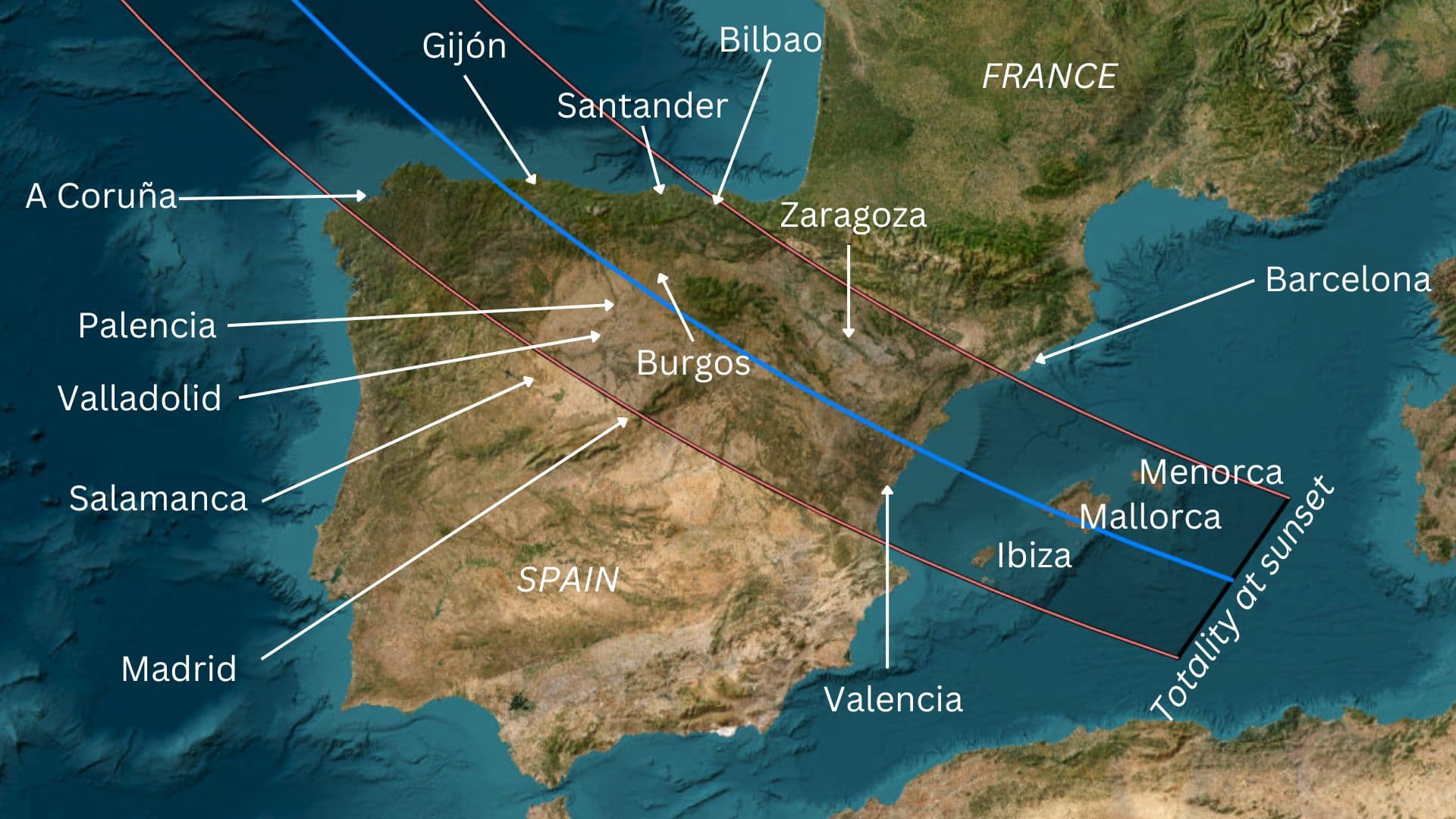
- Madrid and Barcelona both fall outside the path of totality despite being Spain's largest cities
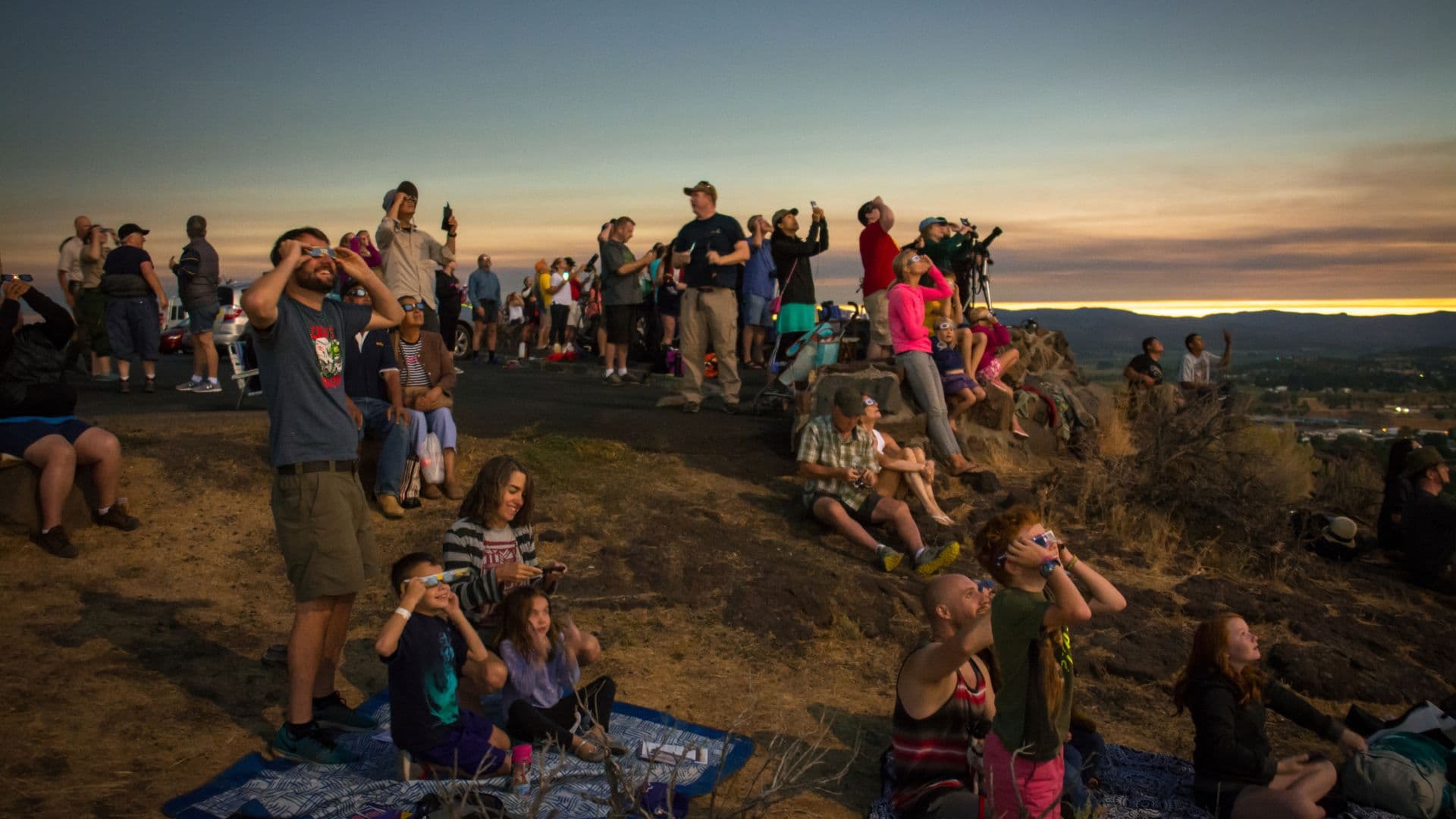
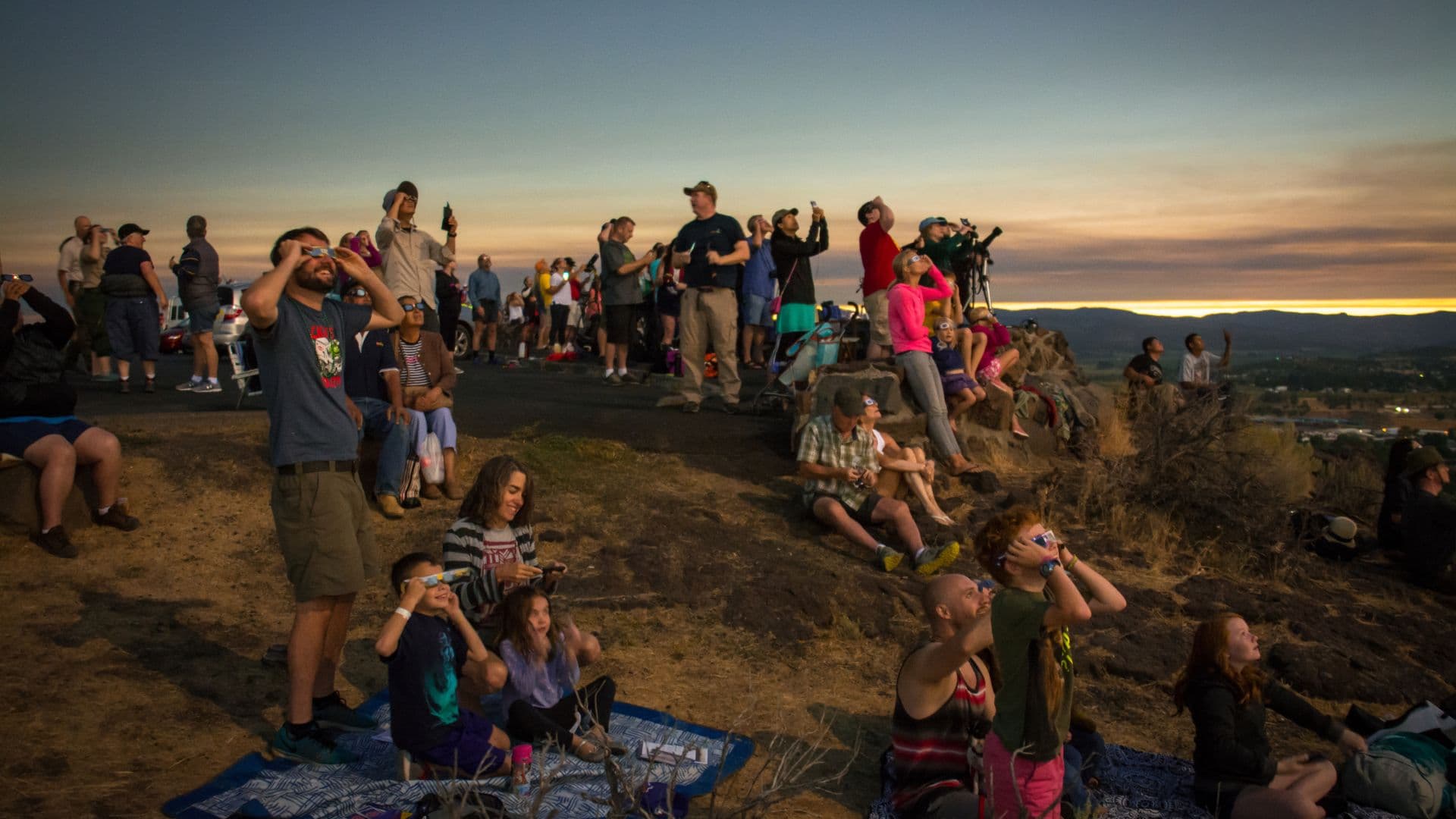
On August 12, 2026, millions of people across Spain will witness a total solar eclipse. It's the first to cross mainland Europe since 1999 and the first on the Iberian Peninsula in 121 years. The path of totality stretches from Galicia in the northwest to Valencia and the Balearic Islands in the east.
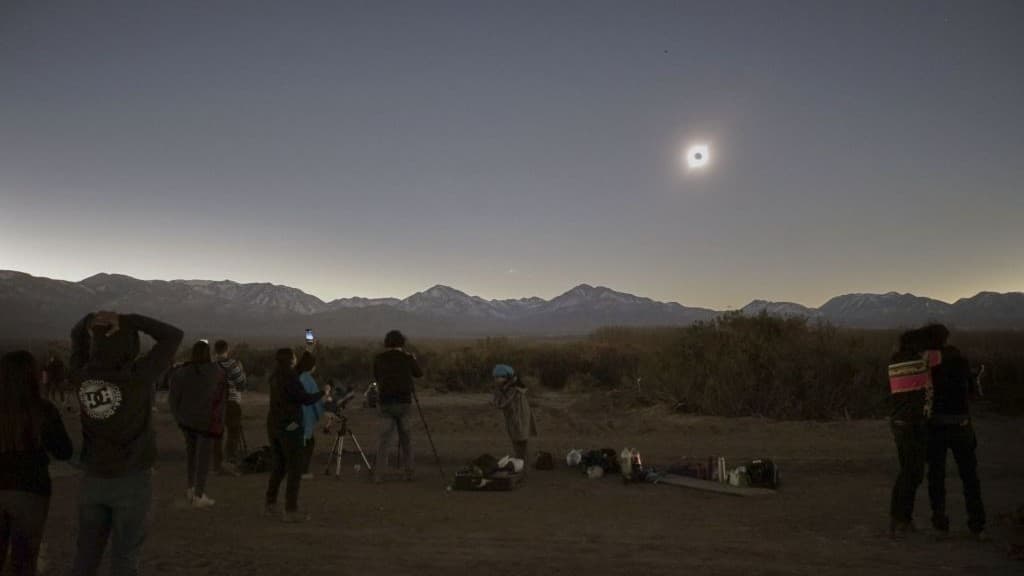
But here's the catch: this eclipse happens just before sunset. The sun will hang between 2 and 12 degrees above the western horizon during totality. That's low enough that a hill, building, or cloud bank could completely block your view of the corona.
"The 2026 eclipse is a unique celestial event because the sun will be extremely low in the sky, creating a breathtaking 'Golden Hour' effect," says Dr. Elena Ruiz, Senior Astronomer at the Spanish National Astronomical Observatory.
That golden hour light could make for stunning photography. But only if you position yourself correctly. Here are the five mistakes that will ruin the experience for unprepared visitors.
Mistake 1: Staying Outside the Path of Totality
If you hear anyone say "90% totality," correct them immediately. There is no such thing as partial totality. You either see totality or you don't.
The path of totality across Spain will be about 190 miles (305 km) wide. It will notably slip between Madrid and Barcelona. Both cities will see an extremely deep partial eclipse, but neither will experience totality. No corona. No Baily's beads. No diamond ring effect.
A 99% partial solar eclipse sounds dramatic. But that remaining 1% of direct sunlight is still overwhelmingly bright. The difference between 99% and 100% is the difference between a bright overcast day and the most awe-inspiring two minutes of your life. For eclipse chasers, the rule is simple: totality or bust.
Mistake 2: Choosing the Wrong Horizon
This is where Spain's 2026 eclipse gets tricky. In northwestern Spain, the eclipsed sun will sit roughly 10-12 degrees above the horizon during totality. In eastern Spain and the Balearic Islands, it will be just 2-5 degrees high.
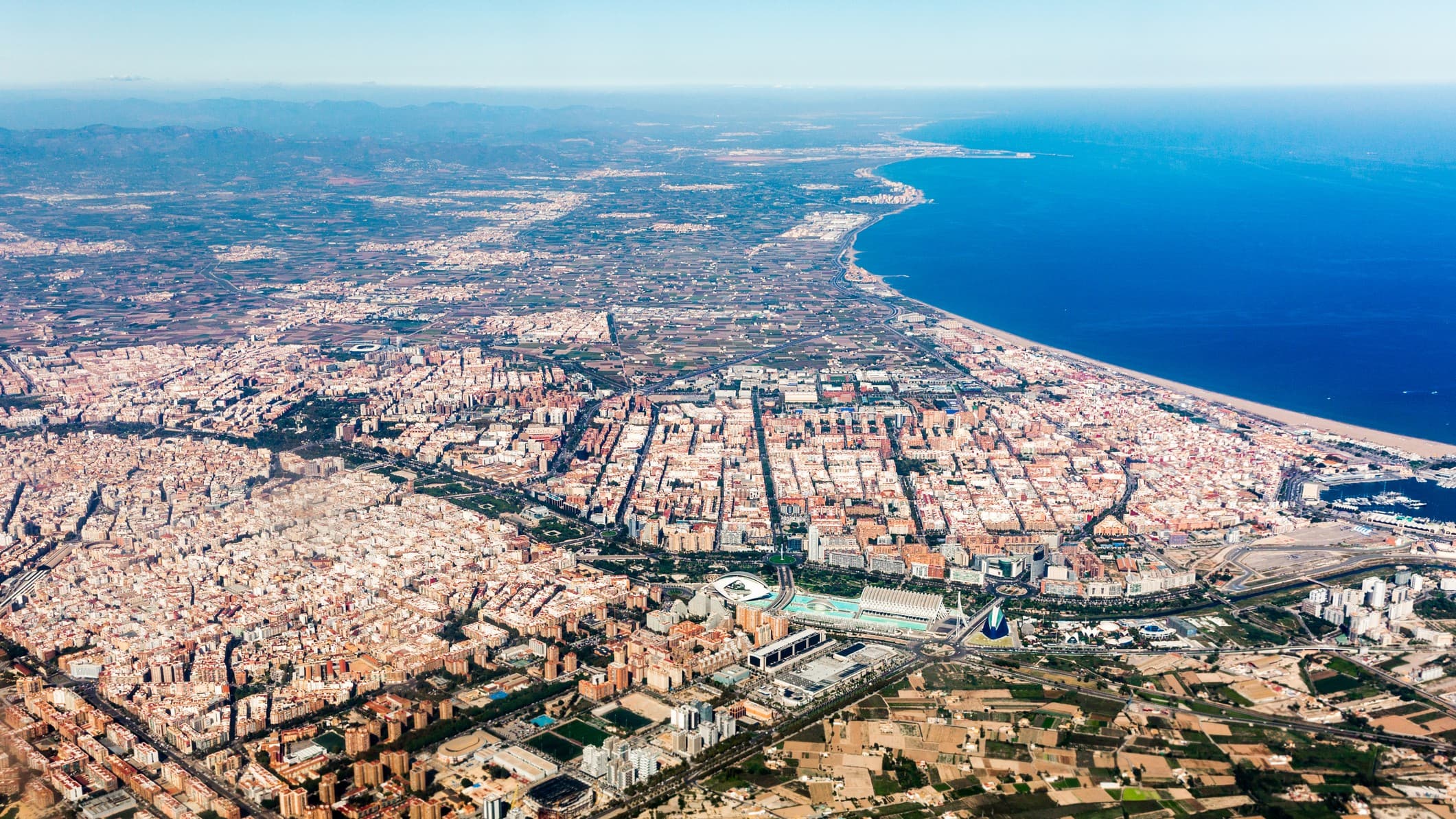
The irony is particularly cruel along the Mediterranean coast. Those resorts are designed to face east toward the sea for sunrise views. But the eclipse will be in the west-northwest. If you book a beachfront hotel for its ocean views, you might find the eclipse blocked by the very buildings behind you.
To see an object 5 degrees above the horizon, you need a completely unobstructed sightline. A three-story building 200 meters away will block it. A small hill a kilometer away will block it. You need to scout your viewing location in advance, at the same time of day, facing the same direction.
Mistake 3: Underestimating Spain's Terrain
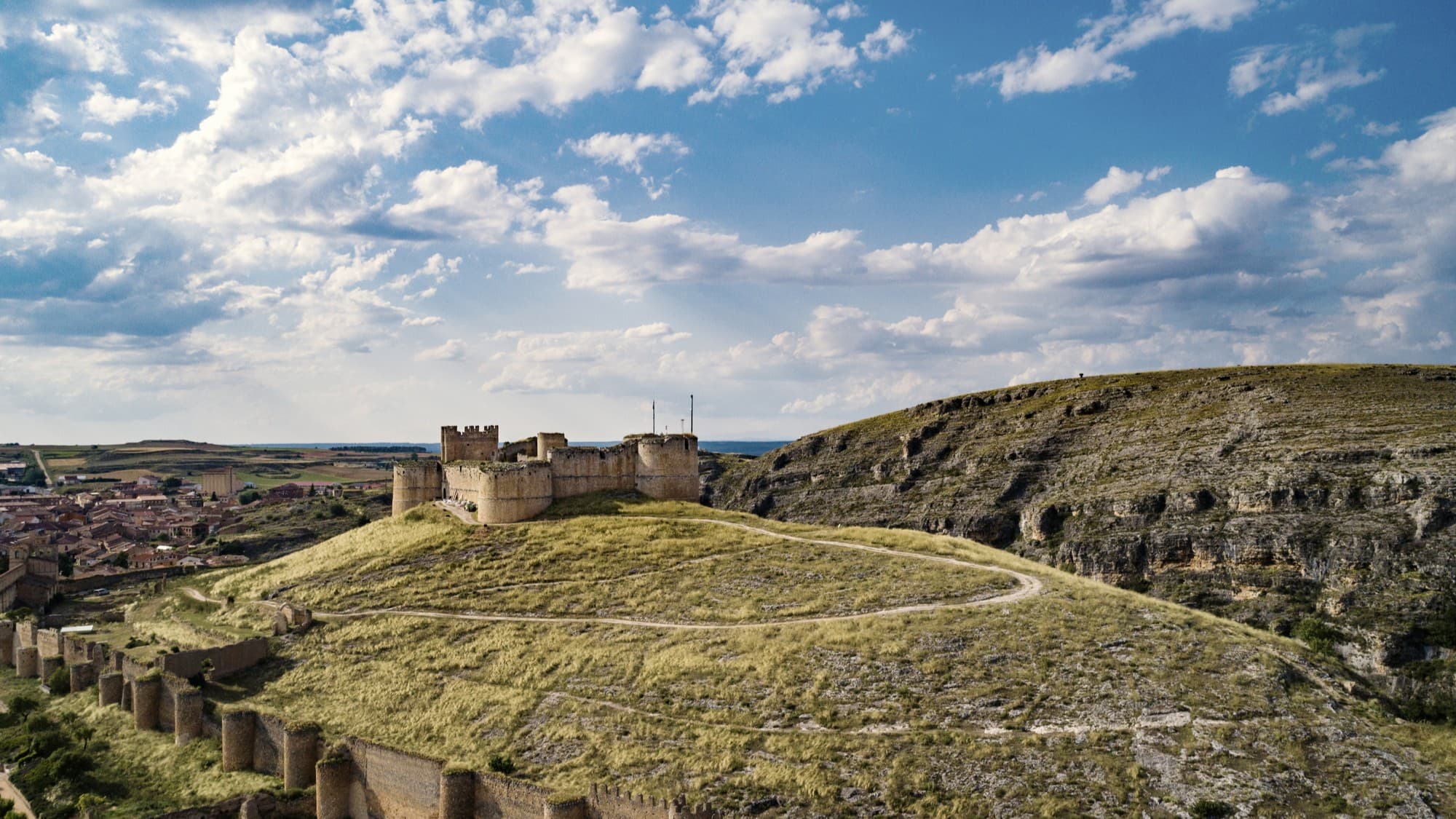
Spain is not flat. The country's interior is dominated by the Meseta Central plateau, ringed by mountain ranges. The Cantabrian Mountains run along the northern coast. The Sistema Ibérico cuts through the northeast. The Pyrenees form the border with France.
All of these ranges could create horizon obstructions for a low-hanging sun. A location that looks perfect on Google Maps might have a ridge to the west-northwest that blocks the crucial final degrees of sky.
Experienced eclipse chasers will use elevation maps and horizon calculators to verify their viewing spots. Some are already planning trips to high-altitude locations where they can look down at the horizon rather than up toward obstructions.
Mistake 4: Misunderstanding Weather Forecasts
August in Spain is generally dry and sunny. But "generally" isn't good enough when you've traveled thousands of miles for a two-minute window.
The northwestern regions like Galicia and Asturias are greener and cloudier than the Mediterranean coast. They see more summer cloud cover. But the Mediterranean locations have the sun lower in the sky, making clouds near the horizon more likely to cause problems.
Discussion on Reddit's r/astronomy community reflects this tension. Users are debating whether to prioritize high-elevation mountain sites versus coastal locations to avoid late-summer cloud cover. There's no perfect answer. The best strategy is mobility: have backup locations identified in advance and be ready to drive.
Mistake 5: Getting Trapped in Traffic
Hotels in the Balearic Islands have already seen a 20% spike in reservations for the eclipse dates. As August 2026 approaches, millions of visitors will converge on northern and central Spain.
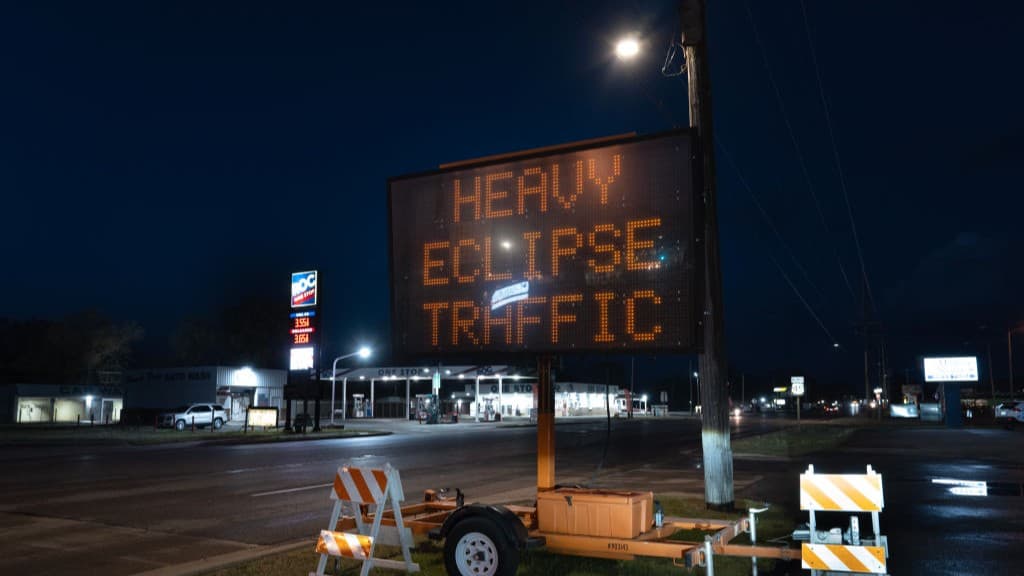
The 2024 total solar eclipse in the United States demonstrated what happens when eclipse traffic meets inadequate road infrastructure. Some viewers were stuck on highways as totality passed overhead. Others arrived at their viewing locations too late.
In Spain, the eclipse will occur in the early evening. That means traffic will build throughout the day as people position themselves. If you plan to drive to your viewing spot on eclipse day, you need to arrive hours early. Better yet, stay overnight within the path of totality.
How to Check Your Viewing Spot
Start with eclipse path maps to confirm your location is inside the path of totality. Xavier Jubier's interactive eclipse maps are the gold standard for precise path boundaries.
Next, determine the exact altitude and azimuth of the sun during totality at your location. Multiple apps and websites provide this data. For most of Spain, the sun will be between 2 and 12 degrees above the horizon, toward the west-northwest.
Then scout your location in person or using Google Street View. Look west-northwest at the same time of day the eclipse will occur. Identify any obstructions. A horizon calculator app can overlay the sun's position on your camera view.
Finally, have backup locations. Identify two or three alternative viewing spots with different weather patterns and clear western horizons. Be ready to move if cloud cover threatens your primary location.
The Perseid Connection
One happy coincidence: the 2026 eclipse falls during the peak of the Perseid meteor shower. Many astronomy enthusiasts are planning multi-day stargazing trips to Spain, combining eclipse viewing with meteor watching.
The European Space Agency is preparing to broadcast the eclipse from the Javalambre Observatory. If weather or positioning prevents you from seeing totality in person, professional broadcasts will capture the event.
But broadcasts don't compare to witnessing totality yourself. For those who position themselves correctly, the low sun angle could create one of the most photogenic total solar eclipses in memory. The "Golden Hour" lighting Dr. Ruiz describes will add warm color to the corona and potentially make the solar prominences easier to see with the naked eye.
The maximum duration of totality in Spain will be about 2 minutes. That's a short window after potentially years of planning. Don't let a blocked horizon, a cloud bank, or a traffic jam steal those 120 seconds from you.

Logicity's Take
Frequently Asked Questions
When is Spain's total solar eclipse in 2026?
August 12, 2026. Totality occurs in the early evening, just before sunset, with the sun positioned very low in the western-northwestern sky.
Will Madrid and Barcelona see the total solar eclipse?
No. Both cities fall outside the path of totality. They will see a deep partial eclipse, but not totality. You must be within the 190-mile-wide path to see the corona.
Why is the 2026 Spain eclipse so challenging to view?
Because the eclipse occurs near sunset, the sun will be only 2-12 degrees above the western horizon during totality. Any obstruction, including hills, buildings, or clouds near the horizon, could block your view entirely.
Where is the best place to watch the 2026 total solar eclipse in Spain?
Locations within the path of totality with unobstructed western horizons. Northwestern Spain (Galicia, Asturias) offers higher sun angles but more cloud risk. Eastern locations (Valencia, Balearic Islands) have clearer skies but the sun will be lower.
How long will totality last during the Spain 2026 eclipse?
Maximum totality duration in Spain will be approximately 2 minutes, varying slightly by location within the path.
Need Help Implementing This?
Source: Latest from Space.com
Huma Shazia
Senior AI & Tech Writer
Produced with AI assistance and reviewed by the Logicity editorial team. Learn more in our Editorial Policy.