Key Takeaways
- Snapdragon C laptops will start at $300, undercutting the $599 MacBook Neo by nearly half
- Acer, HP, and Lenovo are confirmed launch partners, with the Aspire Go 15 already previewed
- The chip lacks Copilot+ AI features, focusing instead on battery life and basic productivity
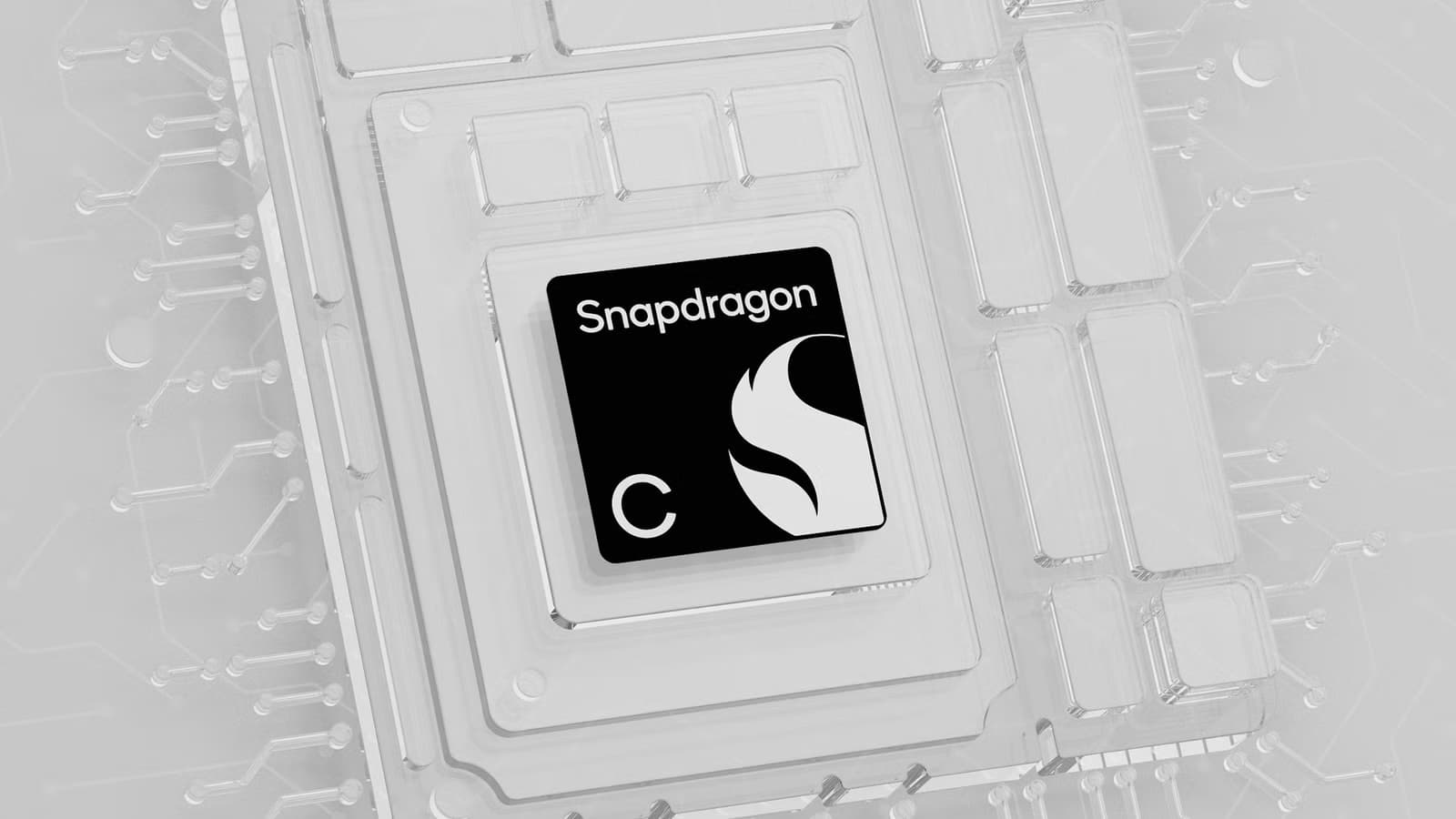
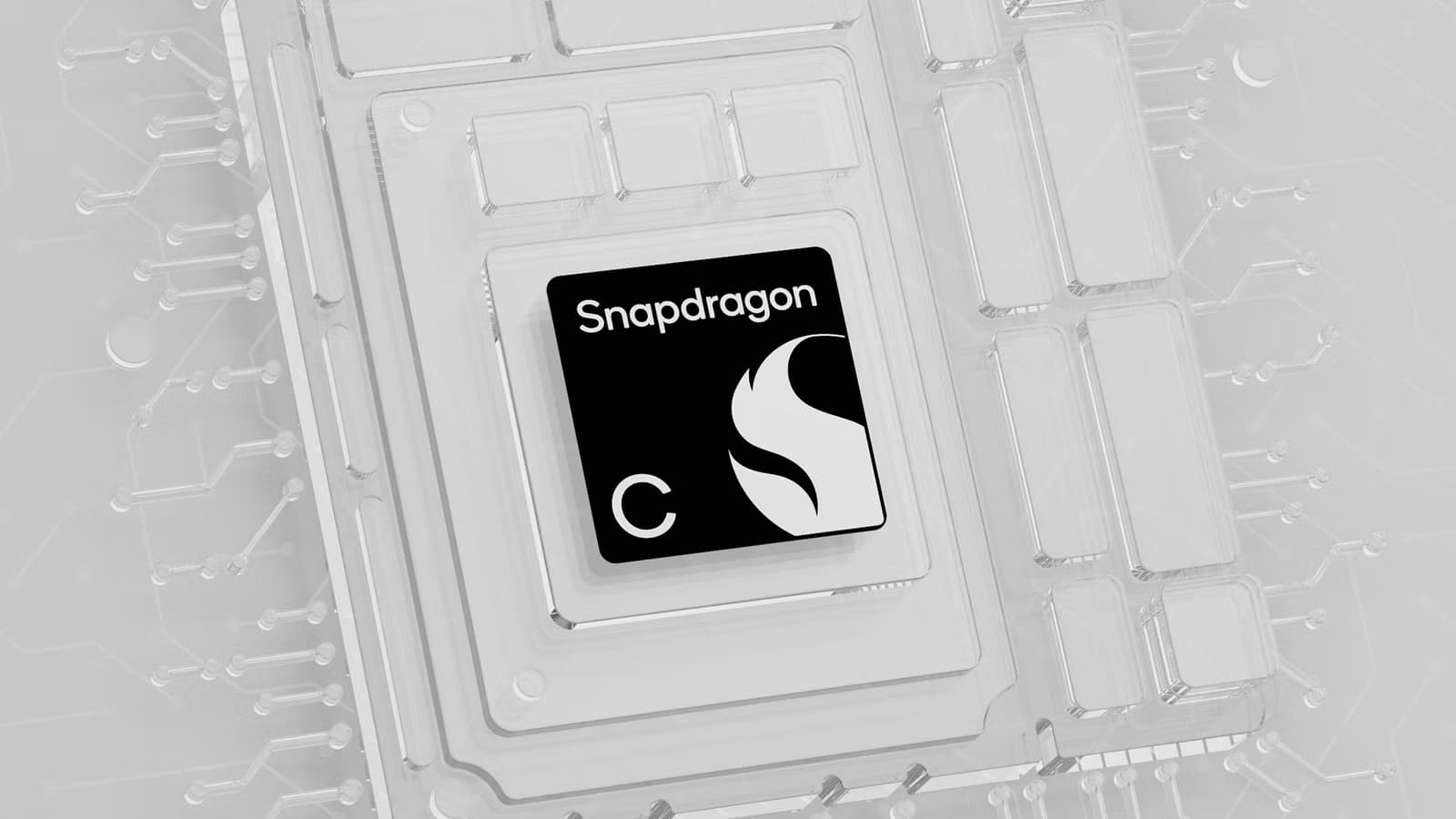
Qualcomm has unveiled Snapdragon C, an ARM-based chip designed for budget Windows laptops. The company is targeting machines priced below $400, a direct challenge to Apple's MacBook Neo, which starts at $599.
The announcement comes as the PC industry scrambles to respond to Apple's entry-level MacBook. ASUS co-CEO S.Y. Hsu called the Neo a "shock" to the Windows market, and Intel recently launched Project Firefly to help manufacturers deliver Neo-like designs at competitive prices.
Qualcomm is taking a different approach. Instead of matching Apple's specs, it's going cheaper.
What Snapdragon C Offers
Qualcomm promises "all-day" battery life, quiet operation without fans, and performance suited for web browsing, office apps, and basic tasks. The company is explicitly targeting students, classrooms, and everyday users who don't need heavy-duty content creation or gaming.
Full specifications aren't available yet. But the positioning is clear: this chip won't compete with Apple's A18 Pro on raw performance. It will compete on price and battery life.
First Laptops Coming Soon
Acer, HP, and Lenovo are confirmed as launch partners. Acer has already previewed its first device: the Aspire Go 15.
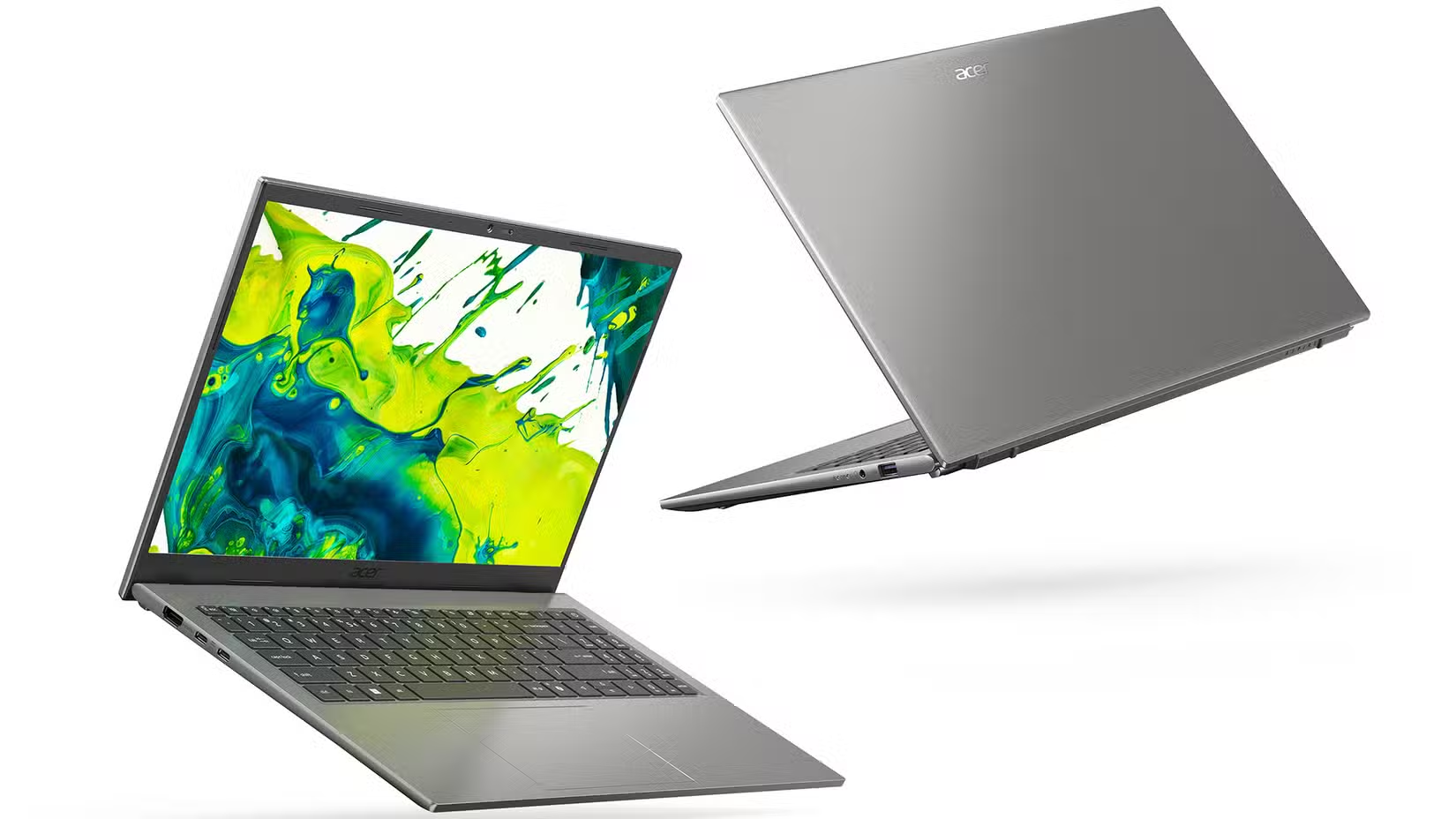
The Aspire Go 15 features a 15.6-inch 1080p display, up to 8GB of RAM, up to 512GB storage, Wi-Fi 6e, two full-speed USB-C ports, and HDMI. Acer hasn't announced pricing or a release date.
The 15.6-inch form factor suggests these laptops will be larger and likely heavier than the MacBook Neo. That's a tradeoff: bigger screen, lower price, but less portability.
The MacBook Neo Comparison
Apple's MacBook Neo launched at $599 with an A18 Pro chip derived from iPhone silicon. It combined budget pricing with a premium design and strong performance. The result disrupted the Windows market.
Qualcomm's response isn't a spec-for-spec match. Snapdragon C laptops will cost less but likely perform worse. The question is whether budget buyers care about benchmark numbers or just want a laptop that lasts all day and handles basic tasks.
| Feature | Snapdragon C Laptops | MacBook Neo |
|---|---|---|
| Starting Price | $300 | $599 |
| Chip | Snapdragon C (ARM) | A18 Pro (ARM) |
| Target User | Students, basic productivity | General consumers, light creative work |
| Typical Screen Size | 15.6 inches | 13-14 inches |
| AI Features | None (no Copilot+) | Apple Intelligence |
| Operating System | Windows 11 | macOS |
What's Missing: AI and Copilot+
One notable gap: Snapdragon C doesn't support Microsoft's Copilot+ features. Those AI capabilities require more powerful chips like the Snapdragon X2 series. Budget buyers won't get local AI processing, on-device chatbots, or other Copilot+ perks.
HackerNews discussions have flagged this as a weakness. If Microsoft keeps pushing Copilot+ as a core Windows feature, Snapdragon C laptops could feel like second-class citizens within a year or two.
Reddit users see it differently. Many are excited about cheap ARM laptops that could run Linux well. For that crowd, missing Windows AI features is irrelevant.
Qualcomm's Broader Strategy
Snapdragon C isn't about winning benchmarks. It's about expanding Qualcomm's audience beyond the mid-range and premium buyers who've purchased Snapdragon X and X2 laptops.
Those higher-end chips required users to accept some app compatibility tradeoffs in exchange for battery life and speed. Snapdragon C asks for fewer tradeoffs because expectations are lower. A student buying a $300 laptop doesn't expect to edit 4K video. They want to write papers and browse the web.
Intel's Parallel Response
Qualcomm isn't the only company reacting to the MacBook Neo. Intel recently announced Project Firefly, an initiative to help PC makers build thin, light, well-designed laptops using Core Series 3 chips at competitive prices.
Intel's approach focuses on design consistency and repairability rather than just price cuts. The company wants Windows laptops to feel as cohesive as Apple's lineup. Whether manufacturers follow through remains to be seen.
Logicity's Take
Frequently Asked Questions
When will Snapdragon C laptops be available?
Qualcomm says systems from Acer, HP, and Lenovo are coming "soon," but no specific dates have been announced. Acer says pricing and availability for the Aspire Go 15 will come "at a later date."
Can Snapdragon C laptops run all Windows apps?
Most everyday apps work on ARM-based Windows laptops through emulation. However, some specialized software, particularly older x86 programs and certain professional tools, may have compatibility issues.
Does Snapdragon C support Microsoft Copilot+?
No. Copilot+ features require more powerful chips like the Snapdragon X2 series. Snapdragon C is designed for basic tasks, not AI workloads.
How does Snapdragon C compare to Snapdragon X2?
Snapdragon X2 targets mid-range and premium laptops with better performance and AI capabilities. Snapdragon C is a budget chip focused on battery life and basic productivity at lower prices.
Will Snapdragon C laptops run Linux?
Potentially. Reddit users are optimistic about using these ARM-based laptops for Linux. Actual support will depend on driver availability and manufacturer decisions.
More on how mobile technology evolves into core platform features
Need Help Implementing This?
Source: How-To Geek
Manaal Khan
Tech & Innovation Writer
Produced with AI assistance and reviewed by the Logicity editorial team. Learn more in our Editorial Policy.