Key Takeaways
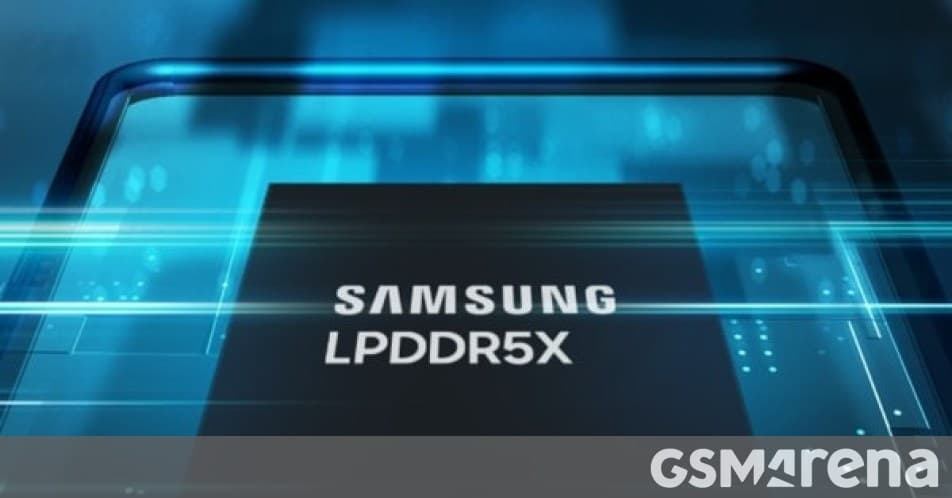
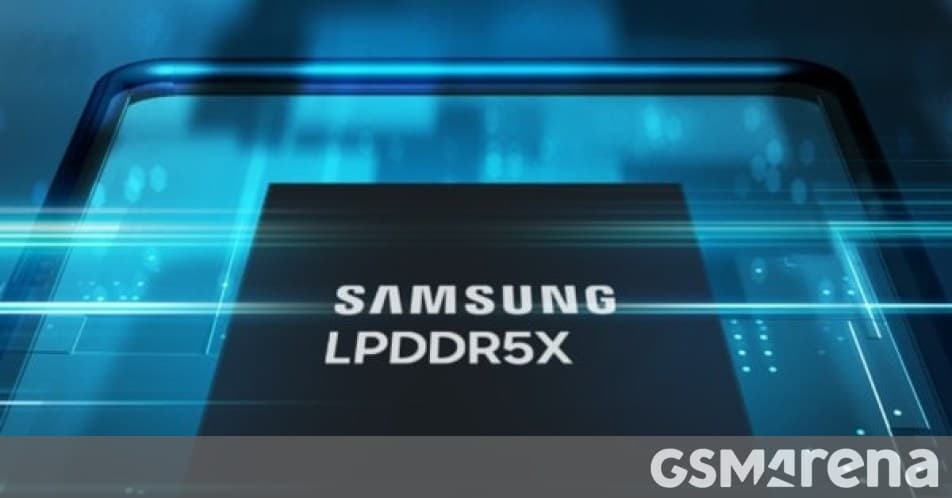
- AI datacenter demand for LPDDR5 memory is driving up smartphone production costs by $100-$150 per flagship device
- Samsung's mobile division head TM Roh has warned management of a potential first-ever annual loss
- Galaxy S26 series broke pre-order records despite the margin squeeze, with S26 Ultra driving most sales
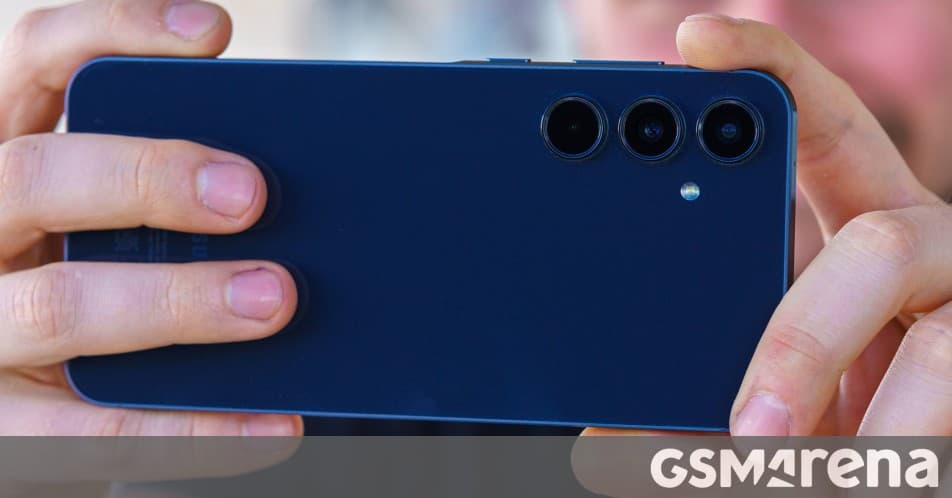
Samsung's smartphone business is staring at an unprecedented financial hit. Despite record-breaking Galaxy S26 pre-orders across three continents, the company's mobile division may post its first annual loss ever.
The problem isn't sales. It's the same chips that power AI datacenters.
AI Hyperscalers Are Eating Samsung's Margins
According to analysts at Counterpoint, the bill of materials for flagship phones priced above $800 is expected to rise by $100-$150. Memory is the biggest line item: RAM accounts for 23% of total component costs, and storage adds another 18%.
Korean publication Money Today, which broke the story, offers a stark illustration. The Galaxy S26 Ultra ships with 12GB of LPDDR5X RAM in its base configuration. A typical AI supercomputer needs enough RAM to build 4,600 phones.
TM Roh, who heads Samsung's DX and MX divisions, has reportedly warned management that the mobile division may post an annual loss. This would be a first in the division's history.
Galaxy S26 Is Selling. The Problem Is Building It.
The timing is brutal. Samsung's flagship lineup is performing better than ever. The Galaxy S26 series broke pre-order records in Korea and saw 25% higher pre-orders than the S25 series in the US. Europe showed 20% growth. In all three regions, buyers gravitated toward the Galaxy S26 Ultra, the most expensive model in the lineup.
IDC confirmed Samsung held the top smartphone vendor spot in Q1 2025 with 62.8 million units shipped. That's a 3.6% increase over Q1 2024, while the overall market contracted by 4%.
Any other year, those numbers would be cause for celebration. This year, strong sales mean more phones sold at squeezed margins.
Why Memory Prices Are Spiking
LPDDR (Low Power DDR) memory was originally designed for mobile devices. Smartphones, tablets, and laptops used it because of its energy efficiency. Then AI infrastructure changed the equation.
Electricity and cooling are two of the largest costs in running AI cloud datacenters. Servers started adopting LPDDR to cut power consumption. AI hyperscalers are now ordering chips in massive quantities, competing directly with smartphone makers for the same supply.
Samsung has responded by retiring LPDDR4 production lines to increase LPDDR5 capacity. But supply hasn't caught up with demand.
A Double Hit: Chipsets Are Rising Too
Memory isn't the only cost pressure. Counterpoint highlights that flagship chipset prices are also climbing. TSMC capacity is limited, and the Taiwanese foundry is raising prices. This may have pushed Qualcomm toward using Samsung fabs for the upcoming Snapdragon 8 Elite Gen 6.
For Samsung's mobile division, this creates a pincer movement. Memory costs are up. Chipset costs are up. Flagship phones face double trouble.
One Samsung Division's Loss Is Another's Gain
There's an irony here. Samsung's Device Solutions division, which houses the memory business, posted guidance for a record-breaking Q1. The same price spikes crushing the mobile division are generating record profits for the chip division.
Samsung is, in effect, competing with itself. The company makes both the phones and the memory that goes into them. When memory prices spike, Device Solutions wins and MX loses.
Related: how chip supply constraints are shaping the laptop market
What Happens Next
Samsung has limited options. Raising phone prices risks losing market share. Absorbing costs risks profitability. Cutting specs risks brand perception at the flagship tier.
The company could prioritize internal memory allocation to its mobile division, but that would mean turning away AI customers willing to pay premium prices. Given Device Solutions' record profits, that's a hard sell internally.
For now, Samsung's mobile division is caught between record sales and record costs. The question is whether Galaxy S26's volume can generate enough revenue to offset the margin compression, or whether 2025 becomes the year Samsung's smartphone business posts its first loss.
Logicity's Take
The AI demand driving memory prices higher
Frequently Asked Questions
Why is Samsung's mobile division losing money despite record Galaxy S26 sales?
AI datacenters are buying massive quantities of LPDDR5 memory, driving up prices. This adds $100-$150 to the cost of building each flagship phone, compressing margins even as sales volume increases.
How much of a flagship phone's cost comes from memory?
According to Counterpoint, memory accounts for 41% of total component costs in flagship phones. RAM makes up 23% and storage adds another 18%.
Is Samsung's Device Solutions division also losing money?
No, the opposite. Device Solutions, which manufactures memory chips, posted guidance for a record-breaking Q1. The same price increases hurting the mobile division are generating record profits for the chip division.
How well is the Galaxy S26 series selling?
The Galaxy S26 broke pre-order records in Korea, saw 25% higher pre-orders than the S25 in the US, and 20% higher in Europe. Samsung shipped 62.8 million smartphones in Q1 2025, up 3.6% while the overall market declined 4%.
Why are AI servers using smartphone memory?
LPDDR (Low Power DDR) memory uses less electricity than standard DDR. Since power and cooling are major costs for AI datacenters, servers have started adopting LPDDR to reduce operating expenses.
Need Help Implementing This?
Source: GSMArena.com / Peter
Manaal Khan
Tech & Innovation Writer
Produced with AI assistance and reviewed by the Logicity editorial team. Learn more in our Editorial Policy.