Key Takeaways

- Three separate bugs caused Claude Code degradation between March 4 and April 20
- Issues affected Claude Code, Claude Agent SDK, and Claude Cowork but not the API
- Anthropic is resetting usage limits for all subscribers as compensation
What Went Wrong
Anthropic has published a detailed engineering postmortem explaining why some Claude Code users saw worse responses over the past month. The company traced the problems to three separate changes, each affecting different users on different schedules. That staggered timing made the aggregate effect look like broad, inconsistent degradation.
The API was not impacted. The issues hit Claude Code, the Claude Agent SDK, and Claude Cowork. All three bugs have been resolved as of April 20 with version 2.1.116.
Bug 1: Reasoning Effort Downgrade
When Anthropic released Opus 4.6 in Claude Code in February, the default reasoning effort was set to high. Some users complained that Claude would think for too long, making the UI appear frozen and burning through tokens.
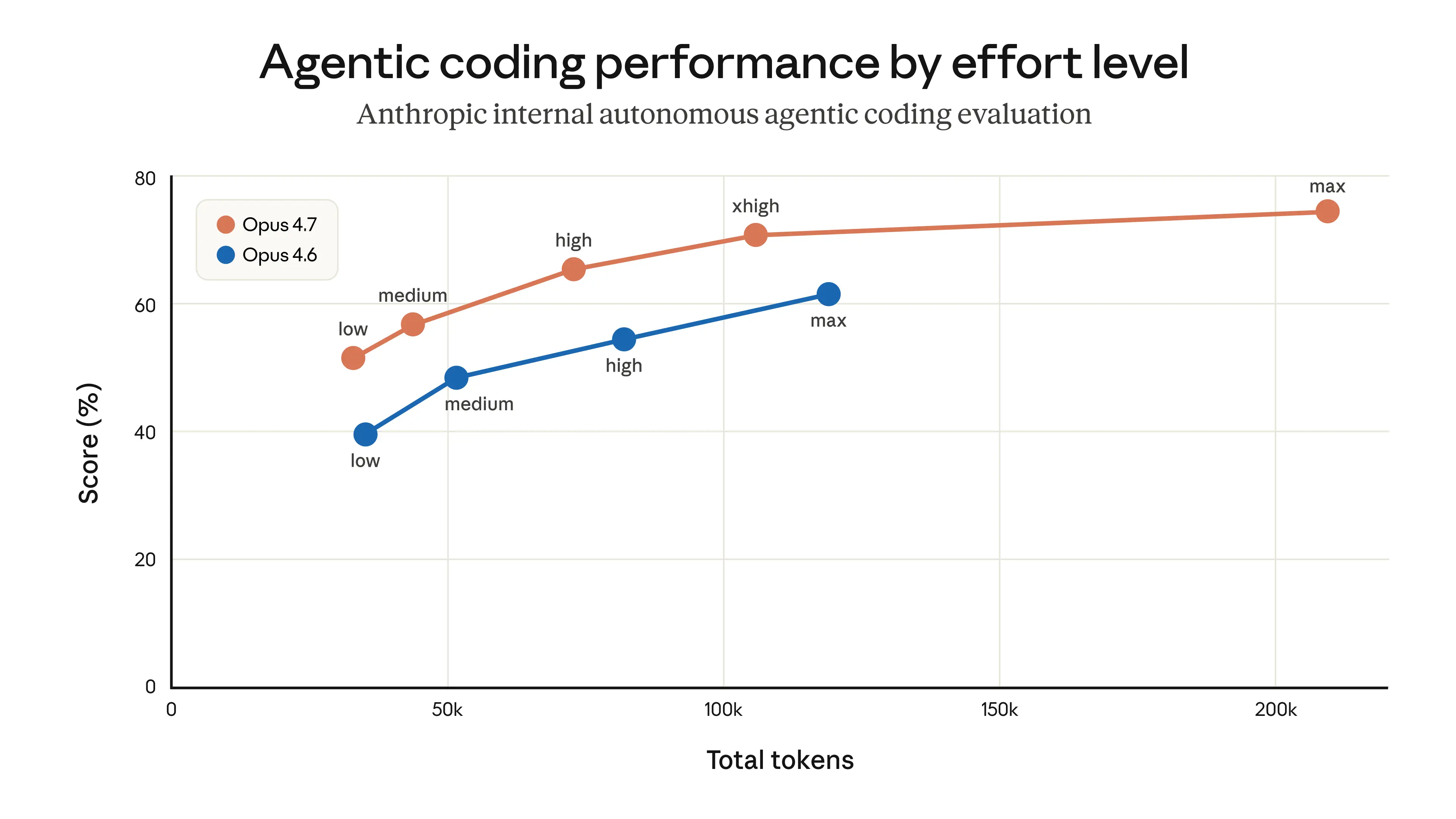
On March 4, Anthropic dropped the default from high to medium. This was meant to fix the latency complaints. It backfired. Users told Anthropic they preferred higher intelligence and would rather opt into lower effort for simple tasks. The change was reverted on April 7.
This affected both Sonnet 4.6 and Opus 4.6.
Bug 2: The Memory Wipe Loop
On March 26, Anthropic shipped a feature to clear Claude's older thinking from sessions that had been idle for over an hour. The goal was reducing latency when users resumed those sessions. A bug caused this clearing to happen on every turn for the rest of the session instead of just once.
The result: Claude seemed forgetful and repetitive. It kept losing context that should have persisted. The fix came on April 10. This also affected Sonnet 4.6 and Opus 4.6.
Bug 3: Verbosity Overcorrection
On April 16, Anthropic added a system prompt instruction to reduce verbosity. Combined with other prompt changes, it hurt coding quality. The change was reverted four days later on April 20.
This bug had the widest impact, affecting Sonnet 4.6, Opus 4.6, and Opus 4.7.
Why It Took So Long to Find
Anthropic says it began investigating reports in early March. The challenge: each bug affected a different slice of traffic on a different schedule. User reports looked like normal variation in feedback at first. Neither internal usage nor automated evals reproduced the issues that users identified.
This points to a gap between how Anthropic tests Claude and how real users experience it. The company acknowledges this isn't the experience users should expect.
What Anthropic Is Doing About It
Beyond fixing the bugs, Anthropic is resetting usage limits for all subscribers as of April 23. The company says it will make changes to ensure similar issues are much less likely to happen again, though the postmortem doesn't detail specific process improvements.
The postmortem also clarifies Anthropic's position on intentional degradation rumors. The company states it never intentionally degrades models and was able to immediately confirm the API and inference layer were unaffected.
Logicity's Take
Implications for Agent SDK Users
Developers building on the Claude Agent SDK should verify they're running version 2.1.116 or later. The SDK was affected by the same bugs as Claude Code. If you've been holding off on production deployments because of quality concerns, Anthropic's postmortem suggests those issues are now resolved.
The API being unaffected is important for teams running Claude through direct API calls rather than the Agent SDK. If you were seeing quality issues through the API during this period, that's a separate problem unrelated to these three bugs.
Compare how OpenAI and Anthropic are approaching agentic AI tools
Frequently Asked Questions
Was the Claude API affected by these quality issues?
No. Anthropic confirmed the API and inference layer were unaffected. The bugs only impacted Claude Code, the Claude Agent SDK, and Claude Cowork.
Which Claude models were affected?
Sonnet 4.6 and Opus 4.6 were affected by all three bugs. Opus 4.7 was only affected by the April 16 verbosity change.
Are the Claude Code quality issues fixed now?
Yes. All three bugs were resolved as of April 20 with version 2.1.116. Users should update to this version or later.
Will Anthropic compensate users for the degraded experience?
Anthropic is resetting usage limits for all subscribers as of April 23.
Does Anthropic intentionally degrade its models?
Anthropic explicitly states it never intentionally degrades models. The quality issues were caused by bugs, not deliberate changes to model capabilities.
Need Help Implementing This?
Source: Hacker News: Best
Huma Shazia
Senior AI & Tech Writer
Produced with AI assistance and reviewed by the Logicity editorial team. Learn more in our Editorial Policy.